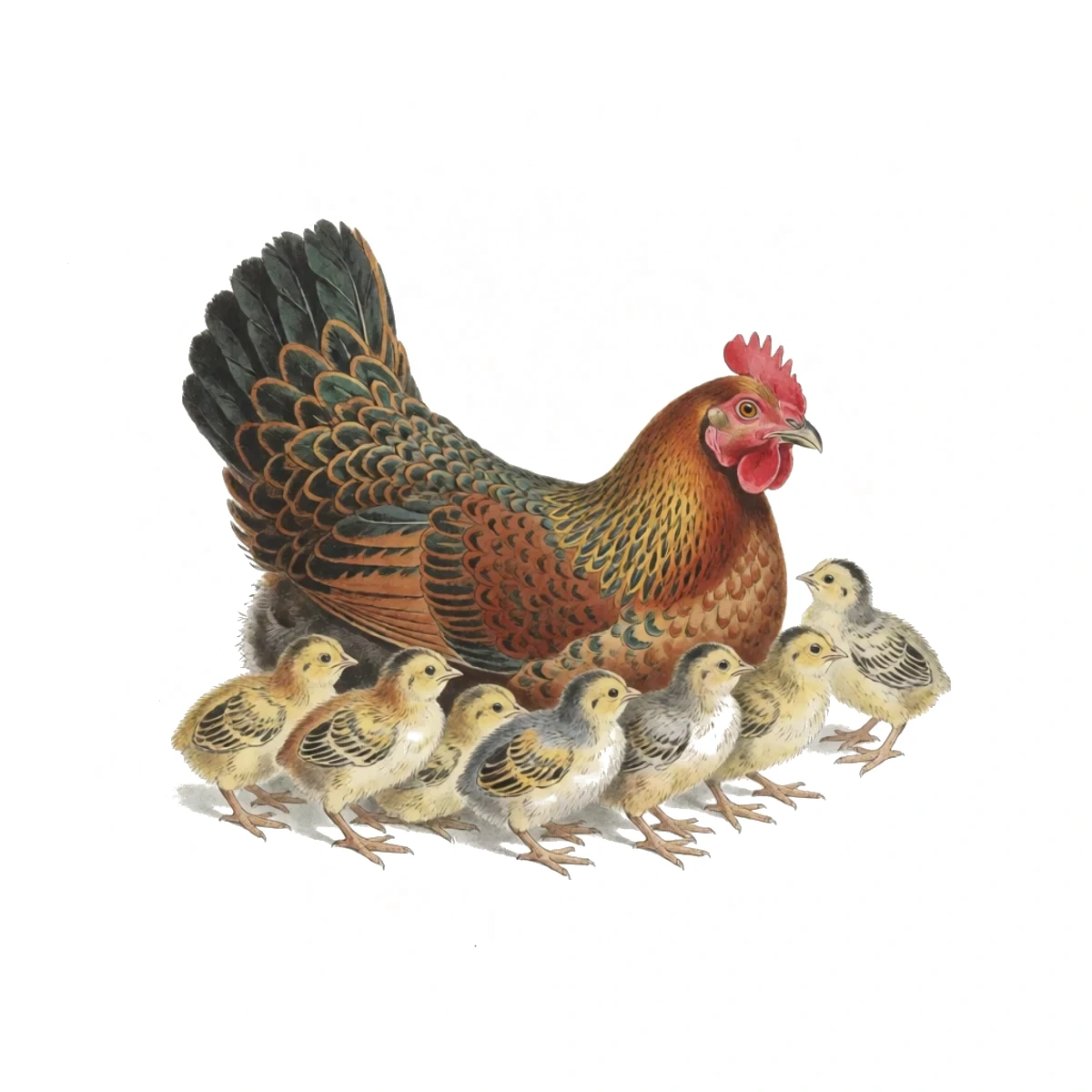
Broody hens, break or hatch
How to tell she is broody, and what to do about it
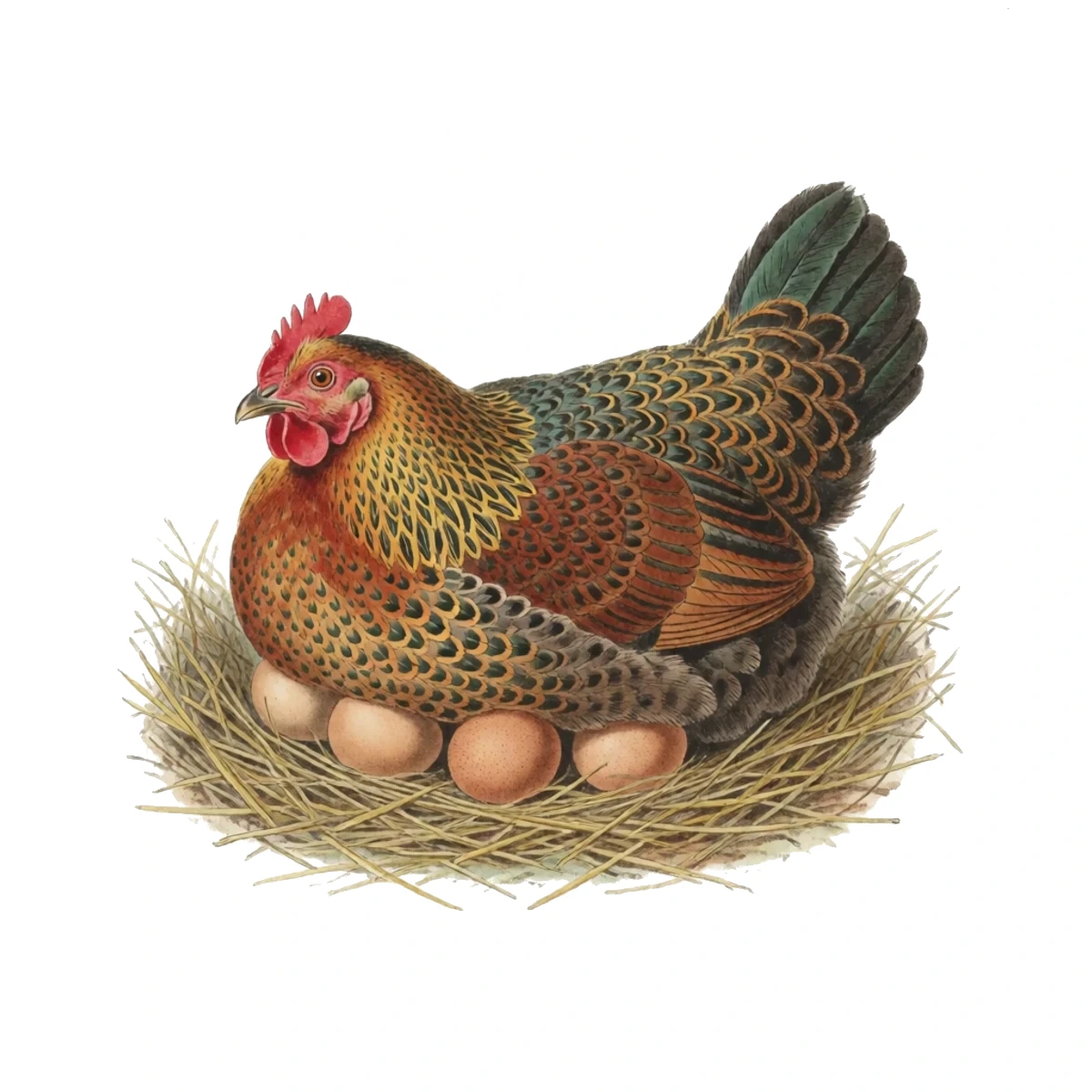
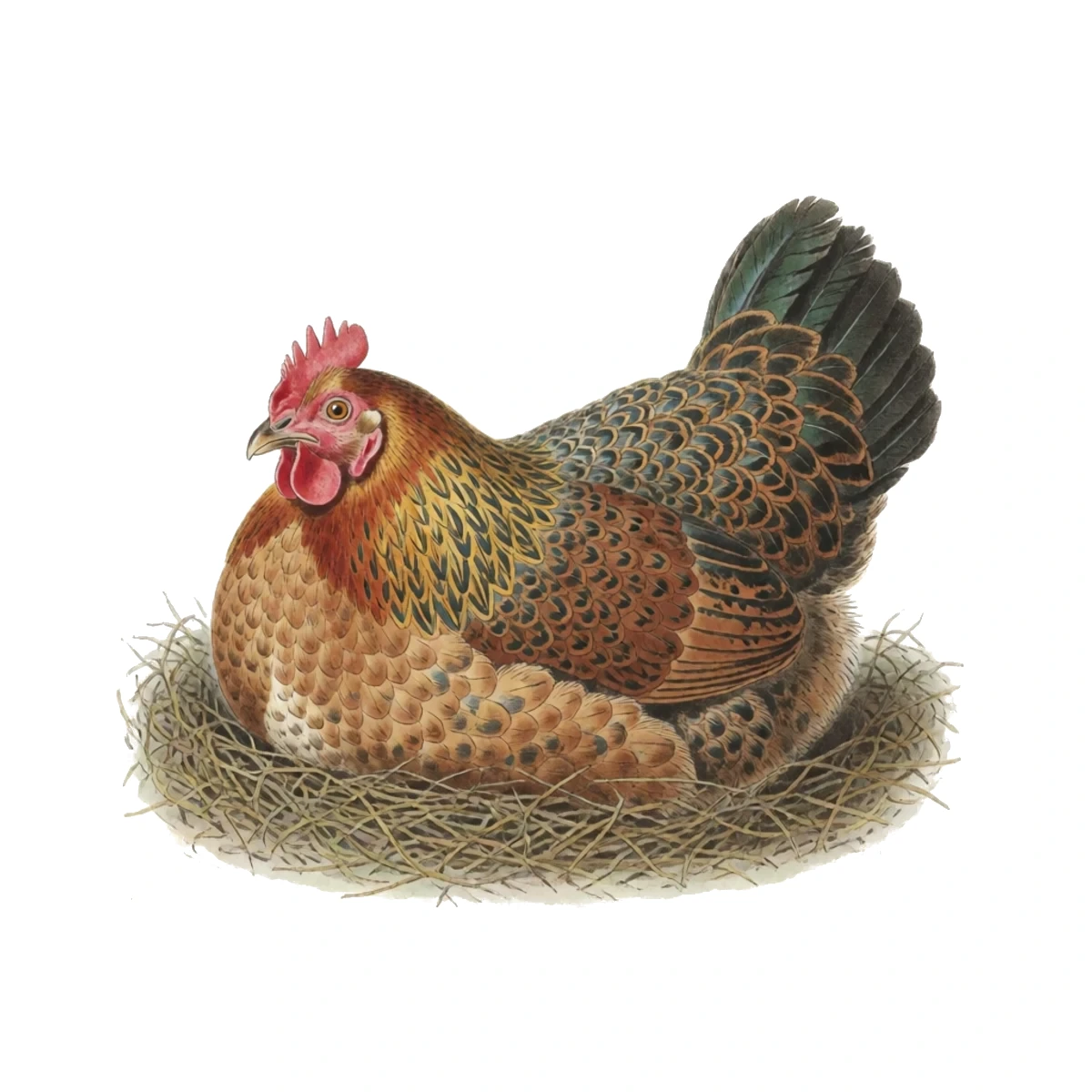
A hen flattened in the nest box, growling at you, has decided to hatch eggs. You have two good options and one bad one.
How to tell she is broody, and what to do about it
Prints on one page. The long version below stays on the screen.
The long version

A broody hen stops laying, flattens herself over the nest, growls and puffs up when you come near, and leaves once a day to eat, drink and produce one enormous dropping. She will sit whether or not the eggs are fertile, and whether or not there are any eggs at all. Doing nothing costs you her eggs and runs her down, so you need to choose: break her out of it, or give her eggs to hatch.

The signs are that she stays on the nest at night instead of roosting, plucks her own breast bare so her skin touches the eggs, growls and pecks when you check under her, and shrieks when you lift her off. Two days of that means she is properly broody and her hormones have taken over.

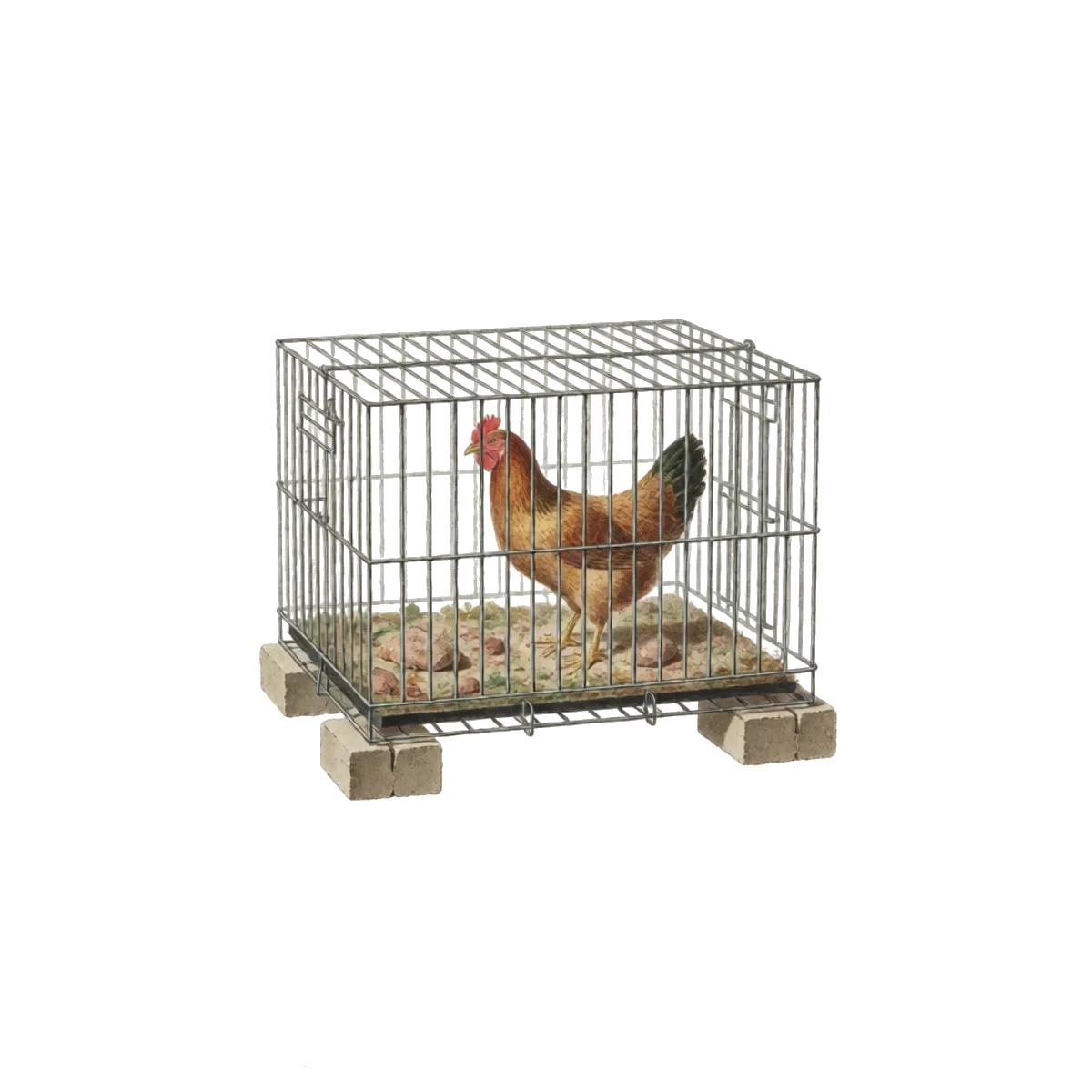
To stop her, you need to cool her underside, which is what keeps the behavior going. Put her in a wire dog crate with food and water but no bedding, raised up on blocks so air moves underneath, and keep it where she can still see the flock, for two to four days. Let her out each morning and watch. If she goes back to scratching around, she is done. If she heads straight for the nest box, she needs another day. The sooner you start, the faster it works.

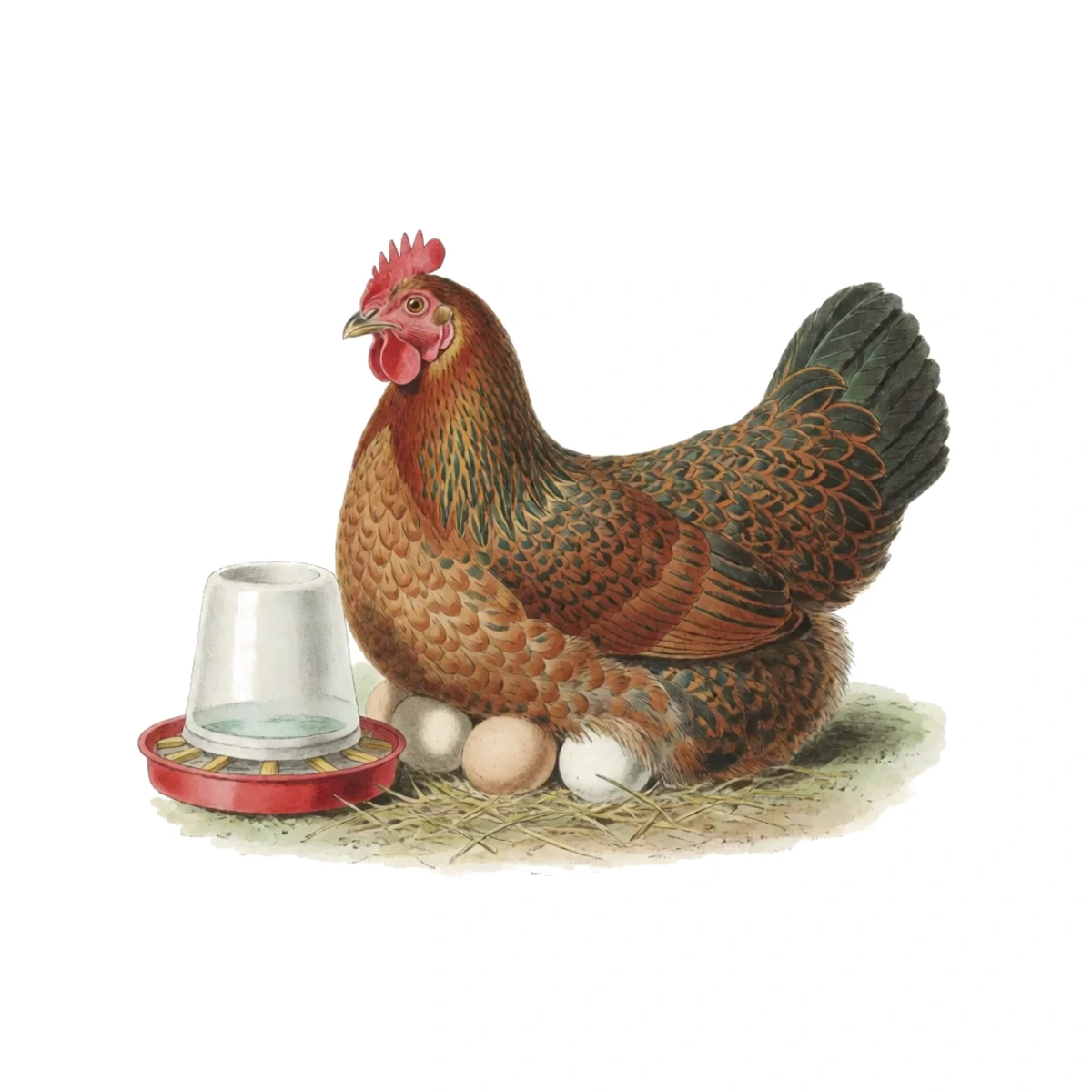
To let her hatch, move her at night into a private pen with her own food and water, away from other hens wanting to use the nest, and put six to ten fertile eggs under her all at once, marking each one with a pencil. She will manage the temperature, humidity and turning better than any incubator, for exactly 21 days. Check under her weekly and take out any unmarked eggs other hens have added.

Chicks raised by a hen need no heat lamp and no brooder box, and they learn how to behave in a flock from the first day. She keeps them warm, shows them how to eat, and works them into the pecking order herself. Provide chick starter feed and shallow waterers, and otherwise leave them alone. She will wean them at about six weeks and rejoin the laying flock.
As an Amazon Associate, Story Thyme Farms earns from qualifying purchases, at no cost to you. It never changes what we recommend.