Collections
The whole library, pre-sorted — by what a plant is, what it tolerates, and which zone it fruits in.
18 collections43 variety tableszones 4–9
By kind & by trait 12 collections
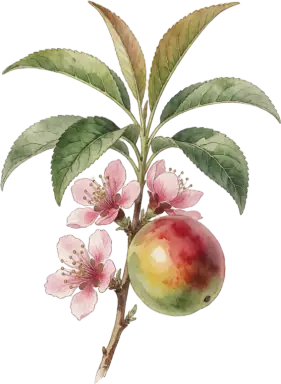
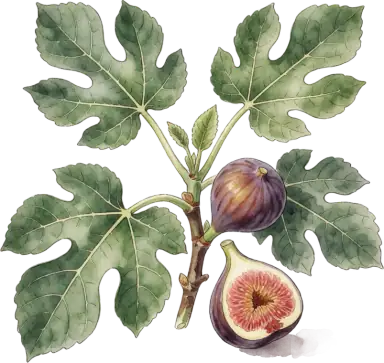
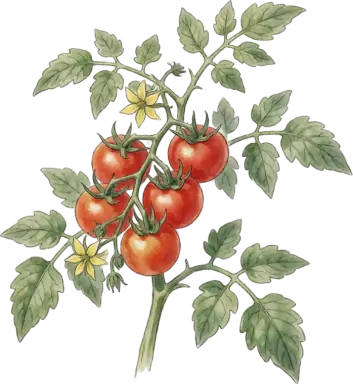
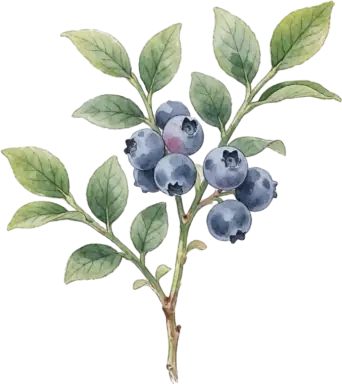
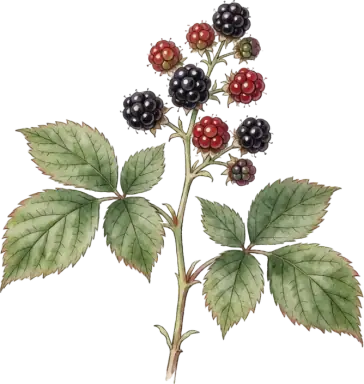
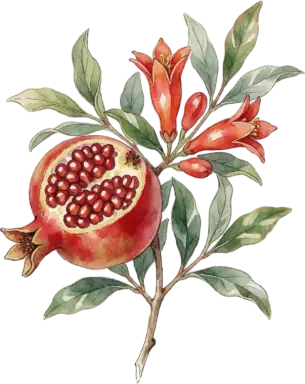
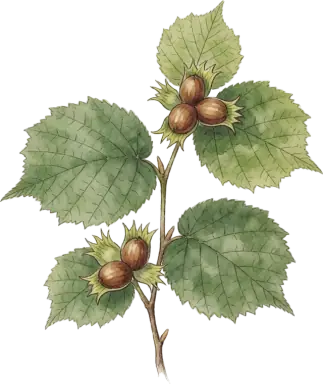
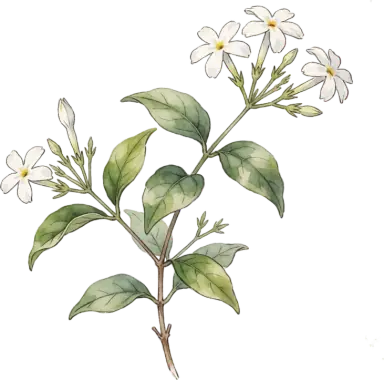
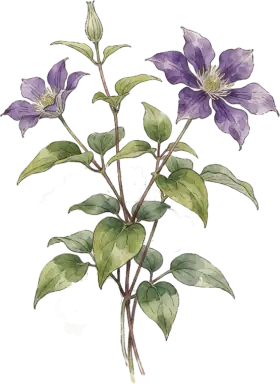
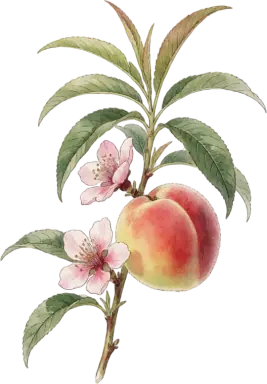
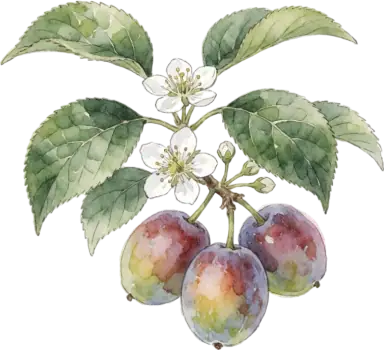
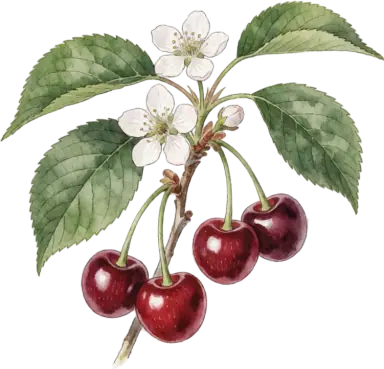
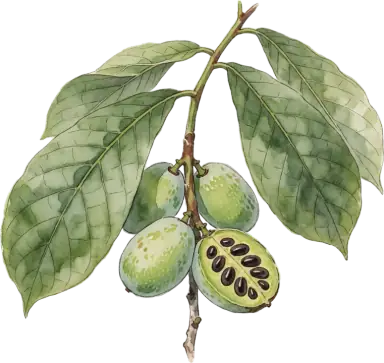
31 plantsFruit treesThe whole home orchard — apples and pears to pawpaw, persimmon and fig.7 plantsNut treesChestnut, walnut, pecan, hickory, hazelnut — protein that grows on trees.33 plantsBerry bushesBlueberries, brambles, currants and the uncommon shrub fruits.104 plantsVegetablesThe kitchen-garden annuals and perennials, from artichoke to zucchini.91 plantsHerbsKitchen, tea and apothecary herbs — annuals, perennials and shrubs.17 plantsFlowering vinesClematis to coral honeysuckle — bloom for fences, arbors and walls.59 plantsHouseplantsIllustrated care guides for the indoor collection, pothos to fiddle-leaf.21 plantsShade treesOaks, maples and the big natives — decades of canopy from one hole.57 plantsDeer-resistant plantsWhat deer actually walk past — aromatics, toxics and tough textures.135 plantsNative plantsThe USDA-verified natives — plants that feed the food web they evolved in.20 plantsSelf-fertile fruit treesTrees that crop alone — the one-tree orchard for small yards.406 plantsPollinator plantsDocumented bee, butterfly and hummingbird plants — the working border.

Fruit trees by zone 6 collections
9 treesFruit trees for zone 4Every fruit tree in the library whose hardiness range covers USDA zone 4.15 treesFruit trees for zone 5Every fruit tree in the library whose hardiness range covers USDA zone 5.17 treesFruit trees for zone 6Every fruit tree in the library whose hardiness range covers USDA zone 6.18 treesFruit trees for zone 7Every fruit tree in the library whose hardiness range covers USDA zone 7.22 treesFruit trees for zone 8Every fruit tree in the library whose hardiness range covers USDA zone 8.21 treesFruit trees for zone 9Every fruit tree in the library whose hardiness range covers USDA zone 9.
Variety comparison tables 43 tables
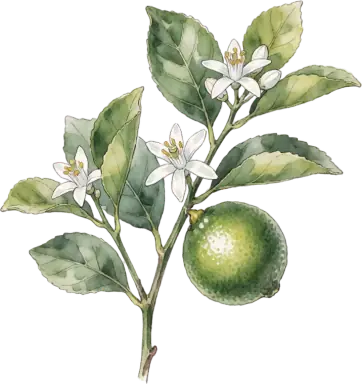
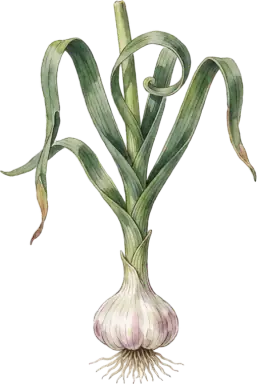
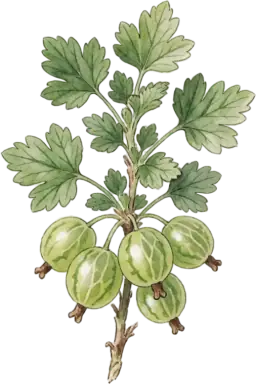
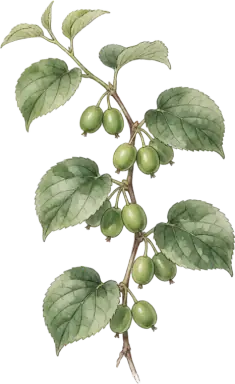
8 varietiesLow-chill peaches & nectarinesPeaches and nectarines that fruit on 175–500 hours of winter chill.7 varietiesLow-chill plumsJapanese and Gulf-bred plums that crop on 150–500 chill hours.5 varietiesLow-chill apricotsApricots for mild winters — 300 to 500 chill hours.10 varietiesCold-hardy applesApples rated to zone 4 or colder — Minnesota breeding at its best.7 varietiesCold-hardy figsFigs that fruit after northern winters — Chicago Hardy to Desert King.5 varietiesSelf-fertile plumsPlums that set fruit alone — Methley, Stanley and the European prunes.5 varietiesSelf-fertile sweet cherriesStella, Lapins and kin — sweet cherries that don't need a partner.15 varietiesSelf-fertile pearsPears that set fruit alone, fully or partially — Kieffer to Comice.13 varietiesFireblight-resistant pearsThe pears that survive the South's tree-killer bacterium.5 varietiesDisease-resistant applesScab-immune and blight-resistant apples for a spray-free orchard.13 varietiesStorage applesLate-October apples that hold in a cold cellar until spring.10 varietiesDisease-resistant tomatoesLate-blight and wilt-resistant tomatoes that finish the season standing.14 varietiesCold-hardy pawpawsNorth America's largest native fruit, in the varieties that take real winter.13 varietiesPawpaw pollinationCompare pawpaw varieties that need a genetically different pollination partner.13 varietiesCold-hardy blueberriesNorthern highbush and half-high types bred to survive open winters.14 varietiesCold-hardy pearsPears that take a prairie winter — from Ure to Golden Spice.13 varietiesDisease-resistant pearsBlight, scab and psylla resistance across the pear aisle.15 varietiesCold-hardy raspberriesSummer and everbearing canes that survive open winters.13 varietiesCold-hardy elderberriesAmerican elderberries for syrup, cordial and hedgerow, in the hardiest selections.12 varietiesCold-hardy persimmonsNative persimmons that ripen far north of the Asian kinds.12 varietiesSelf-fertile apricotsApricots that crop alone — and bloom late enough to survive doing it.11 varietiesSelf-fertile peachesNearly every peach crops alone — these are the ones worth the single slot.15 varietiesSelf-fertile figsCommon figs that ripen fruit with no pollination at all.14 varietiesSelf-fertile muscadinesPerfect-flowered muscadines that fruit without a male vine.10 varietiesHoneyberry pollinationCompare haskap varieties and learn why a partner with overlapping bloom matters.13 varietiesThornless blackberriesEvery thornless blackberry in the library — the Arkansas erects to Triple Crown and Chester.10 varietiesCold-hardy blackberriesBlackberries whose fruiting canes survive a real winter.9 varietiesEverbearing raspberriesFall-fruiting raspberries you can mow to the ground every winter.10 varietiesLow-chill blueberriesSouthern highbush and rabbiteye types that fruit on 150–500 chill hours.9 varietiesRabbiteye blueberriesThe heat-proof native blueberry of the Gulf South, and which two to plant together.10 varietiesNon-astringent persimmonsFuyu-type persimmons you eat firm, like an apple, with no puckering wait.11 varietiesCold-hardy pomegranatesCentral Asian and Russian pomegranates that take a zone 6–7 winter.5 varietiesCold-hardy mulberriesNamed mulberries hardy to −20 °F and below, dwarf to full size.9 varietiesCold-hardy citrusSatsumas, kumquats, Meyer lemon and yuzu — the citrus that survives frost.8 varietiesCold-hardy apricotsApricots with hardy wood and, more to the point, a bloom late enough to keep the crop.11 varietiesFreestone peachesPeaches whose flesh pulls clean from the pit — from Elberta to Contender.6 varietiesWhite peaches & nectarinesLow-acid, honey-sweet white flesh, from the donut peach to Belle of Georgia.8 varietiesHardneck garlicThe cold-climate garlics — big cloves, scapes to eat, and the best flavour.7 varietiesRust-resistant currantsBlack, red and white currants that can be planted where white pine grows.9 varietiesMildew-resistant gooseberriesGooseberries that keep their fruit clean of the felt that ruins a crop.9 varietiesSeedless grapesSeedless grapes for the backyard, from Thompson to the cold-hardy Reliance.7 varietiesCold-hardy kiwisGrape-sized, smooth-skinned kiwis for zone 4 and colder — and the male they need.9 varietiesEverbearing strawberriesStrawberries that fruit from June until frost instead of for three weeks.