Cold-Hardy Citrus Varieties for Zone 8 (and a Zone 7 Yuzu)
Citrus hardiness runs on a ladder, and the rungs are further apart than most people expect. True limes are damaged by any hard frost; sweet oranges hold to the low twenties; satsuma mandarins take the mid-teens once established; kumquats, which go properly dormant in cold weather, survive into the low teens; and yuzu, the Japanese culinary citrus, is the hardiest of all, rated to zone 7. Meyer lemon sits between, the hardiest lemon there is and the standard pot citrus for everyone north of the Gulf.
These 9 are the varieties rated to zone 8 or colder, sorted hardiest first. The number to plan around is not the tree's survival but the fruit's: citrus ripens in winter, and a satsuma that colours in October and November is off the tree before the hard freezes that a January-ripening grapefruit has to sit through. In zone 8 the practice is a south-facing wall, a trifoliate-orange rootstock, and frost cloth on the bad nights; in zone 7 it is a large pot wheeled into a garage. Every variety here is self-fertile.
Story Thyme Farms may earn a small commission from these links, at no cost to you — it never changes what we recommend.
| Variety | Zones | Ripens | Disease resistance | Notes | Where to buy |
|---|---|---|---|---|---|
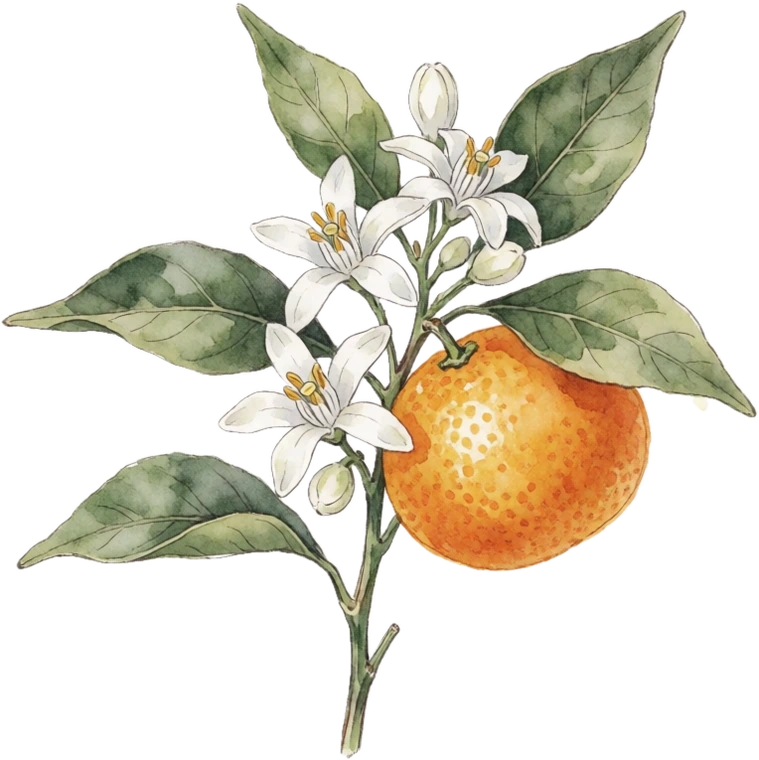
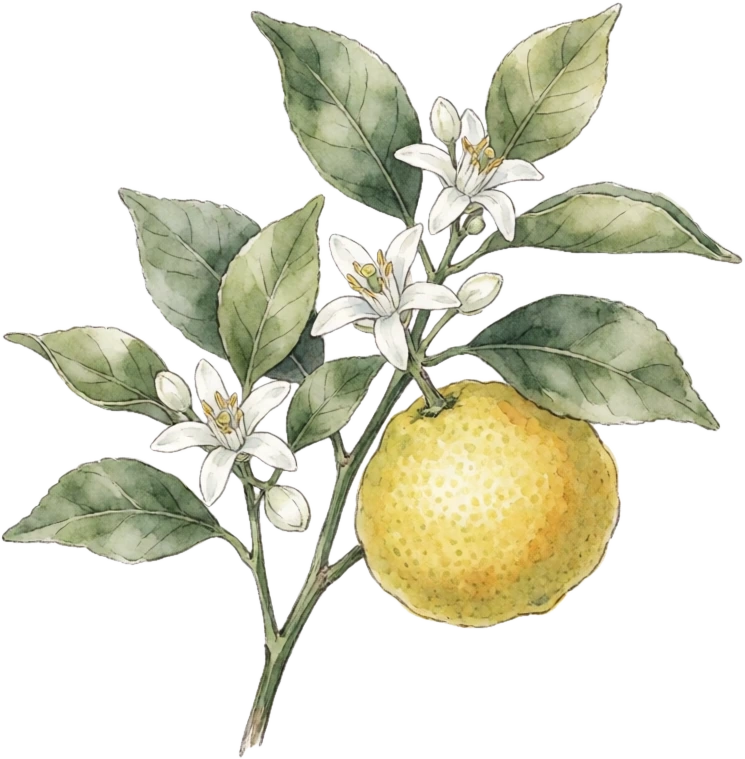
| Yuzu IchandrinYuzu | 7-10 | September to November | — | Highly acidic at about 4.5 percent citric acid, very sour juice, intensely fragrant pebbly rind used as zestThe one named yuzu selection reliably sold in the US; most nurseries list yuzu with no cultivar name at all. An Ichang papeda by Satsuma mandarin hybrid, grown from seed collected in Hubei, China by USDA explorer Frank Meyer in 1918 (PI 45945). Nurseries rate it hardy to about 0 degrees F, which is what puts it in zone 7; Meyer noted that in its wild habitat temperatures probably never drop below 10 degrees F. Zone 7 growers should still plan on winter trunk protection for the first four years. Grafted on dwarfing rootstock it fruits early. Averages about 28 seeds per fruit, which does not matter for a crop used as zest and juice. | Browse growers |
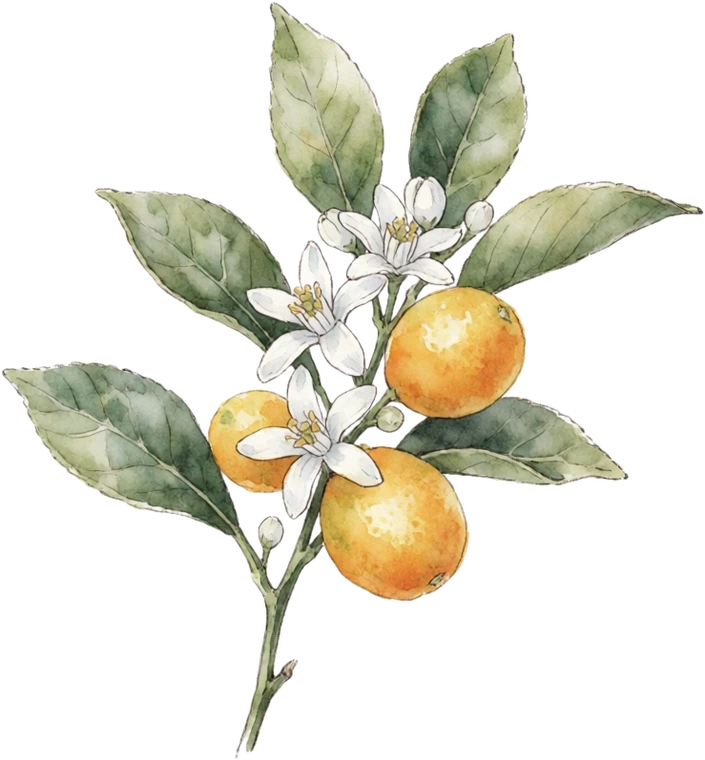
| Centennial VariegatedKumquat | 8-11 | Nov-Feb | good | larger, tangy-sweet oval fruit; edible whole, sweeter than most kumquatsA USDA 1993 release originating as a spontaneous variegated twig sport; cream-and-green striped foliage and green-striped fruit that ripens orange, prized as a decorative patio tree that still crops well. Self-fertile; no winter chill required. | Browse growers |
| ChangshaMandarin / Tangerine | 8-11 | Oct-Nov | — | sweet but very seedy, somewhat dry; often used for cold-hardy landscape fruitAmong the most cold-hardy mandarins of all (hardy to roughly 10F), so it fruits where satsumas struggle, but expect abundant seeds and modest quality. | Browse growers |
| DuncanGrapefruit | 8b-11 | Oct-May | moderate; among the hardier grapefruit | rich, sweet white flesh but very seedy; best for juiceAn old Florida white (circa 1830s) prized for the richest flavor and relative cold-hardiness; its many seeds make it more a juicing than fresh-eating variety. Reliably hardy only in zone 9+, though it tolerates a bit more cold than most grapefruit. | Browse growers |
| Eustis LimequatLime | 8-11 | everbearing, year-round | — | small yellow oblong fruit with a strong, tart lime flavorProtect below 32F. A lime-kumquat hybrid, so the kumquat parentage buys real cold tolerance a true lime does not have - Texas A&M rates its cold hardiness Good where Mexican and Tahiti lime are both rated Poor. Few seeds, everbearing, highly productive, and small enough for a pot. | Browse growers |
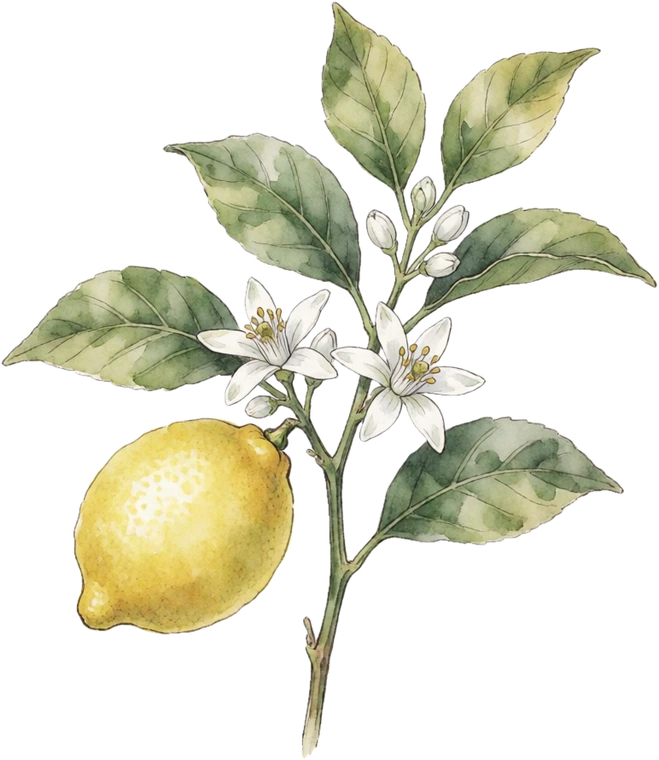
| Improved MeyerLemon | 8-11 | Nov-Mar (peak), some fruit year-round | virus-cleaned 'Improved' strain; susceptible to citrus greening/canker like all citrus | sweet-tart, low-acid, floral; a lemon-mandarin/orange hybridThe hardiest and most container-friendly lemon and a top choice for cold-climate growers who overwinter it indoors. | Buy $69.99 |
| MarumiKumquat | 8-11 | Nov-Feb | good | round fruit, thin sweet rind with tart-to-mild pulp, midway between Nagami and MeiwaThe most cold-hardy of all kumquats (and among the hardiest of any citrus) - typically undamaged into the low teens F, defoliating only near 0F and leafing back out in spring. Tidy, slightly thorny hedge-like habit. Self-fertile; no winter chill required. | Browse growers |
| NagamiKumquat | 8-11 | Nov-Feb | good (notably canker/CBC tolerant) | tart pulp, sweet edible rind; eaten whole, great for marmaladeThe most widely sold kumquat and among the most cold-hardy citrus (to ~18-20F once established), making it a top pick for the coldest citrus zones or container growing up North. Self-fertile; no pollinizer needed. No winter-chill requirement. | Buy $74.95 |
| Owari SatsumaMandarin / Tangerine | 8-11 | Oct-Dec | good (resistant to Alternaria brown spot) | sweet, low-acid, nearly seedless, easy-peelThe most cold-hardy commonly grown satsuma (to ~15F once established) and reliably seedless without a pollinizer, making it the safest single-tree citrus for the Gulf South. | Buy $69.99 |