The illustrated growing guide

Kumquat

Citrus japonica

Family Rutaceae

Est. zones 8-11

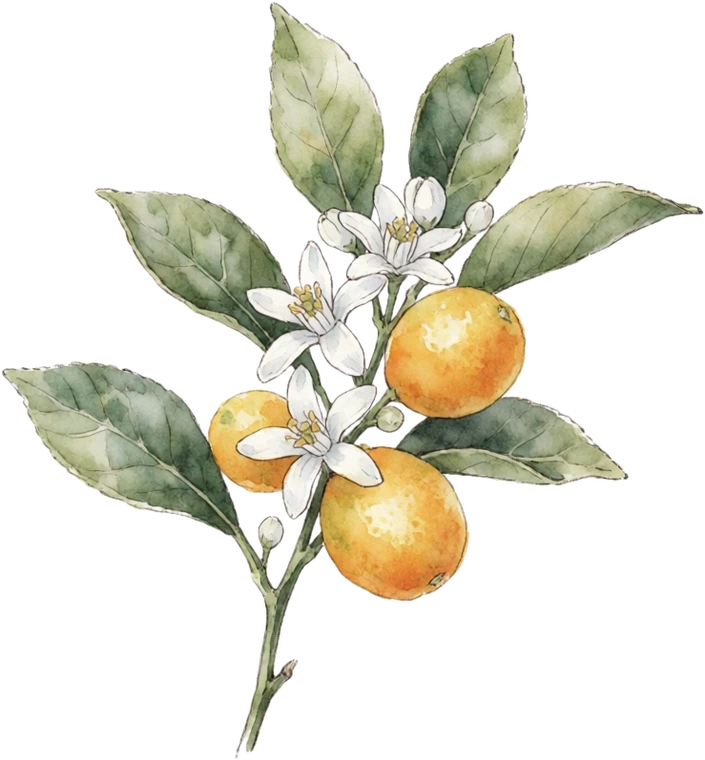
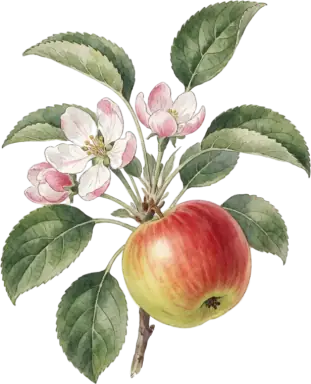
Botanical illustration of Kumquat
Tree · Citrus japonica

The eat-it-whole citrus and the toughest of the clan — takes a light frost, fruits heavily in a pot, and blooms perfume the winter windowsill. Pop one in your mouth, peel and all: sweet-tart candy off your own tree in January.

TreeFull Sun / sunniest windowModerate waterSlow-Moderate growthExcellent edibleAttracts beesNone winter chill

Where to buy the plant — 3 nurseries

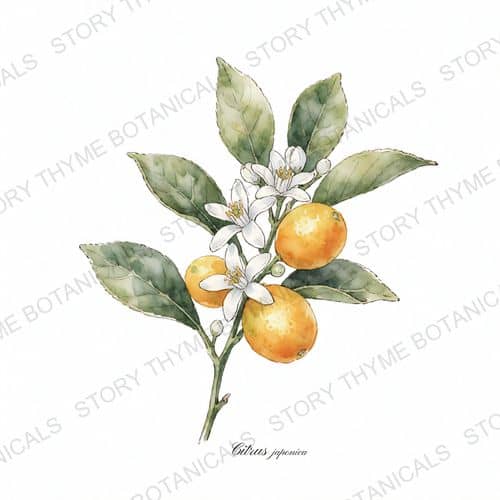
Kumquat — a print from the Citrus Grove collection

From the print shop

Growing kumquat? Hang it.

Our Citrus Grove collection carries kumquatCitrus japonica, print Nº 13, “Kumquat.”

16 designsfrom $21.99white or black groundmatte poster, unframed

Shop Citrus Grove botanical prints →

I

Overview

Will kumquat suit your garden, and what goes wrong.

Will it fruit where you are?

Enter your ZIP — we look up your USDA hardiness zone (2023 map) and check it against what kumquat actually needs.

Life cyclePerennial zones 8–11, annual elsewhere
Winter chillNone
PollinationSelf-fertile

Kumquat at a glance

Life cyclePerennial zones 8–11, annual elsewhere
Mature size6-15 ft (pot: 3-5 ft)
PollinationSelf-fertile
Chill requirementNone (not chill-dependent)
Bloom seasonSummer (fragrant white, perfumes a room)
Harvest seasonFruit ripens fall-winter, holds for months — eat WHOLE, sweet peel + tart flesh
Growth rateSlow-Moderate

Common kumquat problems

II

Growing

Light, water, soil, propagation and the season’s jobs.

How to grow kumquat: light, water & soil

LightFull Sun / sunniest window
WaterModerate — even; hates soggy
SoilCitrus mix · pH 6.0 - 7.0
FertilizerCitrus fertilizer monthly Feb-Sep
PruningSpring — Light shaping; remove below-graft sprouts.
SpacingContainer or 8-12 ft

How to plant & propagate kumquat

PropagateGrafted, or from cuttings/layering (seed won't come true)

When to spray kumquat

Growing season. Horticultural oil for scale.

III

The year

What kumquat asks for, month by month.

The kumquat year, month by month

MonthJanFebMarAprMayJunJulAugSepOctNovDec
Bloom
Prune
Harvest

What each band means

  • Bloomflowers open — pollinators working, frost on blossoms is the danger.
  • Pruneshape it now — cuts heal cleanly and structure is visible.
  • Harvestpicking time — check ripeness every few days.

The kumquat year as text

  • Jan harvest
  • Feb harvest
  • Mar pruning
  • Apr pruning
  • May pruning
  • Jun bloom
  • Jul bloom
  • Aug bloom
  • Sep harvest
  • Oct harvest
  • Nov harvest
  • Dec harvest

These are the species' typical months — expect them a few weeks earlier in warm zones and later in cold ones. Watch the plant, not just the calendar.

IV

Ecology & uses

What it does for the garden, and what it is grown for.

Kumquat in the garden system

  • Understory layer tree
AttractsBees
MoistureFacultative / average
DeerBrowsed — protect young plants
OriginIntroduced

What kumquat is grown for

✓ Commonly eatenSkin oils mild pet irritant

UseWhole-fruit snacking
UseMarmalade
UseWinter blooms
Edible value4/5

Harvesting & storing kumquat

Fruit ripens fall-winter, holds for months — eat WHOLE, sweet peel + tart flesh.

Edibility, identification, and traditional-use notes here are general reference — not medical or veterinary advice, and not a claim that any plant treats or prevents anything. Medicinal ratings record how strongly a plant features in herbal tradition, nothing more. Never eat or dose a plant you have not positively identified. More on how to use this library.

V

Cultivars

Named varieties of kumquat, ruled as a catalogue.

Best kumquat varieties & cultivars

5 on file

Named varieties of kumquat differ in winter-chill needs, ripening time, hardiness, and whether they set fruit on their own — pick one that fits your climate.

Nagami · Oval Kumquat, Fortunella margarita

Self-fertile
RipensNov-FebZones8-11Diseasegood (notably canker/CBC tolerant)Sizedwarf, 8-12 ft in ground; keeps to 3-5 ft in a pot

tart pulp, sweet edible rind; eaten whole, great for marmalade — The most widely sold kumquat and among the most cold-hardy citrus (to ~18-20F once established), making it a top pick for the coldest citrus zones or container growing up North. Self-fertile; no pollinizer needed. No winter-chill requirement.

Where to buy ‘Nagamiverified

Story Thyme Farms may earn a small commission from these links, at no cost to you — it never changes what we recommend.


Meiwa · Sweet Kumquat, Round Kumquat, Fortunella crassifolia

Self-fertile
RipensNov-FebZones9-11DiseasegoodSizecompact dwarf, 6-8 ft; excellent patio/container tree

thick sweet rind and mild pulp, the best fresh-eating kumquat — Choose this one to eat out of hand - the sweetest kumquat (a thought-to-be Nagami x Marumi hybrid), though slightly less cold-hardy than Nagami. Self-fertile; no pollinizer or winter chill required.

Where to buy ‘Meiwaverified

Story Thyme Farms may earn a small commission from these links, at no cost to you — it never changes what we recommend.

Marumi · Round Kumquat, Morgani, Fortunella japonica

Self-fertile
RipensNov-FebZones8-11DiseasegoodSizedense rounded dwarf, 6-9 ft; slightly thorny

round fruit, thin sweet rind with tart-to-mild pulp, midway between Nagami and Meiwa — The most cold-hardy of all kumquats (and among the hardiest of any citrus) - typically undamaged into the low teens F, defoliating only near 0F and leafing back out in spring. Tidy, slightly thorny hedge-like habit. Self-fertile; no winter chill required.

Where to buy ‘Marumiverified

Story Thyme Farms may earn a small commission from these links, at no cost to you — it never changes what we recommend.

Fukushu · Changshou Kumquat, Fortunella obovata

Self-fertile
RipensNov-JanZones9-11DiseasemoderateSizespreading thornless dwarf, 6-10 ft with large broad leaves

sweet thin rind and mild juicy pulp, mandarin-like; good fresh — Thornless with big leaves and large heavy fruit set, but the most tender of the common kumquats (roughly hardy to ~25F), so give it the warmest spot or grow it in a pot. Self-fertile; no winter chill required.

Where to buy ‘Fukushu

Story Thyme Farms may earn a small commission from these links, at no cost to you — it never changes what we recommend.

Centennial Variegated · Variegated Kumquat, Fortunella margarita 'Centennial'

Self-fertile
RipensNov-FebZones8-11DiseasegoodSizedwarf, 6-8 ft; ornamental

larger, tangy-sweet oval fruit; edible whole, sweeter than most kumquats — A USDA 1993 release originating as a spontaneous variegated twig sport; cream-and-green striped foliage and green-striped fruit that ripens orange, prized as a decorative patio tree that still crops well. Self-fertile; no winter chill required.

Where to buy ‘Centennial Variegated

Story Thyme Farms may earn a small commission from these links, at no cost to you — it never changes what we recommend.

VI

Sources & plant ID

Where the care distinctions come from, and how the plant is filed.

Research basis

Sources behind this profile

No extension citations are attached to kumquatyet. The care figures below come from the library's own catalogue rather than a traced primary source.

Plant ID

BinomialCitrus japonica
FamilyRutaceae
TypeTree · Tender Perennial
USDA symbolFOJA
OriginIntroduced
Invasive riskLow

VII

Where to buy

Third-party nurseries — not Story Thyme Farms.

Third-party nurseries, not Story Thyme Farms. Prices are theirs.

Story Thyme Farms may earn a small commission from these links, at no cost to you — it never changes what we recommend.
VIII

Questions

Kumquat questions, answered straight.

Do I need two kumquat plants to get fruit?

No — kumquat is self-fertile, so a single plant will set a crop. A second one usually improves yields, but it isn't required.

Is kumquat safe for kids and pets?

Kumquat is commonly eaten and isn't considered toxic, but "commonly eaten" isn't a guarantee for any particular person or animal — allergies, quantity, and which part you eat all matter. One caveat on this one: Skin oils mild pet irritant. Never eat a plant you haven't positively identified, and check with a vet before letting pets or livestock graze anything new.

When do you harvest kumquat?

Fruit ripens fall-winter, holds for months — eat WHOLE, sweet peel + tart flesh.

How do you propagate kumquat?

Grafted, or from cuttings/layering (seed won't come true).

IX

Elsewhere

Where kumquat sits in the library.