Scale
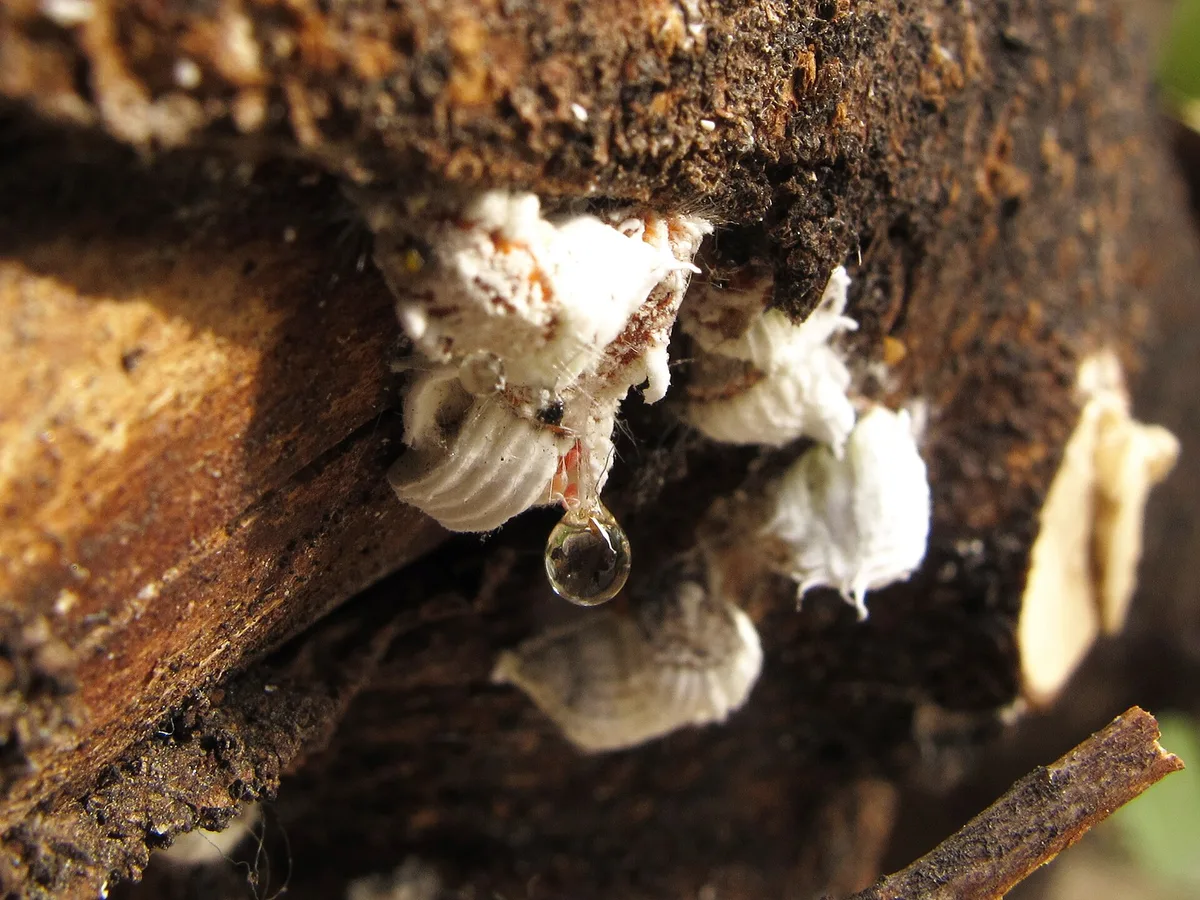
Immobile bumps glued to stems and leaf undersides — waxy brown domes, white cottony cushions, or gray crusts depending on the species. They do not look alive until you flick one off; sticky honeydew and sooty mold usually give them away.
Pest checklist
Four things to look for. If most of them match what you are holding, you are in the right place.
What gets rid of them
Gentlest option first. For most backyard cases the first one is enough, so try these in order and stop as soon as it works. If you do spray something, the product label tells you how — please read the notice further down.
1Scrape and swab
On houseplants, a fingernail or alcohol-dipped swab removes adults faster than any spray reaches them under their armor.
isopropyl alcohol 70 percentTry this first2Horticultural oil at the crawler stage
The one window scale is vulnerable: the mobile hatchlings. Dormant-season oil on woody plants smothers overwintering stages too.
horticultural oil spray3Prune out encrusted wood
A branch shingled in scale is a source, not a patient.
As an Amazon Associate, Story Thyme Farms earns from qualifying purchases, at no cost to you. It never changes what we recommend.
Which plants get scale
Every plant we cover that gets scale, grouped by type — tap any one to open its page. A note beside a plant came from that plant’s own entry, because the same pest can be a minor nuisance on one plant and a serious problem on another. Plenty of plants we do not cover get it too.
trees16
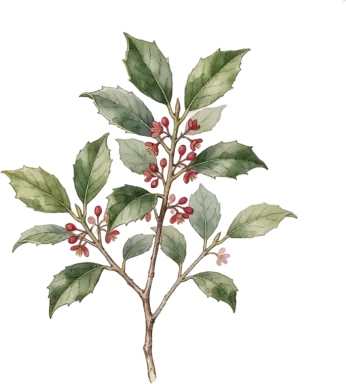 American HollyIlex opaca
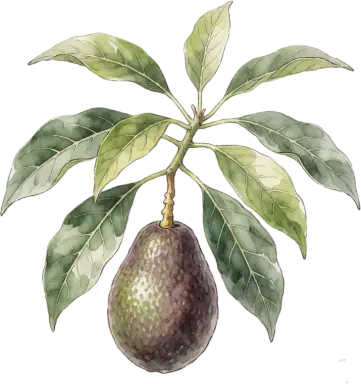 AvocadoPersea americana
 Bay LaurelLaurus nobilisthe potted-bay curse
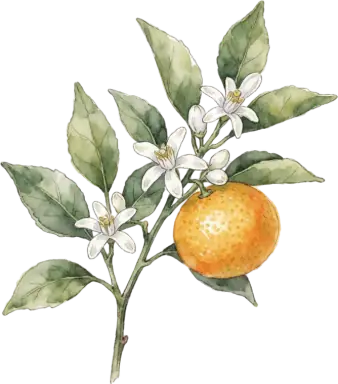 Calamondin OrangeCitrus × microcarpa
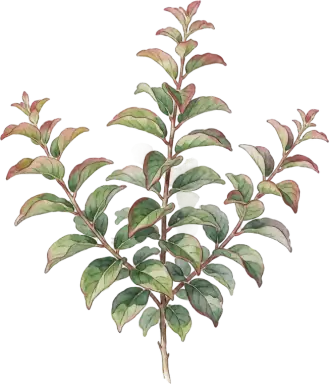 Crape MyrtleLagerstroemia indica hybridssooty trunks — newish pest
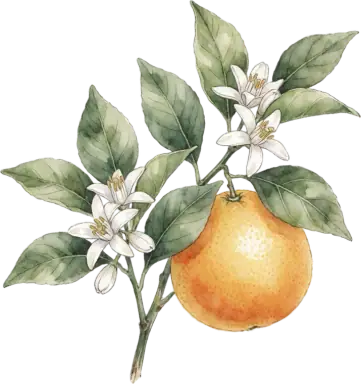 GrapefruitCitrus × paradisi
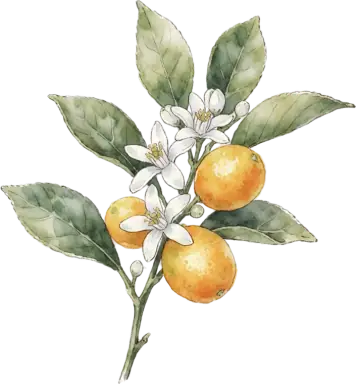 KumquatCitrus japonica
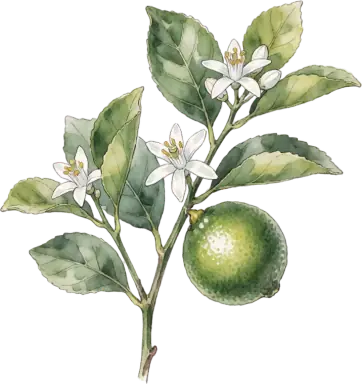 LimeCitrus × aurantiifolia / latifolia
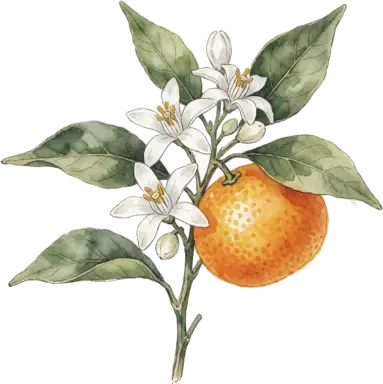 Mandarin / TangerineCitrus reticulata
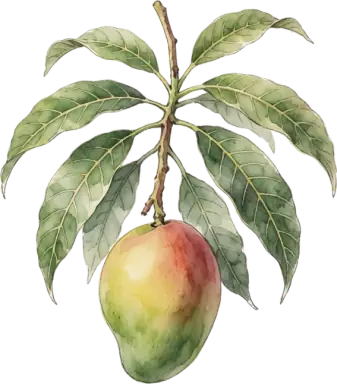 MangoMangifera indica
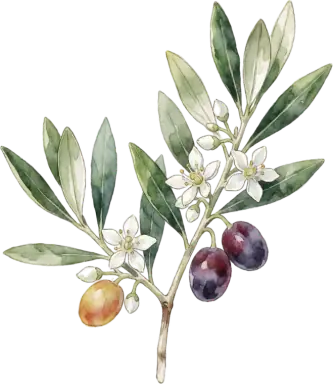 OliveOlea europaea
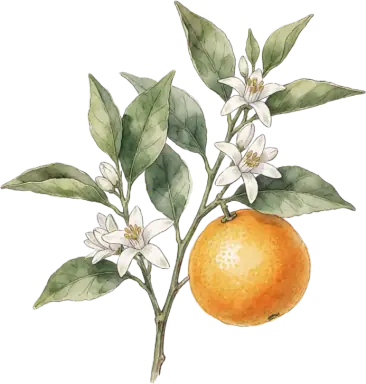 OrangeCitrus × sinensis
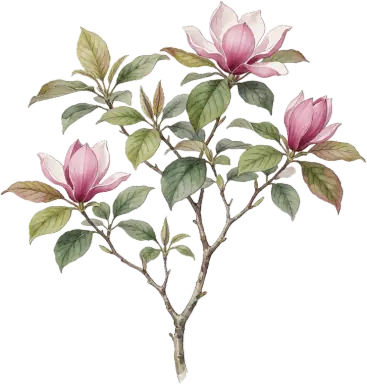 Saucer MagnoliaMagnolia × soulangeana
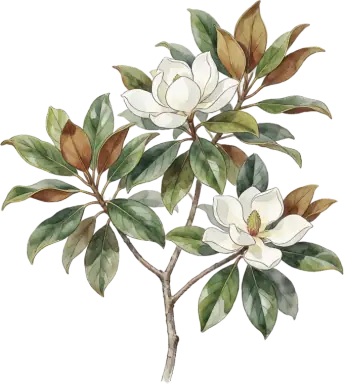 Southern MagnoliaMagnolia grandifloraminor
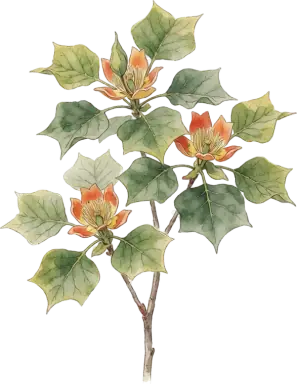 Tulip PoplarLiriodendron tulipifera
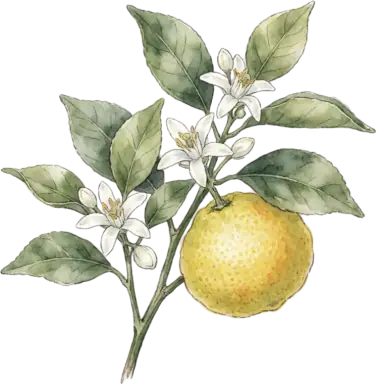 YuzuCitrus junos
shrubs8

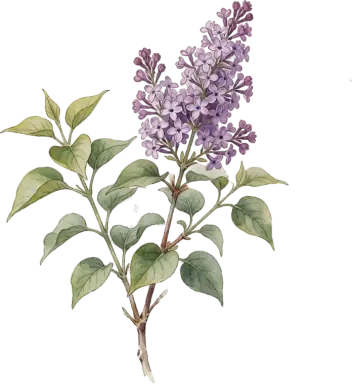
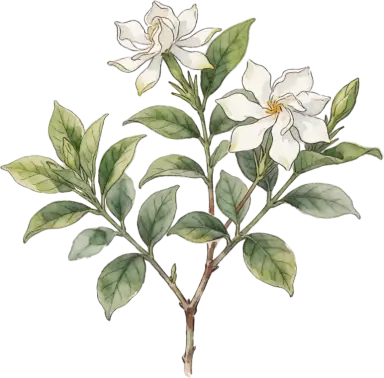
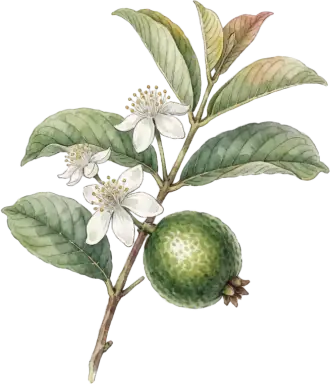
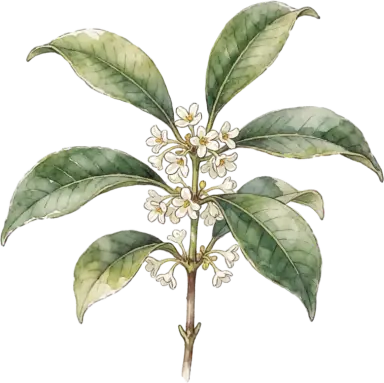
vines2
houseplants13
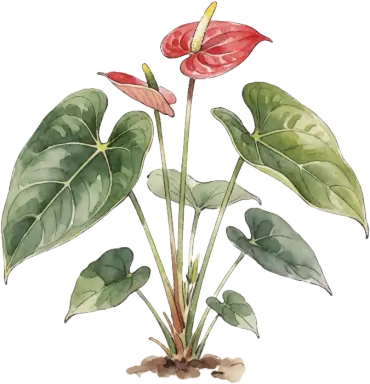 Anthurium (Flamingo Flower)Anthurium andraeanum
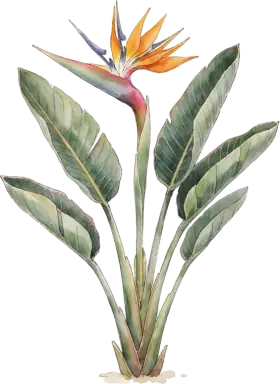 Bird of ParadiseStrelitzia reginae
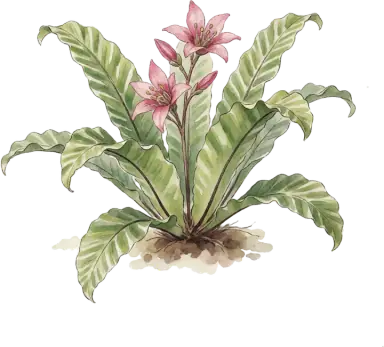 Bird's Nest FernAsplenium niduson frond undersides
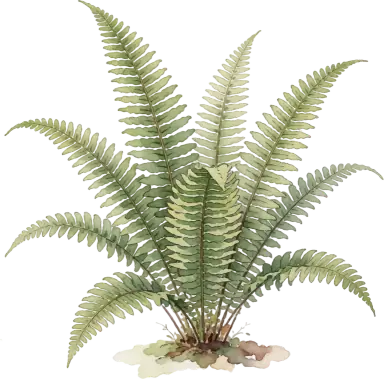 Boston FernNephrolepis exaltata
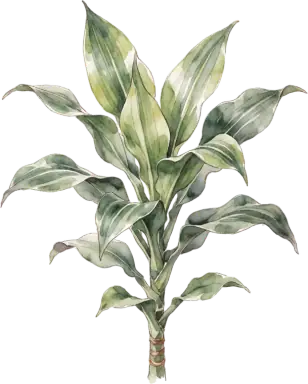 Corn PlantDracaena fragrans
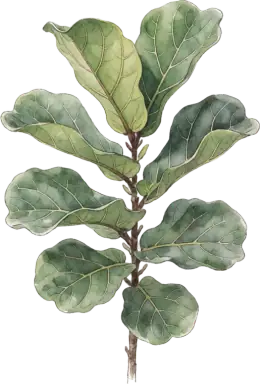 Fiddle-Leaf FigFicus lyrata
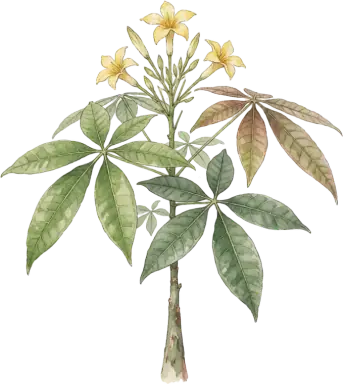 Money TreePachira aquatica
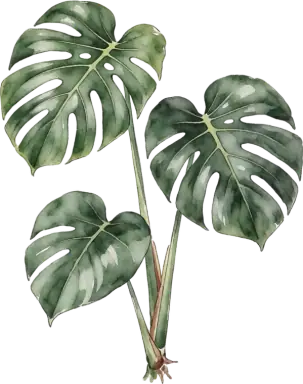 MonsteraMonstera deliciosa
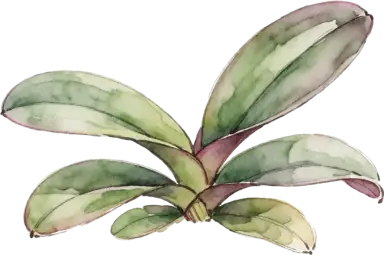 OrchidPhalaenopsis spp.
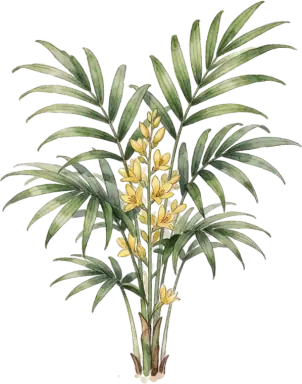 Parlor PalmChamaedorea elegans
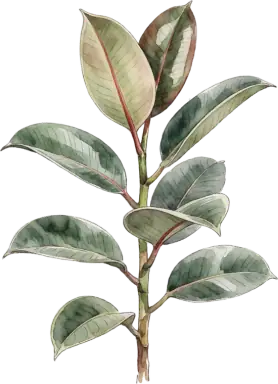 Rubber PlantFicus elastica
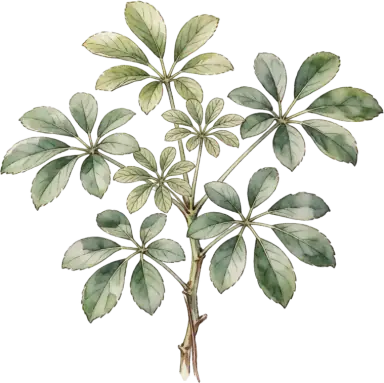 Schefflera (Umbrella Plant)Schefflera arboricola
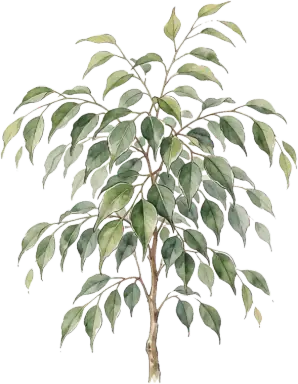 Weeping FigFicus benjamina
Plant families hit hardest
Related plants often share the same problems, so if one plant in a family has it, check the others. The largest group here is Rutaceae, with 7 of the 46 affected plants.
- Rutaceae7 plants
- Asparagaceae3 plants
- Magnoliaceae3 plants
- Moraceae3 plants
- Oleaceae3 plants
- Aquifoliaceae2 plants
- Araceae2 plants
- Cactaceae2 plants
When to treat
Easiest to kill as crawlers in early summer. Dormant oil in late winter handles the rest.
On specific plants
- Growing
- Dab scale with alcohol swabs; check leaf undersides monthly indoors.
- Growing
- Oil for scale; check monthly indoors.
- Dormant
- Dormant oil if scale builds.
- Dormant
- Dormant oil if bark scale arrives.
- Growing
- Oil for scale; certified stock in FL/CA/TX.
- Growing
- Horticultural oil for scale.
- Growing
- Oil for scale.
- Growing
- Oil for scale.
- Dormant
- Horticultural oil in late winter for scale.
- Growing
- Oil for scale; buy certified disease-free stock in citrus states.
- Growing
- Horticultural oil for scale if needed; improve drainage.
- Dormant
- Horticultural oil for magnolia scale.
- Growing
- Oil for scale.
- Growing
- Horticultural oil only if scale is heavy.
- Growing
- Oil for scale.
Timing only — the label is the law
This page tells you when to watch for scale and when treating is worth considering. It is not a recommendation to apply any particular product. Read and follow the product label before you spray — under federal law the label is the legal instruction, and using a pesticide against it is illegal.
- Check the pre-harvest interval. Every product that’s cleared for an edible crop sets a minimum number of days between spraying and picking. Find it on the label before you spray anything you intend to eat.
- Check the re-entry interval before you or anyone else works in the treated area again, and use the protective equipment the label names.
- Confirm the product is registered for your crop in your state. This page groups many different crops together, and a product legal on one of them is not legal on all of them — state registrations differ too. Your state pesticide agency or local extension office can confirm both.
- Rates and mixing instructions come from the label, never from us. We don’t publish them because they differ by product and formulation.
Other problems on the same plants
If a plant gets scale, these are the problems it most often gets as well, so they are worth checking for while you are out there. They tend to appear together; one does not cause another.