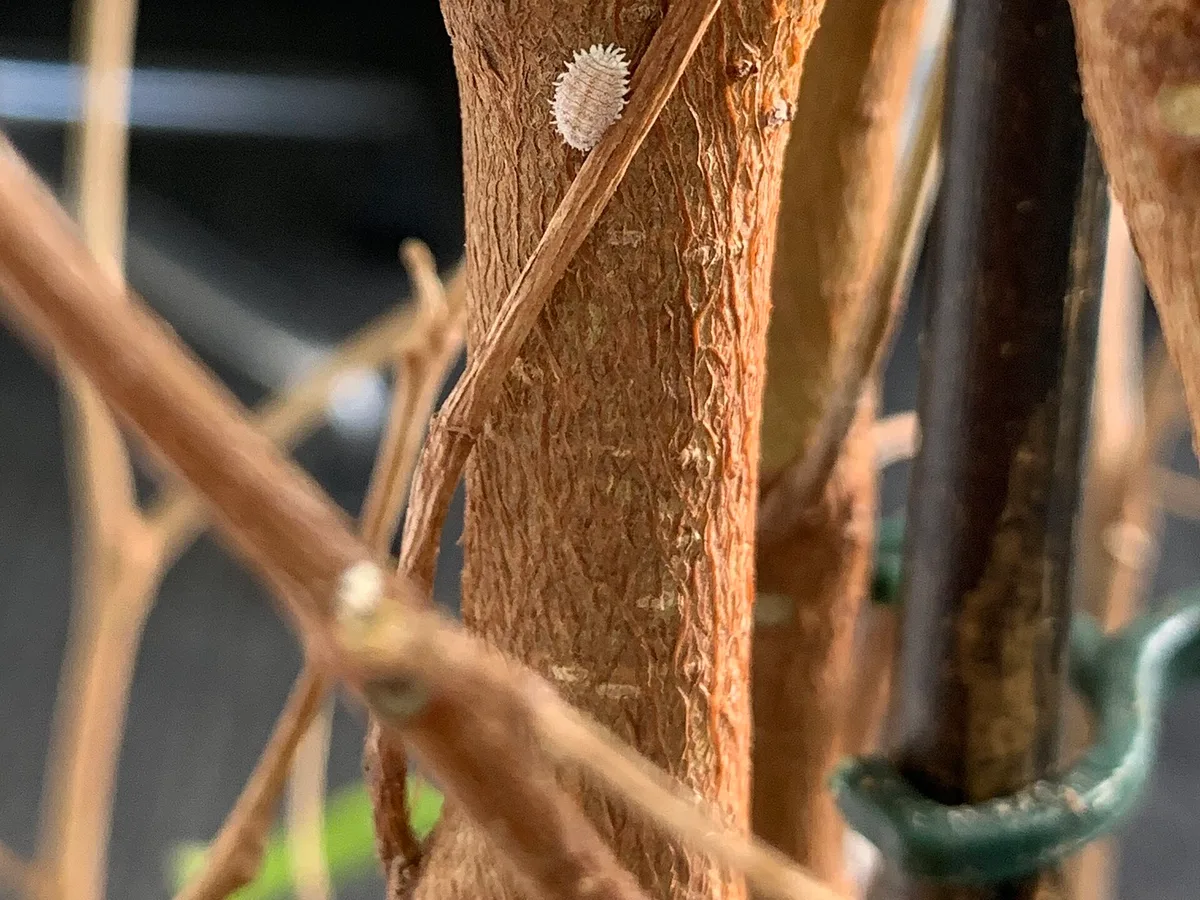
Mealybugs
White, cottony tufts tucked into leaf joints and along stems, hiding slow oval insects under the fluff. Growth stalls, leaves yellow, and honeydew makes everything sticky — a houseplant and citrus regular.
Pest checklist
Four things to look for. If most of them match what you are holding, you are in the right place.
What gets rid of them
Gentlest option first. For most backyard cases the first one is enough, so try these in order and stop as soon as it works. If you do spray something, the product label tells you how — please read the notice further down.
1Touch each tuft with rubbing alcohol
A cotton swab dipped in 70% isopropyl dissolves the wax and kills the insect under it; thorough and cheap on houseplants.
isopropyl alcohol 70 percentTry this first2Insecticidal soap
For infestations past swab scale; repeat applications reach the crawlers as they hatch.
insecticidal soap spray3Prune out the worst clusters
A stem packed solid with cottony masses is faster to remove than to treat.
As an Amazon Associate, Story Thyme Farms earns from qualifying purchases, at no cost to you. It never changes what we recommend.
Which plants get mealybugs
Every plant we cover that gets mealybugs, grouped by type — tap any one to open its page. A note beside a plant came from that plant’s own entry, because the same pest can be a minor nuisance on one plant and a serious problem on another. Plenty of plants we do not cover get it too.
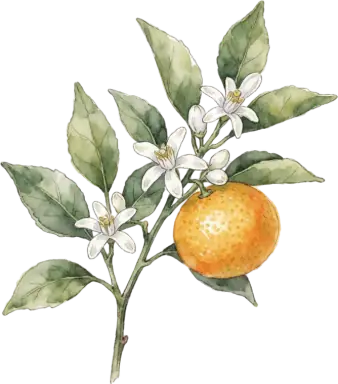
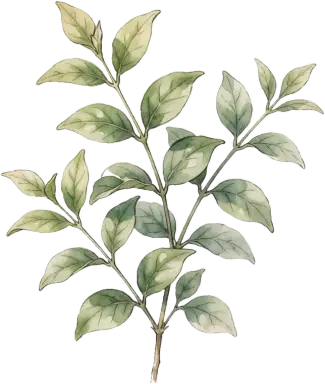


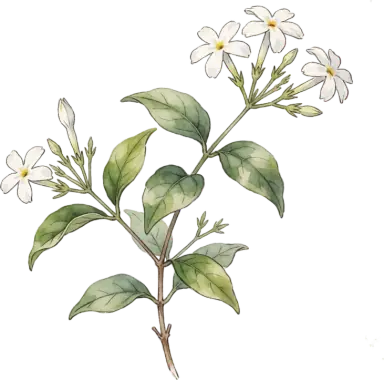
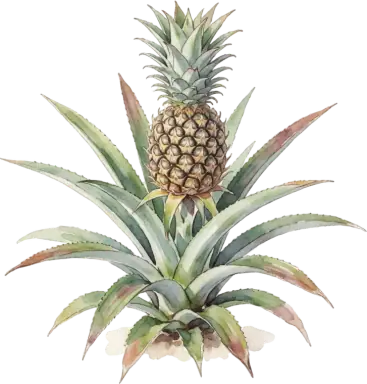
perennial1
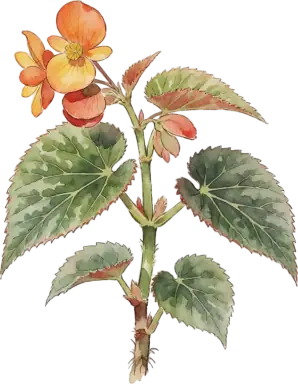
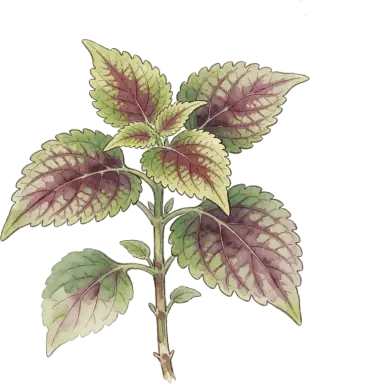
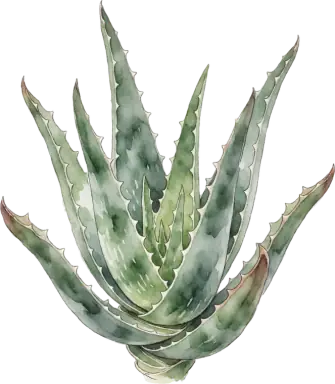
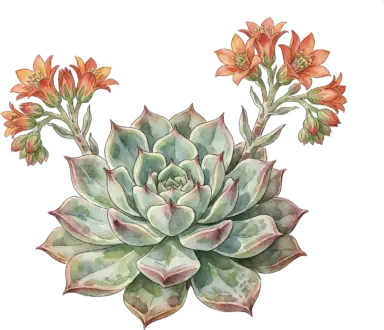
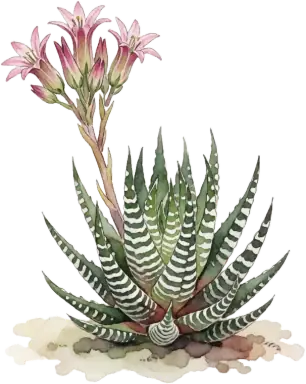
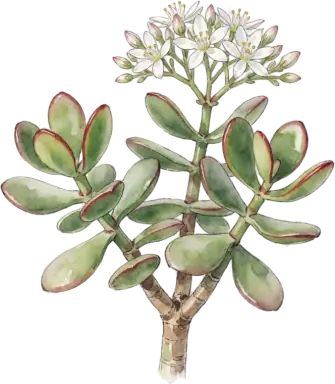
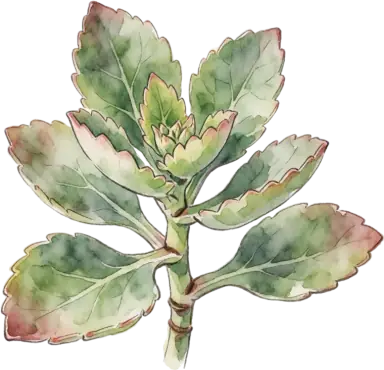
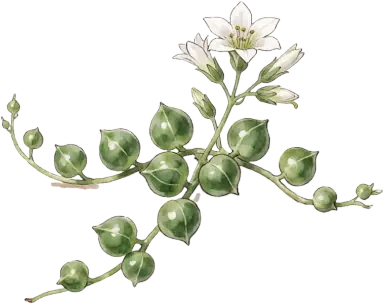
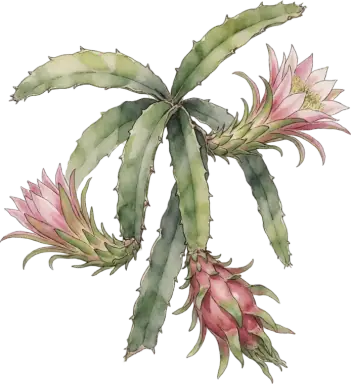
succulents6
houseplants21
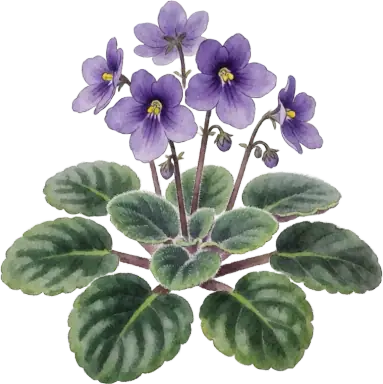 African VioletStreptocarpus ionanthus
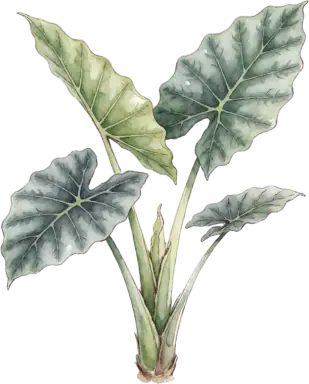 Alocasia (Elephant Ear)Alocasia × amazonica
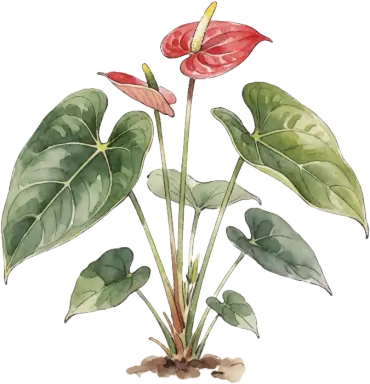 Anthurium (Flamingo Flower)Anthurium andraeanum
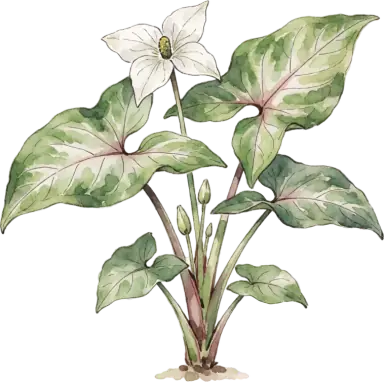 Arrowhead PlantSyngonium podophyllum
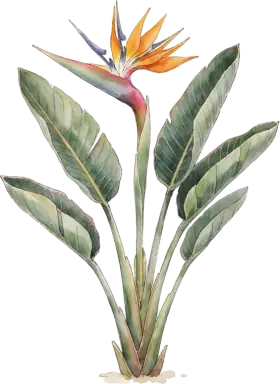 Bird of ParadiseStrelitzia reginae
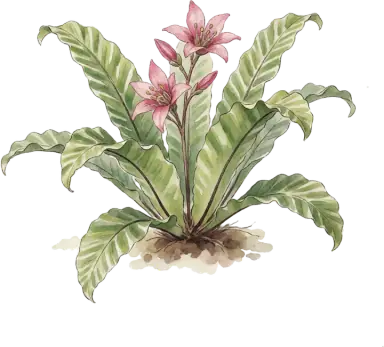 Bird's Nest FernAsplenium nidus
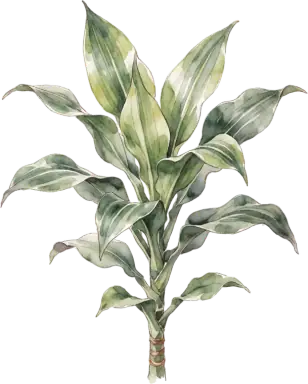 Corn PlantDracaena fragrans
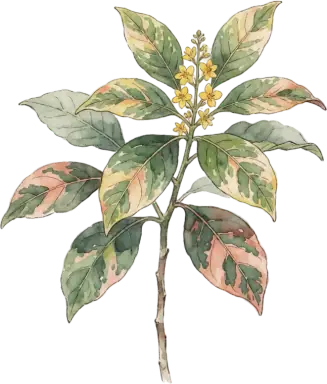 CrotonCodiaeum variegatum
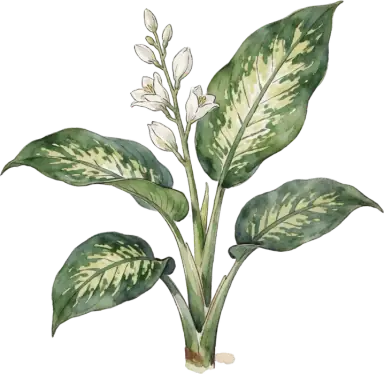 Dieffenbachia (Dumb Cane)Dieffenbachia seguine
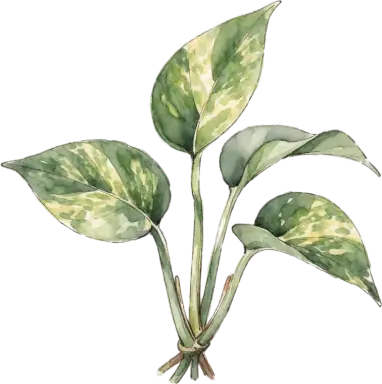 Golden PothosEpipremnum aureumrare
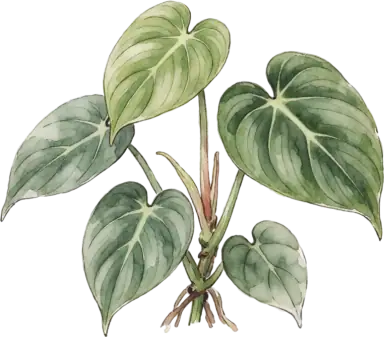 Heartleaf PhilodendronPhilodendron hederaceum
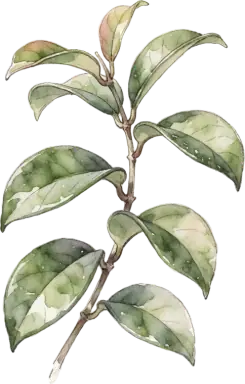 Hoya (Wax Plant)Hoya carnosa
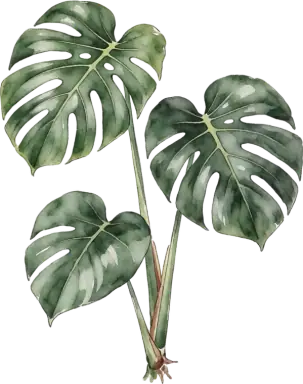 MonsteraMonstera deliciosa
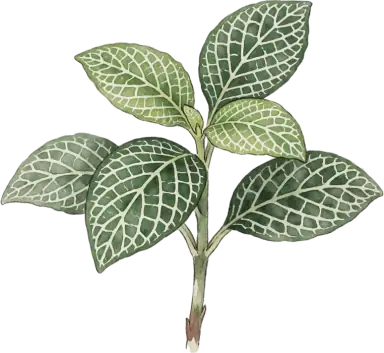 Nerve Plant (Fittonia)Fittonia albivenis
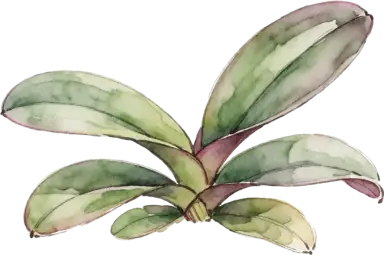 OrchidPhalaenopsis spp.
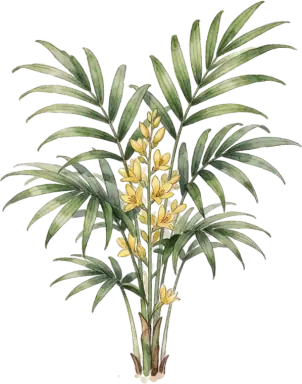 Parlor PalmChamaedorea elegans
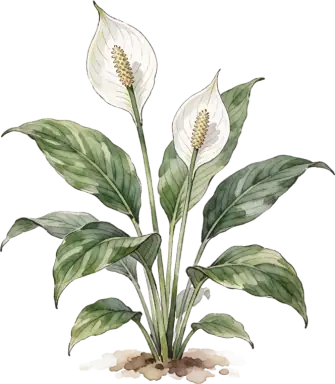 Peace LilySpathiphyllum wallisiirare
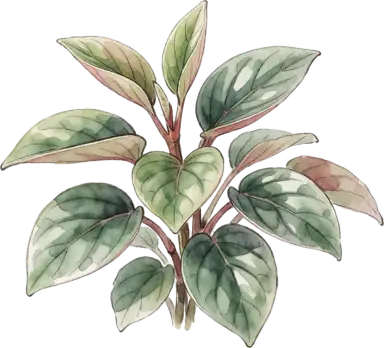 PeperomiaPeperomia spp.
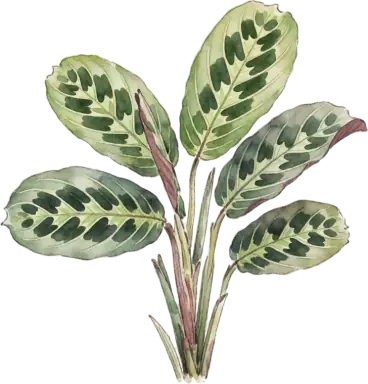 Prayer PlantMaranta leuconeura
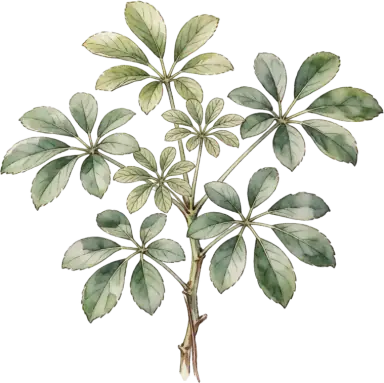 Schefflera (Umbrella Plant)Schefflera arboricola
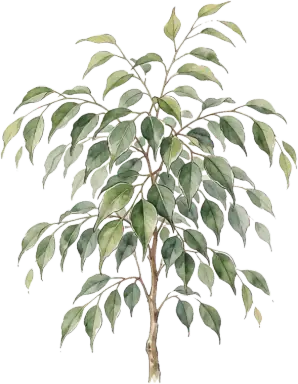 Weeping FigFicus benjamina
Plant families hit hardest
Related plants often share the same problems, so if one plant in a family has it, check the others. The largest group here is Araceae, with 8 of the 36 affected plants.
- Araceae8 plants
- Apocynaceae3 plants
- Crassulaceae3 plants
- Asphodelaceae2 plants
When to treat
Treat as soon as you see them, then check weekly until they stop coming back.
Timing only — the label is the law
This page tells you when to watch for mealybugs and when treating is worth considering. It is not a recommendation to apply any particular product. Read and follow the product label before you spray — under federal law the label is the legal instruction, and using a pesticide against it is illegal.
- Check the pre-harvest interval. Every product that’s cleared for an edible crop sets a minimum number of days between spraying and picking. Find it on the label before you spray anything you intend to eat.
- Check the re-entry interval before you or anyone else works in the treated area again, and use the protective equipment the label names.
- Confirm the product is registered for your crop in your state. This page groups many different crops together, and a product legal on one of them is not legal on all of them — state registrations differ too. Your state pesticide agency or local extension office can confirm both.
- Rates and mixing instructions come from the label, never from us. We don’t publish them because they differ by product and formulation.
Other problems on the same plants
If a plant gets mealybugs, these are the problems it most often gets as well, so they are worth checking for while you are out there. They tend to appear together; one does not cause another.