African Violet
Streptocarpus ionanthus
Family Gesneriaceae
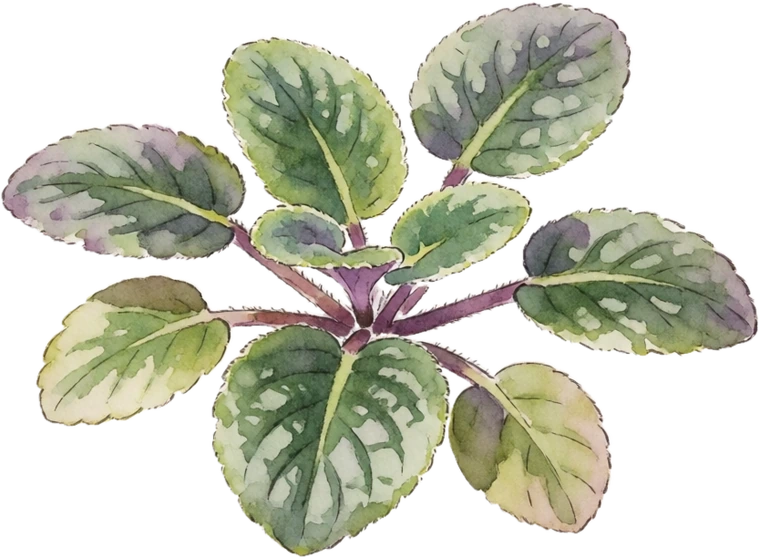
African violets bloom in every season — the reigning champion of continuous indoor flower production, in velvet purples, pinks, and whites that fit a six-inch sill. Your grandmother kept one going for decades; the reasons haven't changed.
Content under a bright window or a simple LED light, safe around pets, and small enough to collect by the shelf-full. A single leaf can become a whole new plant in about two months. Windowsill flowers, all year — start with one.
 Bright indirect
 Moderate water
 Moderate growth
 None winter chill
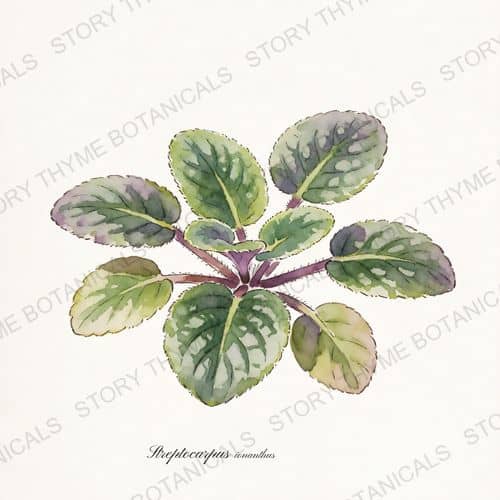
From the print shop
Growing african violet? Hang it.
Our Plant Library collection carries african violet — Streptocarpus ionanthus, print Nº 3, “African Violet.”
526 designsfrom $12.99white or black backgroundmatte poster, unframed
Will it thrive where you are?
Enter your ZIP — we look up your USDA hardiness zone (2023 map) and check it against what african violet actually needs.
 Hardy inZones 10-12
African Violet · Common problems
Common african violet problems

Pests
5 problems on file

Diseases
2 problems on file
African Violet · Growing & propagation
Growing african violet
- Light
- Bright indirect
Blooms under simple LED lights too
- Water
- Keep evenly moist with room-temp water
Wet leaves spot
 Soil
Soil- African violet mix · pH 5.8 - 6.2
 Fertilizer
- Every 2 weeks with violet feed
 Pruning
- As needed
Remove spent blooms and outer tired leaves; one crown per pot blooms best.
 Spacing
- One per pot
How to plant & propagate african violet
- Propagate
- Stem/leaf cuttings, division, or pups
African Violet · Seasonal care & spray guidance
The african violet growing playbook
When to spray african violet
Growing season. Bottom-water or wick-water to keep leaves dry.
African Violet · Calculators & field guides
A little help in the garden.
African Violet · Yearly calendar
The african violet year, month by month
Jan
BloomJanuary to December
 Bloom
BloomBloomJanuary to December
What each band means
- Bloom — flowers open — pollinators working, frost on blossoms is the danger.
These are the species' typical months — expect them a few weeks earlier in warm zones and later in cold ones. Watch the plant, not just the calendar.
African Violet · Ecology & uses
Ecology & uses
Streptocarpus ionanthus
African Violet in the garden system
- Moisture
- Facultative / average
 Deer
Deer- Browsed
Protect young plants
 Origin
- Introduced
What african violet is grown for
✓ Not known to be toxicSafe for pets
 Use
Use- Windowsill color
- Use
- Grandma tradition continued
Edibility, identification, and traditional-use notes here are general reference — not medical or veterinary advice, and not a claim that any plant treats or prevents anything. Medicinal ratings record how strongly a plant features in herbal tradition, nothing more. Never eat or dose a plant you have not positively identified. More on how to use this library.
African Violet · Varieties & cultivars
Choosing a african violet variety
Hundreds — ruffled, trailing, miniature
Sources & plant identity
Know what you’re growing.
See where the knowledge comes from.
African Violet
Streptocarpus ionanthus
The plant, at a glance.
- Botanical name
- Streptocarpus ionanthus
- Plant family
- Gesneriaceae
- Growth habit
- Houseplant · Perennial
- Origin
- Introduced
- USDA plant symbol
- SAINT
- Invasive risk
- Low
Hardiness, size and timing vary with your cultivar, soil and climate.
Rooted in research.
University extension research, brought together with hands-on growing experience at Story Thyme Farms.
for African Violet
Research from these sources




Publisher marks identify sources, not sponsorship or endorsement.
Where to buy
Third-party nurseries — not Story Thyme Farms.
Third-party nurseries, not Story Thyme Farms. Prices are theirs.
Story Thyme Farms may earn a small commission from these links, at no cost to you — it never changes what we recommend. As an Amazon Associate I earn from qualifying purchases.
Questions
African Violet questions, answered straight.
Is african violet safe for kids and pets?
African Violet is commonly eaten and isn't considered toxic, but "commonly eaten" isn't a guarantee for any particular person or animal — allergies, quantity, and which part you eat all matter. One caveat on this one: Safe for pets. Never eat a plant you haven't positively identified, and check with a vet before letting pets or livestock graze anything new.
How do you propagate african violet?
Stem/leaf cuttings, division, or pups.
Elsewhere
Where african violet sits in the library.
 Monstera
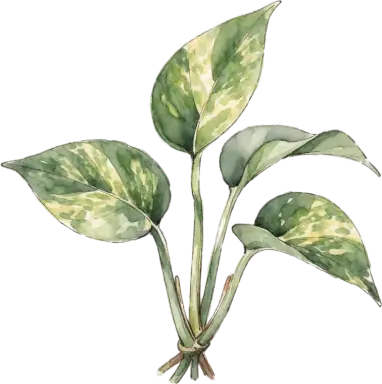 Golden Pothos
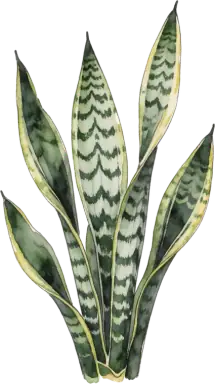 Snake Plant
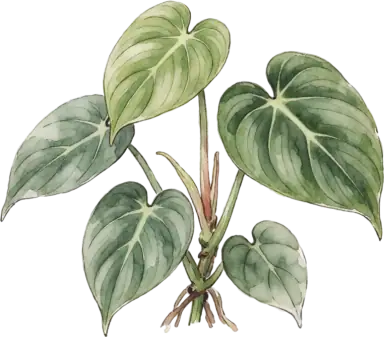 Heartleaf Philodendron