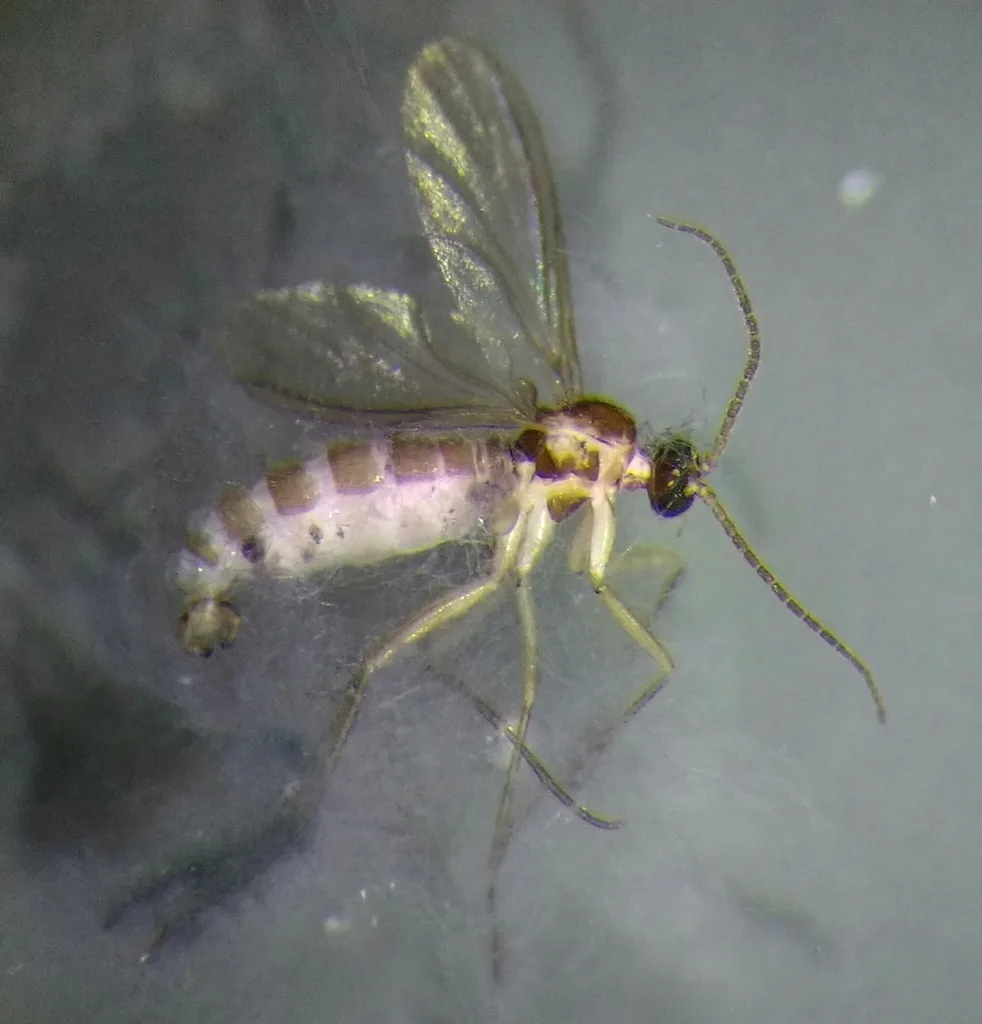
Fungus Gnats
Small dark flies like tiny mosquitoes that run across the soil surface and drift up when you water. The larvae live in the top inch of wet potting mix, where they eat fungus and fine roots.
Pest checklist
Four things to look for. If most of them match what you are holding, you are in the right place.
What gets rid of them
Gentlest option first. For most backyard cases the first one is enough, so try these in order and stop as soon as it works. If you do spray something, the product label tells you how — please read the notice further down.
1Let the top dry out
Water only when the top one to two inches of mix is dry to the finger. This alone clears most infestations.
Try this first2Yellow sticky cards
Stand a yellow sticky card in the pot to catch adults and to tell you whether numbers are going up or down.
yellow sticky traps houseplant fungus gnats3Bti soil drench
Products containing Bacillus thuringiensis israelensis kill the larvae in the mix. Repeat on the label's schedule, because more adults keep hatching.
mosquito bits bti fungus gnats4Repot a bad one
Wash the roots clean, throw the old mix out, and repot into fresh bagged mix in a washed pot.
indoor potting mix5Empty the saucers
Standing water under the pot keeps the mix soaked no matter how carefully you water.
As an Amazon Associate, Story Thyme Farms earns from qualifying purchases, at no cost to you. It never changes what we recommend.
Which plants get fungus gnats
Every plant we cover that gets fungus gnats, grouped by type — tap any one to open its page. A note beside a plant came from that plant’s own entry, because the same pest can be a minor nuisance on one plant and a serious problem on another. Plenty of plants we do not cover get it too.
houseplants17
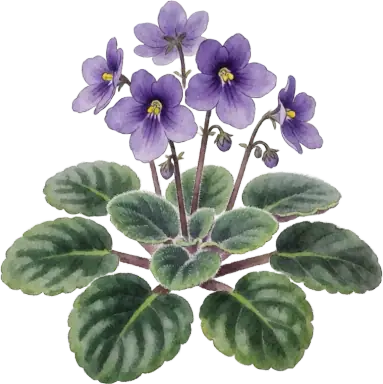 African VioletStreptocarpus ionanthus
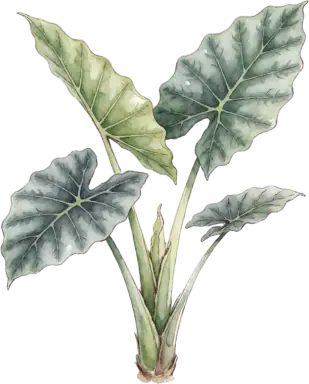 Alocasia (Elephant Ear)Alocasia × amazonica
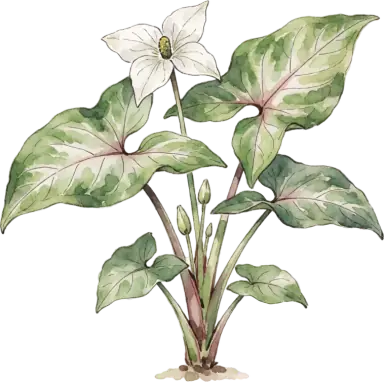 Arrowhead PlantSyngonium podophyllum
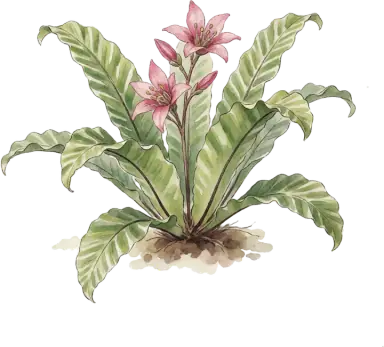 Bird's Nest FernAsplenium nidus
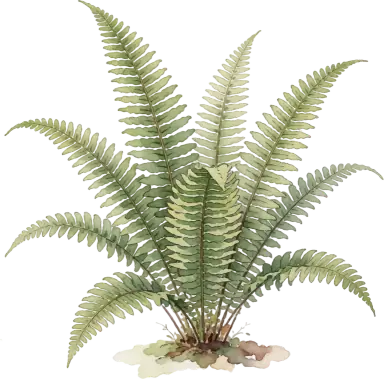 Boston FernNephrolepis exaltata
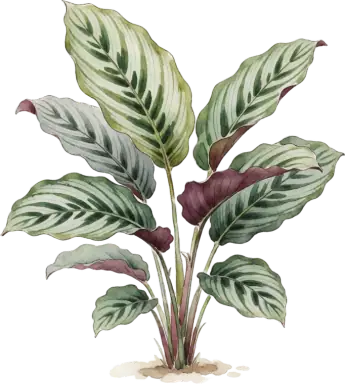 Calathea (Prayer Plant family)Goeppertia spp.
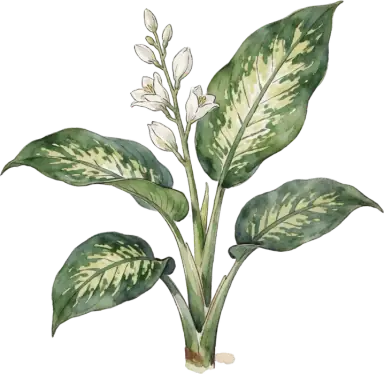 Dieffenbachia (Dumb Cane)Dieffenbachia seguine
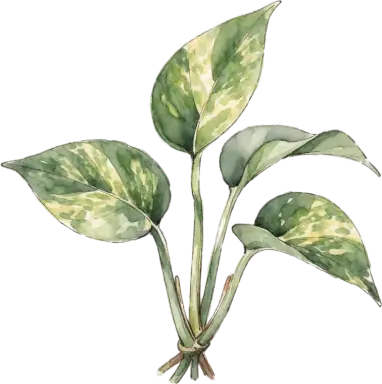 Golden PothosEpipremnum aureum
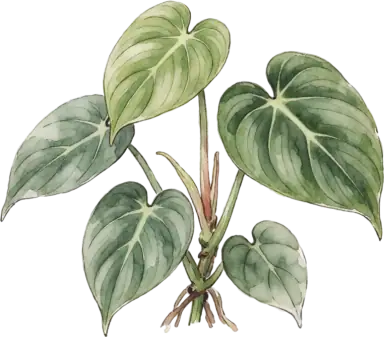 Heartleaf PhilodendronPhilodendron hederaceum
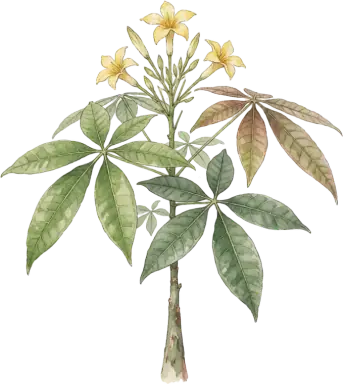 Money TreePachira aquatica
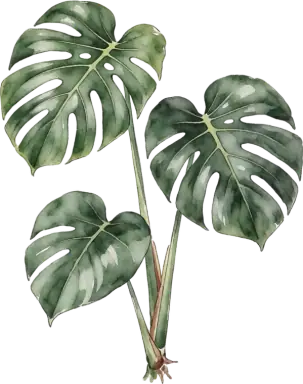 MonsteraMonstera deliciosa
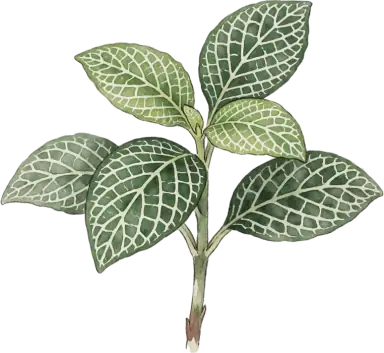 Nerve Plant (Fittonia)Fittonia albivenis
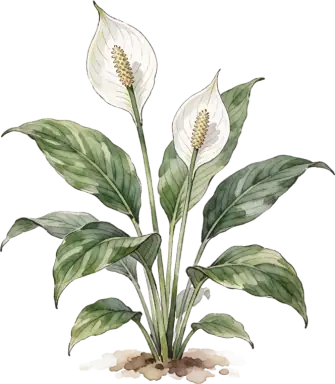 Peace LilySpathiphyllum wallisii
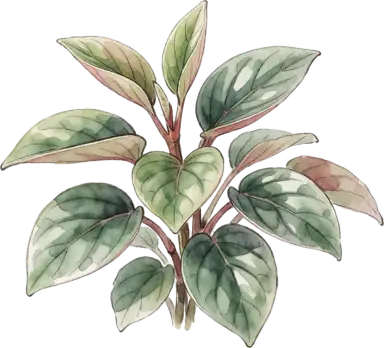 PeperomiaPeperomia spp.
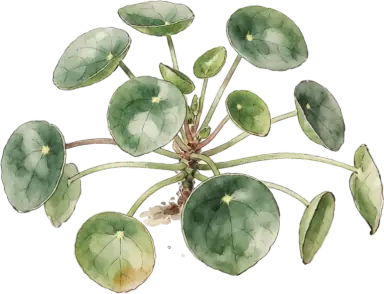 Pilea (Chinese Money Plant)Pilea peperomioides
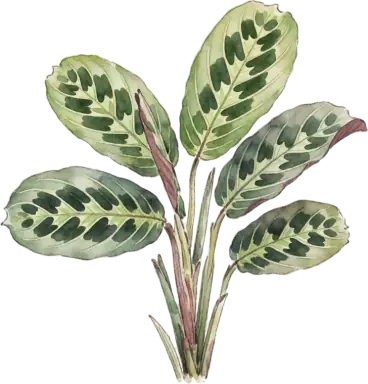 Prayer PlantMaranta leuconeura
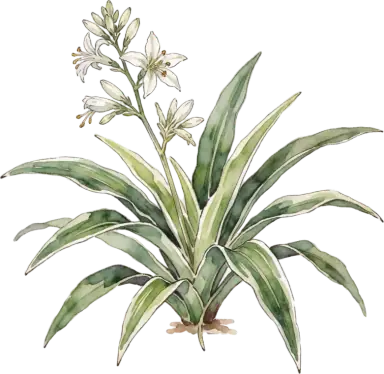 Spider PlantChlorophytum comosum
Plant families hit hardest
Related plants often share the same problems, so if one plant in a family has it, check the others. The largest group here is Araceae, with 7 of the 17 affected plants.
- Araceae7 plants
- Marantaceae2 plants
When to treat
You can act any time you see adults, but the real answer is the watering can. Larvae only survive in mix that stays wet, so a pot whose surface dries out between waterings ends the problem by itself.
Timing only — the label is the law
This page tells you when to watch for fungus gnats and when treating is worth considering. It is not a recommendation to apply any particular product. Read and follow the product label before you spray — under federal law the label is the legal instruction, and using a pesticide against it is illegal.
- Check the pre-harvest interval. Every product that’s cleared for an edible crop sets a minimum number of days between spraying and picking. Find it on the label before you spray anything you intend to eat.
- Check the re-entry interval before you or anyone else works in the treated area again, and use the protective equipment the label names.
- Confirm the product is registered for your crop in your state. This page groups many different crops together, and a product legal on one of them is not legal on all of them — state registrations differ too. Your state pesticide agency or local extension office can confirm both.
- Rates and mixing instructions come from the label, never from us. We don’t publish them because they differ by product and formulation.
Other problems on the same plants
If a plant gets fungus gnats, these are the problems it most often gets as well, so they are worth checking for while you are out there. They tend to appear together; one does not cause another.