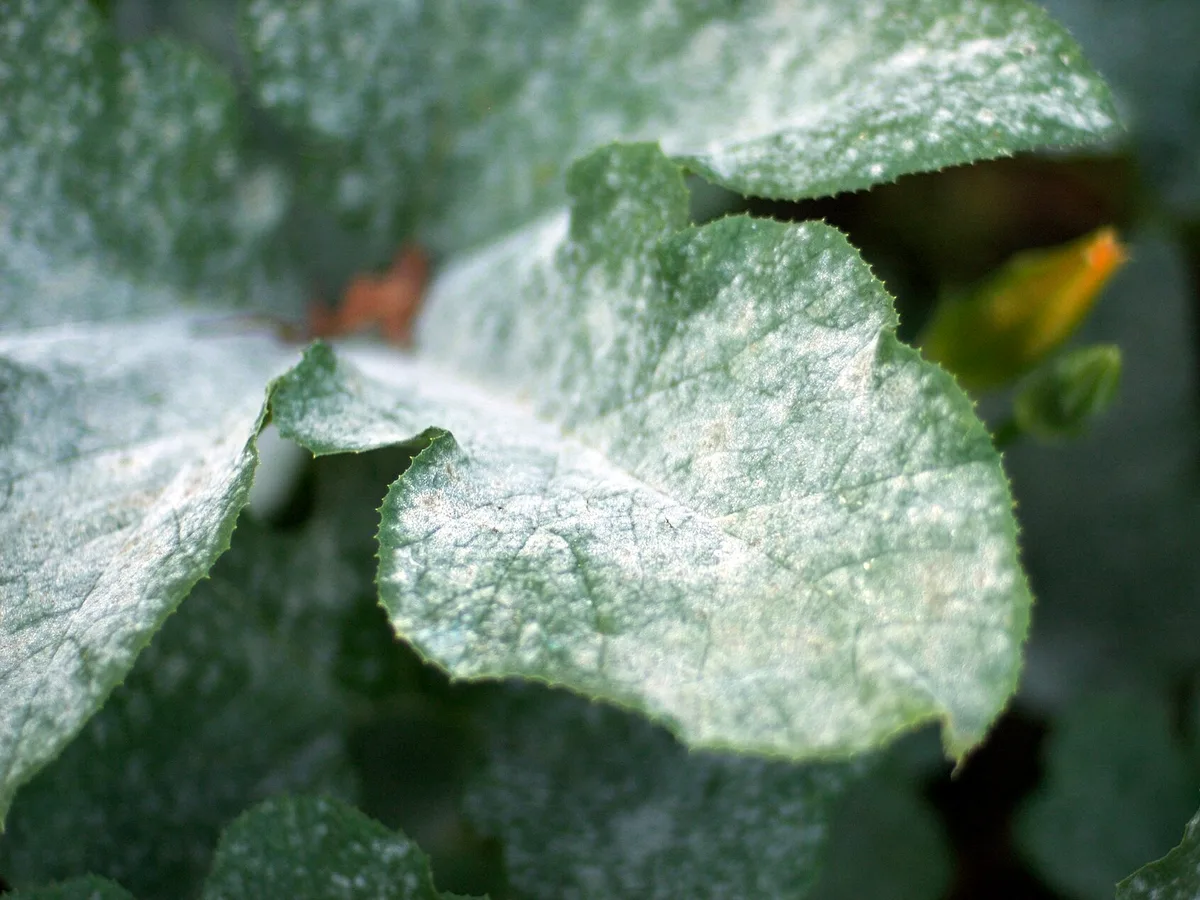
Powdery Mildew
A white, flour-like coating that wipes off with a finger, starting in patches on the oldest leaves and spreading until the plant looks dusted. Unlike most fungi it thrives in DRY weather with cool nights — squash, cucumbers, bee balm, and lilacs are regulars.
Disease checklist
Four things to look for. If most of them match what you are holding, you are in the right place.
What gets rid of it
Gentlest option first. For most backyard cases the first one is enough, so try these in order and stop as soon as it works. If you do spray something, the product label tells you how — please read the notice further down.
1Open up the airflow
Thin crowded stems and give plants their full spacing; stagnant humid air around leaves is what lets spores take.
Try this first2Potassium bicarbonate spray
Changes the leaf surface pH; knocks back active mildew rather than just preventing it.
potassium bicarbonate fungicide3Horticultural oil or neem
Both suppress spread on the label's schedule when caught early.
neem oil concentrate plants4Plant resistant varieties next year
Squash and cucumber breeding has largely solved this; look for PM-resistance codes in catalogs.
As an Amazon Associate, Story Thyme Farms earns from qualifying purchases, at no cost to you. It never changes what we recommend.
Which plants get powdery mildew
Every plant we cover that gets powdery mildew, grouped by type — tap any one to open its page. A note beside a plant came from that plant’s own entry, because the same disease can be a minor nuisance on one plant and a serious problem on another. Plenty of plants we do not cover get it too.
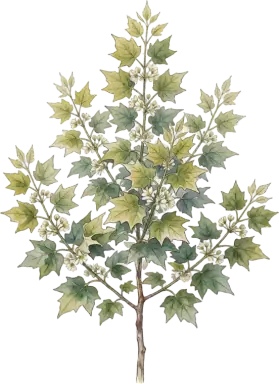
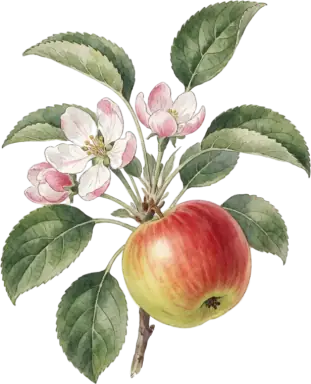
trees6
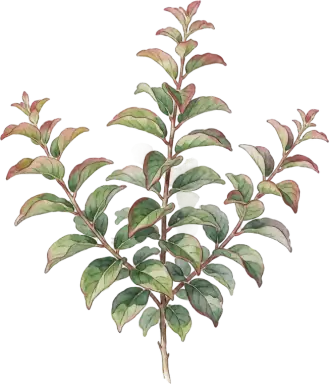
shrubs9
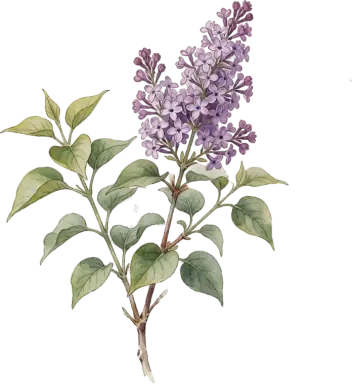 Common LilacSyringa vulgarisuniversal by August, harmless
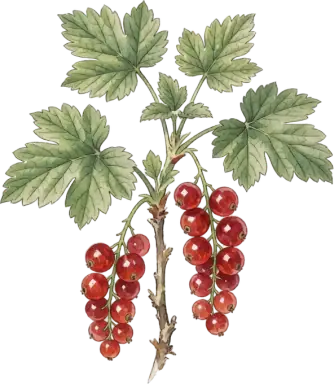 CurrantRibes spp.
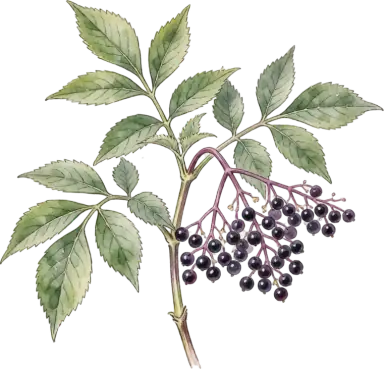 ElderberrySambucus canadensis
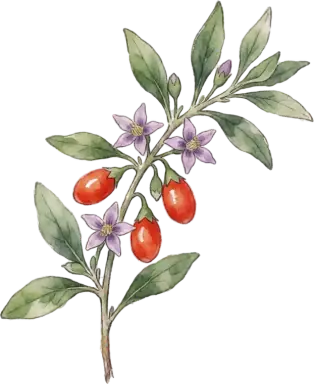 Goji BerryLycium barbarum
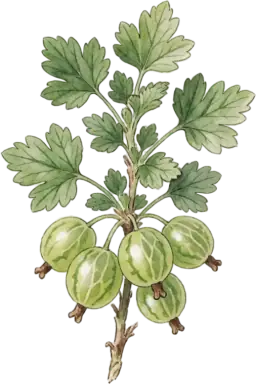 GooseberryRibes uva-crispa
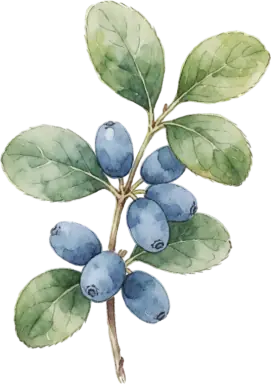 HoneyberryLonicera caerulea
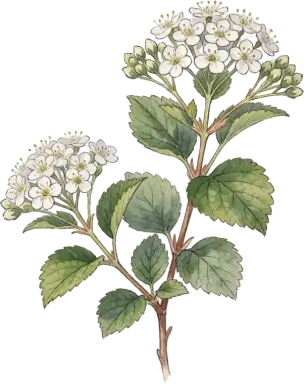 NinebarkPhysocarpus opulifoliuson some purple cultivars
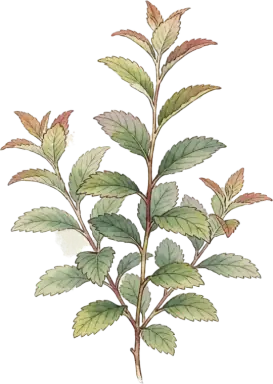 SpireaSpiraea japonica / × vanhouttei
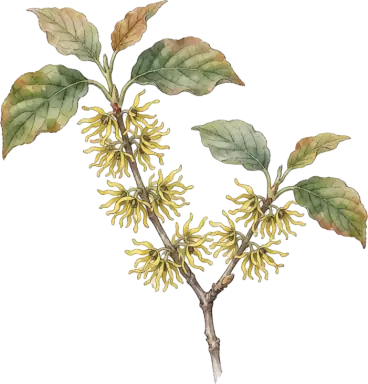 Witch HazelHamamelis virginianacosmetic
vines3
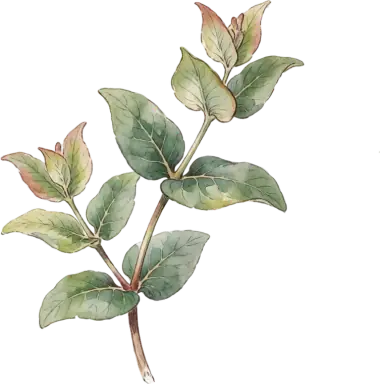
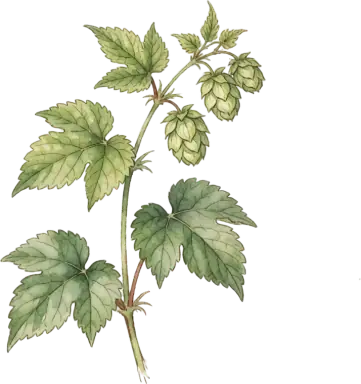
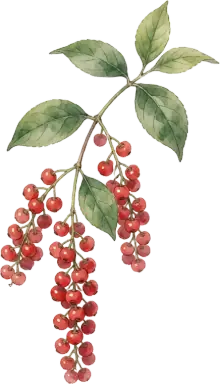
perennials24
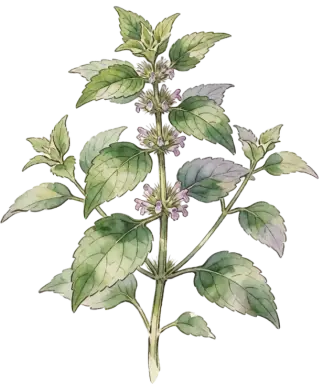 Anise HyssopAgastache foeniculum
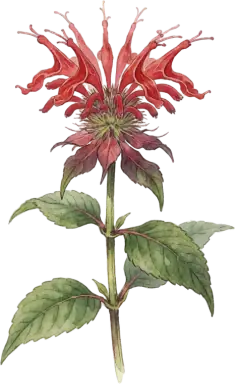 Bee BalmMonarda didymathe one flaw
 Black-eyed SusanRudbeckia fulgida
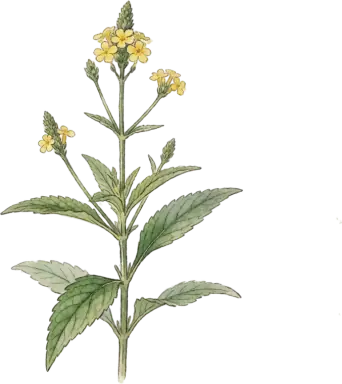 Blue VervainVerbena hastataminor
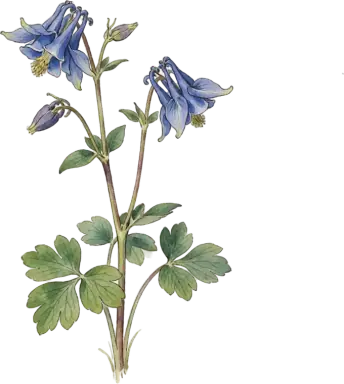 ColumbineAquilegia canadensis
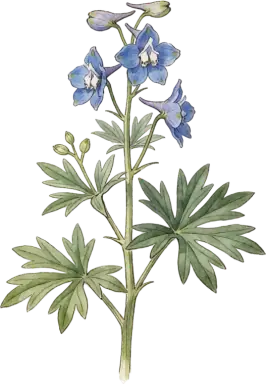 DelphiniumDelphinium elatum
 Garden MumChrysanthemum × morifolium
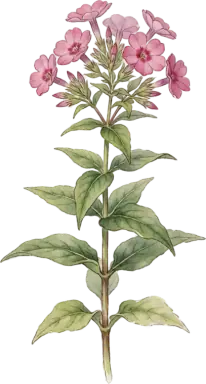 Garden PhloxPhlox paniculatathe phlox tax
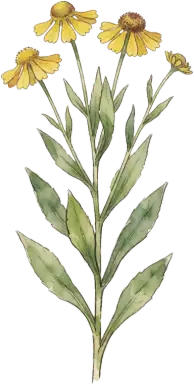 Helen's Flower (Sneezeweed)Helenium autumnaleminor
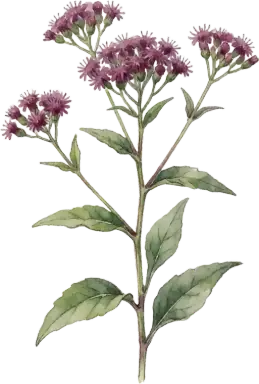 IronweedVernonia noveboracensisminor
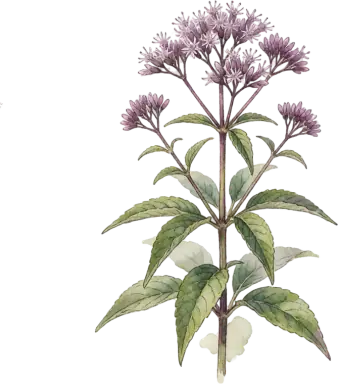 Joe Pye WeedEutrochium purpureumcosmetic
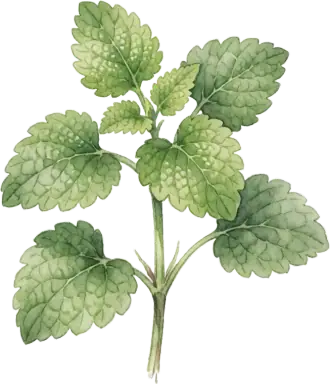 Lemon BalmMelissa officinaliscrowded plants
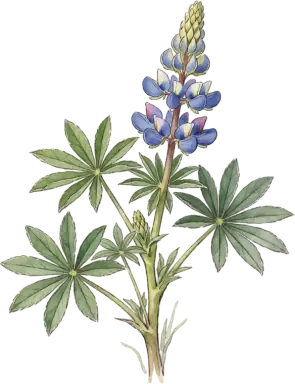 LupineLupinus 'Russell Hybrids'
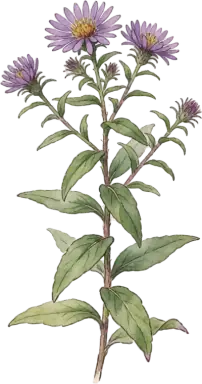 New England AsterSymphyotrichum novae-angliaemildew-resistant cultivars help
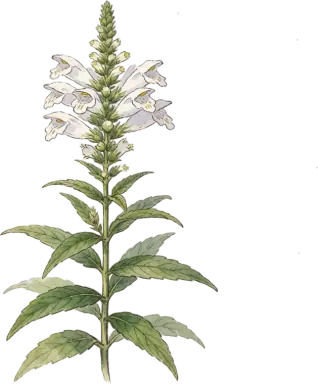 Obedient PlantPhysostegia virginianaminor
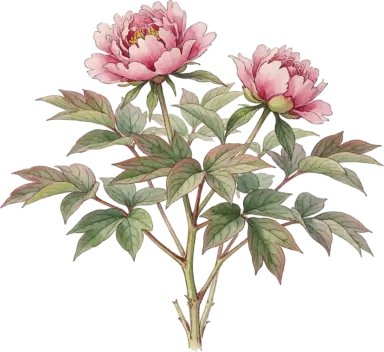 PeonyPaeonia lactiflora
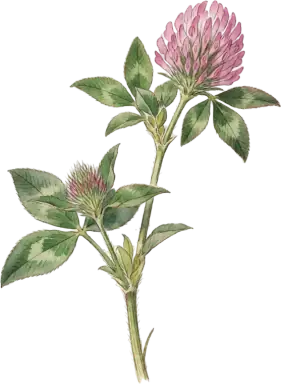 Red CloverTrifolium pratense
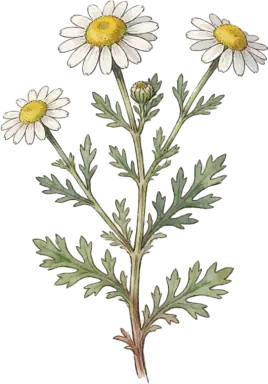 Roman ChamomileChamaemelum nobile
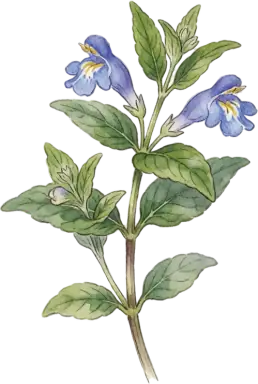 SkullcapScutellaria laterifloraminor
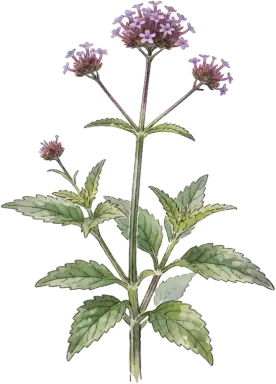 Tall VerbenaVerbena bonariensisminor
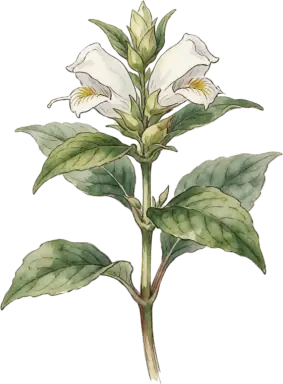 TurtleheadChelone glabrain dry soil
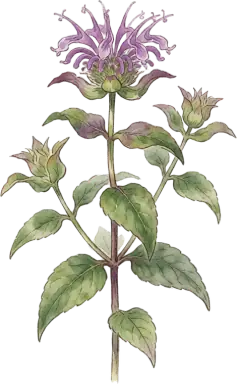 Wild BergamotMonarda fistulosafar less than red bee balm; thin stems to prevent
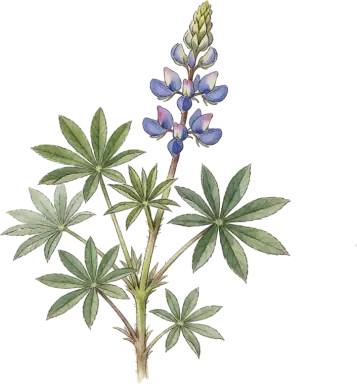 Wild LupineLupinus perennis
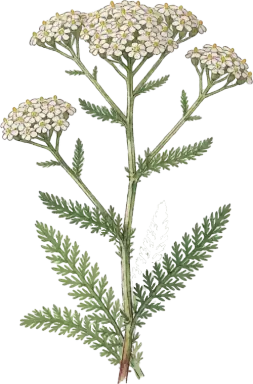 YarrowAchillea millefolium
annuals12
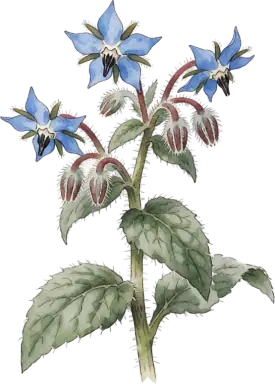 BorageBorago officinalislate
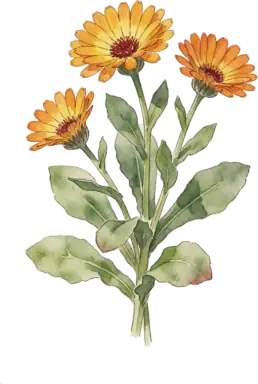 CalendulaCalendula officinalislate
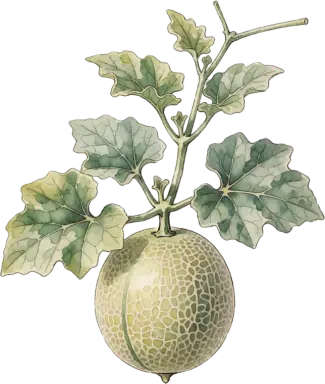 CantaloupeCucumis melo
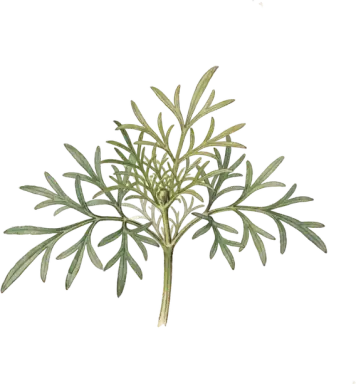 CosmosCosmos bipinnatuslate
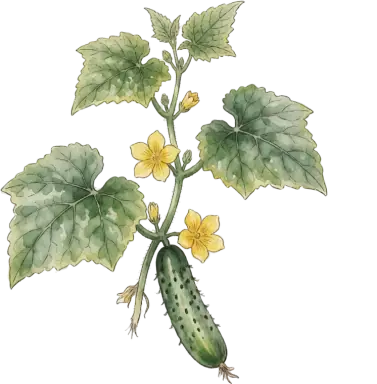 CucumberCucumis sativus
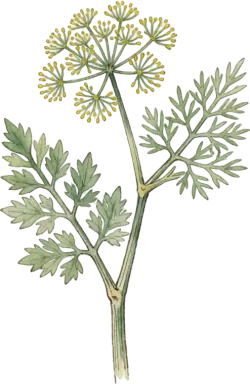 DillAnethum graveolenslate
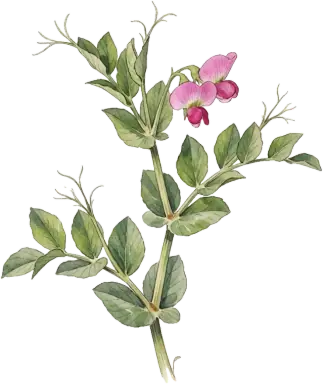 Field Pea (Austrian Winter Pea)Pisum sativum subsp. arvenselate
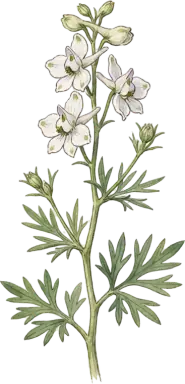 LarkspurConsolida ajacislate
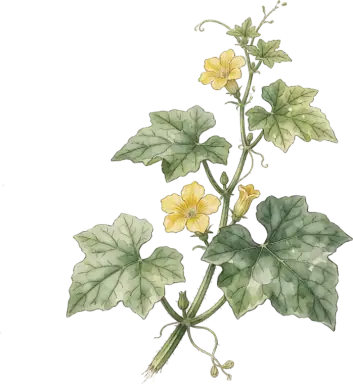 Luffa GourdLuffa aegyptiaca
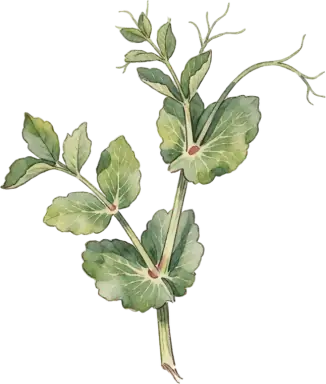 PeaPisum sativum
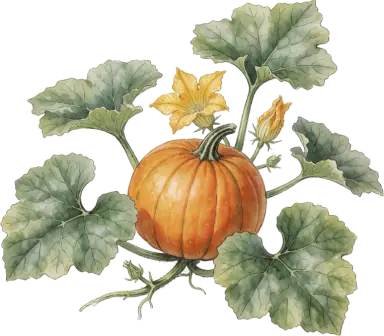 PumpkinCucurbita pepo / maximauniversal by September
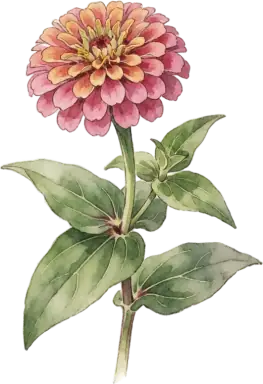 ZinniaZinnia eleganslate season
bulbs3
succulent1
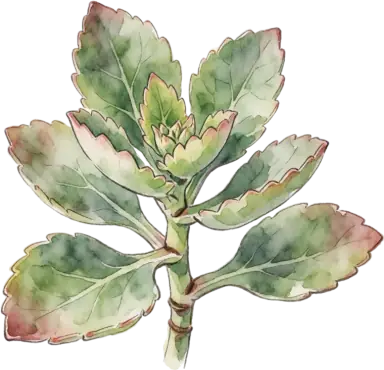
houseplant1
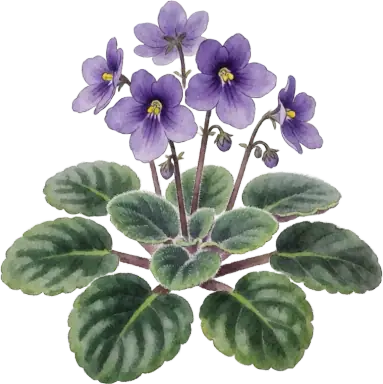
Plant families hit hardest
Related plants often share the same problems, so if one plant in a family has it, check the others. The largest group here is Asteraceae, with 12 of the 59 affected plants.
- Asteraceae12 plants
- Lamiaceae6 plants
- Fabaceae5 plants
- Ranunculaceae5 plants
- Cucurbitaceae4 plants
- Rosaceae3 plants
- Caprifoliaceae2 plants
- Grossulariaceae2 plants
When to treat
Treat it when you see it. There is no season to wait for.
Timing only — the label is the law
This page tells you when to watch for powdery mildew and when treating is worth considering. It is not a recommendation to apply any particular product. Read and follow the product label before you spray — under federal law the label is the legal instruction, and using a pesticide against it is illegal.
- Check the pre-harvest interval. Every product that’s cleared for an edible crop sets a minimum number of days between spraying and picking. Find it on the label before you spray anything you intend to eat.
- Check the re-entry interval before you or anyone else works in the treated area again, and use the protective equipment the label names.
- Confirm the product is registered for your crop in your state. This page groups many different crops together, and a product legal on one of them is not legal on all of them — state registrations differ too. Your state pesticide agency or local extension office can confirm both.
- Rates and mixing instructions come from the label, never from us. We don’t publish them because they differ by product and formulation.
Other problems on the same plants
If a plant gets powdery mildew, these are the problems it most often gets as well, so they are worth checking for while you are out there. They tend to appear together; one does not cause another.