The illustrated growing guide

Lemon Balm

Melissa officinalis

Family Lamiaceae

Est. zones 4-9

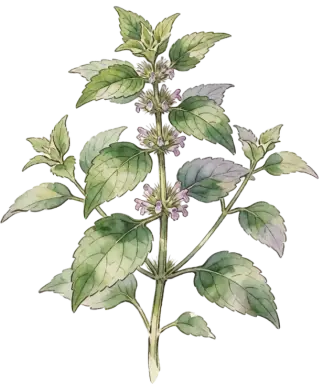
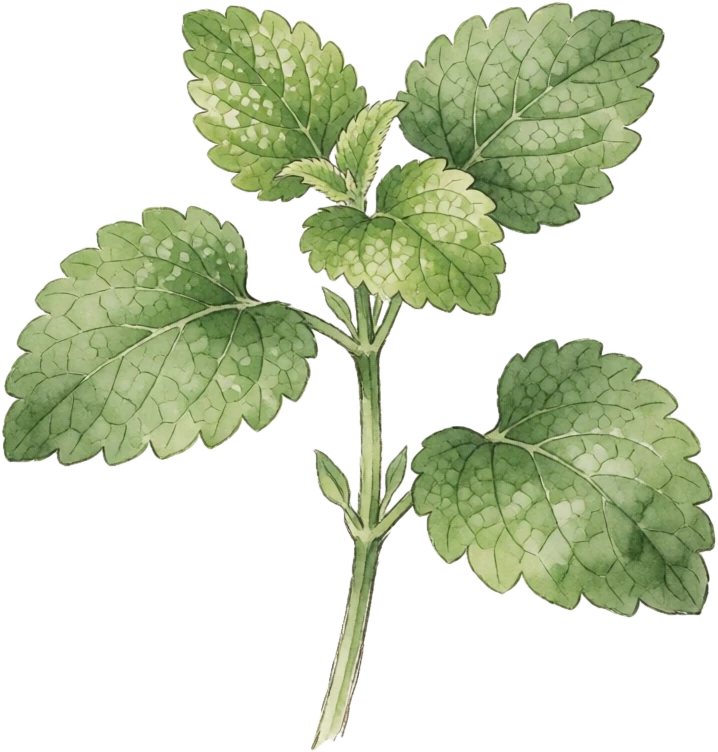
Botanical illustration of Lemon Balm
Perennial · Melissa officinalis

Mint's polite cousin — spreads by SEED not runners, so deadhead and it behaves. Calming tea, bee-magnet, mosquito-rubbing leaf. Nearly effort-free.

PerennialFull Sun to Part ShadeModerate waterFast growthAttracts bees

⚠ Spreads aggressivelyLemon Balm spreads aggressively — mints and their kin send out underground runners and are extremely hard to get rid of once they're in the ground. Grow it in a sunken pot or a fully contained bed, never loose in open soil.

Where to buy the plant — 2 nurseries

Lemon Balm — a print from the Medicinal Herbs collection

From the print shop

Growing lemon balm? Hang it.

Our Medicinal Herbs collection carries lemon balmMelissa officinalis, print Nº 10, “Lemon Balm.”

16 designsfrom $21.99white or black groundmatte poster, unframed

Shop Medicinal Herbs botanical prints →

I

Overview

Will lemon balm suit your garden, and what goes wrong.

Will it fruit where you are?

Enter your ZIP — we look up your USDA hardiness zone (2023 map) and check it against what lemon balm actually needs.

Hardy inZones 4-9

Lemon Balm at a glance

HardinessUSDA 4–9
Mature size18-24 inches
PollinationBees adore it (Melissa = Greek for honeybee)
Chill requirementNot yet established
Bloom seasonSummer
Harvest seasonLeaves anytime
Growth rateFast

Common lemon balm problems

II

Growing

Light, water, soil, propagation and the season’s jobs.

How to grow lemon balm: light, water & soil

LightFull Sun to Part Shade
WaterModerate
SoilAverage, Well-drained · pH 6.0 - 7.5
FertilizerNone needed.
PruningAnytime — Shear hard mid-summer for fresh flush and to stop seeding.
Spacing18-24 inches

How to plant & propagate lemon balm

PropagateDivision or seed

The lemon balm growing playbook

Field-tested instructions for every job lemon balm asks of you, compiled from university extension guidance — in the order the season brings them.

Sowing

Start lemon balm seed indoors in spring

Sow indoors about 4 to 6 weeks before your last spring frost, or direct sow in early spring. The seed is tiny, so cover it with only a fine layer of soil and keep the surface moist until it comes up. Space plants 16 to 18 inches apart in rich, moist, well-drained soil. Lemon balm seed is very small and slow to germinate, so burying it deep or letting the top dry out before it emerges is what usually costs you the stand.

Feeding

Feed lightly in spring, and go easy

Work a general all-purpose fertilizer in as growth starts in spring, and give a second light feeding after a hard harvest cutting. Do not push it beyond that. Over-fertilizing lemon balm drives soft, excessive growth and dilutes the essential oils, so a heavily fed plant gives you more leaf with less lemon in it.

Thinning

Open the clump up in midsummer

In midsummer, cut out some of the crowded interior stems at the base to open the clump to better air circulation. Lemon balm forms dense clumps that hold humidity in the middle, and thinning the interior keeps the plant vigorous and the foliage drier; powdery mildew is the disease to watch for, especially on over-watered plants.

Dividing

Divide the clump every few years in early fall

Lift and split old clumps in early fall, early enough that the divisions root in before your first frost, or do it in spring instead. Plan on dividing or replacing plants every 3 to 4 seasons. Lemon balm clumps decline and go spindly after three or four years as the crowded center woods up, and dividing early enough in fall gives the new pieces time to put down roots before the ground freezes.

Pruning

Cut back hard once flowering ends, before seed sets

As soon as the flowers finish, cut the plant back hard and remove every spent flower stalk before it can set seed. Water well afterward to help it recover. This one cut does two jobs: it takes the flower heads off before they ripen seed, which is how lemon balm turns into nuisance seedlings all over the bed, and the hard cutback produces a fresh flush of tender new leaves.

Harvesting

Take your main cutting as the flower buds form

Cut stems as soon as you see flower buds forming, before they open. Take several inches of top growth, handling the leaves gently rather than bruising them. Through the rest of the season you can keep taking about a third of the foliage at monthly intervals, and established plants will give two or three cuttings a year. Leaf essential oil content peaks just before bloom and drops once the plant puts its energy into flowering, so the cutting you take at bud stage is the most aromatic one you will get all year.

III

The year

What lemon balm asks for, month by month.

The lemon balm year, month by month

MonthJanFebMarAprMayJunJulAugSepOctNovDec
Bloom
Prune
Harvest

What each band means

  • Bloomflowers open — pollinators working, frost on blossoms is the danger.
  • Pruneshape it now — cuts heal cleanly and structure is visible.
  • Harvestpicking time — check ripeness every few days.

The lemon balm year as text

  • Jan pruning, harvest
  • Feb pruning, harvest
  • Mar pruning, harvest
  • Apr pruning, harvest
  • May pruning, harvest
  • Jun bloom, pruning, harvest
  • Jul bloom, pruning, harvest
  • Aug bloom, pruning, harvest
  • Sep pruning, harvest
  • Oct pruning, harvest
  • Nov pruning, harvest
  • Dec pruning, harvest

These are the species' typical months — expect them a few weeks earlier in warm zones and later in cold ones. Watch the plant, not just the calendar.

IV

Ecology & uses

What it does for the garden, and what it is grown for.

Lemon Balm in the garden system

  • Herbaceous layer perennial
  • Nectary/insectary
AttractsBees
MoistureFacultative / average
DeerBrowsed — protect young plants
OriginIntroduced

What lemon balm is grown for

✓ Commonly eaten

UseTea
Traditional useMedicinal
UseBees
UsePotpourri
Edible value3/5
Traditional use rating3/5 in herbal tradition

Harvesting & storing lemon balm

Leaves anytime.

Edibility, identification, and traditional-use notes here are general reference — not medical or veterinary advice, and not a claim that any plant treats or prevents anything. Medicinal ratings record how strongly a plant features in herbal tradition, nothing more. Never eat or dose a plant you have not positively identified. More on how to use this library.

V

Cultivars

Named varieties of lemon balm, ruled as a catalogue.

Best lemon balm varieties & cultivars

6 on file

Named varieties of lemon balm differ in winter-chill needs, ripening time, hardiness, and whether they set fruit on their own — pick one that fits your climate.

Compacta

Needs a pollinizer
Zones4-9Sizecompact

lemon — Sterile, so it will not self-seed into the rest of the garden and you can skip the deadheading that ordinary lemon balm demands.

Where to buy ‘Compacta

Story Thyme Farms may earn a small commission from these links, at no cost to you — it never changes what we recommend.

All Gold

Zones4-9

lemon — Entirely golden-yellow foliage. Colors best in partial shade rather than full sun.

Where to buy ‘All Gold

Story Thyme Farms may earn a small commission from these links, at no cost to you — it never changes what we recommend.

Aurea

Zones4-9

lemon — Leaves blotched and variegated with yellow, showing the color most strongly in spring and fall.

Where to buy ‘Aurea

Story Thyme Farms may earn a small commission from these links, at no cost to you — it never changes what we recommend.

Variegata

Zones4-9

lemon — Dark green leaves edged in gold. The variegation fades as summer heat comes on.

Where to buy ‘Variegata

Story Thyme Farms may earn a small commission from these links, at no cost to you — it never changes what we recommend.

Lime

Zones4-9Size1-2 feet tall

lime — Smells of lime instead of lemon. Propagated vegetatively rather than from seed, so grow it from divisions or cuttings.

Where to buy ‘Limeverified

Story Thyme Farms may earn a small commission from these links, at no cost to you — it never changes what we recommend.

Lemona

Zones4-9

lemon — Bred for commercial production and propagated from seed, which makes it the practical choice if you want a uniform planting of any size.

Where to buy ‘Lemona

Story Thyme Farms may earn a small commission from these links, at no cost to you — it never changes what we recommend.

VI

Sources & plant ID

Where the care distinctions come from, and how the plant is filed.

Research basis

Sources behind this profile

No extension citations are attached to lemon balmyet. The care figures below come from the library's own catalogue rather than a traced primary source.

Plant ID

BinomialMelissa officinalis
FamilyLamiaceae
TypePerennial
USDA symbolMEOF2
OriginIntroduced
Invasive riskLow

VII

Where to buy

Third-party nurseries — not Story Thyme Farms.

Third-party nurseries, not Story Thyme Farms. Prices are theirs.

Story Thyme Farms may earn a small commission from these links, at no cost to you — it never changes what we recommend.

VIII

Questions

Lemon Balm questions, answered straight.

Is lemon balm safe for kids and pets?

Lemon Balm is commonly eaten and isn't considered toxic, but "commonly eaten" isn't a guarantee for any particular person or animal — allergies, quantity, and which part you eat all matter. Never eat a plant you haven't positively identified, and check with a vet before letting pets or livestock graze anything new.

When do you harvest lemon balm?

Leaves anytime.

How do you propagate lemon balm?

Division or seed.

IX

Elsewhere

Where lemon balm sits in the library.

Where lemon balm sits in the library

Grows in the same world