The illustrated growing guide

Anise Hyssop

Agastache foeniculum

Family Lamiaceae

Est. zones 4-9

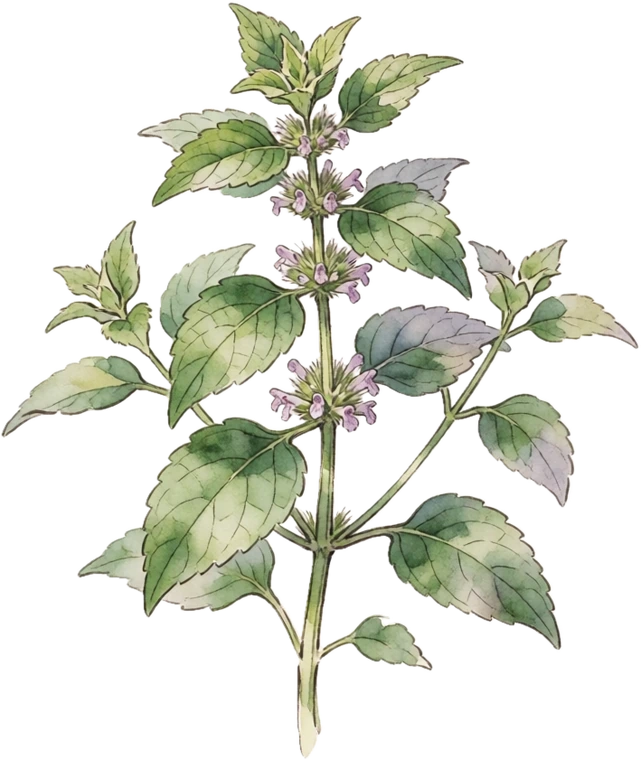
Botanical illustration of Anise Hyssop
Perennial · Agastache foeniculum

Licorice/Mint flavor. Self-sows readily.

Perennial · NativeFull SunLow waterFast growthNative to North AmericaAttracts bees

Where to buy the plant — 3 nurseries

I

Overview

Will anise hyssop suit your garden, and what goes wrong.

Will it fruit where you are?

Enter your ZIP — we look up your USDA hardiness zone (2023 map) and check it against what anise hyssop actually needs.

Hardy inZones 4-9

Anise Hyssop at a glance

HardinessUSDA 4–9
Mature size2-4 ft
PollinationPollinator Favorite
Chill requirementNot yet established
Bloom seasonSummer-Fall
Harvest seasonLeaves/Flowers anytime
Growth rateFast

Common anise hyssop problems

  • None major
  • Powdery Mildew common

II

Growing

Light, water, soil, propagation and the season’s jobs.

How to grow anise hyssop: light, water & soil

LightFull Sun
WaterLow-Moderate
SoilWell-drained · pH 6.0 - 7.0
FertilizerLow
PruningSpring — Cut back previous year growth in spring.
Spacing1-2 ft

How to plant & propagate anise hyssop

PropagateDivision or seed

The anise hyssop growing playbook

Field-tested instructions for every job anise hyssop asks of you, compiled from university extension guidance — in the order the season brings them.

Sowing

Sow seed on the surface in spring

Sow in spring and barely cover the seed, pressing it onto the soil surface rather than burying it. Expect germination in one to four weeks. A period of cold, moist stratification before sowing raises the strike rate, and plants sown this way often bloom their first year. Anise hyssop seed needs light to germinate, so seed buried at any depth simply sits there and rots.

Dividing

Divide the clump every few years to keep it alive

Lift and split the rhizomatous clump in spring or fall, replanting the vigorous outer pieces 12 to 36 inches apart and discarding the woody center. Sterile hybrids like Blue Fortune will not come true from seed, so division or semi-ripe summer cuttings are the only way to keep them going. Anise hyssop is a short-lived perennial that spreads by rhizomes, so dividing renews the clump before the original crown gives out.

Pruning

Deadhead through bloom, then stop and let it set seed

Cut spent flower spikes off as they fade through the first half of the bloom season to pull a second flush of flowers. Once bloom is winding down toward fall, stop deadheading and let the last spikes ripen into seed. Removing spent spikes denies the plant its seed set, so it pushes out more flowers instead. Letting the final spikes mature gives you self-sown replacements for a perennial that does not live long, plus seed for birds.

Clear last year's dead stalks as new growth emerges

Leave the dead stalks standing all winter. Cut them off in spring once new foliage starts pushing from the base of the plant. Cutting the stalks down after a hard frost strips the crown of its own winter cover and leaves the seed heads unavailable to birds. The emerging basal foliage is the signal that the plant survived and no longer needs them.

What to watch for

Watch for powdery mildew and leaf spot in humid weather

Check the foliage through humid stretches for powdery mildew, fungal leaf spots and rust. Manage it by spacing plants 12 to 36 inches apart and siting them where air moves freely rather than by spraying. If the crown is collapsing rather than the leaves spotting, the cause is wet soil, not a foliar disease. These are humidity diseases that take hold in still, crowded air. Anise hyssop has no significant insect pests, so the whole disease question is a siting and airflow question.

This plant is a magnet for bees, wasps, butterflies and hummingbirds and needs no insecticide. Do not spray insecticide on it, especially in bloom.

Harvesting

Cut leaves for drying just past full bloom

Leaves are usable any time through the season, but for tea or drying take them when the flowers are just past full bloom. Flower spikes can be cut at the same time for fresh or dried arrangements, and both leaves and flowers are edible. Essential oil content in the foliage peaks just past full bloom, which is when the anise flavor is strongest.

III

The year

What anise hyssop asks for, month by month.

The anise hyssop year, month by month

MonthJanFebMarAprMayJunJulAugSepOctNovDec
Bloom
Prune
Harvest

What each band means

  • Bloomflowers open — pollinators working, frost on blossoms is the danger.
  • Pruneshape it now — cuts heal cleanly and structure is visible.
  • Harvestpicking time — check ripeness every few days.

The anise hyssop year as text

  • Jan harvest
  • Feb harvest
  • Mar pruning, harvest
  • Apr pruning, harvest
  • May pruning, harvest
  • Jun bloom, harvest
  • Jul bloom, harvest
  • Aug bloom, harvest
  • Sep bloom, harvest
  • Oct bloom, harvest
  • Nov bloom, harvest
  • Dec harvest

These are the species' typical months — expect them a few weeks earlier in warm zones and later in cold ones. Watch the plant, not just the calendar.

IV

Ecology & uses

What it does for the garden, and what it is grown for.

Anise Hyssop in the garden system

  • Herbaceous layer perennial
  • Nectary/insectary
AttractsBees
MoistureUpland / dry
DeerBrowsed — protect young plants
OriginNative to North America

What anise hyssop is grown for

✓ Commonly eaten

UseTea
UseCulinary
UsePollinator Gardens
Edible value3/5

Harvesting & storing anise hyssop

Leaves/Flowers anytime.

Edibility, identification, and traditional-use notes here are general reference — not medical or veterinary advice, and not a claim that any plant treats or prevents anything. Medicinal ratings record how strongly a plant features in herbal tradition, nothing more. Never eat or dose a plant you have not positively identified. More on how to use this library.

V

Cultivars

Named varieties of anise hyssop, ruled as a catalogue.

Best anise hyssop varieties & cultivars

2 on file

Named varieties of anise hyssop differ in winter-chill needs, ripening time, hardiness, and whether they set fruit on their own — pick one that fits your climate.

Blue Fortune

RipensMid-summer through fallZones5-9DiseaseLeaf spot, powdery mildew and rust occur occasionally; crown rot in poorly drained soilSize2-3 feet tall, 1.5-2 feet wide

Minty crushed foliage with licorice undertones; leaves used for tea — A hybrid of A. foeniculum and A. rugosa with thick powder-blue spikes and a very long bloom period. NC State notes it is unusually tolerant of humidity for a hyssop, which matters in the Southeast where the species sulks. Intolerant of heavy clay.

Where to buy ‘Blue Fortune

Story Thyme Farms may earn a small commission from these links, at no cost to you — it never changes what we recommend.

Golden Jubilee

RipensSummerZones6-10SizeLow vigor; weak in its first year

Strongly fragrant foliage — An All-America Selections winner with golden-chartreuse foliage that is brightest yellow in spring, over the usual lavender-blue flowers. Markedly less cold hardy than the species, so zone 4 and 5 growers should expect to lose it. NC State cut-flower trials found it weak and low-vigor in year one, tripling stem yield in year two once established, and noted it may want extra fertilizer.

Where to buy ‘Golden Jubilee

Story Thyme Farms may earn a small commission from these links, at no cost to you — it never changes what we recommend.

VI

Sources & plant ID

Where the care distinctions come from, and how the plant is filed.

Research basis

Sources behind this profile

No extension citations are attached to anise hyssopyet. The care figures below come from the library's own catalogue rather than a traced primary source.

Plant ID

BinomialAgastache foeniculum
FamilyLamiaceae
TypePerennial
USDA symbolAGFO
OriginNative to North America
Invasive riskLow

VII

Where to buy

Third-party nurseries — not Story Thyme Farms.

Third-party nurseries, not Story Thyme Farms. Prices are theirs.

Story Thyme Farms may earn a small commission from these links, at no cost to you — it never changes what we recommend.

VIII

Questions

Anise Hyssop questions, answered straight.

Is anise hyssop safe for kids and pets?

Anise Hyssop is commonly eaten and isn't considered toxic, but "commonly eaten" isn't a guarantee for any particular person or animal — allergies, quantity, and which part you eat all matter. Never eat a plant you haven't positively identified, and check with a vet before letting pets or livestock graze anything new.

When do you harvest anise hyssop?

Leaves/Flowers anytime.

How do you propagate anise hyssop?

Division or seed.

IX

Elsewhere

Where anise hyssop sits in the library.

Where anise hyssop sits in the library

Grows in the same world