Lavender

Lavandula angustifolia

Family Lamiaceae

ShrubZones 5-9

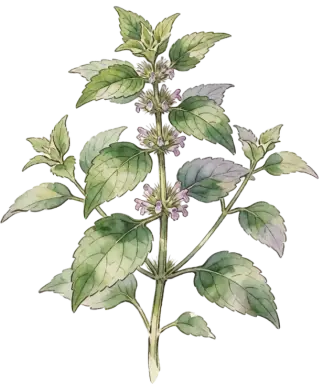
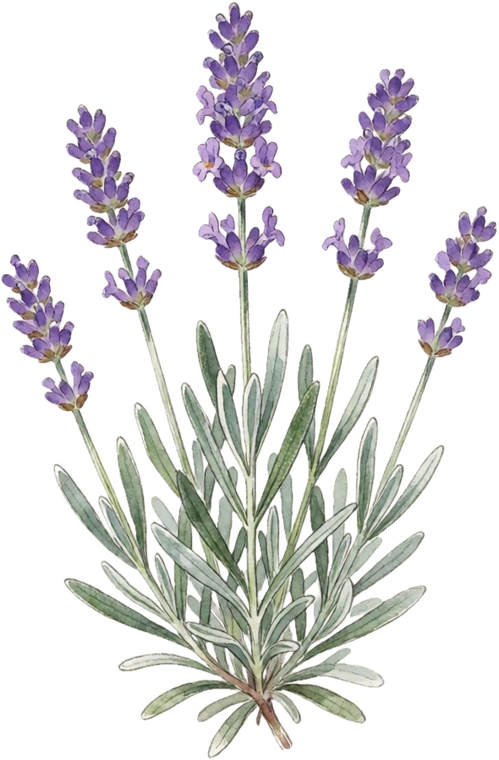
Botanical illustration of Lavender

Lavender earns its place on scent alone — brush past a summer hedge of it and the whole afternoon changes. The gray-green mound, the purple wands, the bees working every spike: it is the rare plant that furnishes a garden and a linen drawer at the same time.

A tidy 1-2 feet and genuinely drought-tolerant, lavender wants full sun, fast-draining ground, and little else, holding its post for years. Best admired, sniffed, and dried — and kept as scenery rather than snacks where pets roam. Edge a sunny path with it and walk by often.

Where to buy lavender — 10 nurseries compared

  • Full Sun
  • Drought-tolerant · low water
  • Moderate growth
  • Attracts bees
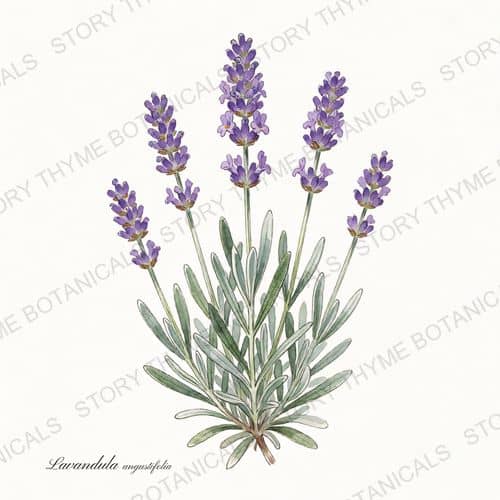
Lavender — a print from the Plant Library collection

From the print shop

Growing lavender? Hang it.

Our Plant Library collection carries lavender — Lavandula angustifolia, print Nº 268, “Lavender.”

526 designsfrom $12.99white or black backgroundmatte poster, unframed

Shop Plant Library botanical prints →

✓

Will it fruit where you are?

Enter your ZIP — we look up your USDA hardiness zone (2023 map) and check it against what lavender actually needs.

Hardy inZones 5-9

Lavender · Common problems

Common lavender problems

Pests, diseases and weather to keep an eye on.

Pests

1 problem on file

  • Root Rot (wet feet)

Diseases

1 problem on file

  • Fungal issues in high humidity

Lavender · Growing & propagation

Growing lavender

Light, water, soil, propagation and the season’s jobs.
What it needsThe details
Light
Full Sun
Water
Low

Drought tolerant

Soil
Poor, Sandy, Gravelly, Fast Draining · pH 6.5 - 7.5
Fertilizer
None/Low

Avoid manure.

Pruning
Spring (after new growth starts) and Post-Bloom

Cut back by 1/3. Do not cut into old wood (no leaves).

Spacing
2-3 ft

How to plant & propagate lavender

Propagate
Seed (stratify), cuttings, or layering

Lavender · Seasonal care & spray guidance

The lavender growing playbook

Field-tested instructions for every job lavender asks of you, compiled from university extension guidance — in the order the season brings them.

When to spray lavender

Growing season. Ensure airflow.

As growth begins

early spring

3 jobs
MulchingIn spring

Mulch with coarse white sand, never wood chips

Spread one to two inches of white sand around the plants, pulled back clear of the crown. Skip sawdust, wood chips, and heavy organic mulches. Heavy organic mulch holds moisture against the crown and feeds the fungal pathogens that rot lavender, and it raises insect pressure too. A light mineral mulch suppresses weeds and dries the crown fast after rain, which is the condition this Mediterranean plant is built for.

FeedingIn spring

Feed lightly, once, or not at all

Lavender has very low nutrient needs. Work in about an inch of compost at planting, and give established plants at most one application of slow-release fertilizer, roughly a tablespoon per plant, for the whole season. Excess fertility pushes soft leafy growth at the expense of flowers, and that lush growth holds humidity in the canopy and makes the plant more vulnerable to disease. A hungry lavender flowers better than a fed one.

PruningIn spring

Hard prune once green shoots break at the base

Wait until new green growth emerges from the base of the plant, then cut back one third to one half of the stem length all over. Always leave green leaves and live buds below every cut, and take out any stems that stayed brown and brittle through winter. Lavender is a woody subshrub that will not push new shoots from bare leafless wood, so a cut below the last live bud kills that stem permanently. Waiting for green growth also lets you see what actually survived the winter instead of guessing at dormant wood.

While it flowers

at bloom

1 job
WateringAt bloom

Step watering up only once buds form

Newly transplanted lavender takes about 1 gallon per plant per week until established. Hold established plants at half a gallon every two weeks until flower buds form, then water one or two times per week from bud formation through harvest. Let the soil dry between waterings and go back to sparse watering once the flowers come off. Lavender is drought tolerant but sets more and better flowers with steady moisture while the buds are filling. The rest of the year, wet soil is the real threat, because Phytophthora root rot follows overwatering more reliably than any pest.

Through summer

the growing season

1 job
What to watch forThrough summer

Check for wilt in hot, humid weather

During hot muggy stretches, walk the planting and look for individual plants or single branches that wilt and brown while neighbors stay healthy. Dig out and dispose of affected plants, and do not replant lavender into that spot. Vascular wilt is lavender's most common killer, and it moves in hardest around 90 degrees and 90 percent humidity. It plugs the plant's water-conducting tissue from inside, so once a plant shows it there is no spray that saves it, and English types go down more readily than lavandins.

Harvest time

as it ripens, and picking

1 job
HarvestingAt harvest

Cut when the first florets open, in the morning

For dried bundles, cut whole spikes once the first few florets on the spike have opened, taking the stalk just under the first pair of leaves. For fragrance and oil, wait until about half the buds on the spike are open. Cut early in the day before full sun, then bundle 50 to 100 stems and hang them somewhere cool, dark, and airy. Essential oil concentration is highest early in the day before the sun drives it off, and buds cut before they are fully open hold their color and stay attached to the stem as they dry. Fully open spikes shatter.

After harvest

autumn, and putting it to bed

1 job
PruningAfter harvest

Shear off the spent spikes after bloom

Once flowering finishes, deadhead the spent flower spikes and lightly shape the plant back toward a mound. Take the spikes and the dead tips only, never cut into bare leafless wood, and do not cut the plant back hard. Deadheading and shaping after bloom keeps the plant compact instead of splitting open and going woody in the middle, and it encourages the plant to bloom again.

Lavender · Calculators & field guides

A little help in the garden.

Calculators for the figures. Field guides for the hands-on work.

Lavender · Yearly calendar

The lavender year, month by month

What lavender asks for, month by month.

Jan

No calendar activity is listed for this month.

MonthJanFebMarAprMayJunJulAugSepOctNovDec
Bloom
Prune

BloomJune to August

PruneMarch to May

What each band means

  • Bloom — flowers open — pollinators working, frost on blossoms is the danger.
  • Prune — shape it now — cuts heal cleanly and structure is visible.

These are the species' typical months — expect them a few weeks earlier in warm zones and later in cold ones. Watch the plant, not just the calendar.

Lavender · Ecology & uses

Ecology & uses

What it does for the garden, and what it is grown for.
Botanical illustration of Lavender

Lavandula angustifolia

Lavender in the garden system

  • Herbaceous layer shrub
  • Nectary/insectary
Attracts
Bees
Habitat
Dry/rocky
Moisture
Upland / dry
Deer
Browsed

Protect young plants

Origin
Introduced

What lavender is grown for

! Some parts toxic — see notesToxic to dogs, cats and horses (ASPCA; linalool and linalyl acetate) — nausea, vomiting and loss of appetite.

Use
Culinary
Use
Tea
Use
Aromatherapy
Edible value
3/5
Traditional use rating
3/5 in herbal tradition

Harvesting & storing lavender

When flowers just open.

Edibility, identification, and traditional-use notes here are general reference — not medical or veterinary advice, and not a claim that any plant treats or prevents anything. Medicinal ratings record how strongly a plant features in herbal tradition, nothing more. Never eat or dose a plant you have not positively identified. More on how to use this library.

Lavender · Varieties & cultivars

Best lavender varieties & cultivars

There are far more than these — the ones below are the named varieties of lavender people actually plant.

Named varieties of lavender differ in winter-chill needs, ripening time, hardiness, and whether they set fruit on their own — pick one that fits your climate.

10 varieties

Hidcote

Also known as Hidcote Blue

Ripens
Early summer
Zones
5-9

One of the best-known English lavenders and one of the dark-flowered group, with a compact habit that suits edging and low hedges. English lavenders as a class yield roughly 12 to 15 pounds of oil and 300 to 1,800 pounds of fresh flower per acre.

Where to buy ‘Hidcote’verified

Story Thyme Farms may earn a small commission from these links, at no cost to you — it never changes what we recommend.

Sources & plant identity

Know what you’re growing.
See where the knowledge comes from.

Botanical illustration of Lavender

Lavender

Lavandula angustifolia

The plant, at a glance.

Botanical name
Lavandula angustifolia
Plant family
Lamiaceae
Growth habit
Shrub · Perennial
Origin
Introduced
USDA plant symbol
LAAN81
Invasive risk
Low
Every garden is different.

Hardiness, size and timing vary with your cultivar, soil and climate.

Rooted in research.

University extension research, brought together with hands-on growing experience at Story Thyme Farms.

Explore Lavender’s sources3 reference links
for Lavender

Research from these sources

Publisher marks identify sources, not sponsorship or endorsement.

Questions

Lavender questions, answered straight.

Is lavender safe for kids and pets?

With care. Toxic to dogs, cats and horses (ASPCA; linalool and linalyl acetate) — nausea, vomiting and loss of appetite. Site it accordingly if children or pets roam the garden. This is general reference, not medical or veterinary advice — call a vet or poison control if something has actually been eaten.

When do you harvest lavender?

When flowers just open.

How do you propagate lavender?

Seed (stratify), cuttings, or layering.

Elsewhere

Where lavender sits in the library.

Where lavender sits in the library

Grows in the same world