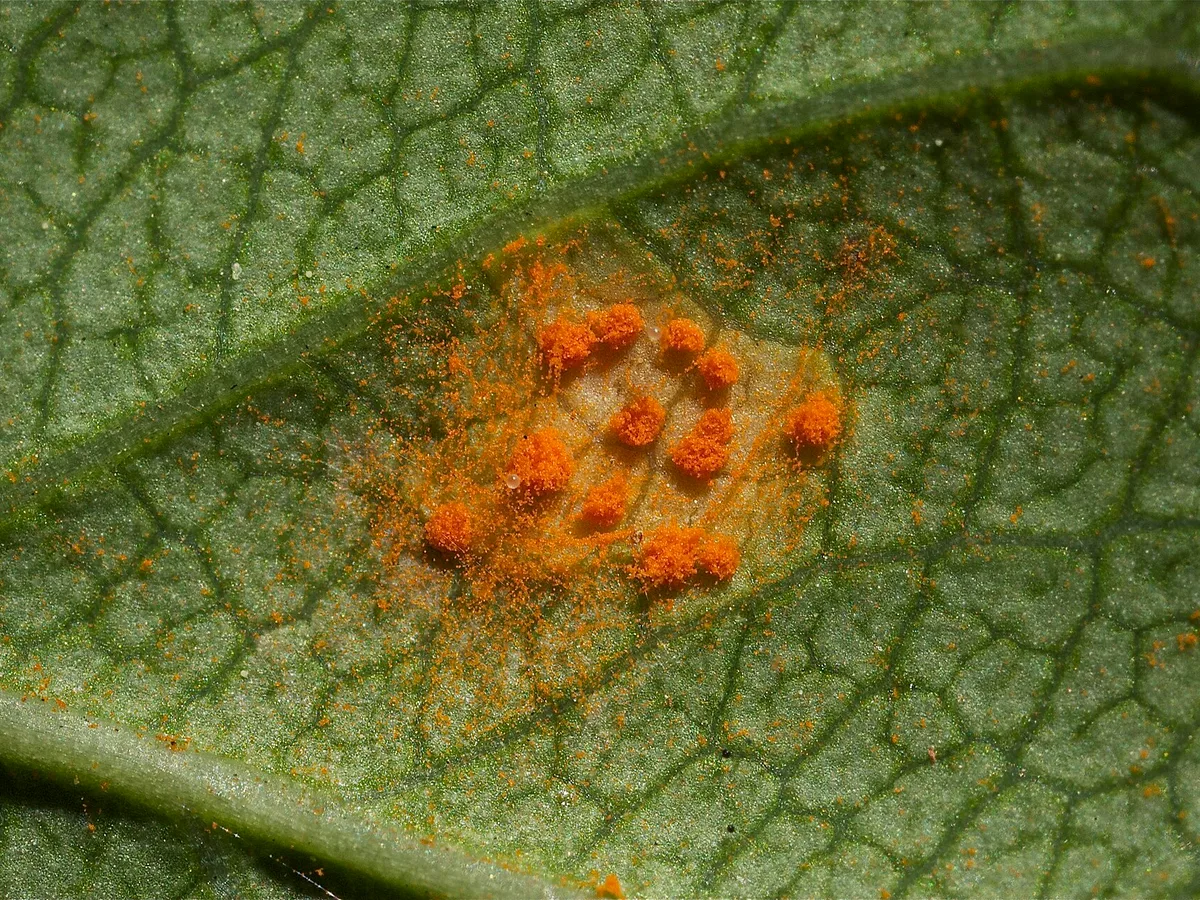
Rust
Orange to rust-brown pustules that rub off as colored powder on your finger — that powder-smear is the confirmation. Undersides of leaves first, then yellowing tops; roses, hollyhocks, beans, and daylilies all keep their own versions.
Disease checklist
Four things to look for. If most of them match what you are holding, you are in the right place.
What gets rid of it
Gentlest option first. For most backyard cases the first one is enough, so try these in order and stop as soon as it works. If you do spray something, the product label tells you how — please read the notice further down.
1Strip and destroy infected leaves
Every pustule is releasing spores; picking visibly rusted leaves — and raking fallen ones — cuts the reinfection loop.
Try this first2Keep leaves dry
Water at the base in the morning; rust spores germinate in standing leaf moisture.
3Sulfur or copper fungicide
Protective sprays for plants with a rust history, started before symptoms per the label.
sulfur fungicide garden
As an Amazon Associate, Story Thyme Farms earns from qualifying purchases, at no cost to you. It never changes what we recommend.
Which plants get rust
Every plant we cover that gets rust, grouped by type — tap any one to open its page. A note beside a plant came from that plant’s own entry, because the same disease can be a minor nuisance on one plant and a serious problem on another. Plenty of plants we do not cover get it too.
trees3
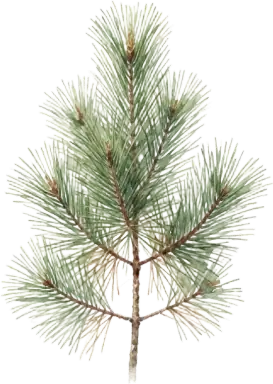
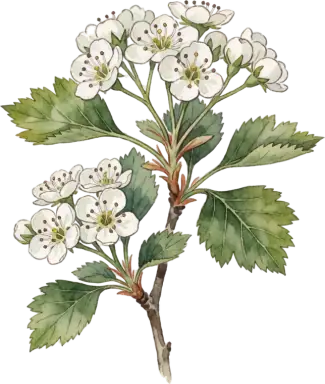
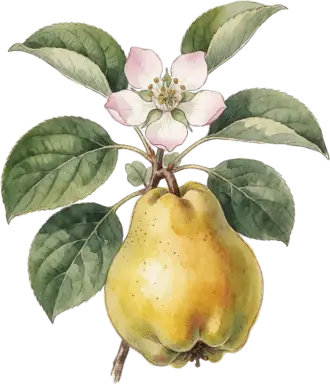
shrubs9
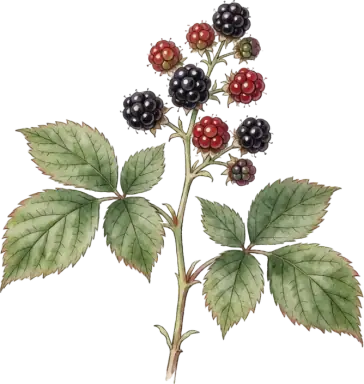 BlackberryRubus fruticosus
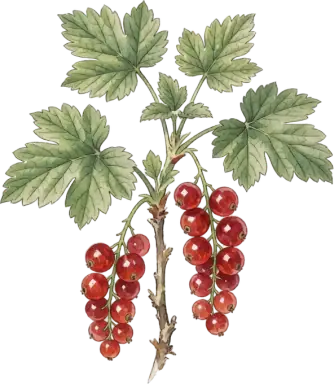 CurrantRibes spp.
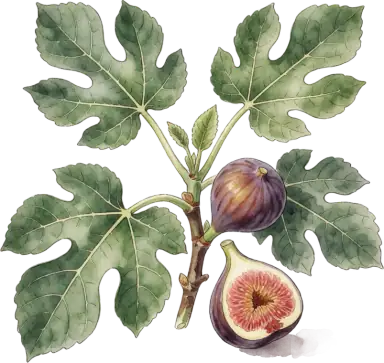 FigFicus carica
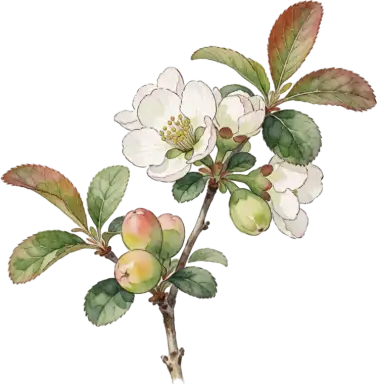 Flowering QuinceChaenomeles speciosacosmetic
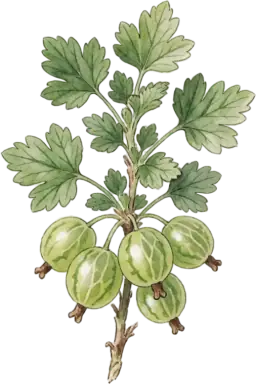 GooseberryRibes uva-crispaCheck legality/resistance
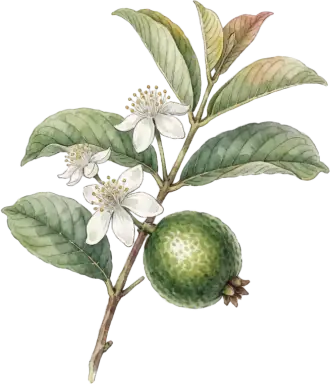 GuavaPsidium guajava
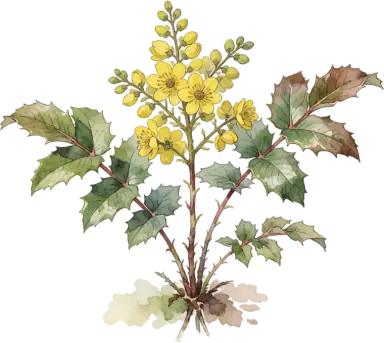 Oregon GrapeMahonia aquifoliumcosmetic
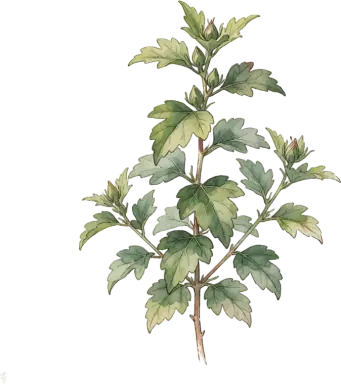 Rose of SharonHibiscus syriacusminor
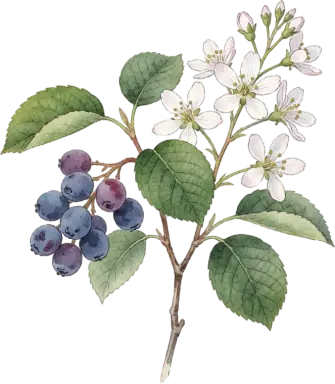 Serviceberry / JuneberryAmelanchier spp.creates orange spikes on fruit
perennials10
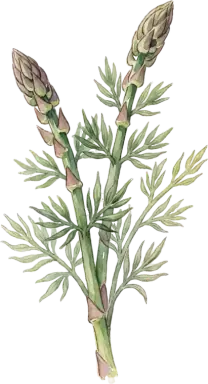 AsparagusAsparagus officinalis
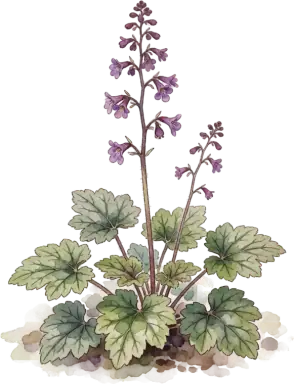 Coral Bells (Heuchera)Heuchera hybrids
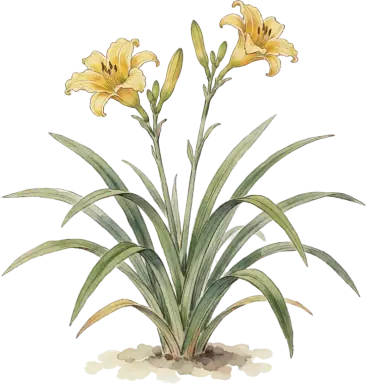 DaylilyHemerocallis
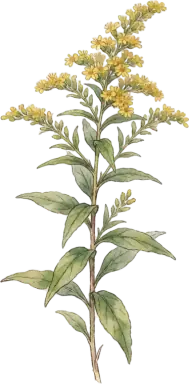 GoldenrodSolidago hybridsminor
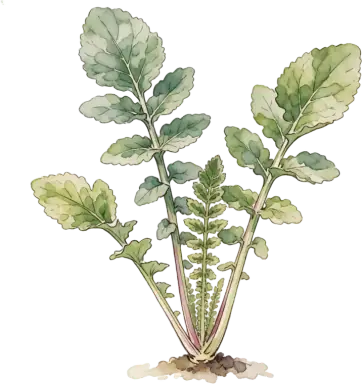 HorseradishArmoracia rusticanacosmetic
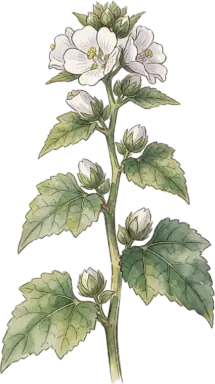 MarshmallowAlthaea officinalis
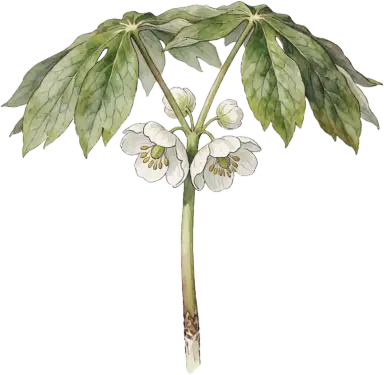 MayapplePodophyllum peltatumcosmetic
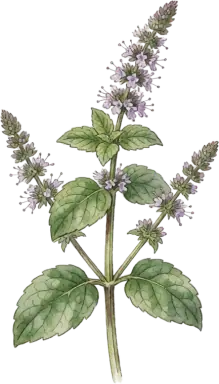 MintMentha spp.
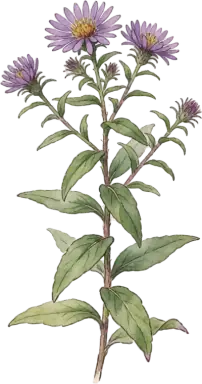 New England AsterSymphyotrichum novae-angliae
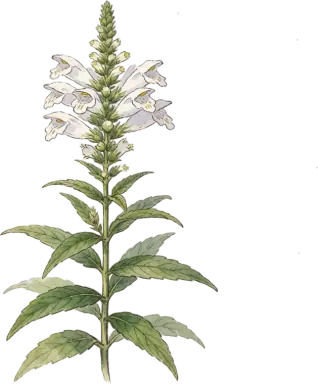 Obedient PlantPhysostegia virginiana
biennials2
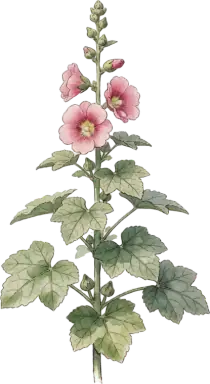
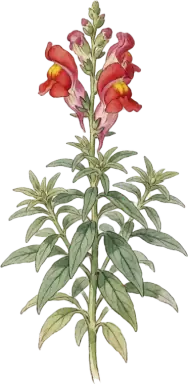
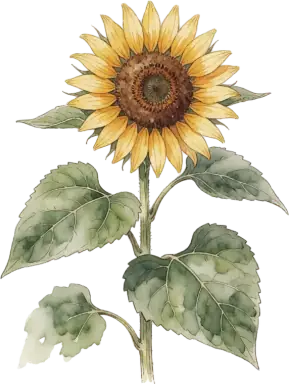
annuals5
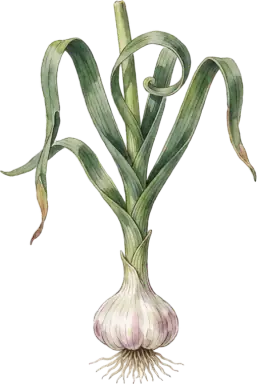
bulb1
Plant families hit hardest
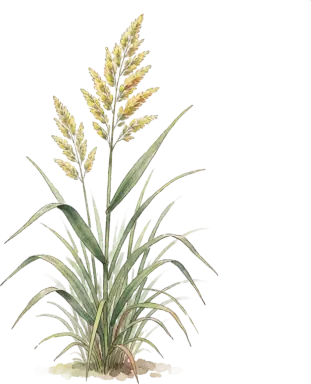
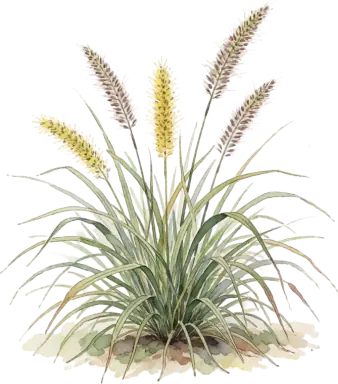
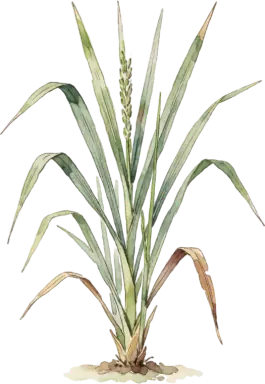
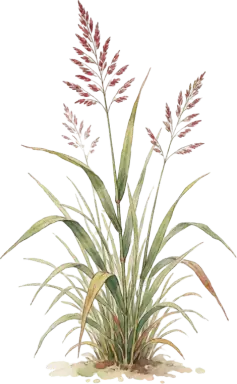
Related plants often share the same problems, so if one plant in a family has it, check the others. The largest group here is Poaceae, with 5 of the 34 affected plants.
- Poaceae5 plants
- Rosaceae5 plants
- Asteraceae3 plants
- Malvaceae3 plants
- Amaryllidaceae2 plants
- Berberidaceae2 plants
- Grossulariaceae2 plants
- Lamiaceae2 plants
When to treat
Treat at the first pustules and clear infected leaves. It spreads through the wet part of the season.
On specific plants
- Dormant
- Lime Sulfur: Late winter (Delayed Dormant) to clean up Anthracnose/Rust spores on canes.
- Growing
- The currant conflict is real: Ribes within a few hundred yards sustains rust cycles.
- Growing
- Remove rust-spotted leaves; choose rust-tolerant strains.
- Growing
- Rotate alliums; rust rarely needs action in home beds.
- Growing
- Improve airflow; remove rusted leaves.
- Dormant
- Copper at bud swell where fireblight or rust has history.
- Growing
- Rust-resistant varieties; water at the base.
Timing only — the label is the law
This page tells you when to watch for rust and when treating is worth considering. It is not a recommendation to apply any particular product. Read and follow the product label before you spray — under federal law the label is the legal instruction, and using a pesticide against it is illegal.
- Check the pre-harvest interval. Every product that’s cleared for an edible crop sets a minimum number of days between spraying and picking. Find it on the label before you spray anything you intend to eat.
- Check the re-entry interval before you or anyone else works in the treated area again, and use the protective equipment the label names.
- Confirm the product is registered for your crop in your state. This page groups many different crops together, and a product legal on one of them is not legal on all of them — state registrations differ too. Your state pesticide agency or local extension office can confirm both.
- Rates and mixing instructions come from the label, never from us. We don’t publish them because they differ by product and formulation.
Other problems on the same plants
If a plant gets rust, these are the problems it most often gets as well, so they are worth checking for while you are out there. They tend to appear together; one does not cause another.