Red Lake
Self-fertile
- Chill
- 800–1400 hrs
- Ripens
- Early-mid July
- Zones
- 3-7
- Disease
- good; moderately rust tolerant
- Size
- 3-5 ft upright shrub
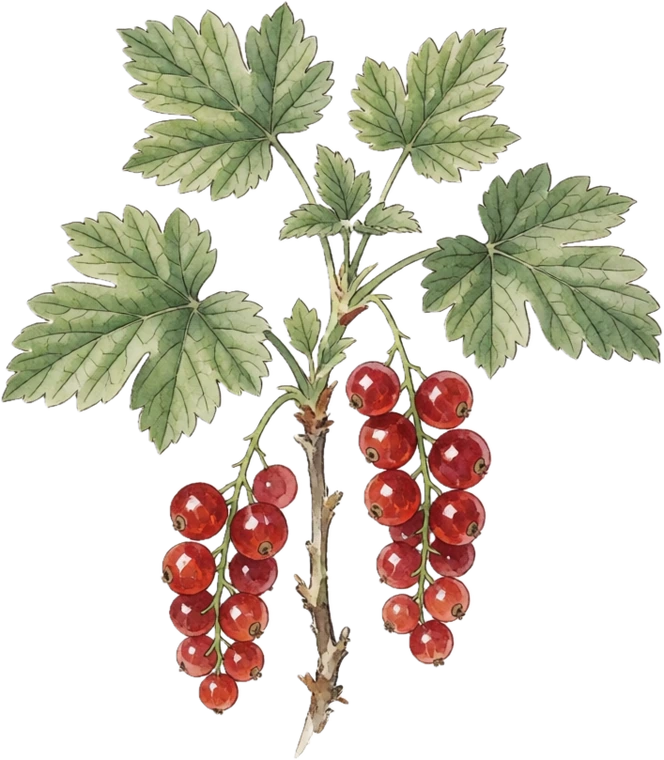
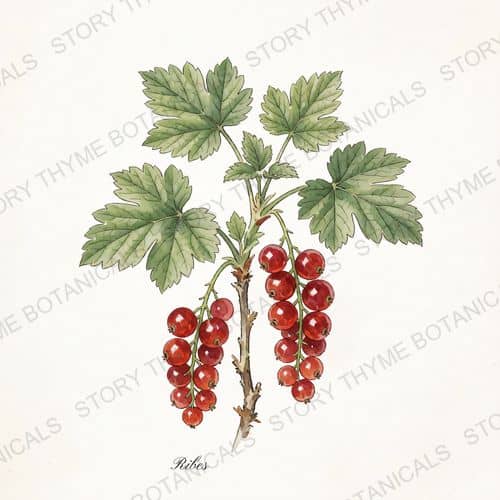
bright, tart red berries for jelly, juice, and fresh use — The most widely sold, dependable red currant and a safe default for US home growers needing no pollinizer.
Where to buy ‘Red Lake’verified
Story Thyme Farms may earn a small commission from these links, at no cost to you — it never changes what we recommend.
Jonkheer van Tets
Also known as Jonkheer Van Tets
Self-fertile
- Chill
- 800–1400 hrs
- Ripens
- Late June-early July
- Zones
- 3-7
- Disease
- good; generally mildew tolerant
- Size
- 4-5 ft upright shrub
large, glossy, tart red berries in long strigs — One of the earliest-ripening red currants, useful to start the season or spread the harvest.
Where to buy ‘Jonkheer van Tets’verified
Story Thyme Farms may earn a small commission from these links, at no cost to you — it never changes what we recommend.
Rovada
Self-fertile
- Chill
- 800–1400 hrs
- Ripens
- Late July
- Zones
- 3-7
- Disease
- good
- Size
- 4-5 ft shrub
large red berries in exceptionally long, easy-to-pick clusters — Very reliable and heavy-cropping, and its late bloom helps it dodge spring frosts.
Where to buy ‘Rovada’verified
Story Thyme Farms may earn a small commission from these links, at no cost to you — it never changes what we recommend.
Pink Champagne
Self-fertile
- Chill
- 800–1400 hrs
- Ripens
- July
- Zones
- 3-7
- Disease
- good
- Size
- 3-5 ft shrub
translucent pink berries, sweet and mild for fresh eating — Prized as one of the best-flavored currants for fresh eating, though yields are modest.
Where to buy ‘Pink Champagne’verified
Story Thyme Farms may earn a small commission from these links, at no cost to you — it never changes what we recommend.
Blanka
Self-fertile
- Chill
- 800–1400 hrs
- Ripens
- Late July
- Zones
- 3-7
- Disease
- good
- Size
- 4-6 ft vigorous shrub
large, mild, sweet white berries in long clusters — A high-yielding, late-blooming white currant that reliably escapes frost.
Where to buy ‘Blanka’
Story Thyme Farms may earn a small commission from these links, at no cost to you — it never changes what we recommend.
Ben Sarek
Partly self-fertile
- Chill
- 900–1600 hrs
- Ripens
- Early-mid July
- Zones
- 3-7
- Disease
- resistant to mildew; good white pine blister rust resistance
- Size
- compact, 3-4 ft
- Pollination
- partially self-fertile; yields improve with a second black currant
large, rich, aromatic black berries for cordials and jam — A good black currant for small gardens; partially self-fertile, with fruit set improving markedly with a second cultivar nearby.
Where to buy ‘Ben Sarek’
Story Thyme Farms may earn a small commission from these links, at no cost to you — it never changes what we recommend.
Titania
Partly self-fertile
- Chill
- 900–1600 hrs
- Ripens
- July
- Zones
- 3-7
- Disease
- strong white pine blister rust resistance; mildew resistant
- Size
- vigorous, to 6 ft
- Pollination
- partially self-fertile; yields improve with a second black currant
large, high-quality black berries, heavy yields — Vigorous, disease-resistant, and productive; only about 44% self-fertile in trials, so plant a second black currant for maximum fruit set.
Where to buy ‘Titania’verified
Story Thyme Farms may earn a small commission from these links, at no cost to you — it never changes what we recommend.
Crusader
Needs a pollinizer
- Chill
- 900–1600 hrs
- Ripens
- Mid July
- Zones
- 3-7
- Disease
- immune to white pine blister rust
- Size
- 5-6 ft shrub
- Pollination
- self-sterile; needs another black currant cultivar (e.g. Consort) as a pollinizer
black berries of fair dessert quality, good for processing — Rust-immune Canadian cultivar (a Ribes nigrum x R. ussuriense hybrid) that is self-sterile, so it must be paired with a compatible black currant to set fruit.
Where to buy ‘Crusader’
Story Thyme Farms may earn a small commission from these links, at no cost to you — it never changes what we recommend.
Consort
Self-fertile
- Ripens
- June-July
- Zones
- 4-8
- Disease
- immune to white pine blister rust; fairly resistant to most Ribes pests
- Size
- 3-6 ft in height and width
sweet-tart black berries with an earthy, musky depth — Ohio State lists Consort among the black currants immune or highly resistant to white pine blister rust, so it is one of the cultivars permitted where Ribes nigrum is otherwise restricted. In Ohio State's Ribes trial it was the top yielder at 2,924 lb per acre with 13.1 Brix. A Ribes nigrum x R. ussuriense hybrid.
Where to buy ‘Consort’verified
Story Thyme Farms may earn a small commission from these links, at no cost to you — it never changes what we recommend.
Willoughby
- Zones
- 3-8
- Disease
- immune or highly resistant to white pine blister rust
- Size
- 3-4 ft tall and 4-6 ft wide
good-quality black berries on a productive bush — Ohio State names Willoughby among the black currants immune or highly resistant to white pine blister rust, alongside Consort, Crusader, Coronet, Lowes Auslese, Polar and Titania. Plant lust records it at USDA 3a-8b and 3-4 ft tall by 4-6 ft wide.
Where to buy ‘Willoughby’verified
Story Thyme Farms may earn a small commission from these links, at no cost to you — it never changes what we recommend.
Wilder
Self-fertile
- Chill
- 800–1000 hrs
- Ripens
- Late June-early July
- Zones
- 3-8
- Size
- 3-6 ft tall and wide, vigorous
very flavorful red berries in large clusters — An old American red currant established in Indiana in 1877, recommended by both Utah State and Colorado State extension; Colorado State singles it out for its larger clusters. Its berries ripen over a long stretch rather than all at once.
Where to buy ‘Wilder’
Story Thyme Farms may earn a small commission from these links, at no cost to you — it never changes what we recommend.
Cascade
- Zones
- 3-8
- Size
- to about 5 ft tall
large berries of excellent sweet flavor — UMass names Cascade among the red currant cultivars grown in the Northeast, alongside Detvan, Jonkheer van Tets, Red Lake, Rovada and Tatran. Plant lust records it at USDA 3a-8b.
Where to buy ‘Cascade’verified
Story Thyme Farms may earn a small commission from these links, at no cost to you — it never changes what we recommend.
Primus
- Ripens
- June-July
- Zones
- 3-8
- Disease
- fairly resistant to most Ribes pests; not a white pine blister rust host of concern
- Size
- 3-6 ft in height and width
very sweet, translucent white berries, high in vitamin C — UMass lists Primus as one of the white currant alternatives to Blanka, along with White Imperial. Being a white currant rather than a black one, it sits outside the blister rust restrictions that follow Ribes nigrum in some states.
Where to buy ‘Primus’verified
Story Thyme Farms may earn a small commission from these links, at no cost to you — it never changes what we recommend.
White Imperial
Also known as Imperial White
Self-fertile
- Zones
- 3-7
- Size
- 4-5 ft tall and wide
delicately sweet, translucent pale berries — UMass names White Imperial as one of the two common white currant alternatives to Blanka. Raintree lists it as cold hardy to USDA zone 3 at -40F and reliably self-fruitful; the upper zone limit here follows the species range rather than a cultivar-specific figure.
Where to buy ‘White Imperial’
Story Thyme Farms may earn a small commission from these links, at no cost to you — it never changes what we recommend.




 FeedingIn spring

 Bloom
Bloom











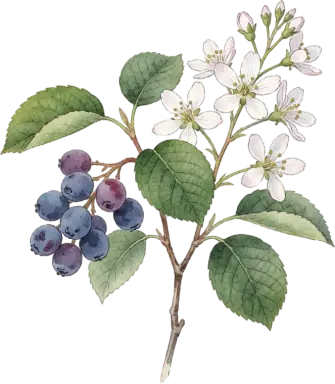 Serviceberry / Juneberry
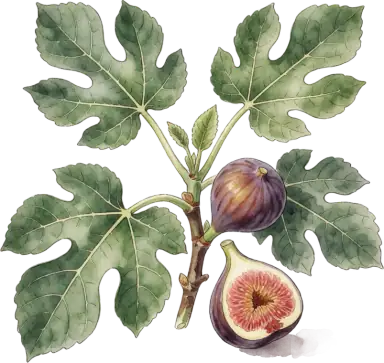 Fig
Fig Elderberry
 Blackberry