Natchez
Self-fertile
- Chill
- 200–300 hrs
- Ripens
- Early June
- Zones
- 5-9
- Disease
- moderate; some cane susceptibility
- Size
- erect to semi-erect, 4-6 ft, thornless
large, mild sweet berries, good fresh — One of the earliest-ripening thornless erect types and low-chill (~300 hrs), so it fruits well in the warm South.
Where to buy ‘Natchez’verified
Story Thyme Farms may earn a small commission from these links, at no cost to you — it never changes what we recommend.
Ouachita
Self-fertile
- Chill
- 400–500 hrs
- Ripens
- Late June-July
- Zones
- 5-9
- Disease
- good (rosette/orange-rust tolerant)
- Size
- erect, 4-6 ft, thornless
firm, sweet, high-quality berries — A reliable, upright thornless workhorse (~450 chill hrs) with a long harvest and good disease package for most of the country.
Where to buy ‘Ouachita’verified
Story Thyme Farms may earn a small commission from these links, at no cost to you — it never changes what we recommend.
Navaho
Self-fertile
- Chill
- 800–900 hrs
- Ripens
- July
- Zones
- 6-9
- Disease
- good (rust-resistant)
- Size
- erect, 4-6 ft, thornless
very sweet, high sugar, excellent fresh — Prized for outstanding flavor, but its high chill need (~800-900 hrs, confirmed by Drake & Clark) means it fruits poorly in mild-winter regions.
Where to buy ‘Navaho’
Story Thyme Farms may earn a small commission from these links, at no cost to you — it never changes what we recommend.
Apache
Self-fertile
- Chill
- 800–900 hrs
- Ripens
- Mid-Late July
- Zones
- 5-9
- Disease
- good
- Size
- erect, sturdy 5-6 ft, thornless
large, sweet, firm berries — Very large-fruited thornless erect type on strong self-supporting canes; among the highest chill needs of the Arkansas erect series.
Where to buy ‘Apache’
Story Thyme Farms may earn a small commission from these links, at no cost to you — it never changes what we recommend.
Arapaho
Self-fertile
- Chill
- 400–500 hrs
- Ripens
- Early-Mid June
- Zones
- 5-9
- Disease
- good (rust-resistant)
- Size
- erect, compact 4-5 ft, thornless
sweet with small seeds — The earliest thornless erect cultivar with notably small seeds (~500 chill hrs), good for short-season and Southern gardens.
Where to buy ‘Arapaho’
Story Thyme Farms may earn a small commission from these links, at no cost to you — it never changes what we recommend.
Kiowa
Self-fertile
- Chill
- 200–300 hrs
- Ripens
- June-July
- Zones
- 5-9
- Disease
- moderate
- Size
- erect, thorny, 5-6 ft
very large, aromatic, good fresh — Produces some of the largest blackberries with a long harvest and one of the lowest chill needs (~200 hrs), but the canes are thorny.
Where to buy ‘Kiowa’
Story Thyme Farms may earn a small commission from these links, at no cost to you — it never changes what we recommend.
Triple Crown
Self-fertile
- Chill
- 400–500 hrs
- Ripens
- July-August
- Zones
- 5-9
- Disease
- good
- Size
- semi-erect, vigorous, needs trellis, thornless
large, sweet, excellent fresh flavor — High-yielding thornless semi-erect with top-rated flavor; trellis the long, vigorous canes.
Where to buy ‘Triple Crown’verified
Story Thyme Farms may earn a small commission from these links, at no cost to you — it never changes what we recommend.
Chester
Also known as Chester Thornless
Self-fertile
- Chill
- 300–500 hrs
- Ripens
- August
- Zones
- 5-8
- Disease
- excellent (cane-blight resistant)
- Size
- semi-erect, vigorous, needs trellis, thornless
firm, sweet-tart, holds well — The most cold-hardy thornless semi-erect and very productive; late-ripening. Noted for winter HARDINESS rather than a high chill requirement (cited ~300-500 hrs).
Where to buy ‘Chester’verified
Story Thyme Farms may earn a small commission from these links, at no cost to you — it never changes what we recommend.
Prime-Ark Freedom
Also known as APF-153T
Self-fertile
- Chill
- 300–500 hrs
- Ripens
- June floricane crop, then Aug through frost on primocanes
- Zones
- 5-9
- Disease
- moderate
- Size
- erect, thornless, 4-5 ft
large, sweet, good fresh — First thornless primocane-fruiting blackberry, so tipping canes gives a fall crop even in short-season areas.
Where to buy ‘Prime-Ark Freedom’verified
Story Thyme Farms may earn a small commission from these links, at no cost to you — it never changes what we recommend.
Prime-Ark Traveler
Also known as APF-190T
Self-fertile
- Chill
- 300–400 hrs
- Ripens
- July floricane crop, then fall on primocanes
- Zones
- 5-8
- Disease
- good
- Size
- erect, thornless, compact 4-5 ft
firm, sweet, ships and holds well — Thornless primocane type bred for shippable firm fruit, giving a dependable late-season second crop.
Where to buy ‘Prime-Ark Traveler’
Story Thyme Farms may earn a small commission from these links, at no cost to you — it never changes what we recommend.
Marionberry
Also known as Marion
Self-fertile
- Chill
- 400–500 hrs
- Ripens
- July
- Zones
- 7-9
- Disease
- moderate; winter-tender canes
- Size
- trailing, thorny, requires trellis
rich, complex, classic blackberry flavor — The benchmark Pacific-Northwest trailing blackberry (USDA/Oregon, 1956) for flavor, but its canes are cold-tender and thorny; chill figure approximate.
Where to buy ‘Marionberry’
Story Thyme Farms may earn a small commission from these links, at no cost to you — it never changes what we recommend.
Osage
Self-fertile
- Chill
- 350–400 hrs
- Ripens
- Early to mid season
- Zones
- 6-9
- Disease
- good; superior postharvest storage
- Size
- erect, thornless
small to average berries, sweet and low in acid — Arkansas 2013 thornless erect release needing an estimated 350-400 chill hours (NC State caneberry guide), with good flavor and production and uniform drupelet fill. Zone span narrowed to 6-9: the chill source states no zones, nursery listings claim 5-9, but UMD reports thornless blackberries are hardy into zones 8 to 6 with winter injury likely in 6b and colder, and the UA release recorded little injury only to about -8.6F. Zone 5 growers should expect cane damage.
Where to buy ‘Osage’
Story Thyme Farms may earn a small commission from these links, at no cost to you — it never changes what we recommend.
Ponca
Also known as Sweet-Ark Ponca
Self-fertile
- Chill
- 400–400 hrs
- Ripens
- Early, with Natchez
- Zones
- 6-9
- Disease
- susceptible to cane and leaf rust
- Size
- erect, thornless, short internodes; benefits from a trellis
medium berries (about 6.8 g), the sweetest of the University of Arkansas releases — Arkansas 2019 release needing an estimated 400 chill hours (NC State caneberry guide). Per the University of Arkansas release announcement, first harvest comes with Natchez, two to four days ahead of Caddo and Osage, and the fruit holds up well after picking. Watch it for cane and leaf rust (UMD). Zone span narrowed to 6-9: the chill source states no zones, and UMD reports thornless blackberries are hardy into zones 8 to 6 with winter injury likely in 6b and colder.
Where to buy ‘Ponca’verified
Story Thyme Farms may earn a small commission from these links, at no cost to you — it never changes what we recommend.
Caddo
Also known as Sweet-Ark Caddo
Self-fertile
- Chill
- 400–400 hrs
- Ripens
- Early, a few days after Ponca
- Zones
- 6-9
- Disease
- excellent plant health
- Size
- erect, thornless
large berries about 8 grams, firm and sweet — Arkansas 2018 release needing an estimated 400 chill hours (NC State caneberry guide); Osage-like flavor on noticeably bigger berries, with high yields and excellent postharvest handling. Zone span narrowed to 6-9: the chill source states no zones, UMD reports thornless blackberries are hardy into zones 8 to 6 with winter injury likely in 6b and colder, and Caddo's tested hardiness showed very limited injury only to a low near 1F. Not a zone 5 plant.
Where to buy ‘Caddo’
Story Thyme Farms may earn a small commission from these links, at no cost to you — it never changes what we recommend.
Von
Self-fertile
- Chill
- 800–800 hrs
- Ripens
- Mid to late, over about six weeks
- Zones
- 6-9
- Disease
- strong resistance to orange rust, fruit anthracnose, and double blossom/rosette
- Size
- erect, thornless
medium to large sweet berries, small seeds, low acid — NC State's first thornless release and the best disease package of the bunch; hardy to about -12F and unusually tolerant of wet weather. Its estimated 800 chill hours rule it out in mild-winter regions. Takes two years to reach full yield.
Where to buy ‘Von’
Story Thyme Farms may earn a small commission from these links, at no cost to you — it never changes what we recommend.
Prime-Ark 45
Also known as Prime-Ark® 45
Self-fertile
- Chill
- 300–300 hrs
- Ripens
- Early floricane crop, then a variable primocane crop
- Zones
- 5-9
- Disease
- moderate
- Size
- erect, thorny
large berries, mildly sweet, good shipping quality — Arkansas 2011 primocane-fruiting release needing an estimated 300 chill hours, so it suits the warm South. The canes are thorny, which is the trade for its firmness and yield.
Where to buy ‘Prime-Ark 45’verified
Story Thyme Farms may earn a small commission from these links, at no cost to you — it never changes what we recommend.
Prime-Ark Horizon
Also known as Prime-Ark® Horizon
Self-fertile
- Ripens
- Early floricane crop, then the latest primocane season
- Zones
- 6-8
- Size
- erect, reduced thorns but not fully thornless
large, firm berries, light on aroma with some tartness — Arkansas 2020 primocane release with the latest primocane season of the group, which stretches picking furthest into fall. Excellent cold storage. Chill requirement not published, so treat its fit in mild winters as unproven.
Where to buy ‘Prime-Ark Horizon’
Story Thyme Farms may earn a small commission from these links, at no cost to you — it never changes what we recommend.
Twilight
Self-fertile
- Ripens
- Early to mid season
- Zones
- 6-8
- Size
- semi-erect, thornless
very firm berries with thick skin and good flavor — Semi-erect thornless type singled out by UMD for storage and shelf life. Chill requirement not published. UMD notes thornless blackberries are typically hardy into zones 8 to 6, with winter injury possible in 6b and colder.
Where to buy ‘Twilight’verified
Story Thyme Farms may earn a small commission from these links, at no cost to you — it never changes what we recommend.




 FeedingIn spring
 Bloom
Bloom












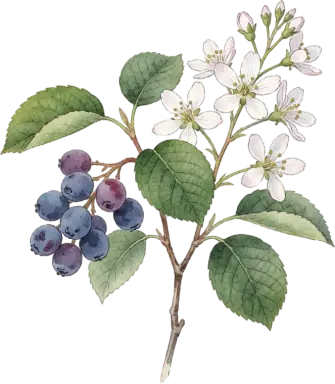 Serviceberry / Juneberry
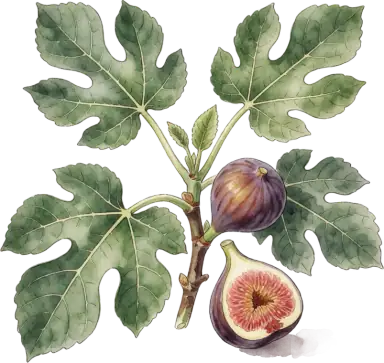 Fig
Fig Elderberry
 Raspberry