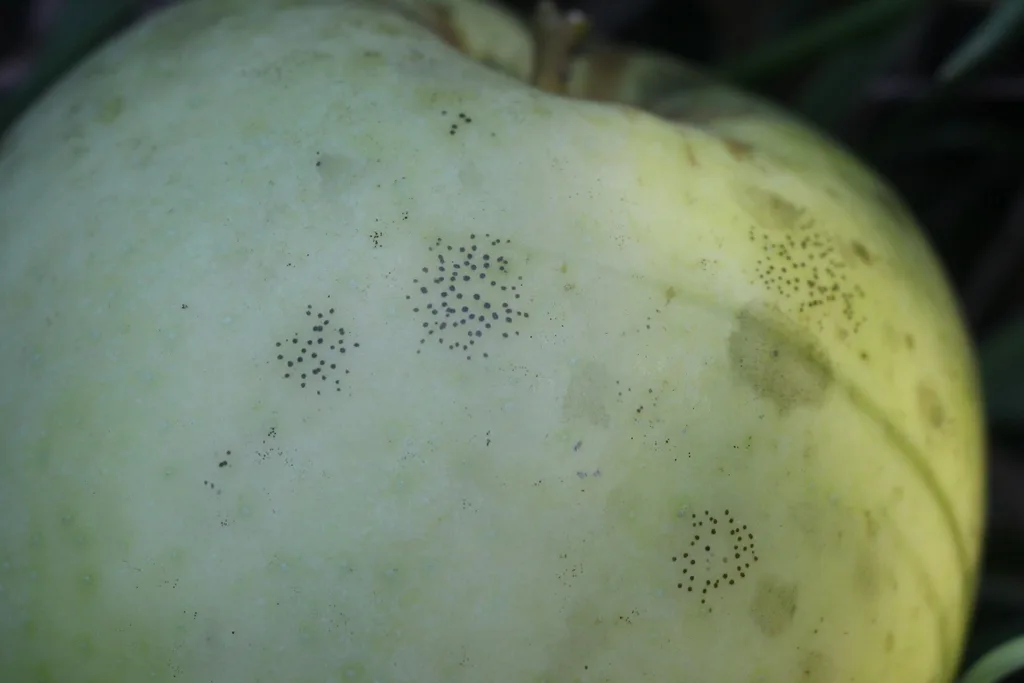
Sooty Blotch and Flyspeck
Smudgy olive to black stains on the fruit skin that look like charcoal rubbed on, often mixed with tight clusters of shiny black dots the size of a pinhead. Both live only in the waxy skin, so they wipe or scrub off, which is what separates them from bitter rot, black rot or scab, all of which go into the flesh.
Disease checklist
Four things to look for. If most of them match what you are holding, you are in the right place.
What gets rid of it
Gentlest option first. For most backyard cases the first one is enough, so try these in order and stop as soon as it works. If you do spray something, the product label tells you how — please read the notice further down.
1Prune for a light open canopy
Winter prune out crowded interior wood so fruit dries quickly after rain and dew.
bypass loppers pruningTry this first2Mow and clear around the tree
Keep grass short and remove wild blackberry and bramble canes near the tree, because those canes carry the fungi over winter.
string trimmer for brush3Thin the fruit
Space the fruit on the branch so no two touch, which removes the pockets that stay damp longest.
4Summer cover sprays if you want clean fruit
Thiophanate-methyl or a labelled summer fungicide applied on the label interval from petal fall onward.
fruit tree fungicide spray5Wash the fruit at harvest
A brief dilute bleach dip and a soft brush removes most of the blotch from picked fruit.
vegetable brush produce scrubber
As an Amazon Associate, Story Thyme Farms earns from qualifying purchases, at no cost to you. It never changes what we recommend.
Which plants get sooty blotch and flyspeck
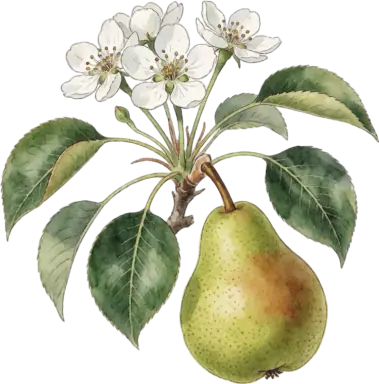
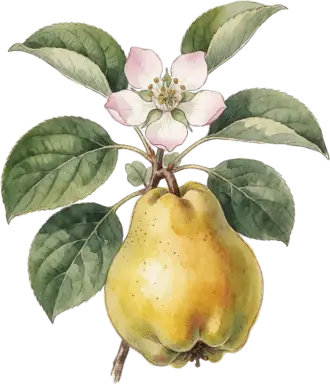
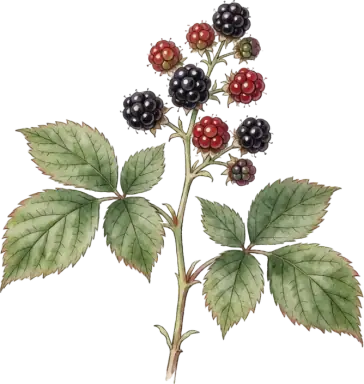
Every plant we cover that gets sooty blotch and flyspeck, grouped by type — tap any one to open its page. A note beside a plant came from that plant’s own entry, because the same disease can be a minor nuisance on one plant and a serious problem on another. Plenty of plants we do not cover get it too.
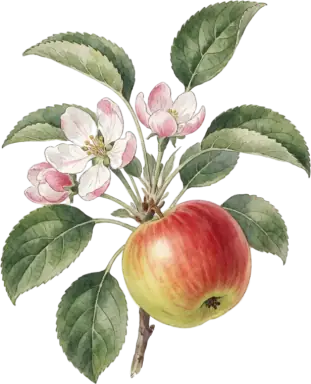
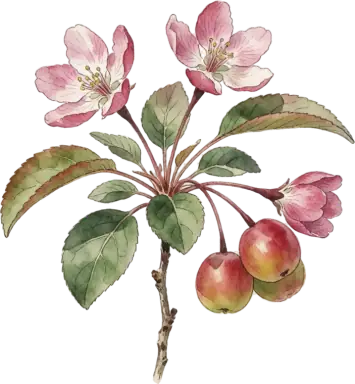
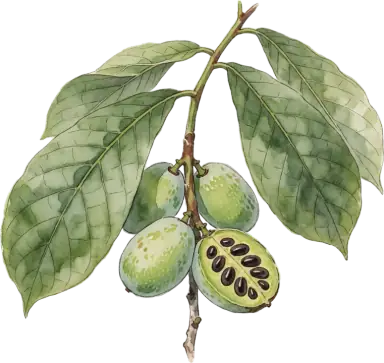
trees5
Plant families hit hardest
Related plants often share the same problems, so if one plant in a family has it, check the others. The largest group here is Rosaceae, with 5 of the 6 affected plants.
- Rosaceae5 plants
When to treat
It is cosmetic, so decide before petal fall whether you care: if you do, protective sprays run through the humid part of summer, and if you do not, the fruit is still perfectly good and the marks scrub off.
Timing only — the label is the law
This page tells you when to watch for sooty blotch and flyspeck and when treating is worth considering. It is not a recommendation to apply any particular product. Read and follow the product label before you spray — under federal law the label is the legal instruction, and using a pesticide against it is illegal.
- Check the pre-harvest interval. Every product that’s cleared for an edible crop sets a minimum number of days between spraying and picking. Find it on the label before you spray anything you intend to eat.
- Check the re-entry interval before you or anyone else works in the treated area again, and use the protective equipment the label names.
- Confirm the product is registered for your crop in your state. This page groups many different crops together, and a product legal on one of them is not legal on all of them — state registrations differ too. Your state pesticide agency or local extension office can confirm both.
- Rates and mixing instructions come from the label, never from us. We don’t publish them because they differ by product and formulation.
Other problems on the same plants
If a plant gets sooty blotch and flyspeck, these are the problems it most often gets as well, so they are worth checking for while you are out there. They tend to appear together; one does not cause another.