Heritage
Self-fertile
- Chill
- 400–800 hrs
- Ripens
- Late Aug through frost
- Zones
- 4-9
- Disease
- moderate; susceptible to Phytophthora root rot on wet soils, so needs well-drained ground
- Size
- erect 4-6 ft, largely self-supporting
medium firm berries, mild-sweet; excellent for freezing and jam — The benchmark fall-bearer: mow all canes to the ground in late winter for one easy, reliable primocane crop. As a primocane-fruiting type its effective chill requirement is low; published chill figures for raspberries are inexact.
Where to buy ‘Heritage’verified
Story Thyme Farms may earn a small commission from these links, at no cost to you — it never changes what we recommend.
Caroline
Self-fertile
- Chill
- 200–500 hrs
- Ripens
- Aug through frost
- Zones
- 4-9
- Disease
- good; more root-rot tolerant than Heritage but drought-sensitive
- Size
- vigorous erect 4-6 ft
large berries with rich, intense flavor; among the best-tasting fall reds — Best flavor of the fall-bearing reds and more root-rot tolerant than Heritage, but it needs steady moisture and well-drained soil. Widely adapted, low effective chill (nurseries cite ~200 c.u.).
Where to buy ‘Caroline’verified
Story Thyme Farms may earn a small commission from these links, at no cost to you — it never changes what we recommend.
Latham
Self-fertile
- Chill
- 800–1200 hrs
- Ripens
- Mid-July
- Zones
- 3-8
- Disease
- moderate; mosaic-tolerant heirloom, berries can be soft
- Size
- vigorous upright 4-6 ft
soft, mild classic raspberry; good fresh and for jam — Extremely cold-hardy 1920s University of Minnesota heirloom that reliably fruits through Upper-Midwest winters. Summer floricane type; exact chill figure is uncertain.
Where to buy ‘Latham’
Story Thyme Farms may earn a small commission from these links, at no cost to you — it never changes what we recommend.
Boyne
Self-fertile
- Chill
- 800–1200 hrs
- Ripens
- Early-mid July
- Zones
- 3-8
- Disease
- good; very hardy, some anthracnose susceptibility
- Size
- compact 3-5 ft
aromatic sweet-tart; excellent for jam and freezing — One of the hardiest summer reds (a Manitoba release), thriving where winters reach zone 3. Chill figure approximate.
Where to buy ‘Boyne’verified
Story Thyme Farms may earn a small commission from these links, at no cost to you — it never changes what we recommend.
Nova
Also known as Nova Red
Self-fertile
- Chill
- 700–1200 hrs
- Ripens
- Early July
- Zones
- 3-8
- Disease
- good; tolerant of common cane diseases
- Size
- erect 4-5 ft, nearly thornless
firm, bright, slightly tart berries with long shelf life — Hardy, nearly spine-free summer red from Nova Scotia (AAFC Kentville); tolerates cold winters well. Chill figure approximate.
Where to buy ‘Nova’
Story Thyme Farms may earn a small commission from these links, at no cost to you — it never changes what we recommend.
Prelude
Self-fertile
- Chill
- 600–1000 hrs
- Ripens
- Late June-early July, small fall crop
- Zones
- 4-8
- Disease
- good (Phytophthora root-rot resistant)
- Size
- moderately vigorous 4-6 ft
good early flavor, medium-firm berries — Earliest-ripening summer red (a Cornell release) plus a bonus fall crop, with strong resistance to root rot. Chill figure approximate.
Where to buy ‘Prelude’
Story Thyme Farms may earn a small commission from these links, at no cost to you — it never changes what we recommend.
Joan J
Self-fertile
- Chill
- 500–900 hrs
- Ripens
- Aug through frost
- Zones
- 4-9
- Disease
- good; vigorous and productive
- Size
- erect 4-5 ft, spineless
large, sweet, firm berries — Spine-free canes and heat tolerance make it an easy-picking, high-yield fall raspberry. Primocane-fruiting; chill figure approximate.
Where to buy ‘Joan J’
Story Thyme Farms may earn a small commission from these links, at no cost to you — it never changes what we recommend.
Anne
Also known as Golden Anne
Self-fertile
- Chill
- 400–800 hrs
- Ripens
- Sept-Oct
- Zones
- 5-9
- Disease
- moderate
- Size
- tall 4-6 ft
pale-gold berries, sweet with an apricot note; dessert quality — Prized sweet golden dessert berry; a late-fall primocane type whose canes may need winter protection at the cold edge of its range. Low effective chill; figure approximate.
Where to buy ‘Anne’verified
Story Thyme Farms may earn a small commission from these links, at no cost to you — it never changes what we recommend.
Jewel
Also known as Jewel Black
Self-fertile
- Chill
- 600–1000 hrs
- Ripens
- Early-mid July
- Zones
- 4-8
- Disease
- good for a black raspberry (relatively disease-resistant)
- Size
- arching 4-6 ft canes that tip-root
rich, sweet true black-raspberry flavor; firm — The standard black raspberry (Rubus occidentalis), more disease-resistant and productive than older types. Chill figure approximate.
Where to buy ‘Jewel’verified
Story Thyme Farms may earn a small commission from these links, at no cost to you — it never changes what we recommend.
Royalty
Self-fertile
- Chill
- 700–1000 hrs
- Ripens
- Late July-Aug
- Zones
- 4-8
- Disease
- good; resistant to the large raspberry aphid that spreads mosaic
- Size
- vigorous tall 5-7 ft
large, very sweet purple berries; best cooked or as jam, mild when fresh — Ultra-hardy purple hybrid (R. idaeus x R. occidentalis) with huge yields, at its best in jam, pies, and freezing. Chill figure approximate.
Where to buy ‘Royalty’
Story Thyme Farms may earn a small commission from these links, at no cost to you — it never changes what we recommend.
Dorman Red
Also known as Dormanred
Self-fertile
- Chill
- 200–400 hrs
- Ripens
- June-July
- Zones
- 6-9
- Disease
- excellent (heat, drought, and disease resistant)
- Size
- vigorous, tall, arching/trailing canes
firm, mildly sweet; best cooked or processed — A low-chill Mississippi State hybrid (crossed with a heat-tolerant southern-China species) that is essentially the only raspberry to reliably fruit in the hot, humid Deep South.
Where to buy ‘Dorman Red’
Story Thyme Farms may earn a small commission from these links, at no cost to you — it never changes what we recommend.
Bababerry
Also known as Southern Bababerry, Baba Red
Self-fertile
- Chill
- 200–400 hrs
- Ripens
- June-July, again Sept-Oct
- Zones
- 6-10
- Disease
- good; heat- and sunburn-tolerant
- Size
- vigorous 5-6 ft
large, firm, sweet berries; good fresh — A low-chill raspberry (developed in California) for hot, mild-winter regions; give it afternoon shade to prevent sunburn. Everbearing habit and exact chill figure are not well documented.
Where to buy ‘Bababerry’
Story Thyme Farms may earn a small commission from these links, at no cost to you — it never changes what we recommend.
Killarney
Self-fertile
- Ripens
- Midseason summer, just behind Boyne
- Zones
- 3-7
- Disease
- reduced susceptibility to spur blight; susceptible to powdery mildew and anthracnose
- Size
- upright 4-6 ft, spiny, suckers heavily
medium bright red berries, light-coloured, sweet and mild; freezes well — An old Manitoba-bred summer red kept around for sheer cold hardiness, and one of the few cultivars extension lists as less susceptible to spur blight. It suckers freely and needs a trellis. No sourced chill figure exists for it.
Where to buy ‘Killarney’
Story Thyme Farms may earn a small commission from these links, at no cost to you — it never changes what we recommend.
Encore
Self-fertile
- Ripens
- Late summer, late July into early August
- Zones
- 4-9
- Disease
- root-rot resistant; winter cane damage possible at the cold edge
- Size
- tall, vigorous, nearly spineless canes
large berries, very sweet with a smooth mouthfeel — A Cornell summer red that ripens after every other floricane variety, which is the whole point of growing it - it stretches the summer picking season by a couple of weeks. Nearly spineless. No sourced chill figure.
Where to buy ‘Encore’
Story Thyme Farms may earn a small commission from these links, at no cost to you — it never changes what we recommend.
Nantahala
Self-fertile
- Ripens
- Very late fall crop, mid-August to early September until hard frost
- Zones
- 6-9
- Disease
- resistant to late leaf rust and leaf spot under minimal fungicide; virus susceptibility unknown
- Size
- primocane-fruiting red
very large, light-coloured berries with intense flavour — NC State's first red raspberry release in over 50 years, bred for mountain sites with long seasons, mild summers, and enough winter cold to satisfy dormancy. It ripens later than any standard primocane type, so it needs a long autumn - in a short-season zone the crop simply will not finish. No sourced chill figure.
Where to buy ‘Nantahala’
Story Thyme Farms may earn a small commission from these links, at no cost to you — it never changes what we recommend.
Bristol
Self-fertile
- Ripens
- Early summer, July
- Zones
- 4-8
- Disease
- very susceptible to anthracnose; least winter-hardy of the raspberry types - black raspberries take cane injury sooner than reds or purples
- Size
- upright vigorous canes 4-5 ft, no staking needed
large, firm, richly sweet black raspberries with a touch of tartness — The classic early black raspberry from Cornell, still grown for fruit quality despite being the anthracnose magnet of the group - budget for the delayed-dormant lime sulfur spray. Nurseries list it at zones 4-8 but sources disagree at the cold end (some say 5-8); black raspberries are the least winter-hardy raspberry type, so at the cold edge of its range expect cane injury in an open winter. No sourced chill figure.
Where to buy ‘Bristol’
Story Thyme Farms may earn a small commission from these links, at no cost to you — it never changes what we recommend.
Niwot
Self-fertile
- Ripens
- Late June floricane crop and late August primocane crop
- Zones
- 5-8
- Size
- vigorous 4-6 ft; benefits from trellising and tip pruning
very large glossy black berries with very small seeds — The only primocane-fruiting black raspberry there is, so it is the one way to get a fall black-raspberry crop or to double-crop a black. Bred in Colorado; can fruit in its first fall after planting. No sourced chill figure.
Where to buy ‘Niwot’
Story Thyme Farms may earn a small commission from these links, at no cost to you — it never changes what we recommend.
Double Gold
Self-fertile
- Ripens
- July floricane crop and September through frost on primocanes
- Zones
- 4-8
- Disease
- resistant to Phytophthora root rot and common leaf diseases
- Size
- tall 5-8 ft
peachy-gold to coral berries, tender, juicy, sweet — A 2012 Cornell introduction and the rare gold raspberry with real Phytophthora root-rot resistance, which is what usually kills gold varieties on heavy or wet ground. Berries are tender, so it is a garden fruit rather than a market one. No sourced chill figure.
Where to buy ‘Double Gold’verified
Story Thyme Farms may earn a small commission from these links, at no cost to you — it never changes what we recommend.
Crimson Night
Self-fertile
- Ripens
- Late June floricane crop and September primocane crop
- Zones
- 4-8
- Disease
- resistant to Phytophthora root rot and common leaf diseases
- Size
- 5-8 ft; stays notably more compact in cold northern sites, container-suitable there
conical, glossy, very dark red berries; firm and juicy — A Cornell primocane red with red-tinted canes, ornamental enough to sit in a mixed border or a large container, and root-rot resistant. Stays compact in the north. No sourced chill figure.
Where to buy ‘Crimson Night’
Story Thyme Farms may earn a small commission from these links, at no cost to you — it never changes what we recommend.
Brandywine
Self-fertile
- Ripens
- Late summer floricane crop, late July to mid-August; summer-bearing, NOT everbearing
- Zones
- 4-8
- Disease
- susceptible to crown gall; extension lists it among cultivars less susceptible to spur blight; good winter hardiness
- Size
- very tall, vigorous, thorny canes
extra-large firm reddish-purple berries, tart; bakes to a vibrant red, excellent for wine, canning and freezing — A Cornell black x red purple raspberry, tart enough that it is really a processing fruit rather than a fresh-eating one. It is a floricane (summer-bearing) type like all purple raspberries - it fruits on second-year canes, so prune it as a summer-bearer and never mow the whole planting to the ground, or you lose the crop. Cut laterals back to about 18 inches. Keep it 75 to 100 feet away from black raspberries, since purples and blacks trade viruses. No sourced chill figure.
Where to buy ‘Brandywine’
Story Thyme Farms may earn a small commission from these links, at no cost to you — it never changes what we recommend.




 PruningIn winter
 Bloom
Bloom










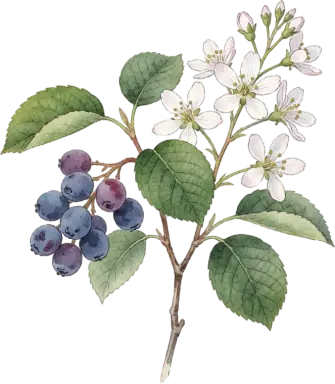 Serviceberry / Juneberry
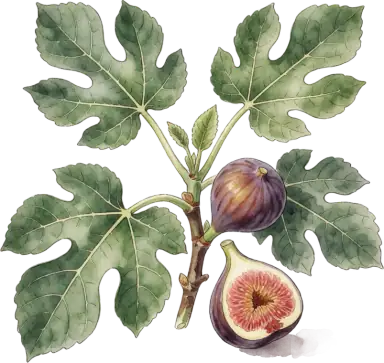 Fig
Fig Elderberry
 Blackberry