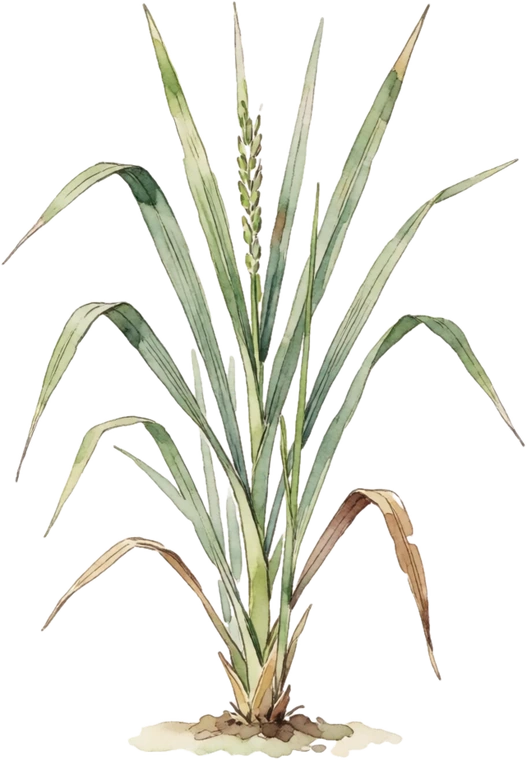
The illustrated growing guide
Lemongrass
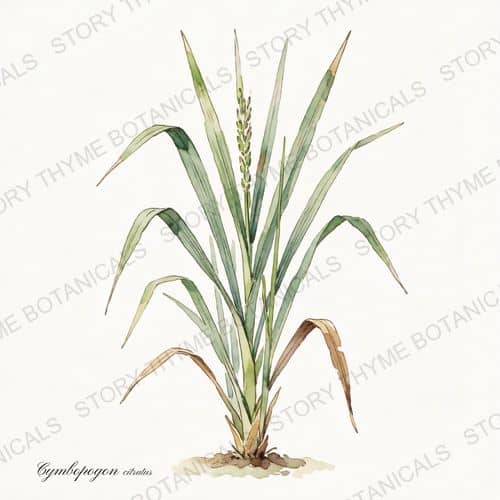
Cymbopogon citratus
Family Poaceae
Est. zones 9-11

One supermarket stalk rooted in water in April = a 4-foot fountain by August and twenty stalks for the freezer. Gorgeous enough for ornamental beds.

From the print shop
Growing lemongrass? Hang it.
Our Tea Herbs collection carries lemongrass — Cymbopogon citratus, print Nº 14, “Lemongrass.”
16 designsfrom $21.99white or black groundmatte poster, unframed
I
Overview
Will lemongrass suit your garden, and what goes wrong.
Will it fruit where you are?
Enter your ZIP — we look up your USDA hardiness zone (2023 map) and check it against what lemongrass actually needs.
Lemongrass at a glance
Common lemongrass problems
- Almost none
- Rust (rare)
II
Growing
Light, water, soil, propagation and the season’s jobs.
How to grow lemongrass: light, water & soil
How to plant & propagate lemongrass
The lemongrass growing playbook
Field-tested instructions for every job lemongrass asks of you, compiled from university extension guidance — in the order the season brings them.
Planting out
Set out only after the last frost, and give it three feet
Plant divisions or nursery starts outdoors once all danger of frost has passed and nights are warming, spacing them 3 feet apart in full sun. Expect almost nothing for the first few weeks, then rapid growth once real summer heat arrives. Lemongrass is a tropical grass with no frost tolerance, and it stalls until soil and air are genuinely warm. A well-fed clump reaches 3 to 6 feet tall and 3 feet wide, so crowded plants shade each other out of the thick stalks you actually harvest.
Feeding
Feed it like the hungry grass it is
Through the warm growing season, water plants in the ground with a half-strength balanced soluble fertilizer about once a month; feed plants in containers the same solution weekly. Water regularly and avoid letting containers dry out, but do not leave the soil waterlogged. Lemongrass is a grass and pulls heavy nitrogen to build leaf and stalk. Bulk is the crop here, so the size of the clump by season's end is a direct function of how much water and nitrogen it got while it was hot.
Dividing
Save a piece of the base to start next year's plants
When you harvest or lift the clump before the first frost, set aside a 6 inch section of the bulbous shoot base with roots attached. Split it into pieces, pot them in good potting soil, and grow them on in a warm, bright window over winter; move them back out after frost danger passes. Fresh grocery-store stalks with an intact root plate will also root in a glass of water in about two weeks. Lemongrass is propagated by division rather than seed in practice, and each shoot base carries its own root plate, so one summer's clump is next summer's whole planting for free.
What to watch for
Watch overwintering plants for spider mites
Lemongrass is essentially pest and disease free outdoors, but plants brought inside for winter are prone to spider mites. Check leaf undersides for fine stippling and webbing. Knock a light infestation off with a forceful spray of water, or treat with insecticidal soap. Hot, dry indoor air is exactly the condition spider mites breed fastest in, and the pest that never troubled the plant in the garden becomes its main winter problem the moment it comes through the door.
⚠ Insecticidal soap only kills mites it actually wets, so coverage on the leaf undersides is the whole treatment - and rinse harvested stalks before eating. Read and follow the product label for use on an edible herb.
Protection
Harvest or lift before the first freeze - frost ends the plant
Harvest or dig the clump before overnight temperatures reach freezing. Outside zones 9 to 11 lemongrass will not survive winter in the ground, so either treat it as an annual and take the whole harvest, or lift it and bring potted plants indoors as temperatures cool, keeping them in a warm, bright, sunny spot. Frost kills or severely damages this tropical grass outright, and there is no dormancy to wait out. Everything you have grown all summer is standing in the open when the first freeze arrives.
Harvesting
Cut stalks at the ground once they are half an inch thick
Harvest any time a stalk reaches about half an inch thick. Cut it off at ground level, or push an outside stalk to the side and twist and pull it free. Take the oldest, outermost stalks first, and use the bulbous bottom few inches. Taking the outer stalks first opens the center of the clump and pushes the plant to throw new shoots, so the same clump keeps producing instead of going woody. Thickness, not calendar age, is what tells you a stalk has laid down usable flavor in its base.
III
The year
What lemongrass asks for, month by month.
The lemongrass year, month by month
What each band means
- Harvest — picking time — check ripeness every few days.
The lemongrass year as text
- Jan quiet month
- Feb quiet month
- Mar quiet month
- Apr quiet month
- May quiet month
- Jun quiet month
- Jul quiet month
- Aug harvest
- Sep quiet month
- Oct quiet month
- Nov quiet month
- Dec quiet month
These are the species' typical months — expect them a few weeks earlier in warm zones and later in cold ones. Watch the plant, not just the calendar.
IV
Ecology & uses
What it does for the garden, and what it is grown for.
Lemongrass in the garden system
- Herbaceous layer grass
What lemongrass is grown for
✓ Commonly eatenblades are sharp — gloves
Harvesting & storing lemongrass
August - Frost: cut stalks at soil, use the bottom 4 in.
Edibility, identification, and traditional-use notes here are general reference — not medical or veterinary advice, and not a claim that any plant treats or prevents anything. Medicinal ratings record how strongly a plant features in herbal tradition, nothing more. Never eat or dose a plant you have not positively identified. More on how to use this library.
V
Cultivars
Named varieties of lemongrass, ruled as a catalogue.
Best lemongrass varieties & cultivars
East Indian; West Indian (the cooking standard)
VI
Sources & plant ID
Where the care distinctions come from, and how the plant is filed.
Research basis
Sources behind this profile
No extension citations are attached to lemongrassyet. The care figures below come from the library's own catalogue rather than a traced primary source.
Plant ID
VII
Where to buy
Third-party nurseries — not Story Thyme Farms.
Third-party nurseries, not Story Thyme Farms. Prices are theirs.
Story Thyme Farms may earn a small commission from these links, at no cost to you — it never changes what we recommend.
VIII
Questions
Lemongrass questions, answered straight.
Is lemongrass safe for kids and pets?
Lemongrass is commonly eaten and isn't considered toxic, but "commonly eaten" isn't a guarantee for any particular person or animal — allergies, quantity, and which part you eat all matter. One caveat on this one: blades are sharp — gloves. Never eat a plant you haven't positively identified, and check with a vet before letting pets or livestock graze anything new.
When do you harvest lemongrass?
August - Frost: cut stalks at soil, use the bottom 4 in.
How do you propagate lemongrass?
Division or seed.
IX
Elsewhere
Where lemongrass sits in the library.
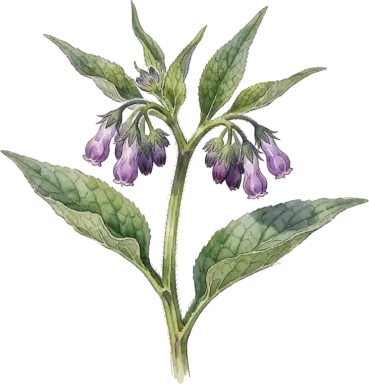
Comfrey
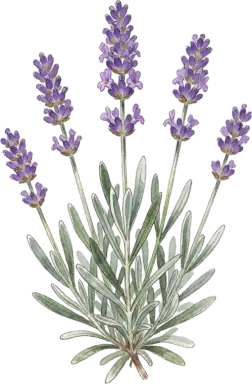
Lavender
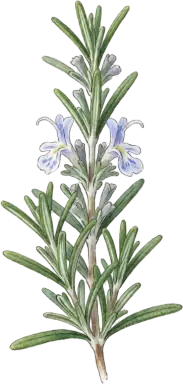
Rosemary
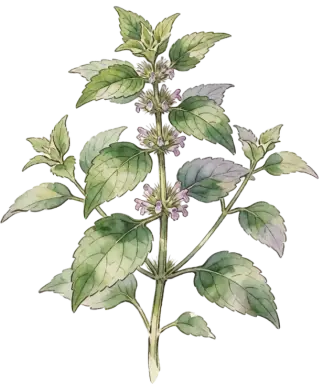
Anise Hyssop