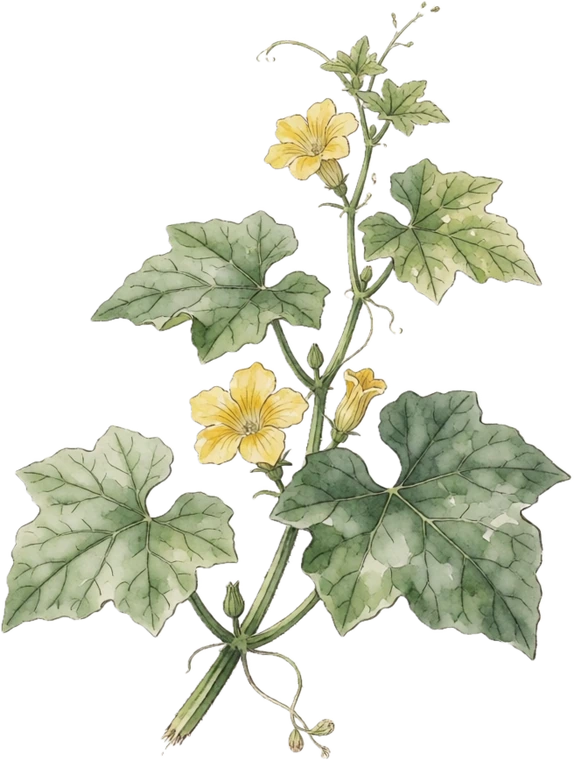
The illustrated growing guide
Luffa Gourd
Luffa aegyptiaca
Family Cucurbitaceae
Grown as an annual

Yes, the shower sponge grows on a vine. Northern trick: start indoors in April in big pots, transplant to the hottest wall you own. One good vine = a decade of sponges + gifts nobody else gives.

From the print shop
Growing luffa gourd? Hang it.
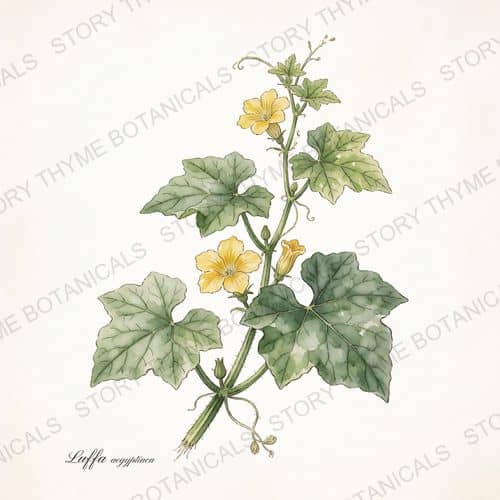
Our Melons & Heirloom Vines collection carries luffa gourd — Luffa aegyptiaca, print Nº 10, “Luffa.”
16 designsfrom $21.99white or black groundmatte poster, unframed
I
Overview
Will luffa gourd suit your garden, and what goes wrong.
Will it fruit where you are?
Enter your ZIP — we look up your USDA hardiness zone (2023 map) and check it against what luffa gourd actually needs.

Luffa Gourd at a glance
Common luffa gourd problems
II
Growing
Light, water, soil, propagation and the season’s jobs.
How to grow luffa gourd: light, water & soil
How to plant & propagate luffa gourd
When to spray luffa gourd
Growing season. Row cover till bloom; mildew arrives late (after sponges set) — mostly ignorable.
The luffa gourd growing playbook
Field-tested instructions for every job luffa gourd asks of you, compiled from university extension guidance — in the order the season brings them.
Sowing
Soak the seed and start it indoors, four to six weeks before your last frost
Soak seed in warm water for 24 hours, then sow two or three seeds per cell in flats and thin to one plant per cell once the first true leaves appear. Grow them on for four to six weeks somewhere warm, about 65 to 70 F, and do not set them out until all danger of frost is past. Luffa is a tropical vine that needs a long frost-free run and real heat to flower and fruit, and a sponge can take 150 to 200 days to mature. Outside the deep South the season is simply too short to direct-sow and still get a hard, dry sponge.
Planting out
Build the trellis first, then plant beneath it once frost is done
Put up a vertical trellis at least six feet tall before you plant, built to take real weight. The commercial standard is 4x4 posts set ten feet apart carrying heavy gauge wire or cable along the top. Then set plants 12 to 18 inches apart in the row with rows five or more feet apart, after all danger of frost has passed. The vines run 30 feet or more and a mature crop of gourds is heavy enough to pull down a flimsy structure. Fruit that rests on the ground rots or cures crooked, and a trellis is what gives you straight, clean sponges plus the airflow that keeps mildew down.
Feeding
Start sidedressing nitrogen as the vine comes into flower
Follow the lime and fertilizer rates your soil test gives for cucumbers. Then sidedress nitrogen two or three times across the growing season at roughly 20 to 25 pounds per acre each time, either banded alongside the row or run through the drip line. Flowering is a practical point to begin the split doses. Fruit set and months of vine growth happen at the same time, and the plant is carrying both loads at once. Feeding in split doses from flowering onward keeps new growth and new fruit coming instead of dumping all the nitrogen up front into leaves you do not need.
Pruning
Strip the first four side shoots and hand-train the vine up weekly
As the vine starts to run, remove the first four lateral shoots counting from the soil line upward. Then walk the row once a week and hand-train the leader onto the trellis until it reaches the top wire. Those low laterals sprawl into the ground where fruit rots and air stops moving, and they spend the plant's early energy sideways instead of upward. Getting the leader to the top wire fast is what buys enough hanging fruit to mature before the season ends.
What to watch for
Watch for cucumber beetles and mildew, but manage them culturally
Check the vines through the summer for cucumber beetles, spider mites, leafminer damage, powdery and downy mildew, and virus symptoms. On luffa these have all been minor problems, and the control is cultural: rotate the ground out of cucurbits, prune the low laterals as described, and irrigate by drip rather than overhead. Drip keeps water off the foliage, and mildew and most cucurbit leaf disease need wet leaves to establish. Rotation breaks the beetle and disease carryover in the soil, which matters more here than any rescue spray would.
⚠ Luffa is a minor crop with very few pesticides cleared for it. Do not apply any product unless gourds are specifically listed on that product's label, and follow the label's pre-harvest interval. Never spray an insecticide while the vines are in bloom, since bees are the only reason your fruit sets.
Protection
Pull any row cover off once the female flowers open
If you used row cover early for beetles, take it off once female flowers appear and leave the vines open to insects for the rest of the season. Female flowers sit singly and carry a small swollen gourd at the base of the bloom; male flowers come in clusters on a plain, even stem and show up weeks earlier, so do not pull the cover on the first flush of males alone. Commercial growers go the other way and bring one or two hives of bees per acre to sit beside the planting through full bloom. Luffa is monoecious, carrying separate male and female flowers, so every single fruit exists only because an insect carried pollen from one to the other. Cucurbit flowers stay open only about 24 hours, so a cover left on through female bloom keeps beetles out and keeps your entire crop from setting.
Harvesting
For sponges wait for brown and rattling, for eating pick under six inches
For sponges, leave the gourds on the vine until they turn brown, feel light and dry, and rattle with loose seeds when shaken. You can also take them earlier, once a dark green gourd starts to yellow and the skin gives when you squeeze it gently. To eat them instead, cut fruit at under six inches and cook it like squash. Check the vines daily. Any fruit still out is worth bringing in ahead of a hard freeze. The sponge is the fruit's fiber skeleton, and it only hardens if the gourd is allowed to dry down on the vine, which is why the rattle of loose seed is the real signal. Fruit puts on an inch to an inch and a half a day, so tender eating-size gourds are easy to miss and worth checking for daily. Cold ruins a warm-season gourd left hanging.
Soak the skins off, shake the seed out, finish with a bleach rinse
Finish drying any green gourds indoors in a warm, well-ventilated spot. Soak each gourd in warm water for five to twenty minutes until the sponge slips out of its skin. Break the cap off the blossom end and shake the seed out, saving some for next year. Give the sponges a final rinse in a 10 percent household bleach solution to lighten them, then dry them fully. Wetting the skin separates it from the fiber so it peels in sheets instead of tearing, and the bleach rinse lifts the staining left behind by the rotting skin. A sponge put away before it is bone dry will mildew in storage.
⚠ Mix bleach with water only, never with ammonia or any other cleaner, and work somewhere with fresh air moving.
III
The year
What luffa gourd asks for, month by month.
The luffa gourd year, month by month
What each band means
- Bloom — flowers open — pollinators working, frost on blossoms is the danger.
The luffa gourd year as text
- Jan quiet month
- Feb quiet month
- Mar quiet month
- Apr quiet month
- May quiet month
- Jun bloom
- Jul bloom
- Aug bloom
- Sep quiet month
- Oct quiet month
- Nov quiet month
- Dec quiet month
These are the species' typical months — expect them a few weeks earlier in warm zones and later in cold ones. Watch the plant, not just the calendar.
IV
Ecology & uses
What it does for the garden, and what it is grown for.
Luffa Gourd in the garden system
- Vine layer annual
What luffa gourd is grown for
✓ Commonly eaten
Harvesting & storing luffa gourd
Young 6-in fruits = edible like zucchini; SPONGES: leave on vine until skin browns and seeds rattle, then peel, shake seeds, bleach-rinse.
Edibility, identification, and traditional-use notes here are general reference — not medical or veterinary advice, and not a claim that any plant treats or prevents anything. Medicinal ratings record how strongly a plant features in herbal tradition, nothing more. Never eat or dose a plant you have not positively identified. More on how to use this library.
V
Cultivars
Named varieties of luffa gourd, ruled as a catalogue.
Best luffa gourd varieties & cultivars
'Smooth Boy'; angled luffa (L. acutangula — the better eating one)
VI
Sources & plant ID
Where the care distinctions come from, and how the plant is filed.
Research basis
Sources behind this profile
No extension citations are attached to luffa gourdyet. The care figures below come from the library's own catalogue rather than a traced primary source.
Plant ID
VII
Where to buy
Third-party nurseries — not Story Thyme Farms.
Third-party nurseries, not Story Thyme Farms. Prices are theirs.
Story Thyme Farms may earn a small commission from these links, at no cost to you — it never changes what we recommend.
VIII
Questions
Luffa Gourd questions, answered straight.
Is luffa gourd safe for kids and pets?
Luffa Gourd is commonly eaten and isn't considered toxic, but "commonly eaten" isn't a guarantee for any particular person or animal — allergies, quantity, and which part you eat all matter. Never eat a plant you haven't positively identified, and check with a vet before letting pets or livestock graze anything new.
When do you harvest luffa gourd?
Young 6-in fruits = edible like zucchini; SPONGES: leave on vine until skin browns and seeds rattle, then peel, shake seeds, bleach-rinse.
How do you propagate luffa gourd?
From seed.
IX
Elsewhere
Where luffa gourd sits in the library.
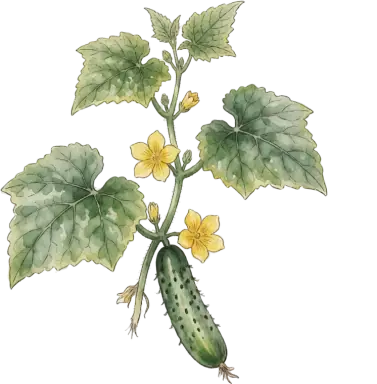
Cucumber
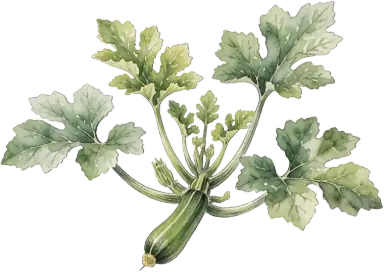
Squash
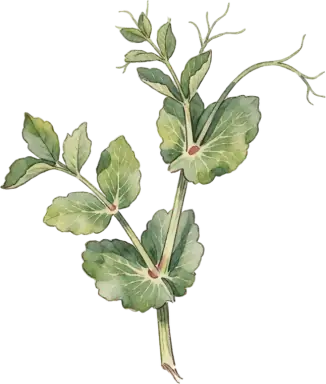
Pea
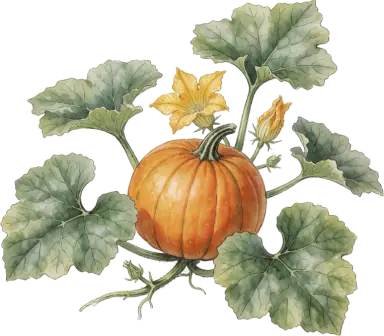
Pumpkin