Pea

Pisum sativum

Family Fabaceae

Annual annualZones 2-11

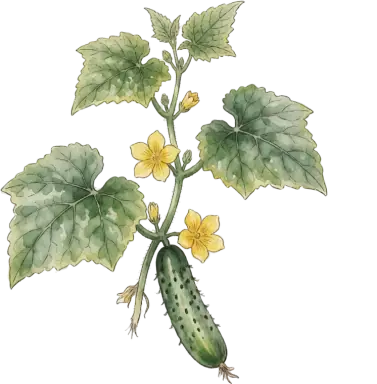
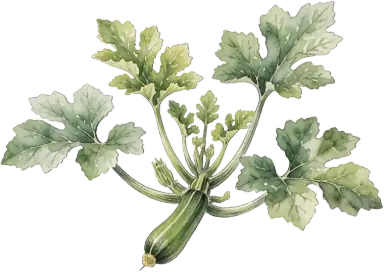
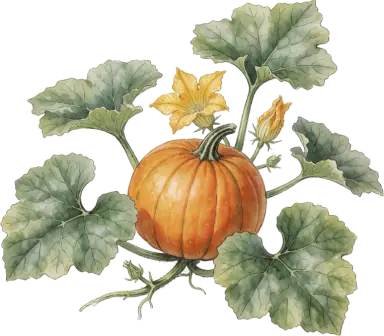
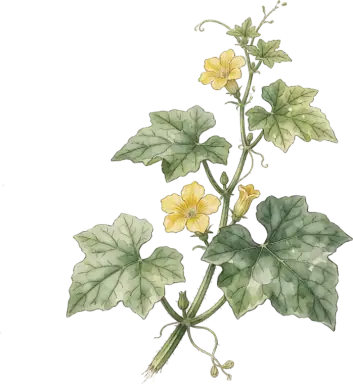
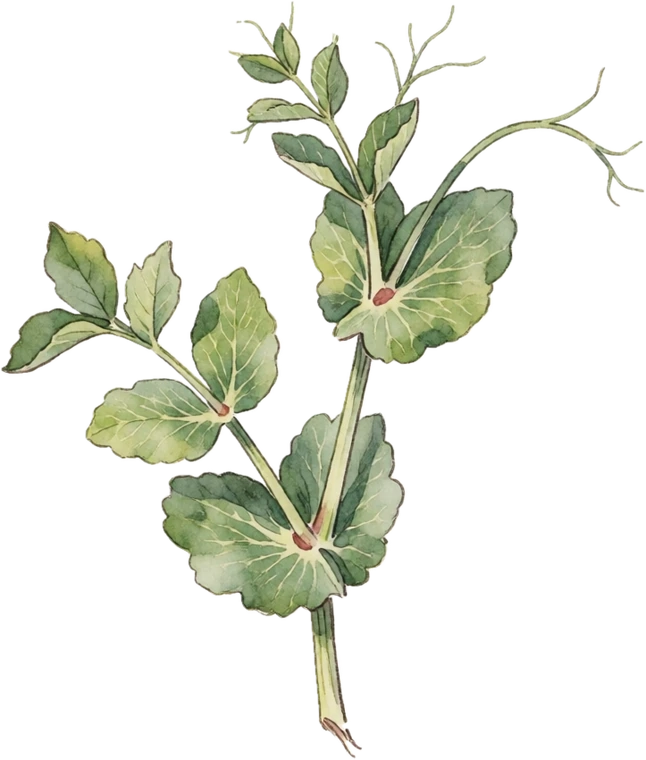
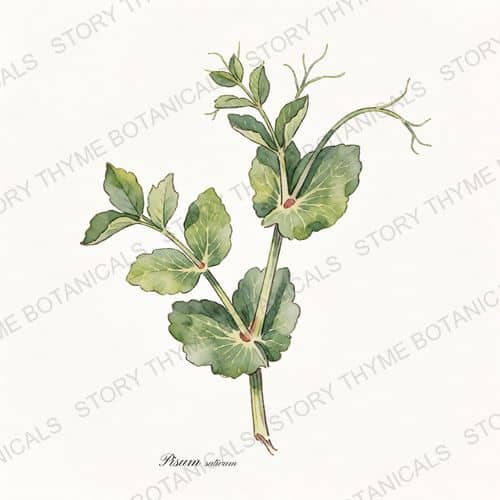
Botanical illustration of Pea

Snap peas eaten standing in the garden rarely survive the walk to the kitchen, which tells you everything about how they compare with the store's. Peas are spring's sprint crop — sweet pods and shelling types ready in May and June, before summer even clears its throat.

Vines of 2-6 feet dress a trellis in white bloom and ask only cool weather and sun. They are self-fertile, quick, and done before prime bed space is needed for summer crops — then a second sowing brings a fall encore. String a trellis and let spring race.

Where to buy pea — 8 nurseries compared

  • Full Sun
  • Moderate water
  • Fast growth
  • Excellent edible
  • None winter chill
Peas — a print from the Plant Library collection

From the print shop

Growing pea? Hang it.

Our Plant Library collection carries pea — Pisum sativum, print Nº 356, “Peas.”

526 designsfrom $12.99white or black backgroundmatte poster, unframed

Shop Plant Library botanical prints →

✓

Will it fruit where you are?

Enter your ZIP — we look up your USDA hardiness zone (2023 map) and check it against what pea actually needs.

Life cycleAnnual
Winter chillNone
PollinationSelf-fertile

Pea · Common problems

Common pea problems

Pests, diseases and weather to keep an eye on.

Pea · Growing & propagation

Growing pea

Light, water, soil, propagation and the season’s jobs.
What it needsThe details
Light
Full Sun

Tolerate light shade

Water
Moderate

Mulch to cool roots

Soil
Average, Well-drained · pH 6.0 - 7.5
Fertilizer
None needed (nitrogen fixer)

Inoculant at sowing helps.

Pruning
None (annual) — None.
Spacing
2 inches

How to plant & propagate pea

Maturity
55-70 days
From seed
Direct-sow very early spring, soil 40°F+

A cool-season crop

Propagate
From seed

Pea · Harvest & keeping

What you get from pea

How long before it bears, how much it gives, how you know it is ready, and how long it keeps once picked.
Botanical illustration of Pea
Years to first harvest
0 years
Typical yield
2–6 lbs per 10ft row
What you eat
Pods; peas
How to tell it is ready
Harvest shell peas when pods are plump or edible pods while tender
How long it keeps
2-5 days refrigerated

Freezes well

Pea · Seasonal care & spray guidance

The pea growing playbook

Field-tested instructions for every job pea asks of you, compiled from university extension guidance — in the order the season brings them.

When to spray pea

Growing season. Mildew hits late plantings — sow EARLY (St. Patrick's Day tradition) so harvest beats heat.

As growth begins

early spring

4 jobs
SowingIn spring

Sow as soon as the ground thaws - earliness is the whole game

Direct sow the moment the soil is workable, covering seed with about an inch of firmed soil. Sow in narrow trenches six to seven inches apart, or broadcast a wide row about two inches apart in all directions so the plants knit together. Do not wait for warmth. Peas run best between 55F and 65F and simply stop producing above 85F. Young plants shrug off a light frost and keep growing above 40F, so every week you sow early is a week of pod fill banked before the heat arrives and aborts the flowers.

FeedingIn spring

Go light on nitrogen - peas make their own

Skip the nitrogen feed. Soil test instead for phosphorus, potassium and micronutrients and correct only what the test calls for. If peas have never grown on this site, dust the seed with Rhizobium leguminosarum inoculant right before sowing - put a pinch in the seed packet and shake. Peas fix their own nitrogen from the air through Rhizobium nodules on their roots, so extra nitrogen just buys you lush vine at the expense of pods. The inoculant only matters where the bacteria are not already established, which is why it is worth it on new ground and a waste on a bed that has grown peas before.

What to watch forIn spring

Aphids: turn the leaves over and reach for the hose first

Check the undersides of leaves and the succulent growing tips weekly for colonies, and look for sticky honeydew or a line of ants as your tip-off. Wash colonies off with a forceful stream of water and repeat at intervals - that alone knocks populations down to a level the crop can carry. Look for aphid mummies before you do anything: they mean parasitic wasps are already working. Aphid feeding curls and distorts the new growth and coats the plant in honeydew that sooty mold then blackens. Because they cluster on soft tips, a water blast physically removes them without touching the lady beetles and wasps that keep the next generation down.

ProtectionIn spring

Set the trellis at sowing, not after the vines flop

Put poles, netting or a fence in the ground about three inches from the seed on the day you sow. Tall and indeterminate varieties need it; bush types two to three feet tall can be sown 12 to 18 inches wide and will cling to each other instead. Driving supports in later tears through roots that are already run out, and a vine that has flopped rarely climbs properly again. Growing the crop vertically also opens it to airflow, which dries the foliage and cuts the disease pressure that a tangled mat on the ground invites.

Through summer

the growing season

2 jobs
SowingIn summer

Fall crop: count back 8 to 10 weeks from your first frost

For a second crop, re-sow 8 to 10 weeks before your average first fall frost - count back from your own frost date rather than following a calendar month. Keep the seedbed well watered; late-summer soil is hot and dry and germination is the hard part. Peas need to reach pod fill as the weather cools but before frost ends the crop, and 8 to 10 weeks is the window that lands them there. Sown earlier they flower into summer heat and abort; sown later they run out of season.

SprayingThrough summer

Powdery mildew: sulfur at the first white bloom on the leaves

At the first sign of white powdery mats on the foliage, apply wettable dusting sulfur. Pull and bin badly infected plants rather than composting them, and do not put a fall pea crop back where the spring one mildewed. Resistant varieties - Knight, Sentry, Concord, Almoto, Aspen - are the cheaper answer. The fungus is driven by warm days, cool nights and humidity, so it builds as the crop ages and is worst on fall sowings. It carries over on infected seed and in plant debris, which is why last year's mildewed vines left in the bed are next year's early infection.

Harvest time

as it ripens, and picking

1 job
HarvestingAt harvest

Pick every day or two - peas go starchy fast

Shelling peas: pick when the pod is full and the peas are just slightly larger than the dry seed, while still thin-skinned. Snow peas: pick at full pod length with only small traces of peas showing. Snap peas: pick when pods look almost filled but are still juicy. Taste one every day or two rather than trusting the calendar. Sugar starts converting to starch the moment a pod hits maturity, and quality falls off within one to three days. There is no recovering it - a pea picked two days late is a mealy pea, and leaving mature pods on the vine also signals the plant to stop setting new ones.

After harvest

autumn, and putting it to bed

1 job
ProtectionAfter harvest

Clear the vines at once, and give the bed two years off peas

As soon as picking ends, pull the trellis and chop the vines deeply into the soil rather than letting them sit. Then keep peas out of that bed for at least two years. Fix any spot that puddles or is compacted before you sow peas there again. Pea root rots are a complex of soil-borne fungi - Aphanomyces, Pythium, Fusarium, Rhizoctonia, Sclerotinia - that build in the soil with each pea crop and persist in debris. They are worst where soil is waterlogged or compacted, and once established there is no rescuing a crop, so rotation and drainage are the only real controls.

Pea · Companion plants

Pea companion plants

Underlined names have their own growing guide in this library.

Pea · Calculators & field guides

A little help in the garden.

Calculators for the figures. Field guides for the hands-on work.

Pea · Yearly calendar

The pea year, month by month

What pea asks for, month by month.

Jan

No calendar activity is listed for this month.

MonthJanFebMarAprMayJunJulAugSepOctNovDec
Bloom
Harvest

BloomMarch to May

HarvestMay to June, then September to November

What each band means

  • Bloom — flowers open — pollinators working, frost on blossoms is the danger.
  • Harvest — picking time — check ripeness every few days.

These are the species' typical months — expect them a few weeks earlier in warm zones and later in cold ones. Watch the plant, not just the calendar.

Pea · Ecology & uses

Ecology & uses

What it does for the garden, and what it is grown for.
Botanical illustration of Pea

Pisum sativum

Pea in the garden system

  • Vine layer annual
  • N-fixer
Moisture
Facultative / average
Deer
Browsed

Protect young plants

Origin
Introduced

What pea is grown for

✓ Commonly eaten

Use
Fresh
Use
Snap
Use
Shelling
Use
Freezing
Edible value
4/5

Harvesting & storing pea

May - June, then fall crop. About 55-70 days from planting.

Edibility, identification, and traditional-use notes here are general reference — not medical or veterinary advice, and not a claim that any plant treats or prevents anything. Medicinal ratings record how strongly a plant features in herbal tradition, nothing more. Never eat or dose a plant you have not positively identified. More on how to use this library.

Pea · Varieties & cultivars

Best pea varieties & cultivars

There are far more than these — the ones below are the named varieties of pea people actually plant.

Named varieties of pea differ in days to maturity, disease resistance, flavor, and habit — pick one that fits your season and space.

20 varieties

Sources & plant identity

Know what you’re growing.
See where the knowledge comes from.

Botanical illustration of Pea

Pea

Pisum sativum

The plant, at a glance.

Botanical name
Pisum sativum
Plant family
Fabaceae
Growth habit
Annual
Origin
Introduced
USDA plant symbol
PISA6
Invasive risk
Low
Every garden is different.

Hardiness, size and timing vary with your cultivar, soil and climate.

Rooted in research.

University extension research, brought together with hands-on growing experience at Story Thyme Farms.

Explore Pea’s sources10 reference links
for Pea

Questions

Pea questions, answered straight.

Do I need two pea plants to get fruit?

No — pea is self-fertile, so a single plant will set a crop. A second one usually improves yields, but it isn't required.

Is pea safe for kids and pets?

Pea is commonly eaten and isn't considered toxic, but "commonly eaten" isn't a guarantee for any particular person or animal — allergies, quantity, and which part you eat all matter. Never eat a plant you haven't positively identified, and check with a vet before letting pets or livestock graze anything new.

When do you harvest pea?

May - June, then fall crop. From planting, expect about 55-70 days to maturity.

What grows well with pea?

Proven companions include carrots, radish, cucumber — the full companion list, and what to keep away, is in the Growing tab above.

Elsewhere

Where pea sits in the library.

Where pea sits in the library

Grows in the same world