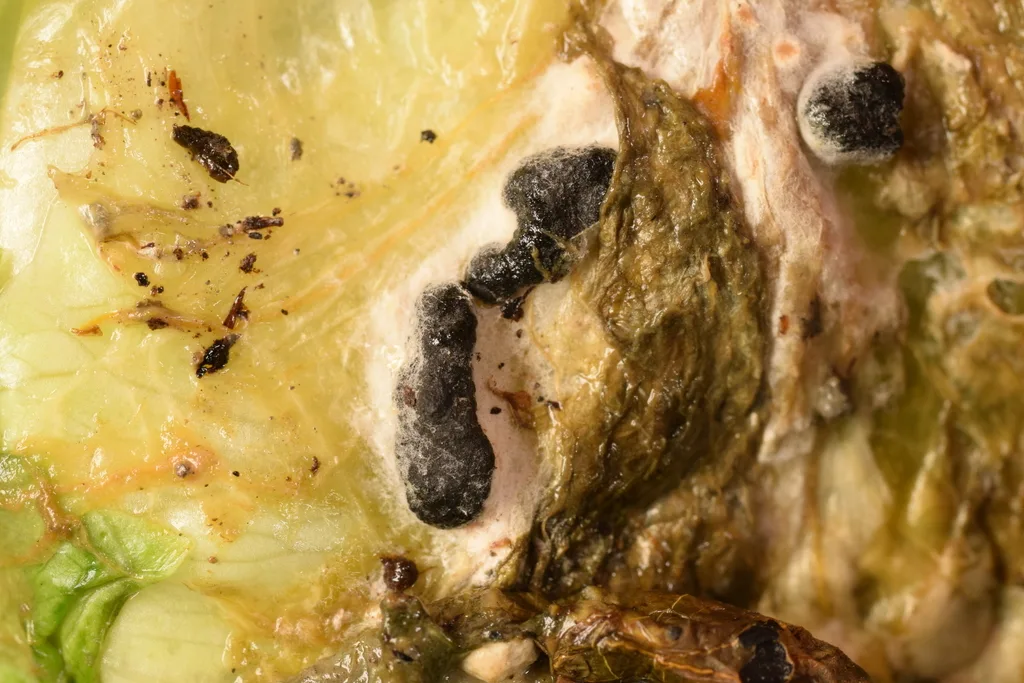
White Mold
A watery soft rot at the base of a stem or on a fruit lying on the ground, covered in dense white cottony growth that looks like cotton wool. Cut it open or look inside the stem and you find hard black lumps the size of rat droppings, and those black sclerotia are the sign that separates it from grey mould and any bacterial soft rot.
Disease checklist
Four things to look for. If most of them match what you are holding, you are in the right place.
What gets rid of it
Gentlest option first. For most backyard cases the first one is enough, so try these in order and stop as soon as it works. If you do spray something, the product label tells you how — please read the notice further down.
1Space plants wide
Give beans, lettuce and cabbage generous spacing so the canopy base dries out, since the fungus needs long uninterrupted wetness.
Try this first2Keep fruit off the soil
Trellis cucumbers and squash or set ripening fruit on a board or straw pad.
straw mulch for garden beds3Dig out infected plants with the soil around them
Remove the plant and a trowel of surrounding soil so the black sclerotia leave the bed, and bin rather than compost it.
4Rotate to grass family crops
Follow an outbreak with sweet corn or a cereal rye cover, because grasses are not hosts and break the cycle.
cereal rye cover crop seed5Water low and early
Drip or soaker irrigation in the morning keeps the crown zone from staying wet for the many hours infection requires.
drip irrigation kit for garden6Do not deep till it under
Burying sclerotia only preserves them; removing infected material from the bed does more good than turning it in.
As an Amazon Associate, Story Thyme Farms earns from qualifying purchases, at no cost to you. It never changes what we recommend.
Which plants get white mold
Every plant we cover that gets white mold, grouped by type — tap any one to open its page. A note beside a plant came from that plant’s own entry, because the same disease can be a minor nuisance on one plant and a serious problem on another. Plenty of plants we do not cover get it too.
biennial1

annuals12
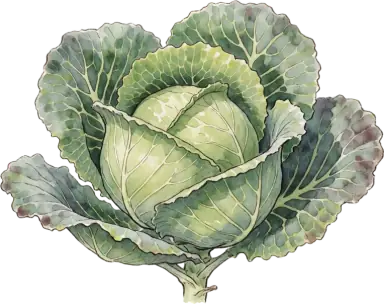 CabbageBrassica oleracea var. capitata
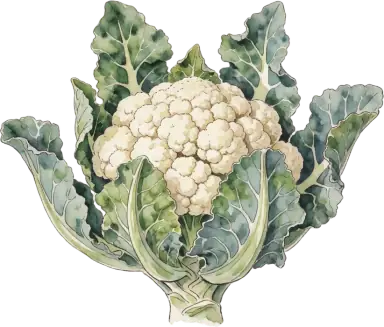 CauliflowerBrassica oleracea var. botrytis
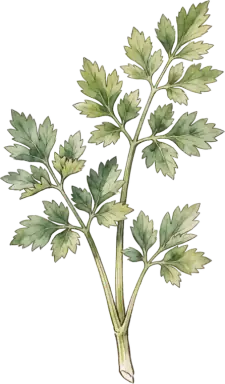 CeleryApium graveolens
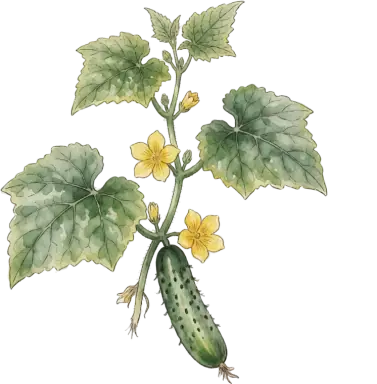 CucumberCucumis sativus
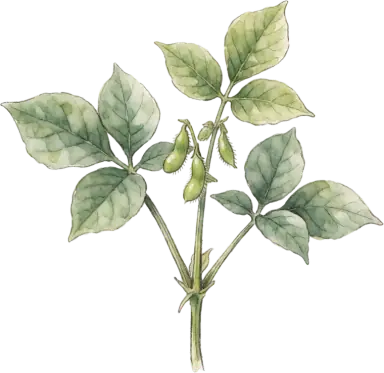 Edamame (Soybean)Glycine max
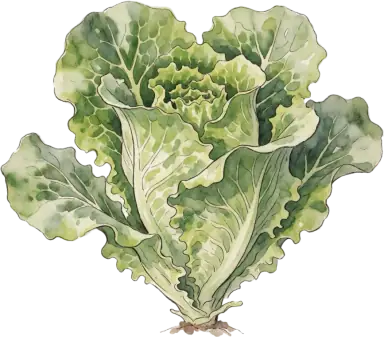 LettuceLactuca sativa
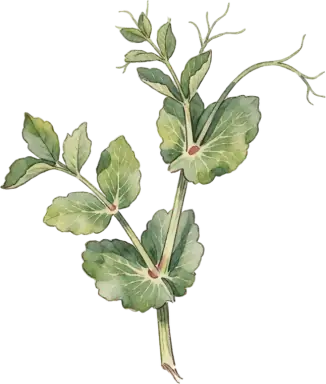 PeaPisum sativum
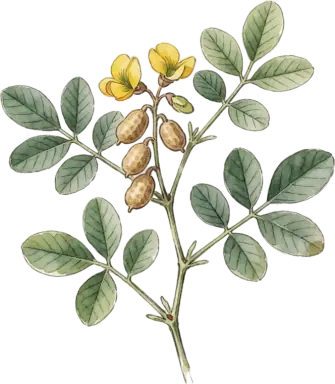 PeanutArachis hypogaea
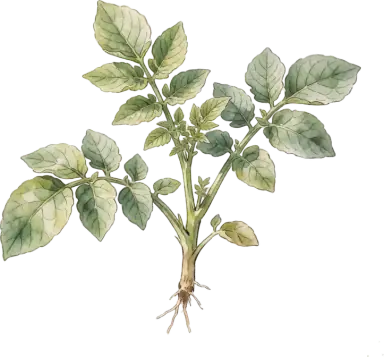 PotatoSolanum tuberosum
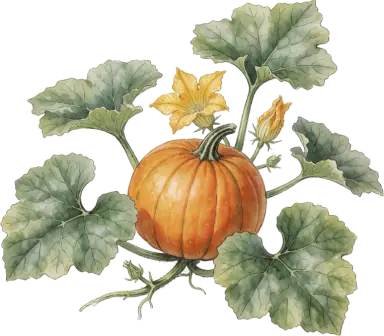 PumpkinCucurbita pepo / maxima
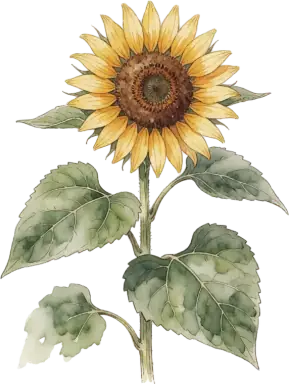 SunflowerHelianthus annuus
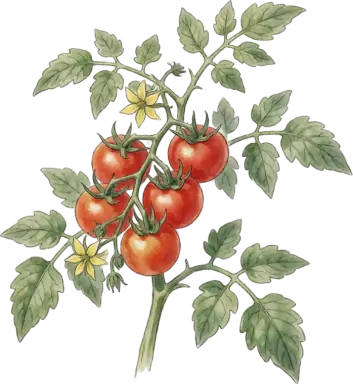 TomatoSolanum lycopersicum
Plant families hit hardest
Related plants often share the same problems, so if one plant in a family has it, check the others. The largest group here is Fabaceae, with 3 of the 13 affected plants.
- Fabaceae3 plants
- Apiaceae2 plants
- Asteraceae2 plants
- Brassicaceae2 plants
- Cucurbitaceae2 plants
- Solanaceae2 plants
When to treat
There is no rescue for a stem that is already rotted, and the black sclerotia survive in the soil for five years or more, so the real work is drainage, spacing and rotation before the crop goes in.
Timing only — the label is the law
This page tells you when to watch for white mold and when treating is worth considering. It is not a recommendation to apply any particular product. Read and follow the product label before you spray — under federal law the label is the legal instruction, and using a pesticide against it is illegal.
- Check the pre-harvest interval. Every product that’s cleared for an edible crop sets a minimum number of days between spraying and picking. Find it on the label before you spray anything you intend to eat.
- Check the re-entry interval before you or anyone else works in the treated area again, and use the protective equipment the label names.
- Confirm the product is registered for your crop in your state. This page groups many different crops together, and a product legal on one of them is not legal on all of them — state registrations differ too. Your state pesticide agency or local extension office can confirm both.
- Rates and mixing instructions come from the label, never from us. We don’t publish them because they differ by product and formulation.
Other problems on the same plants
If a plant gets white mold, these are the problems it most often gets as well, so they are worth checking for while you are out there. They tend to appear together; one does not cause another.