The illustrated growing guide

Onion

Allium cepa

Family Amaryllidaceae

Est. zones 2-11

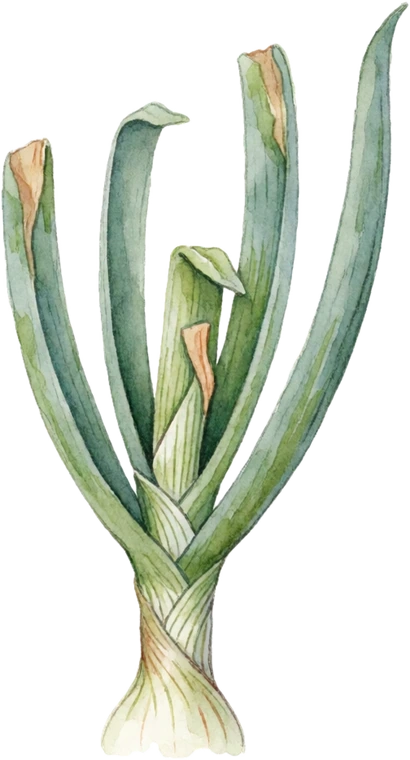
Botanical illustration of Onion
Bulb · Allium cepa

Day length matters: intermediate-day ('Candy') for the middle of the country. Plants or sets beat seed for beginners. Cure 2-3 weeks til necks are paper. Sweet onions don't store long, pungent ones do.

BulbFull SunModerate waterModerate growthExcellent edibleAttracts bees

Where to buy the plant — 3 nurseries

Red Onion — a print from the Vegetables Vol. 1 collection

From the print shop

Growing onion? Hang it.

Our Vegetables Vol. 1 collection carries onionAllium cepa, print Nº 11, “Red Onion.”

16 designsfrom $21.99white or black groundmatte poster, unframed

Shop Vegetables Vol. 1 botanical prints →

I

Overview

Will onion suit your garden, and what goes wrong.

Will it fruit where you are?

Enter your ZIP — we look up your USDA hardiness zone (2023 map) and check it against what onion actually needs.

Life cycleBiennial, grown as an annual

Onion at a glance

Life cycleBiennial, grown as an annual
Mature size12-24 inches
PollinationNone for bulbs
Chill requirementNot yet established
Bloom seasonN/A
Harvest seasonJuly - August, when tops fall over
Growth rateModerate

Common onion problems

II

Growing

Light, water, soil, propagation and the season’s jobs.

How to grow onion: light, water & soil

LightFull Sun
WaterShallow roots — steady water, then stop when tops fall
SoilRich, Loose · pH 6.0 - 6.8
FertilizerNitrogen every 3 weeks until bulbing starts; then stop.
PruningNone — None.
Spacing4-6 inches

How to plant & propagate onion

Maturity100-120 days (from seed)
From seedStart indoors 10-12 wks early, or use sets/transplants
PropagateFrom seed

The onion growing playbook

Field-tested instructions for every job onion asks of you, compiled from university extension guidance — in the order the season brings them.

Sowing

Sow onions early, and match the day-length type to where you live

Start onion seed indoors about eight weeks before you plan to set plants out, then plant transplants, sets, or direct-sown seed in early spring as soon as you can cultivate the ground. Pick the type by latitude, not by the picture on the packet: short-day in the South, long-day in the North, intermediate in the band between. In the Deep South and the Gulf states, short-day onions are a fall- and winter-planted crop rather than a spring one - set them from late fall through February and ignore the spring timing above. Onions bulb on a photoperiod trigger, not on age. Short-day types start bulbing at about 10 to 12 hours of daylight, intermediate at 12 to 14, and long-day at 14 to 16. A short-day onion in the North begins bulbing while the plant is still tiny and gives you marbles, and a long-day onion in the South never receives the signal at all. The bulb is built out of the leaves the plant made before bulbing started, so every week of early growth is bulb size.

Planting out

Set plants shallow and wide, and do not hill soil over them

Set transplants and sets about an inch deep, pointed end up, and space them by the size you want: 2 inches apart for green onions, 4 inches for moderate bulbs, 8 inches for large ones. Weed by hand or cultivate shallowly, and never pull soil up around the plants. Do not rush plants into cold ground. Onion size is set by spacing because the plants are weak competitors and each bulb needs its own light and water. Soil mounded against the stem holds moisture on the neck and invites stem rot. Young plants that sit through a cold spell read it as winter and flower the following spring instead of bulbing, and a bolted onion never makes a keeper.

Watering

Water hardest while the bulb is sizing, then taper off

Keep the soil near field capacity from the moment bulbs begin to form through bulb enlargement, watering little and often rather than deeply and rarely. As the tops start to go over late in the season, gradually cut the water back. Onion roots only occupy the top 6 to 8 inches of soil, so the plant has no reserve to draw on and hits moisture stress within days, and bulb enlargement is the stage where that stress costs you size directly. Late water keeps the neck green and wet when it needs to be drying for curing.

Feeding

Feed nitrogen while the leaves are growing, then stop when bulbs swell

Work about a third of the season's nitrogen in before planting, then side-dress the rest in splits during early leaf growth, placed a few inches out from the base rather than against it. Once the bulbs start to swell, cut nitrogen off entirely. Onions build the bulb out of leaves they already made, so nitrogen only pays while leaves are still forming. Nitrogen applied after bulbing begins keeps the neck thick and green, and a thick neck will not dry down, will not cure, and rots in storage.

What to watch for

Count thrips down in the neck, not on the leaves

Pull the neck open on a few plants scattered across the planting and count adults and larvae quickly before they scatter. Treat at about 15 thrips per plant early in the season on a susceptible variety, or about 30 per plant later on a tolerant one. Silvery streaking on the leaves means they are already established. Thrips shelter at the base of the youngest leaves in the center of the neck, so a leaf-surface look badly undercounts them. Hot dry weather runs a full generation in three to four weeks, which is how a few plants become the whole bed; feeding injury kills leaf area and the bulb shrinks with it.

Organophosphates and pyrethroids have widespread resistance in western onion thrips - rotate insecticide classes rather than repeating one, and check the pre-harvest interval before you pull.

Downy mildew: watch the cool wet spells, and keep the leaves dry

Through cool damp weather, check leaves for pale patches carrying a fuzzy violet-grey growth. Water at the base rather than over the canopy, keep rows open to prevailing wind, and rotate three years away from onions, garlic, and other alliums. Clear allium debris and volunteers. Infection needs only 2 to 3 hours of leaf wetness between 43 and 61 degrees, and spores need 95 percent humidity in the canopy - which is exactly what a sprinkler and a crowded row deliver. Once infected, a plant takes 8 to 16 days to sporulate, and those spores infect the neighbours immediately. The disease shuts down above about 82 degrees, so it is the cool end of the season that decides it.

Spraying

Thrips: aim into the neck, and mind the wait

A hard water spray knocks thrips back. If you spray, spinosad is the home-garden material - add a spreader and aim down into the leaf axils, or you will miss them. Thrips shelter deep in the neck where the leaves meet, so a spray that only wets the outside of the leaf does almost nothing.

WAIT 1 DAY after spinosad before pulling - the same wait whether you are pulling scallions or lifting dry bulbs. Neem and pyrethrins are 0 days; malathion is 3 and is highly toxic to bees, so spray at dusk. NOTE the number is crop-specific: spinosad is 1 day on onion but 7 on potato.

Protection

Row cover at planting for onion maggot

Lay floating row cover over the bed immediately after sowing or transplanting and seal the edges down with soil. Do not cover ground that grew onions last year - pupae left in that soil emerge underneath the cover, on the wrong side of it. Rather than tilling culls and volunteers under, gather them into deep piles, then bury the piles or haul them away. The maggot overwinters as a pupa in soil where onions grew, and the spring flies lay at the base of young plants; the newly hatched larvae crawl in behind the leaf sheath and eat out the stem and developing bulb, opening the way for soft rot. Small plants die outright, and cover only works if the flies are outside it rather than emerging underneath it. Culls tilled under feed the next generation; gathered into a deep pile, fly reproduction is confined to the pile's surface layer, which knocks populations back further than tilling does.

Harvesting

Harvest storage onionsJul – Aug

Lift onions when most tops fall over and begin to dry, then cure bulbs with tops attached in a dry airy place. Waiting for tops to fall signals maturity; curing dries necks for better storage.

Keep curing onions out of rain.

Cure in a single layer, then store cold and dry

After lifting, spread the bulbs in a single layer in a warm, dry, well-ventilated place for two to three weeks, until the tops and necks are thoroughly dry and the outer scales are papery. Then store at 32 to 40 degrees with 65 to 70 percent relative humidity. Storage rot walks in through the neck, and a neck is only closed once it has dried shut - piling bulbs deep or curing them in humid air leaves the door open. Cold and dry then holds the bulb dormant; warm or damp storage restarts sprouting and rot.

Keep curing onions out of the rain, and out of direct sun in hot climates, which scalds the bulbs.

Onion companion plants

Good companions

Avoid

Underlined names have their own growing guide in this library.

III

The year

What onion asks for, month by month.

The onion year, month by month

MonthJanFebMarAprMayJunJulAugSepOctNovDec
Harvest

What each band means

  • Harvestpicking time — check ripeness every few days.

The onion year as text

  • Jan quiet month
  • Feb quiet month
  • Mar quiet month
  • Apr quiet month
  • May quiet month
  • Jun quiet month
  • Jul harvest
  • Aug harvest
  • Sep harvest
  • Oct harvest
  • Nov harvest
  • Dec quiet month

These are the species' typical months — expect them a few weeks earlier in warm zones and later in cold ones. Watch the plant, not just the calendar.

IV

Ecology & uses

What it does for the garden, and what it is grown for.

Onion in the garden system

  • Root layer bulb
AttractsBees
MoistureFacultative / average
DeerBrowsed — protect young plants
OriginIntroduced

What onion is grown for

! Some parts toxic — see notesToxic to dogs, cats and horses — organosulfur compounds cause Heinz-body haemolytic anaemia; also toxic to cattle, sheep and goats. Cats are the most sensitive.

UseStorage
UseCulinary
Edible value4/5

Harvesting & storing onion

July - August, when tops fall over. About 100-120 days (from seed) from planting.

Edibility, identification, and traditional-use notes here are general reference — not medical or veterinary advice, and not a claim that any plant treats or prevents anything. Medicinal ratings record how strongly a plant features in herbal tradition, nothing more. Never eat or dose a plant you have not positively identified. More on how to use this library.

V

Cultivars

Named varieties of onion, ruled as a catalogue.

Best onion varieties & cultivars

15 on file

Named varieties of onion differ in winter-chill needs, ripening time, hardiness, and whether they set fruit on their own — pick one that fits your climate.

Texas 1015Y Supersweet · Texas 1015Y

Very sweet, mild — Short-day: starts bulbing at 10-12 hours of daylight, so in the North it bulbs while still tiny and yields marbles. Grow only in the South, transplanted fall to early winter for a late-spring harvest. Sweet means poor keeping - eat it fresh, do not bin it.

Where to buy ‘Texas 1015Y Supersweet

Story Thyme Farms may earn a small commission from these links, at no cost to you — it never changes what we recommend.
Vidalia Sweet · Yellow Granex; Granex 33

Very mild, sweet — Short-day Granex hybrid. Will not bulb properly north of roughly 35N. Fall-planted in the South. Storage is weeks, not months.

Where to buy ‘Vidalia Sweetverified

Story Thyme Farms may earn a small commission from these links, at no cost to you — it never changes what we recommend.

Texas Grano · Early Grano; Texas Grano 502

Mild, sweet — Short-day: bulbs at about 10-12 hours of daylight. Sow in fall in the South for a spring harvest; a spring sowing in the North will never size up.

Where to buy ‘Texas Granoverified

Story Thyme Farms may earn a small commission from these links, at no cost to you — it never changes what we recommend.

White Bermuda · Crystal White Wax

Mild — Short-day, so Southern-only for bulbing. In the North it can still be grown as a green or bunching onion, since it will never make a full bulb there.

Where to buy ‘White Bermuda

Story Thyme Farms may earn a small commission from these links, at no cost to you — it never changes what we recommend.

Red Hamburger

Mild red — Short-day red. Southern growing only - it will not bulb in northern gardens.

Where to buy ‘Red Hamburger

Story Thyme Farms may earn a small commission from these links, at no cost to you — it never changes what we recommend.

Yellow Sweet Spanish · Sweet Spanish

Mild, sweet — Long-day: needs 14-16 hour days to bulb, so it will not bulb in the Deep South. Spring-sown in the North. Poor keeper - stores a few weeks, so do not treat it as a storage onion.

Where to buy ‘Yellow Sweet Spanishverified

Story Thyme Farms may earn a small commission from these links, at no cost to you — it never changes what we recommend.
White Sweet Spanish

Mild, sweet — Long-day. Avoid in the Deep South - it will never receive the bulbing signal. Poor storage life.

Where to buy ‘White Sweet Spanish

Story Thyme Farms may earn a small commission from these links, at no cost to you — it never changes what we recommend.

Southport Red Globe

Pungent red — Long-day red: needs 14-16 hours of daylight, at roughly 37-42 degrees latitude. A northern crop; it will not bulb in the Deep South. Two independent extension sources agree on the day-length group.

Where to buy ‘Southport Red Globe

Story Thyme Farms may earn a small commission from these links, at no cost to you — it never changes what we recommend.

Copra

Pungent, high solids — Long-day AND a true storage onion - unlike Walla Walla it keeps for several months, so cure it well and bin it for winter. Northern crop only.

Where to buy ‘Copra

Story Thyme Farms may earn a small commission from these links, at no cost to you — it never changes what we recommend.

Sweet Sandwich

Pungent at harvest, sweetens in storage — Long-day and a good keeper - stores several months, and the flavour mellows over time rather than at harvest. Cure and store.

Where to buy ‘Sweet Sandwich

Story Thyme Farms may earn a small commission from these links, at no cost to you — it never changes what we recommend.

Walla Walla · Walla Walla Sweet; Giant Walla Walla

Very sweet, mild — SOURCES CONFLICT and the app should say so: Illinois calls it long-day, UC Marin calls it intermediate-day, and UC Santa Clara notes BOTH strains exist - which explains the disagreement rather than resolving it. Safe guidance: roughly 35N and north, and check the strain with the seed supplier. Definitely a poor keeper - eat it fresh.

Where to buy ‘Walla Wallaverified

Story Thyme Farms may earn a small commission from these links, at no cost to you — it never changes what we recommend.

Ruby Ring

Red, storage — Intermediate-day: needs 12-14 hours of daylight, which fits the middle band of the US where short-day types bolt and long-day types never bulb. Plant earlier than a long-day type to give it time.

Where to buy ‘Ruby Ring

Story Thyme Farms may earn a small commission from these links, at no cost to you — it never changes what we recommend.

MidStar · Mid Star

White, mild — Intermediate-day: bulbs at about 12-14 hours, so it works in the transition band where short-day types bolt and long-day types never bulb. Harvest runs later than short-day types.

Where to buy ‘MidStar

Story Thyme Farms may earn a small commission from these links, at no cost to you — it never changes what we recommend.

Ebenezer

Pungent yellow — HONEST GAP: no extension source found assigns Ebenezer a day-length group - Illinois only calls the set varieties widely adaptable. What IS sourced is the care action: sort your sets by size. Sets larger than a dime tend to bolt and should be used for green onions; sets smaller than a dime make the best dry bulbs.

Where to buy ‘Ebenezer

Story Thyme Farms may earn a small commission from these links, at no cost to you — it never changes what we recommend.

Stuttgarter · Stuttgarter Riesen

Pungent yellow — HONEST GAP: day-length group not stated by the extension source. Grown from sets - sort them: large sets (bigger than a dime) tend to bolt, so use those for green onions; small sets give the best dry bulbs.

Where to buy ‘Stuttgarter

Story Thyme Farms may earn a small commission from these links, at no cost to you — it never changes what we recommend.

VI

Sources & plant ID

Where the care distinctions come from, and how the plant is filed.

Research basis

Sources behind this profile

No extension citations are attached to onionyet. The care figures below come from the library's own catalogue rather than a traced primary source.

Plant ID

BinomialAllium cepa
FamilyAmaryllidaceae
TypeBulb · Biennial
USDA symbolALCE
OriginIntroduced
Invasive riskLow

VII

Where to buy

Third-party nurseries — not Story Thyme Farms.

Third-party nurseries, not Story Thyme Farms. Prices are theirs.

Story Thyme Farms may earn a small commission from these links, at no cost to you — it never changes what we recommend.

VIII

Questions

Onion questions, answered straight.

Is onion safe for kids and pets?

With care. Toxic to dogs, cats and horses — organosulfur compounds cause Heinz-body haemolytic anaemia; also toxic to cattle, sheep and goats. Cats are the most sensitive. Site it accordingly if children or pets roam the garden. This is general reference, not medical or veterinary advice — call a vet or poison control if something has actually been eaten.

When do you harvest onion?

July - August, when tops fall over. From planting, expect about 100-120 days (from seed) to maturity.

What grows well with onion?

Proven companions include carrots (mutual pest control), beets, brassicas — the full companion list, and what to keep away, is in the Growing tab above.

How do you propagate onion?

From seed.

IX

Elsewhere

Where onion sits in the library.

Where onion sits in the library

Grows in the same world