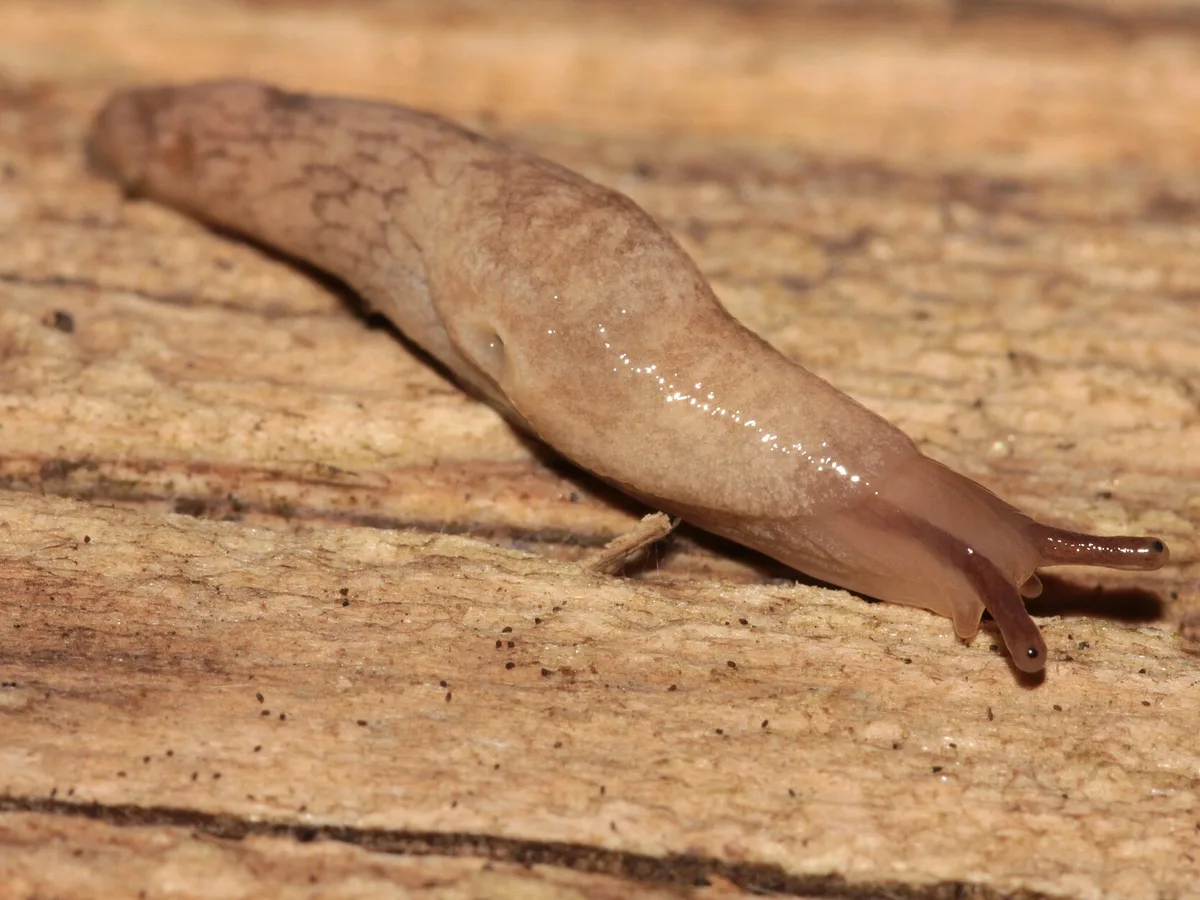
Slugs
Gray-brown, slime-coated, and nocturnal — by day you find only the ragged, irregular holes in low leaves and the dried silver trails. Worst in damp weather, mulched beds, and on anything tender near the ground.
Pest checklist
Four things to look for. If most of them match what you are holding, you are in the right place.
What gets rid of them
Gentlest option first. For most backyard cases the first one is enough, so try these in order and stop as soon as it works. If you do spray something, the product label tells you how — please read the notice further down.
1Trap them under boards
Lay a board or inverted melon rind in the bed; lift it mid-morning and scrape the gathered slugs into soapy water.
Try this first2Beer traps
A shallow container sunk rim-level and filled with beer drowns the night shift; empty it daily.
3Iron phosphate bait
Far less toxic to pets than the old metaldehyde baits, but not harmless — most are ferric sodium EDTA and dogs have been poisoned eating it. Scatter thinly per the label in the evening and keep dogs off treated ground.
iron phosphate slug bait4Water in the morning
Dry surfaces by nightfall make your beds a worse place to be a slug.
As an Amazon Associate, Story Thyme Farms earns from qualifying purchases, at no cost to you. It never changes what we recommend.
Which plants get slugs
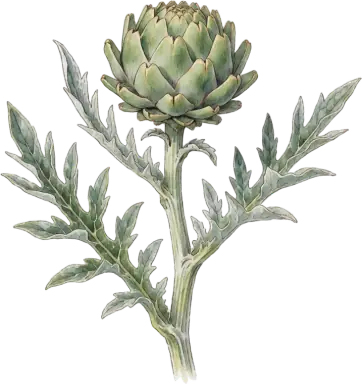
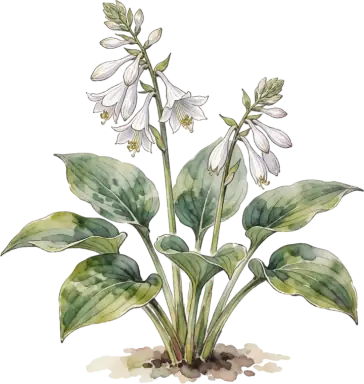
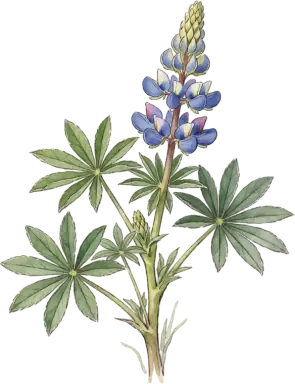
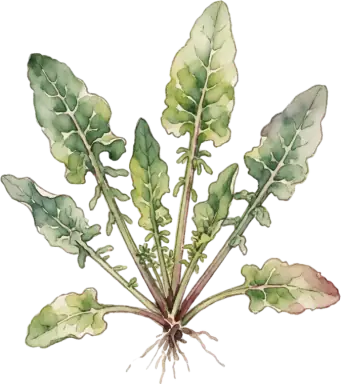
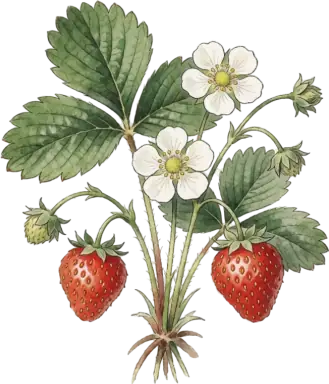
Every plant we cover that gets slugs, grouped by type — tap any one to open its page. A note beside a plant came from that plant’s own entry, because the same pest can be a minor nuisance on one plant and a serious problem on another. Plenty of plants we do not cover get it too.
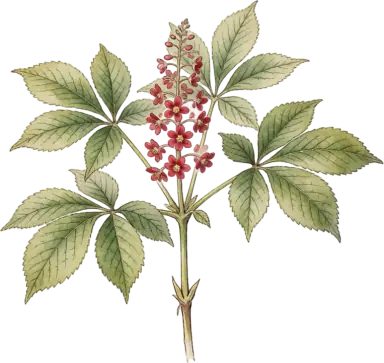
perennials9
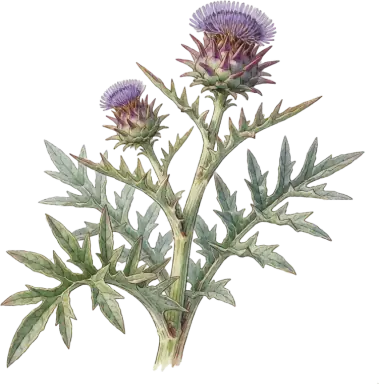
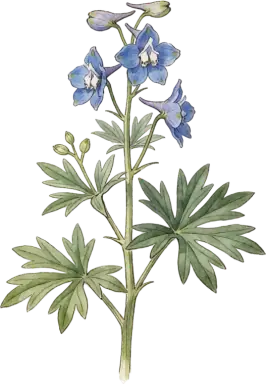
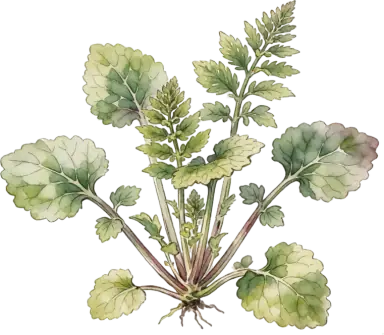
biennials3
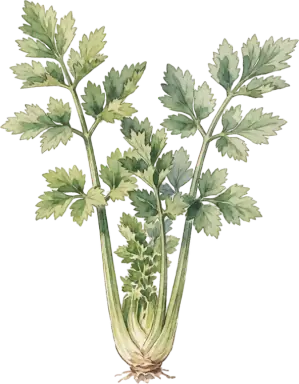
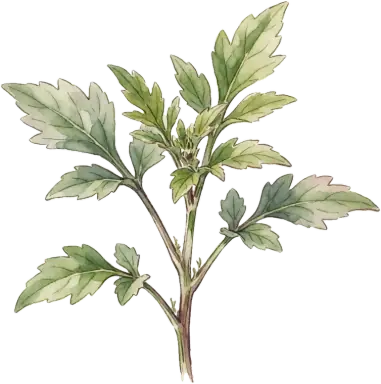
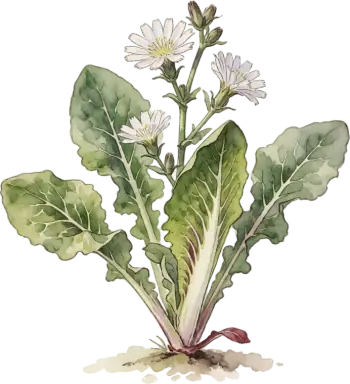
annuals15
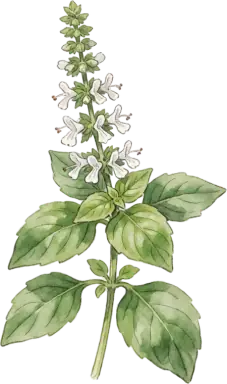 BasilOcimum basilicum
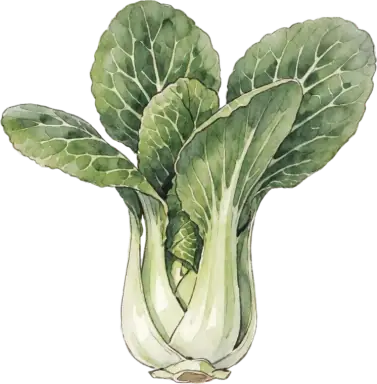 Bok ChoyBrassica rapa subsp. chinensis
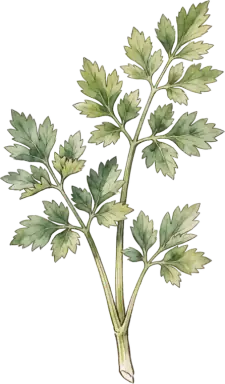 CeleryApium graveolens
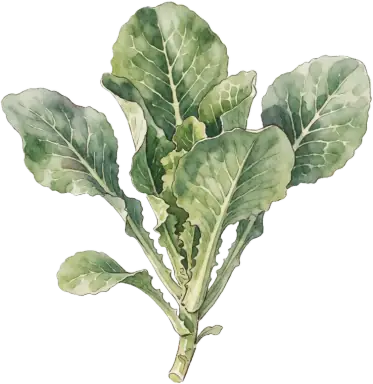 Celtuce (Stem Lettuce)Lactuca sativa var. augustana
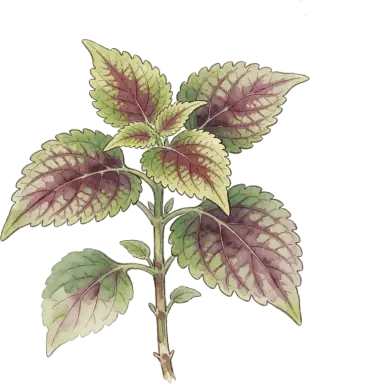 ColeusColeus scutellarioides
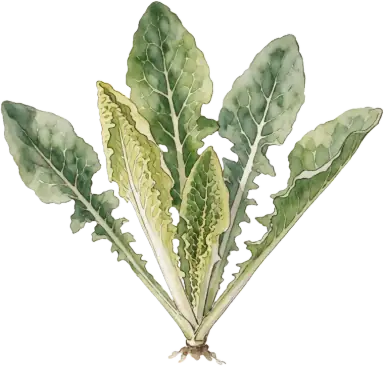 Endive & EscaroleCichorium endivia
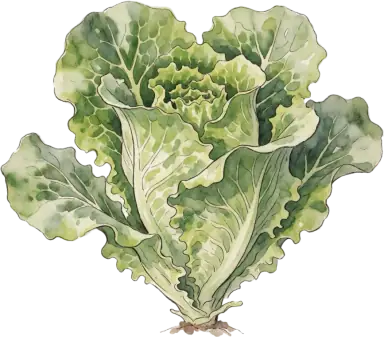 LettuceLactuca sativa
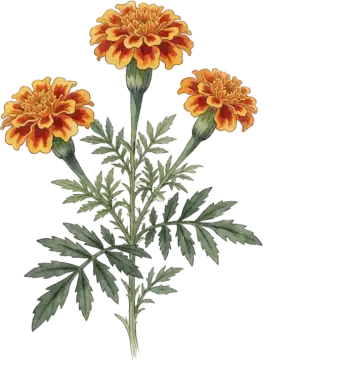 MarigoldTagetes erecta / patulaon seedlings
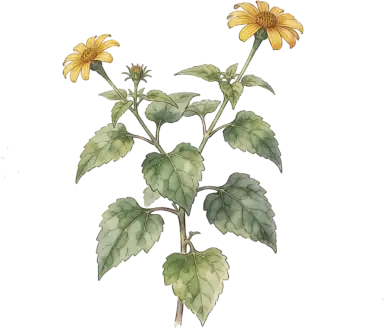 Mexican Sunflower (Tithonia)Tithonia rotundifoliaon seedlings
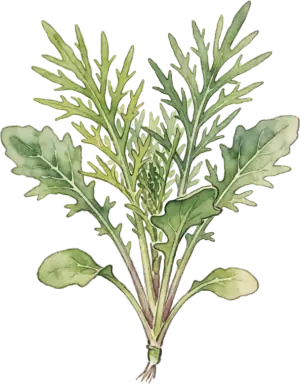 MizunaBrassica rapa var. niposinica
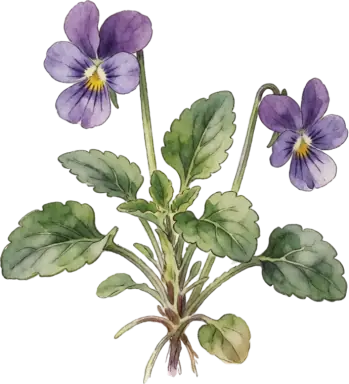 Pansy & ViolaViola × wittrockiana
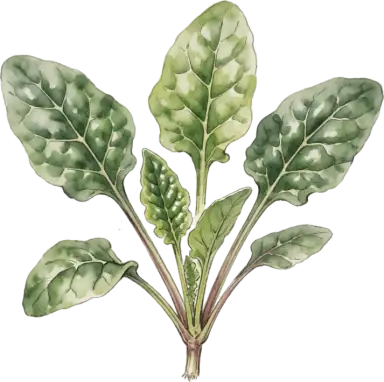 SpinachSpinacia oleracea
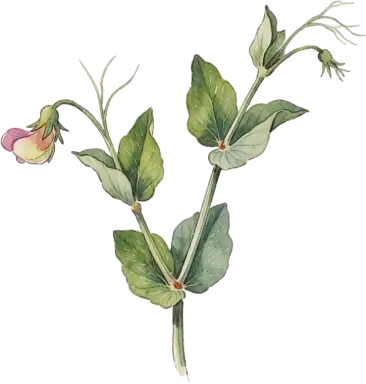 Sweet PeaLathyrus odoratuson seedlings
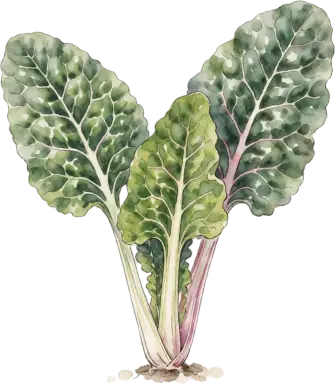 Swiss ChardBeta vulgaris subsp. cicla
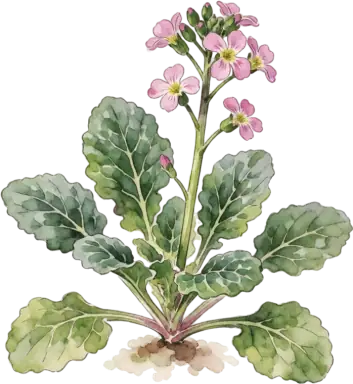 TatsoiBrassica rapa subsp. narinosa
Plant families hit hardest
Related plants often share the same problems, so if one plant in a family has it, check the others. The largest group here is Asteraceae, with 9 of the 29 affected plants.
- Asteraceae9 plants
- Brassicaceae4 plants
- Apiaceae3 plants
- Amaranthaceae2 plants
- Fabaceae2 plants
- Lamiaceae2 plants
When to treat
Go after them in spring as soon as growth starts, and again after every wet spell. They feed at night.
On specific plants
- Growing
- Slug bait at emergence; mildew late is cosmetic.
- Growing
- Slug patrol in April is the make-or-break.
- Growing
- Thick-leaved 'slug-proof' types + iron phosphate bait in April; deer need fence or repellent rotation.
- Growing
- Slugs: iron phosphate bait or beer traps. Rabbits: fence — nothing else works.
Timing only — the label is the law
This page tells you when to watch for slugs and when treating is worth considering. It is not a recommendation to apply any particular product. Read and follow the product label before you spray — under federal law the label is the legal instruction, and using a pesticide against it is illegal.
- Check the pre-harvest interval. Every product that’s cleared for an edible crop sets a minimum number of days between spraying and picking. Find it on the label before you spray anything you intend to eat.
- Check the re-entry interval before you or anyone else works in the treated area again, and use the protective equipment the label names.
- Confirm the product is registered for your crop in your state. This page groups many different crops together, and a product legal on one of them is not legal on all of them — state registrations differ too. Your state pesticide agency or local extension office can confirm both.
- Rates and mixing instructions come from the label, never from us. We don’t publish them because they differ by product and formulation.
Other problems on the same plants
If a plant gets slugs, these are the problems it most often gets as well, so they are worth checking for while you are out there. They tend to appear together; one does not cause another.