Culantro (Recao)
Eryngium foetidum
Family Apiaceae
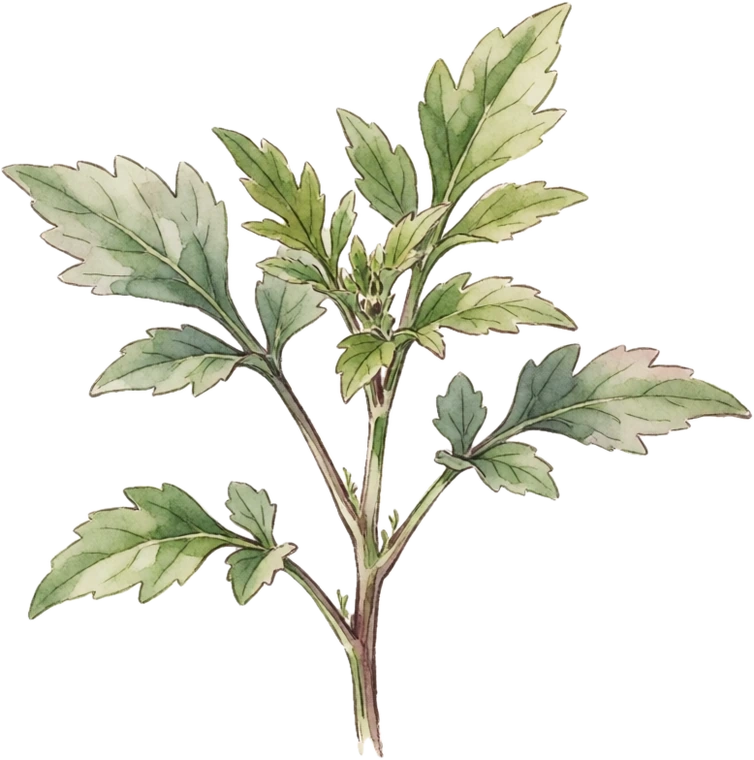
Culantro is cilantro with the volume turned up — long, saw-toothed leaves carrying the same flavor at several times the strength, and unlike cilantro, it survives actual cooking. Caribbean sofrito is built on it, and Thai and Vietnamese kitchens reach for it constantly.
Where cilantro bolts at the first heat wave, culantro just keeps making leaves, happiest as a low rosette in part shade among taller crops. One well-picked plant can out-supply a whole cilantro row. If you've fought the cilantro treadmill all summer, retire from it and plant this instead.
 Part Shade
 Moderate water
 Moderate growth
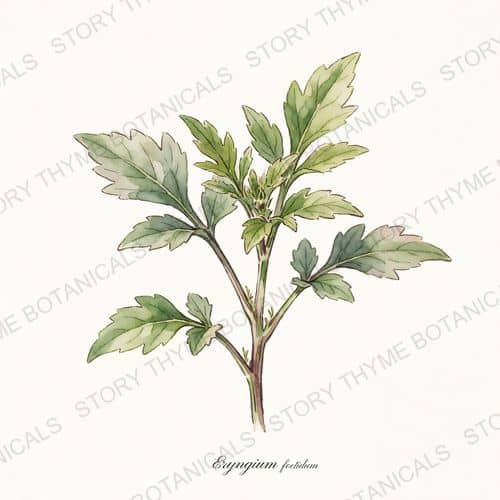
From the print shop
Growing culantro (recao)? Hang it.
Our Plant Library collection carries culantro (recao) — Eryngium foetidum, print Nº 143, “Culantro (Recao).”
526 designsfrom $12.99white or black backgroundmatte poster, unframed
Will it fruit where you are?
Enter your ZIP — we look up your USDA hardiness zone (2023 map) and check it against what culantro (recao) actually needs.
 Life cycleTender perennial, grown as an annual
Culantro (Recao) · Common problems
Common culantro (recao) problems

Pests
2 problems on file
- Slugs
- Snails

Diseases
1 problem on file
- Almost none
Culantro (Recao) · Growing & propagation
Growing culantro (recao)
- Light
- Part Shade
Bolts fast in full sun/heat
- Water
- Moderate
Keep evenly moist
 Soil
Soil- Rich, moist · pH 6.0 - 7.0
 Fertilizer
- Light
 Pruning
- Cut flower stalks to prolong leaves
Not cilantro, but a far more pungent, heat-tolerant relative that doesn't bolt and vanish the way cilantro does — the base of Puerto Rican recao/sofrito and Thai and Vietnamese dishes. Grow in part shade and keep it cut to delay bolting. One plant's flavor equals a whole row of cilantro, and it holds up in cooking.
 Spacing
- 8-10 in
Culantro (Recao) · Calculators & field guides
A little help in the garden.
Culantro (Recao) · Yearly calendar
The culantro (recao) year, month by month
No fixed season calendar for culantro (recao) — its care follows conditions, not the calendar.
Culantro (Recao) · Ecology & uses
Ecology & uses
Eryngium foetidum
Culantro (Recao) in the garden system
- Herbaceous layer biennial
- Moisture
- Facultative / average
 Deer
Deer- Browsed
Protect young plants
 Origin
- Introduced
What culantro (recao) is grown for
✓ Commonly eaten
 Use
Use- Sofrito
- Use
- Thai/Viet cooking
- Use
- Heat-stable cilantro
- Edible value
- 3/5
Harvesting & storing culantro (recao)
Long serrated leaves — a much STRONGER, heat-stable version of cilantro flavor, essential in Caribbean sofrito and Southeast Asian cooking.
Edibility, identification, and traditional-use notes here are general reference — not medical or veterinary advice, and not a claim that any plant treats or prevents anything. Medicinal ratings record how strongly a plant features in herbal tradition, nothing more. Never eat or dose a plant you have not positively identified. More on how to use this library.
Culantro (Recao) · Varieties & cultivars
Choosing a culantro (recao) variety
Species (recao / ngo gai / sawtooth coriander)
Sources & plant identity
Know what you’re growing.
See where the knowledge comes from.
Culantro (Recao)
Eryngium foetidum
The plant, at a glance.
- Botanical name
- Eryngium foetidum
- Plant family
- Apiaceae
- Growth habit
- Biennial · Tender Perennial
- Origin
- Introduced
- USDA plant symbol
- ERFO5
- Invasive risk
- Low
Hardiness, size and timing vary with your cultivar, soil and climate.
Rooted in research.
University extension research, brought together with hands-on growing experience at Story Thyme Farms.
Where to buy
Third-party nurseries — not Story Thyme Farms.
Third-party nurseries, not Story Thyme Farms. Prices are theirs.
Story Thyme Farms may earn a small commission from these links, at no cost to you — it never changes what we recommend.
Questions
Culantro (Recao) questions, answered straight.
Is culantro (recao) safe for kids and pets?
Culantro (Recao) is commonly eaten and isn't considered toxic, but "commonly eaten" isn't a guarantee for any particular person or animal — allergies, quantity, and which part you eat all matter. Never eat a plant you haven't positively identified, and check with a vet before letting pets or livestock graze anything new.
When do you harvest culantro (recao)?
Long serrated leaves — a much STRONGER, heat-stable version of cilantro flavor, essential in Caribbean sofrito and Southeast Asian cooking.
Elsewhere
Where culantro (recao) sits in the library.
 Comfrey
 Lavender
 Rosemary
 Anise Hyssop