The illustrated growing guide

Sorrel

Rumex acetosa

Family Polygonaceae

Est. zones 3-9

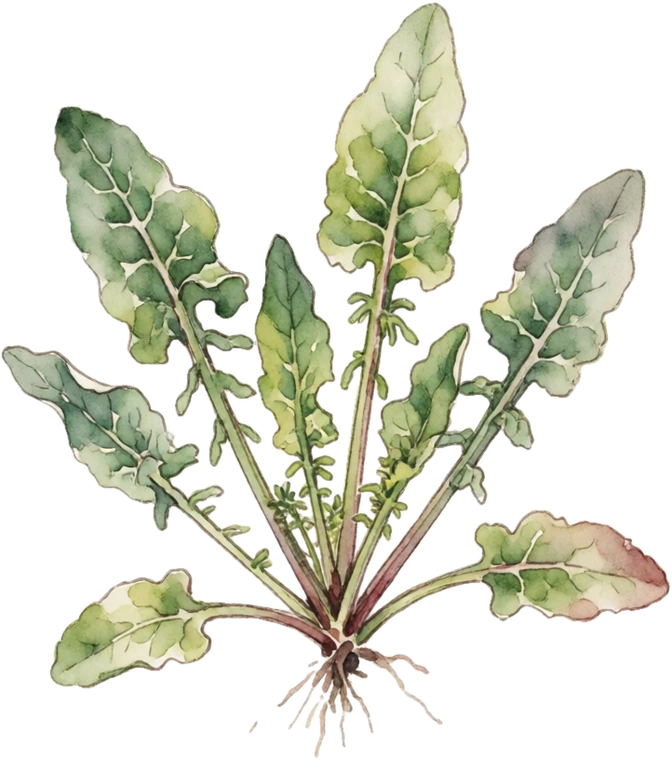
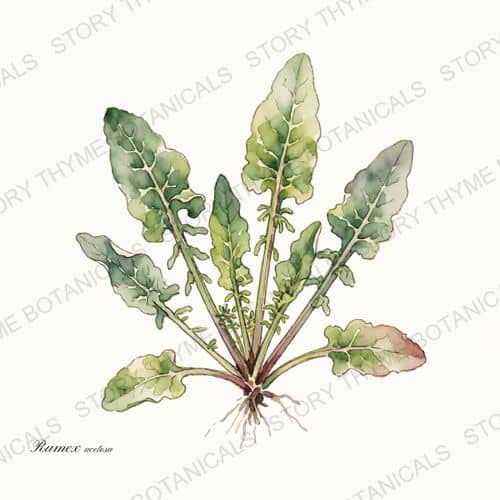
Botanical illustration of Sorrel
Perennial · Rumex acetosa

The lemony perennial green that's up before you've even planted lettuce — first tart leaves in March, last in November, no replanting ever. A handful blitzed into sorrel soup or over fish is a spring rite. Just don't eat bowls of it (oxalates).

PerennialFull Sun to Part ShadeModerate waterFast growthExcellent edible

Where to buy the plant — 2 nurseries

I

Overview

Will sorrel suit your garden, and what goes wrong.

Will it fruit where you are?

Enter your ZIP — we look up your USDA hardiness zone (2023 map) and check it against what sorrel actually needs.

Hardy inZones 3-9

Sorrel at a glance

HardinessUSDA 3–9
Mature size1-2 ft (flower stalk to 3)
PollinationCut flower stalks to keep leaves coming
Chill requirementNot yet established
Bloom seasonSpring stalks if let bloom
Harvest seasonLeaves March - November, one of the FIRST greens of spring
Growth rateFast

Common sorrel problems

II

Growing

Light, water, soil, propagation and the season’s jobs.

How to grow sorrel: light, water & soil

LightFull Sun to Part Shade
WaterModerate
SoilRich, moist · pH 5.5 - 6.8
FertilizerLight compost each spring
PruningCut to ground in late fall — Cut flower stalks to prolong leaf harvest; divide every few years.
Spacing12 in

How to plant & propagate sorrel

Maturityperennial (first cut ~60 days)
From seedSow spring; cut-and-come-again for years
PropagateFrom seed or division

The sorrel growing playbook

Field-tested instructions for every job sorrel asks of you, compiled from university extension guidance — in the order the season brings them.

Sowing

Start seed indoors three weeks before your last frost, or direct sow early spring

Start sorrel seed indoors about three weeks before your last frost date, or direct seed it in the garden in early spring. Set or thin the mature plants at least a foot apart, and move indoor-started seedlings out after your frost-free date. Sorrel is hardy into zone 3 and does its best growing in cool weather, so seed sown while the soil is still cold gives you leaves during the plant's natural early-spring surge rather than during summer heat.

Watering

Soak deeply, about an inch a week

Through the growing season, soak the soil thoroughly rather than sprinkling it, giving at least an inch of water a week. Adjust for your rainfall and soil type, since sandy ground dries out faster than heavy ground. Steady soil moisture is what carries good leaf production through the season, and a deep soak reaches the whole root zone instead of only wetting the surface.

Dividing

Divide the clump in spring when it outgrows its space

If the clump has thrived and is spreading past the room you gave it, lift and divide it in spring, and use the pieces to start new plants elsewhere. Sorrel is a perennial that widens from the crown year after year, but it is not as long-lived as rhubarb, so splitting a crowded clump both resets its vigor and keeps a supply of younger, more productive plants coming.

Pruning

Cut off seed stalks as they rise

As soon as a flower stalk pushes up from the center of the clump, cut it out at the base, just as you would with rhubarb. Keep checking through the season, because a clump will try again. Once sorrel commits to flowering it moves its energy into the seed stalk instead of into new leaves, and leaf production falls off for the rest of the season.

What to watch for

Check for snails and slugs on the new spring leaves

Snails and slugs chew soft leafy growth like sorrel's. Hunt them after dark with a flashlight and hand pick into a sealed bag, and clear the boards, stones and dense cover they shelter under. Watering by drip, or near sunrise, cuts the humidity and moist surfaces they need. If you bait, use an iron phosphate bait. Sorrel puts out soft, tender growth in the cool wet weather of early spring, which is exactly the moment slugs and snails are most active and the leaves are least able to outgrow the chewing.

Choose iron phosphate baits, which are safer around children, domestic animals, birds, fish and other wildlife. Avoid metaldehyde baits, which are particularly poisonous to dogs and cats and whose pellets can be attractive to dogs; never get metaldehyde bait on plants, especially vegetables. Sprinkle bait on the soil near, but not on, the plants — this is a leaf crop often eaten raw. Always read the pesticide label before applying and follow its directions.

Harvesting

Pick leaves young, and keep picking until frost

Pick individual leaves as soon as they reach usable size, and keep picking any time from early spring until frost kills the top growth. Take the young, tender leaves for salads and other uncooked dishes, and save the older, coarser ones for cooking, which softens the tartness. Leaves keep refrigerated about two weeks, or freeze them. Sorrel is one of the first greens ready in spring, and young leaves are much more tender than older ones, so picking steadily keeps tender new growth coming from the crown.

Sorrel contains a significant amount of oxalic acid, which may be a problem for people with certain health conditions.

III

The year

What sorrel asks for, month by month.

The sorrel year, month by month

MonthJanFebMarAprMayJunJulAugSepOctNovDec
Bloom
Prune
Harvest

What each band means

  • Bloomflowers open — pollinators working, frost on blossoms is the danger.
  • Pruneshape it now — cuts heal cleanly and structure is visible.
  • Harvestpicking time — check ripeness every few days.

The sorrel year as text

  • Jan quiet month
  • Feb quiet month
  • Mar bloom, harvest
  • Apr bloom, harvest
  • May bloom, harvest
  • Jun harvest
  • Jul harvest
  • Aug harvest
  • Sep harvest
  • Oct harvest
  • Nov pruning, harvest
  • Dec quiet month

These are the species' typical months — expect them a few weeks earlier in warm zones and later in cold ones. Watch the plant, not just the calendar.

IV

Ecology & uses

What it does for the garden, and what it is grown for.

Sorrel in the garden system

  • Herbaceous layer perennial
  • Dynamic accumulator
MoistureFacultative / average
DeerBrowsed — protect young plants
OriginIntroduced

What sorrel is grown for

! Some parts toxic — see notesHigh oxalic acid — a tart garnish/soup green, not a bulk salad in quantity

UseSorrel soup
UseTart garnish
UseFirst-of-spring green
Edible value4/5

Harvesting & storing sorrel

Leaves March - November, one of the FIRST greens of spring. About perennial (first cut ~60 days) from planting.

Edibility, identification, and traditional-use notes here are general reference — not medical or veterinary advice, and not a claim that any plant treats or prevents anything. Medicinal ratings record how strongly a plant features in herbal tradition, nothing more. Never eat or dose a plant you have not positively identified. More on how to use this library.

V

Cultivars

Named varieties of sorrel, ruled as a catalogue.

Best sorrel varieties & cultivars

'Common' garden sorrel; 'Red-veined' (ornamental + edible); French buckler-leaf (milder)

VI

Sources & plant ID

Where the care distinctions come from, and how the plant is filed.

Research basis

Sources behind this profile

No extension citations are attached to sorrelyet. The care figures below come from the library's own catalogue rather than a traced primary source.

Plant ID

BinomialRumex acetosa
FamilyPolygonaceae
TypePerennial
USDA symbolRUAC2
OriginIntroduced
Invasive riskLow

VII

Where to buy

Third-party nurseries — not Story Thyme Farms.

Third-party nurseries, not Story Thyme Farms. Prices are theirs.

Story Thyme Farms may earn a small commission from these links, at no cost to you — it never changes what we recommend.

VIII

Questions

Sorrel questions, answered straight.

Is sorrel safe for kids and pets?

With care. High oxalic acid — a tart garnish/soup green, not a bulk salad in quantity Site it accordingly if children or pets roam the garden. This is general reference, not medical or veterinary advice — call a vet or poison control if something has actually been eaten.

When do you harvest sorrel?

Leaves March - November, one of the FIRST greens of spring. From planting, expect about perennial (first cut ~60 days) to maturity.

How do you propagate sorrel?

From seed or division.

IX

Elsewhere

Where sorrel sits in the library.

Where sorrel sits in the library

Grows in the same world