
 HarvestingIn March, April, September and October
Gather osmanthus flowers for scenting tea
Collect fragrant open flowers, use fresh, or dry gently for blending. The tiny flowers carry the fragrance; pruning before bloom removes buds.
Osmanthus fragrans
Family Oleaceae
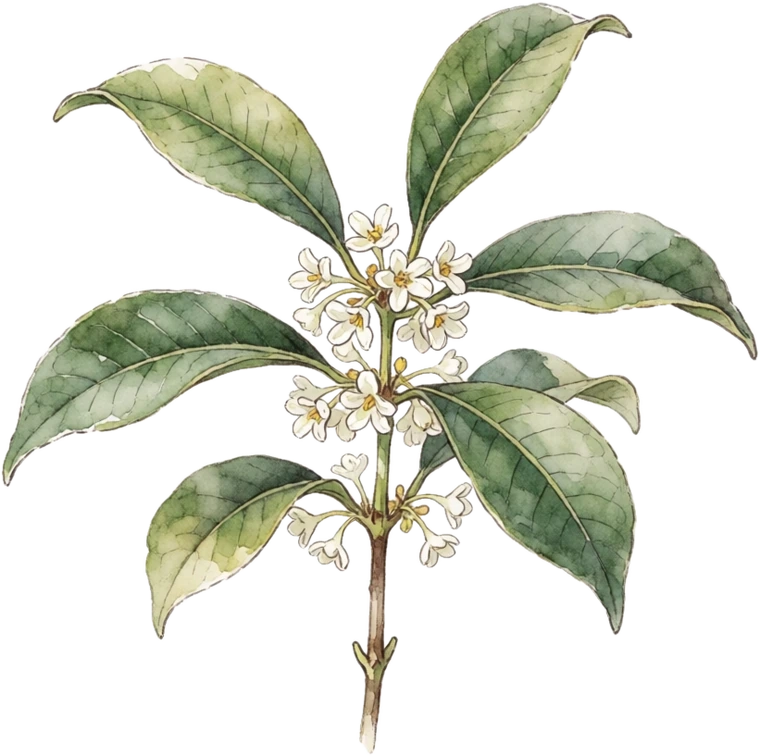
You'll smell sweet osmanthus long before you find it — the tiny apricot-scented flowers hide among glossy evergreen leaves while their perfume carries down a whole path. In China those same blossoms scent osmanthus tea; in a warm-climate garden they scent entire evenings.
As a shrub it's obliging — a dense, polished evergreen for hedges, courtyards, and big patio containers, flowering in waves across a surprising stretch of the year while bees attend. Gardeners in colder zones grow it potted and sheltered. Set one by the gate you use most.
 Full Sun to Part Shade
 Low water
 Slow-Moderate growth
 Attracts bees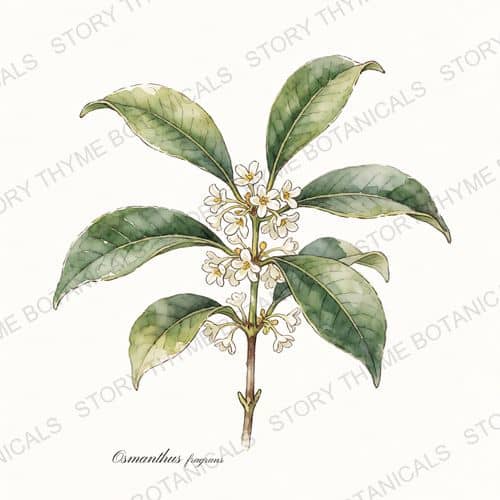
From the print shop
Our Plant Library collection carries osmanthus — Osmanthus fragrans, print Nº 341, “Osmanthus.”
526 designsfrom $12.99white or black backgroundmatte poster, unframed
Will it fruit where you are?
Enter your ZIP — we look up your USDA hardiness zone (2023 map) and check it against what osmanthus actually needs.
 Hardy inZones 8-11
Osmanthus · Common problems
Osmanthus · Growing & propagation
LightWater Soil
SoilAdaptable clay · pH 5.5 - 7.5
 Fertilizer
 Pruning
Prune after flowering; avoid shearing off buds right before bloom.
 SpacingPropagate
Osmanthus · Seasonal care & spray guidance

Growing season. Horticultural oil for scale if needed; improve drainage.
early spring
1 jobHarvestingIn March, April, September and OctoberCollect fragrant open flowers, use fresh, or dry gently for blending. The tiny flowers carry the fragrance; pruning before bloom removes buds.
Osmanthus · Calculators & field guides
Osmanthus · Yearly calendar
No calendar activity is listed for this month.
 Bloom
BloomBloomMarch to May, then September to November
These are the species' typical months — expect them a few weeks earlier in warm zones and later in cold ones. Watch the plant, not just the calendar.
Osmanthus · Ecology & uses
Osmanthus fragrans
 Attracts
 Moisture
 Deer
DeerProtect young plants
 Origin
✓ Commonly eatenflowers are used to scent tea; ornamental fruit not a food crop
UseUseUseUseEdible valueFragrant flowers as they open for scenting tea.
Edibility, identification, and traditional-use notes here are general reference — not medical or veterinary advice, and not a claim that any plant treats or prevents anything. Medicinal ratings record how strongly a plant features in herbal tradition, nothing more. Never eat or dose a plant you have not positively identified. More on how to use this library.
Osmanthus · Varieties & cultivars
'Fudingzhu'; var. aurantiacus (orange flowers); 'Thunbergii'
Sources & plant identity
Osmanthus fragrans
Hardiness, size and timing vary with your cultivar, soil and climate.
University extension research, brought together with hands-on growing experience at Story Thyme Farms.
Publisher marks identify sources, not sponsorship or endorsement.
Osmanthus questions, answered straight.
Osmanthus is commonly eaten and isn't considered toxic, but "commonly eaten" isn't a guarantee for any particular person or animal — allergies, quantity, and which part you eat all matter. One caveat on this one: flowers are used to scent tea; ornamental fruit not a food crop. Never eat a plant you haven't positively identified, and check with a vet before letting pets or livestock graze anything new.
Fragrant flowers as they open for scenting tea.
Seed (stratify), cuttings, or layering.
Where osmanthus sits in the library.

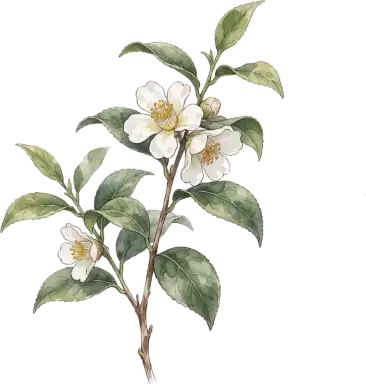 Tea Plant
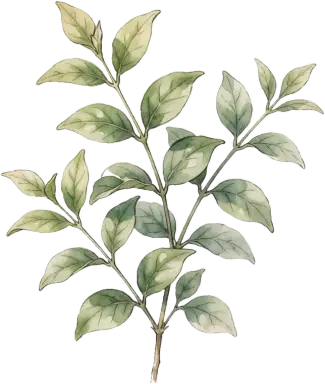 Arabian Jasmine
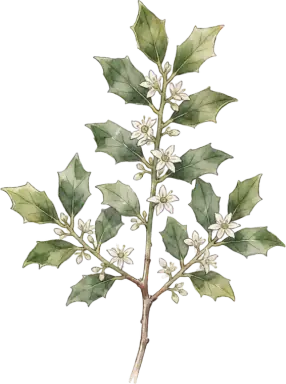 Yaupon Holly
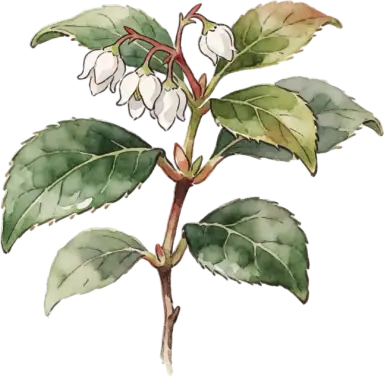 Wintergreen (Teaberry)