Tea Plant

Camellia sinensis

Family Theaceae

ShrubZones 7-9

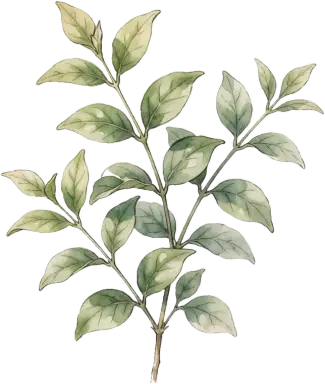
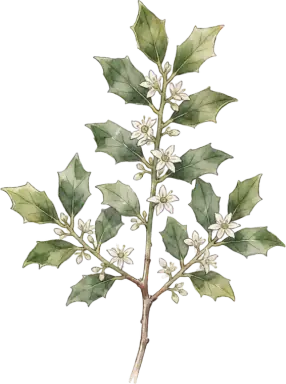
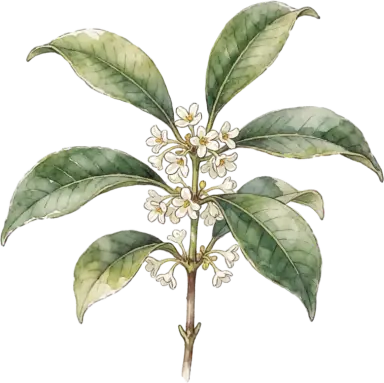
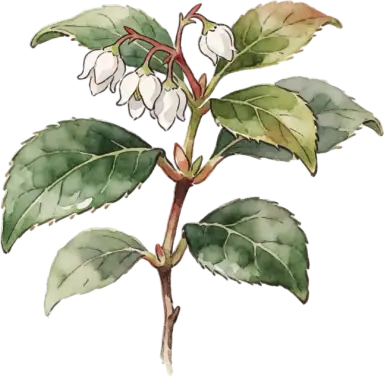
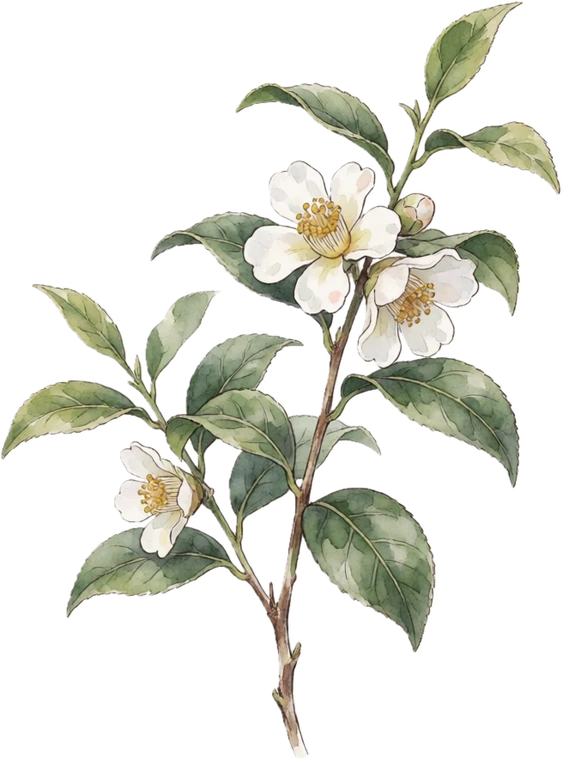
Botanical illustration of Tea Plant

Every green, black, and oolong tea on earth comes from one species, and Tea Plant is it — Camellia sinensis, growable in American gardens. Pluck two leaves and a bud from a spring flush, and with nothing but your hands and a pan you have made actual tea.

It behaves like the camellia it is: glossy evergreen leaves, white fall flowers, a polite hedge or a handsome pot plant wintered somewhere cool in colder zones. Hardy outdoors in zones 7 through 9, it may be the most conversation-starting shrub you can own. Grow your morning cup.

Where to buy tea plant — 5 nurseries compared

  • Morning sun / afternoon shade
  • Moderate water
  • Slow growth
  • Attracts bees
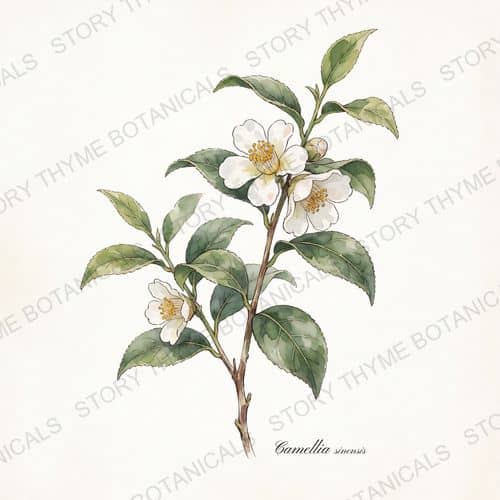
Tea Plant — a print from the Plant Library collection

From the print shop

Growing tea plant? Hang it.

Our Plant Library collection carries tea plant — Camellia sinensis, print Nº 476, “Tea Plant.”

526 designsfrom $12.99white or black backgroundmatte poster, unframed

Shop Plant Library botanical prints →

✓

Will it fruit where you are?

Enter your ZIP — we look up your USDA hardiness zone (2023 map) and check it against what tea plant actually needs.

Hardy inZones 7-9

Tea Plant · Common problems

Common tea plant problems

Pests, diseases and weather to keep an eye on.

Pests

2 problems on file

Diseases

2 problems on file

Tea Plant · Growing & propagation

Growing tea plant

Light, water, soil, propagation and the season’s jobs.
What it needsThe details
Light
Morning sun / afternoon shade
Water
Moderate, even; mulched
Soil
ACID (blueberry rules) · pH 4.5 - 6.0
Fertilizer
Acid feed (azalea food) spring + midsummer
Pruning
After harvest flushes; shape like a low hedge

Table-prune flat at 3 ft — plucking height, denser flushing.

Spacing
4-5 ft

How to plant & propagate tea plant

Propagate
Seed (stratify), cuttings, or layering

Tea Plant · Seasonal care & spray guidance

The tea plant growing playbook

Field-tested instructions for every job tea plant asks of you, compiled from university extension guidance — in the order the season brings them.

While it is dormant

winter, before growth starts

1 job
ProtectionIn winter

Shelter the foliage from hard freezes

At the cold edge of tea's range, keep the root zone mulched through winter and shelter young or newly planted stock when a hard freeze is forecast. Prefer a cultivar with a documented cold-hardiness record where winters bite. Tea plants generally survive freezing to slightly below freezing, but the leaves themselves may be damaged or killed. Because the leaf is the harvest, a freeze that merely disfigures an ornamental camellia can cost you the season's crop, and an unestablished plant has the fewest reserves to reflush from.

As growth begins

early spring

3 jobs
MulchingIn spring

Mulch the root zone, but hold it off the trunk

Lay a 2 to 6 inch layer of bark, wood chips or similar material over the root zone, and keep that mulch 8 to 12 inches back from the trunk. Tea roots shallowly in acid ground, and a decaying organic mulch holds the moisture and the acidity the plant wants. Mulch banked against the trunk instead traps moisture on the bark and invites rot at the one point the plant cannot afford to lose.

FeedingIn spring

Feed an acid-forming fertilizer as growth resumes

Use a formulation carrying 6 to 10 percent nitrogen, 6 to 10 percent available phosphoric acid, 6 to 10 percent potash and 2 to 6 percent magnesium. Give young plants 1/8 to 1/4 lb every other month through the growing season, increasing to 1 to 2 lbs as the bush matures, and apply foliar micronutrients and iron 3 to 4 times during the warmer months. Tea is an evergreen harvested by stripping off its newest leaves, so every plucking exports nitrogen the plant must replace before it can push the next flush.

PruningIn spring

Cut the bush back before spring growth begins

Before growth resumes in spring, form the bush at no more than 3 to 5 feet. Once a plant reaches 5 to 6 feet, cut it back to 2 to 4 feet to force it to rebranch low. Tea is plucked from the tips of new shoots, so a low bush forced to branch keeps every flush within arm's reach. Left alone, Camellia sinensis becomes a multi-trunked tree of 15 feet and carries its entire harvest in the canopy.

Through summer

the growing season

3 jobs
WateringThrough summer

Water through dry spells, then back off in fall

Water frequently during dry periods in the growing season, then reduce the frequency through fall and winter. Check the soil by hand rather than leaving the plant on an unattended timer. Flush growth stalls when the plant runs dry, and a stalled flush is a lost harvest. But tea also needs well-drained ground, and an automatic system that keeps the soil constantly wet is a common route to root rot.

PruningThrough summer

Tip the shoots again in midsummer to multiply plucking points

Once the first flush has been plucked and the shoots have hardened, tip them a second time in midsummer to induce another round of branching before the season ends. Yield is a count of shoot tips, not of leaves. Every branching event turns one plucking point into two or three, and a bush pruned frequently carries far more harvestable tips than one pruned once a year.

What to watch forThrough summer

Scout leaf undersides for scale, aphids and mites

Through the growing season check stems and leaf undersides for aphids, scale insects and spider mites, which concentrate on plants already stressed by drought or poor drainage. Watch too for camellia leaf gall on the foliage, and remove affected leaves. These are sap feeders that colonize exactly the young flush you intend to pluck, and they build fastest on a stressed plant. Catching a colony early means you can wash or prune it out instead of reaching for a spray you cannot safely use on a leaf crop.

Harvest time

as it ripens, and picking

1 job
HarvestingAt harvest

Pluck two leaves and a bud from each new flush

Take the terminal bud plus the 2 to 3 leaves directly below it from each new shoot, and repeat every time the bush pushes a fresh flush through spring and summer. A single mature bush yields roughly 1/2 lb of made tea in a season. Only the unfurling tip carries the tender tissue and the flavor compounds that make tea. Older leaves further down the shoot are tough and bitter. Green, oolong and black tea all come from this same pluck and differ only in how the leaf is processed afterward.

Tea Plant · Calculators & field guides

A little help in the garden.

Calculators for the figures. Field guides for the hands-on work.

Tea Plant · Yearly calendar

The tea plant year, month by month

What tea plant asks for, month by month.

Jan

No calendar activity is listed for this month.

MonthJanFebMarAprMayJunJulAugSepOctNovDec
Bloom
Prune
Harvest

BloomOctober to November

PruneJuly to August

HarvestMarch to August

What each band means

  • Bloom — flowers open — pollinators working, frost on blossoms is the danger.
  • Prune — shape it now — cuts heal cleanly and structure is visible.
  • Harvest — picking time — check ripeness every few days.

These are the species' typical months — expect them a few weeks earlier in warm zones and later in cold ones. Watch the plant, not just the calendar.

Tea Plant · Ecology & uses

Ecology & uses

What it does for the garden, and what it is grown for.
Botanical illustration of Tea Plant

Camellia sinensis

Tea Plant in the garden system

  • Shrub layer shrub
Attracts
Bees
Moisture
Facultative / average
Deer
Browsed

Protect young plants

Origin
Introduced

What tea plant is grown for

✓ Commonly eatenit's tea

Use
Homegrown tea
Use
Fall camellia blooms
Use
Hedges
Edible value
3/5

Harvesting & storing tea plant

Pluck 'two leaves and a bud' from new flushes, spring through summer — green, black, and oolong are all THIS plant, differing only in processing.

Edibility, identification, and traditional-use notes here are general reference — not medical or veterinary advice, and not a claim that any plant treats or prevents anything. Medicinal ratings record how strongly a plant features in herbal tradition, nothing more. Never eat or dose a plant you have not positively identified. More on how to use this library.

Tea Plant · Varieties & cultivars

Best tea plant varieties & cultivars

There are far more than these — the ones below are the named varieties of tea plant people actually plant.

Named varieties of tea plant differ in winter-chill needs, ripening time, hardiness, and whether they set fruit on their own — pick one that fits your climate.

8 varieties

Sochi

Ripens
spring through summer flushes
Zones
7-9
Size
8 ft tall by 8 ft wide at 10 years, naturally multi-stemmed

full-bodied black tea, commonly caramel with occasional smoky notes — Seedlings descend from plants developed at the tea research stations of Sochi, Russia. In a Mississippi State University cultivar screening it showed some of the lowest winter leaf damage of nine cultivars tested, at 2.08 percent, and carried the highest caffeine of the group in both spring and summer. Mature leaves average 4.5 by 2.5 inches.

Where to buy ‘Sochi’

Story Thyme Farms may earn a small commission from these links, at no cost to you — it never changes what we recommend.

Sources & plant identity

Know what you’re growing.
See where the knowledge comes from.

Botanical illustration of Tea Plant

Tea Plant

Camellia sinensis

The plant, at a glance.

Botanical name
Camellia sinensis
Plant family
Theaceae
Growth habit
Shrub · Perennial
Origin
Introduced
USDA plant symbol
CASI16
Invasive risk
Low
Every garden is different.

Hardiness, size and timing vary with your cultivar, soil and climate.

Rooted in research.

University extension research, brought together with hands-on growing experience at Story Thyme Farms.

Explore Tea Plant’s sources12 reference links
for Tea Plant

Research from these sources

Publisher marks identify sources, not sponsorship or endorsement.

Questions

Tea Plant questions, answered straight.

Is tea plant safe for kids and pets?

Tea Plant is commonly eaten and isn't considered toxic, but "commonly eaten" isn't a guarantee for any particular person or animal — allergies, quantity, and which part you eat all matter. One caveat on this one: it's tea. Never eat a plant you haven't positively identified, and check with a vet before letting pets or livestock graze anything new.

When do you harvest tea plant?

Pluck 'two leaves and a bud' from new flushes, spring through summer — green, black, and oolong are all THIS plant, differing only in processing.

How do you propagate tea plant?

Seed (stratify), cuttings, or layering.

Elsewhere

Where tea plant sits in the library.

Where tea plant sits in the library

Grows in the same world