Pachysandra
Pachysandra terminalis
Family Buxaceae
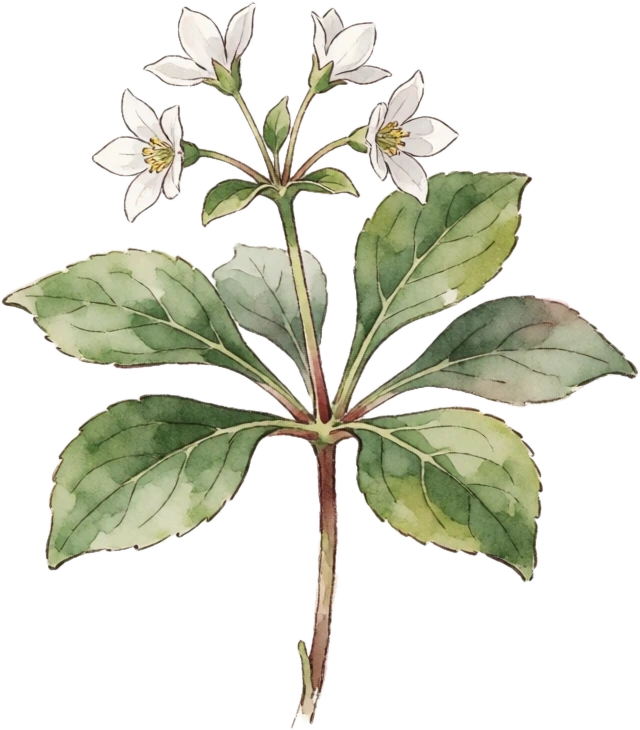
Under mature maples, where grass has failed for forty years, pachysandra quietly succeeds — a six-to-eight-inch evergreen carpet, glossy and even, with small white flowers in spring. Dry shade is the hardest real estate in gardening, and this is its most reliable tenant.
Once knitted together it needs nothing — no mowing, no irrigation — and deer walk over it without a nibble; pets should do the same. Connoisseurs seek the native Allegheny species as the upgrade. For the bare, rooty ground under trees, stop fighting and carpet it.
 SHADE
SHADE Moderate water
 Slow-Moderate growth
 Deer-resistant
 Attracts bees
From the print shop
Growing pachysandra? Hang it.
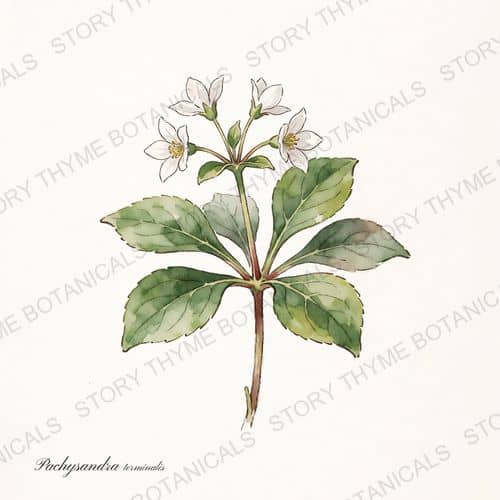
Our Plant Library collection carries pachysandra — Pachysandra terminalis, print Nº 343, “Pachysandra.”
526 designsfrom $12.99white or black backgroundmatte poster, unframed
Will it thrive where you are?
Enter your ZIP — we look up your USDA hardiness zone (2023 map) and check it against what pachysandra actually needs.
 Hardy inZones 4-8
Pachysandra · Common problems
Common pachysandra problems

Pests
1 problem on file
- Euonymus Scale (thin patches = check stems)

Diseases
1 problem on file
- Volutella Blight (thin, rake, improve airflow)
Pachysandra · Growing & propagation
Growing pachysandra
- Light
- SHADE
Yellows in sun
- Water
- Moderate until established, then none
 Soil
Soil- Acid, humusy · pH 5.5 - 6.5
 Fertilizer
- None
 Pruning
- Mow on highest setting every few years to rejuvenate (yes, really)
Nothing otherwise.
 Spacing
- 8-12 in
Solid mat in 3 yrs
How to plant & propagate pachysandra
- Propagate
- Division or seed
Pachysandra · Seasonal care & spray guidance
The pachysandra growing playbook
When to spray pachysandra
Growing season. Thin overcrowded beds; airflow is the medicine.
Pachysandra · Calculators & field guides
A little help in the garden.
Pachysandra · Yearly calendar
The pachysandra year, month by month
Jan
No calendar activity is listed for this month.
 Bloom
BloomBloomApril
What each band means
- Bloom — flowers open — pollinators working, frost on blossoms is the danger.
These are the species' typical months — expect them a few weeks earlier in warm zones and later in cold ones. Watch the plant, not just the calendar.
Pachysandra · Ecology & uses
Ecology & uses
Pachysandra terminalis
Pachysandra in the garden system
- Groundcover layer perennial
- Living mulch
 Attracts
- Bees
- Moisture
- Facultative / average
- Deer
- Resistant
A safer unfenced choice
 Origin
- Introduced
What pachysandra is grown for
! Some parts toxic — see notesMildly toxic to pets
 Use
Use- Under trees
- Use
- North foundations
- Use
- No-mow shade
Edibility, identification, and traditional-use notes here are general reference — not medical or veterinary advice, and not a claim that any plant treats or prevents anything. Medicinal ratings record how strongly a plant features in herbal tradition, nothing more. Never eat or dose a plant you have not positively identified. More on how to use this library.
Pachysandra · Varieties & cultivars
Choosing a pachysandra variety
'Green Sheen' (glossy); native P. procumbens (Allegheny spurge — prettier, less vigorous, worth seeking)
Sources & plant identity
Know what you’re growing.
See where the knowledge comes from.
Pachysandra
Pachysandra terminalis
The plant, at a glance.
- Botanical name
- Pachysandra terminalis
- Plant family
- Buxaceae
- Growth habit
- Perennial
- Origin
- Introduced
- USDA plant symbol
- PATE11
- Invasive risk
- Low
Hardiness, size and timing vary with your cultivar, soil and climate.
Rooted in research.
University extension research, brought together with hands-on growing experience at Story Thyme Farms.
Where to buy
Third-party nurseries — not Story Thyme Farms.
Third-party nurseries, not Story Thyme Farms. Prices are theirs.
Story Thyme Farms may earn a small commission from these links, at no cost to you — it never changes what we recommend.
Questions
Pachysandra questions, answered straight.
Do deer eat pachysandra?
Rarely — pachysandra is considered deer-resistant, which makes it one of the safer unfenced choices in deer country. Hungry deer in a hard winter test every rule, but it's a low-risk pick.
Is pachysandra safe for kids and pets?
With care. Mildly toxic to pets Site it accordingly if children or pets roam the garden. This is general reference, not medical or veterinary advice — call a vet or poison control if something has actually been eaten.
How do you propagate pachysandra?
Division or seed.
Elsewhere
Where pachysandra sits in the library.
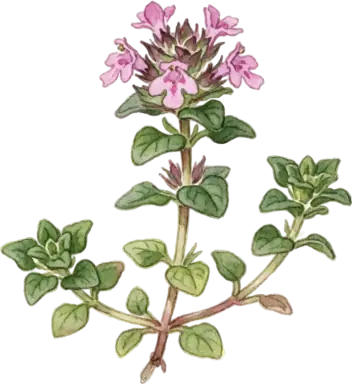 Creeping Thyme
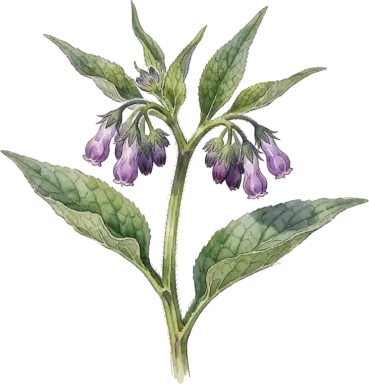 Comfrey
 Anise Hyssop
 Echinacea