Washington Navel
Also known as Washington, Bahia, California Navel
Self-fertile
- Ripens
- Nov-Feb
- Zones
- 9-11
- Disease
- susceptible to citrus greening (HLB) and canker
- Size
- standard 15-25 ft; dwarf ~6-8 ft on trifoliate rootstock (container/patio)
classic sweet, seedless, easy-peel; best fresh, not for juicing (juice turns bitter) — The benchmark eating orange for home growers, but navels crop lightly and want a warm coastal/interior climate to size and sweeten well.
Where to buy ‘Washington Navel’verified
Story Thyme Farms may earn a small commission from these links, at no cost to you — it never changes what we recommend.
Cara Cara
Also known as Cara Cara Pink Navel, Red Navel
Self-fertile
- Ripens
- Dec-Feb
- Zones
- 9-11
- Disease
- susceptible to citrus greening (HLB) and canker
- Size
- standard 15-20 ft; dwarf ~6-8 ft in containers
pink-fleshed, low-acid, berry-like sweetness, seedless; superb fresh eating — A pink-fleshed sport of Washington navel with the same easy self-fertile care, prized for its sweet low-acid flavor and novelty color.
Where to buy ‘Cara Cara’
Story Thyme Farms may earn a small commission from these links, at no cost to you — it never changes what we recommend.
Valencia
Also known as Valencia Late, Common Sweet Orange
Self-fertile
- Ripens
- Mar-June
- Zones
- 9-11
- Disease
- susceptible to citrus greening (HLB); moderate overall vigor
- Size
- standard 15-25 ft; dwarf ~6-10 ft in containers
rich, juicy, mildly seedy; the premier juicing orange — The classic late-season juice orange that holds on the tree for months, extending your harvest well past the navels.
Where to buy ‘Valencia’
Story Thyme Farms may earn a small commission from these links, at no cost to you — it never changes what we recommend.
Hamlin
Self-fertile
- Ripens
- Nov-Jan
- Zones
- 9-11 (marginal 8b with protection)
- Disease
- susceptible to citrus greening (HLB); relatively cold-hardy wood
- Size
- standard 15-25 ft; dwarf ~6-8 ft in containers
mild, sweet, nearly seedless, thin-skinned; primarily a juice orange — Among the more cold-hardy and early-ripening sweet oranges, making it one of the safer picks for the Gulf Coast and colder citrus zones, but wood is still damaged in the low-to-mid 20s F, so treat zone 8 as marginal.
Where to buy ‘Hamlin’
Story Thyme Farms may earn a small commission from these links, at no cost to you — it never changes what we recommend.
Moro
Also known as Moro Blood Orange
Self-fertile
- Ripens
- Jan-Mar
- Zones
- 9-11
- Disease
- susceptible to citrus greening (HLB) and canker
- Size
- standard 12-20 ft; dwarf ~6-8 ft in containers
deep crimson flesh, raspberry-like berry flavor, mostly seedless — The earliest and most deeply red-fleshed blood orange, but it needs cool winter nights to develop full anthocyanin color, so flesh runs orange in mild-winter areas.
Where to buy ‘Moro’
Story Thyme Farms may earn a small commission from these links, at no cost to you — it never changes what we recommend.
Tarocco
Also known as Tarocco Blood Orange
Self-fertile
- Ripens
- Feb-Apr
- Zones
- 9-11
- Disease
- susceptible to citrus greening (HLB) and canker
- Size
- standard 12-20 ft; dwarf ~6-8 ft in containers
sweetest blood orange, low acid, juicy, few seeds, partial red blush — Widely considered the best-tasting blood orange, milder colored than Moro but sweeter, and it ripens a bit later to stretch the blood-orange season.
Where to buy ‘Tarocco’
Story Thyme Farms may earn a small commission from these links, at no cost to you — it never changes what we recommend.
Trovita
Also known as sometimes marketed under the 'Arizona Sweets' umbrella (a group name, not a true synonym)
Self-fertile
- Ripens
- Jan-Mar
- Zones
- 9-11
- Disease
- susceptible to citrus greening (HLB); tolerant of heat and low humidity
- Size
- standard 12-20 ft; dwarf ~6-8 ft in containers
thin-skinned, sweet, some seeds; good fresh and for juice — A sweet orange adapted to hot, dry interior climates where navels struggle, popular for Arizona and inland desert gardens. Note 'Arizona Sweets' is a marketing category covering several oranges (Trovita, Hamlin, Marrs, Diller), not a strict synonym for Trovita.
Where to buy ‘Trovita’
Story Thyme Farms may earn a small commission from these links, at no cost to you — it never changes what we recommend.
Parson Brown
Also known as Parson, Parson Brown Sweet Orange
Self-fertile
- Ripens
- Oct-Dec
- Zones
- 9-11
- Disease
- susceptible to citrus greening (HLB); vigorous, productive
- Size
- standard 15-25 ft; dwarf ~6-8 ft in containers
very early, sweet, seedy juice orange; more seeds than modern types — One of the earliest-ripening sweet oranges, a historic Florida juice variety worth planting to start the citrus season, though the fruit is seedy.
Where to buy ‘Parson Brown’
Story Thyme Farms may earn a small commission from these links, at no cost to you — it never changes what we recommend.
Marrs
Also known as Marrs Early, Marrs Sweet Orange
Self-fertile
- Ripens
- Oct-Dec
- Zones
- 9-11
- Disease
- susceptible to citrus greening (HLB) and canker
- Size
- naturally semi-dwarf, compact 8-12 ft
early, very low-acid, sweet, juicy with some seeds; good fresh and juice — A naturally small, early-bearing Texas favorite that fits home yards and containers and fruits young, with unusually low-acid sweet fruit.
Where to buy ‘Marrs’
Story Thyme Farms may earn a small commission from these links, at no cost to you — it never changes what we recommend.
Fukumoto
Self-fertile
- Ripens
- Late October to early November onward
- Zones
- 9-11
- Size
- Smaller tree than Washington, excellent fruit size
Sweet navel, notable red-orange color — Japanese early navel that beats Washington by three to four weeks, which can put the crop in hand before a damaging frost. May not have full orange peel color when it is already ready to eat - taste it. Trees sometimes throw variegated leaves or chimeric fruit.
Where to buy ‘Fukumoto’
Story Thyme Farms may earn a small commission from these links, at no cost to you — it never changes what we recommend.
Lane Late
Self-fertile
- Ripens
- January through April
- Zones
- 9-11
- Size
- Tree indistinguishable from Washington
Navel quality, sweet — The first of the late or summer navels, an Australian bud sport of Washington and the most promising late navel in Arizona trials. Extends the navel season months past Washington. Fruit granulation can be a problem, so do not hang the crop longer than you have to.
Where to buy ‘Lane Late’
Story Thyme Farms may earn a small commission from these links, at no cost to you — it never changes what we recommend.
Pineapple
Self-fertile
- Ripens
- December through February
- Zones
- 9-11
- Size
- Medium to large, very productive tree, medium fruit
Fine, rich flavor with excellent deep color, high juice content — An 1860 Florida seedling named for the fragrance and flavor of the fruit, long the chief mid-season processing orange there. Fifteen to twenty-five seeds per fruit, so it is a juicer rather than a fresh-eating orange. Tends to bear in alternate years and is prone to pre-harvest fruit drop. Ripening mid-season leaves the crop exposed to frost.
Where to buy ‘Pineapple’
Story Thyme Farms may earn a small commission from these links, at no cost to you — it never changes what we recommend.




 FeedingIn winter

 Bloom
Bloom







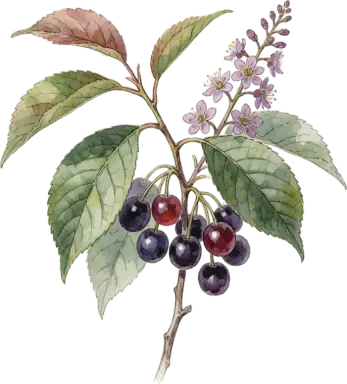 Black Cherry
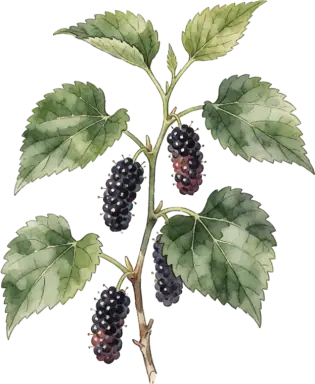 Mulberry
 Avocado
 Persimmon