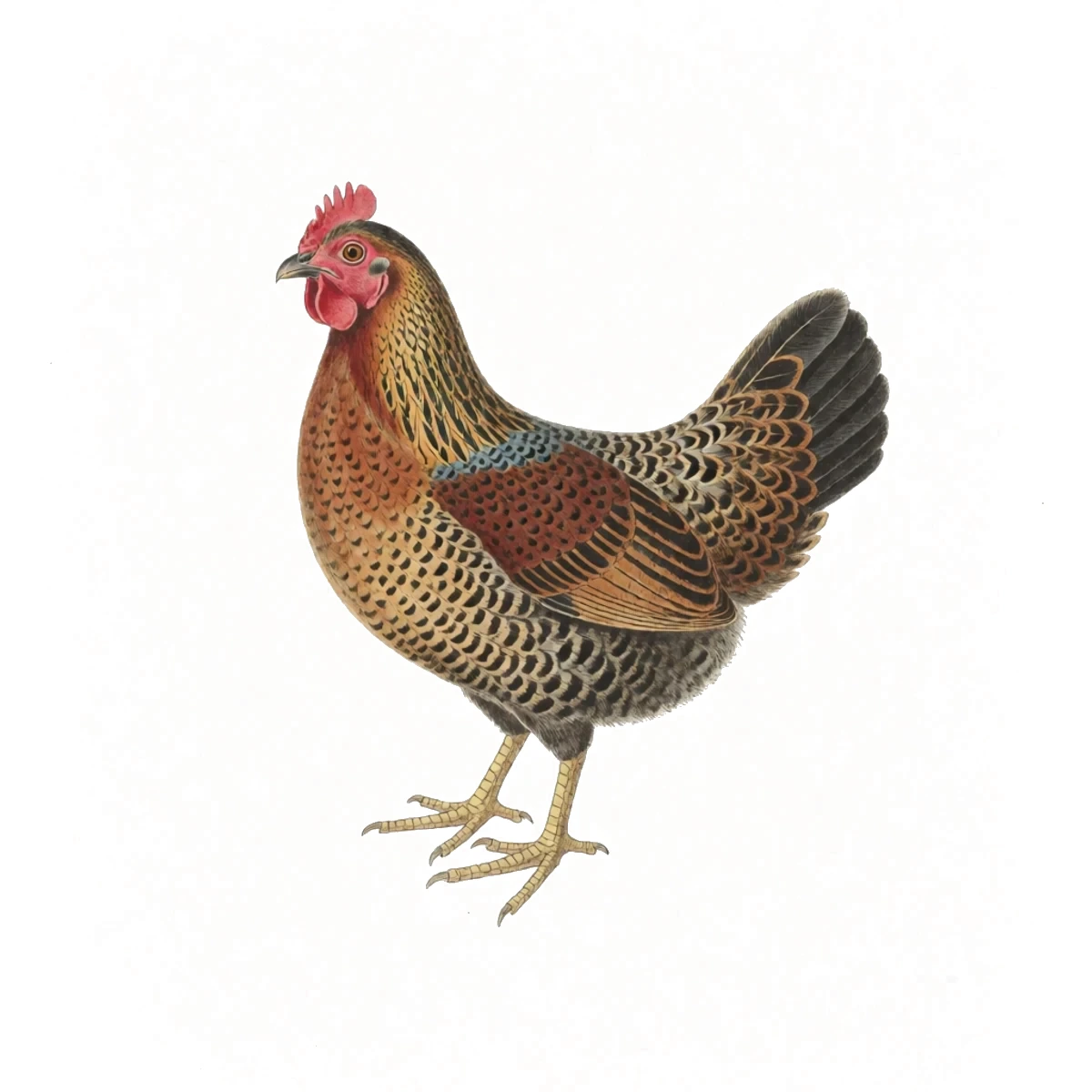
Helping hens through the molt
Getting through the fall feather change
The coop fills with feathers and the hens stop laying. This is normal maintenance rather than illness, and extra protein is what helps.
Getting through the fall feather change
Prints on one page. The long version below stays on the screen.
The long version

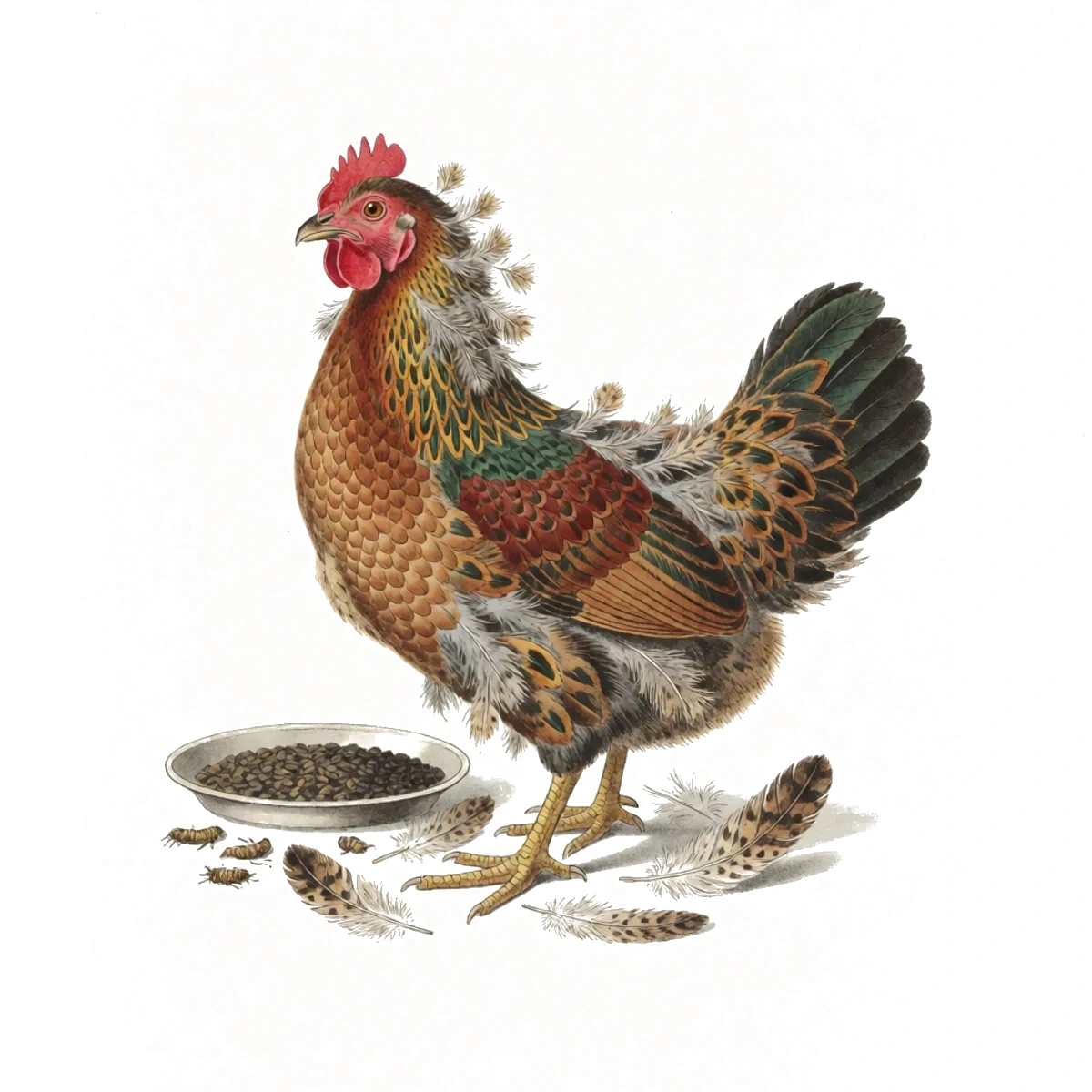
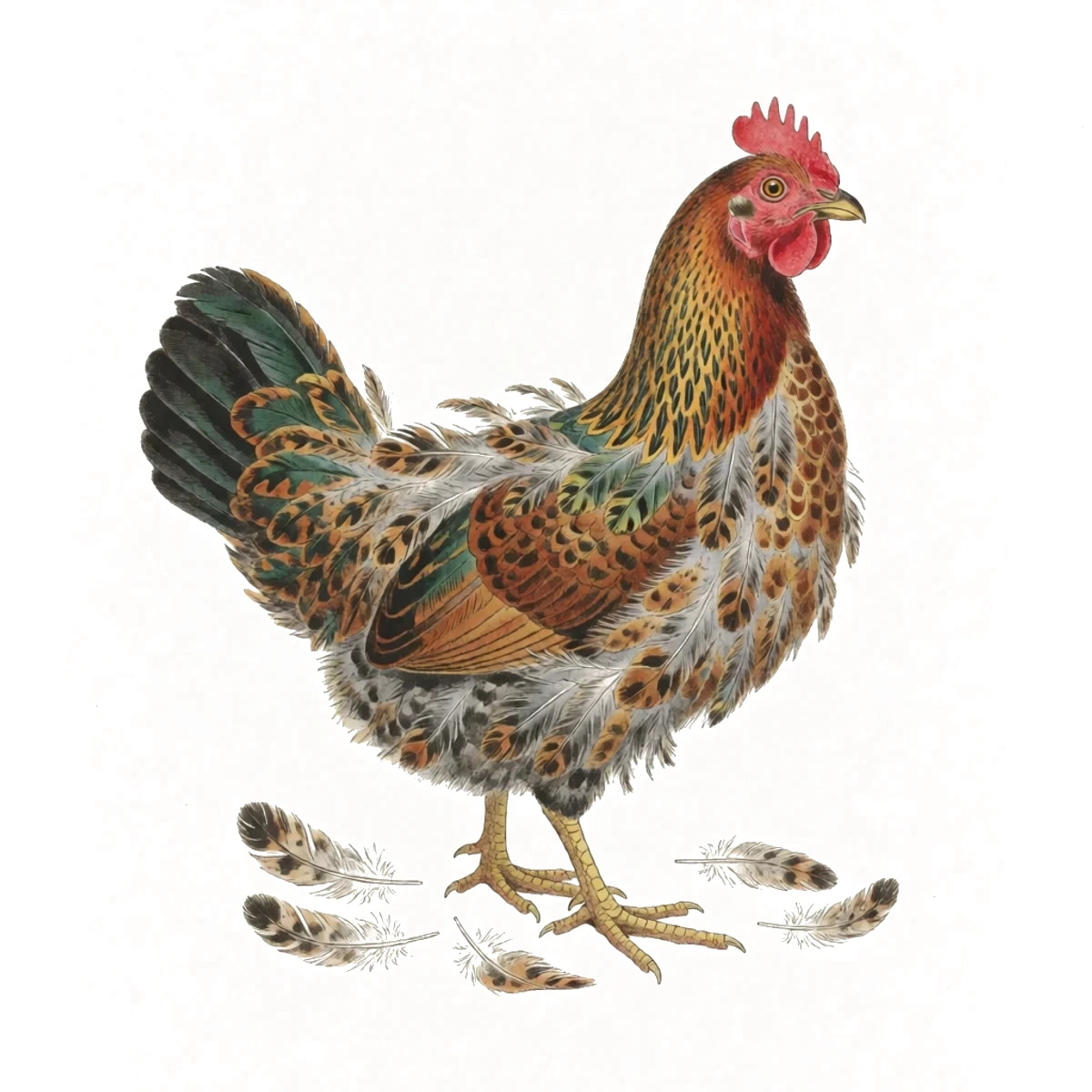
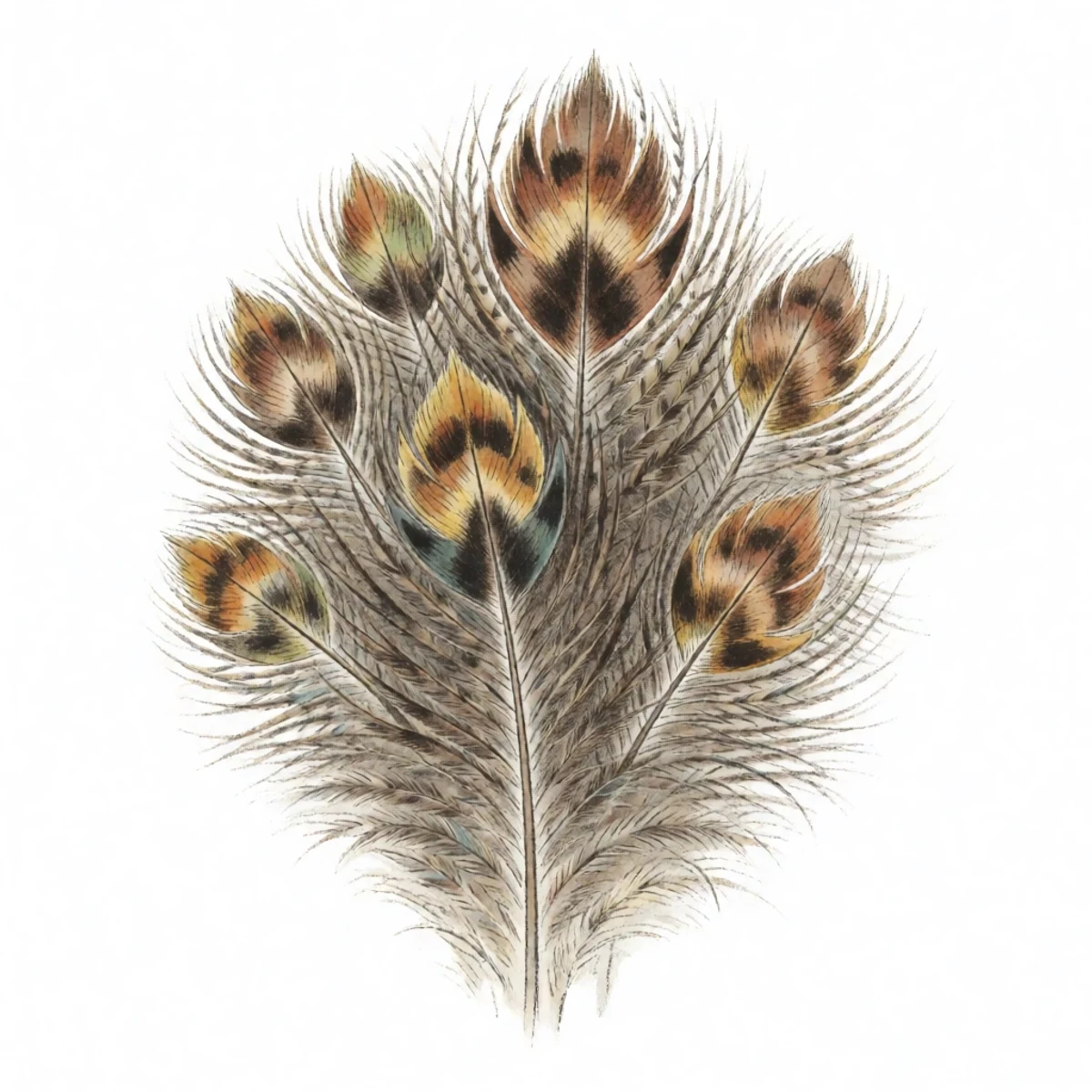
Every fall, the shortening days tell each hen to replace her worn feathers with a new winter coat. For eight to twelve weeks the run looks like a fox got in, and laying slows down or stops completely. Nothing is wrong. A feather is almost entirely protein, so the whole process is a building project you can support by feeding well.

Molting starts at the head, then moves to the neck, breast, back, wings and tail. Expect scruffy birds with bare patches and rows of new pin feathers, which look like waxy quills. Sudden bald patches with irritated skin and no pin feathers coming through are something else, so check for mites, bullying, or a rooster mating too often.

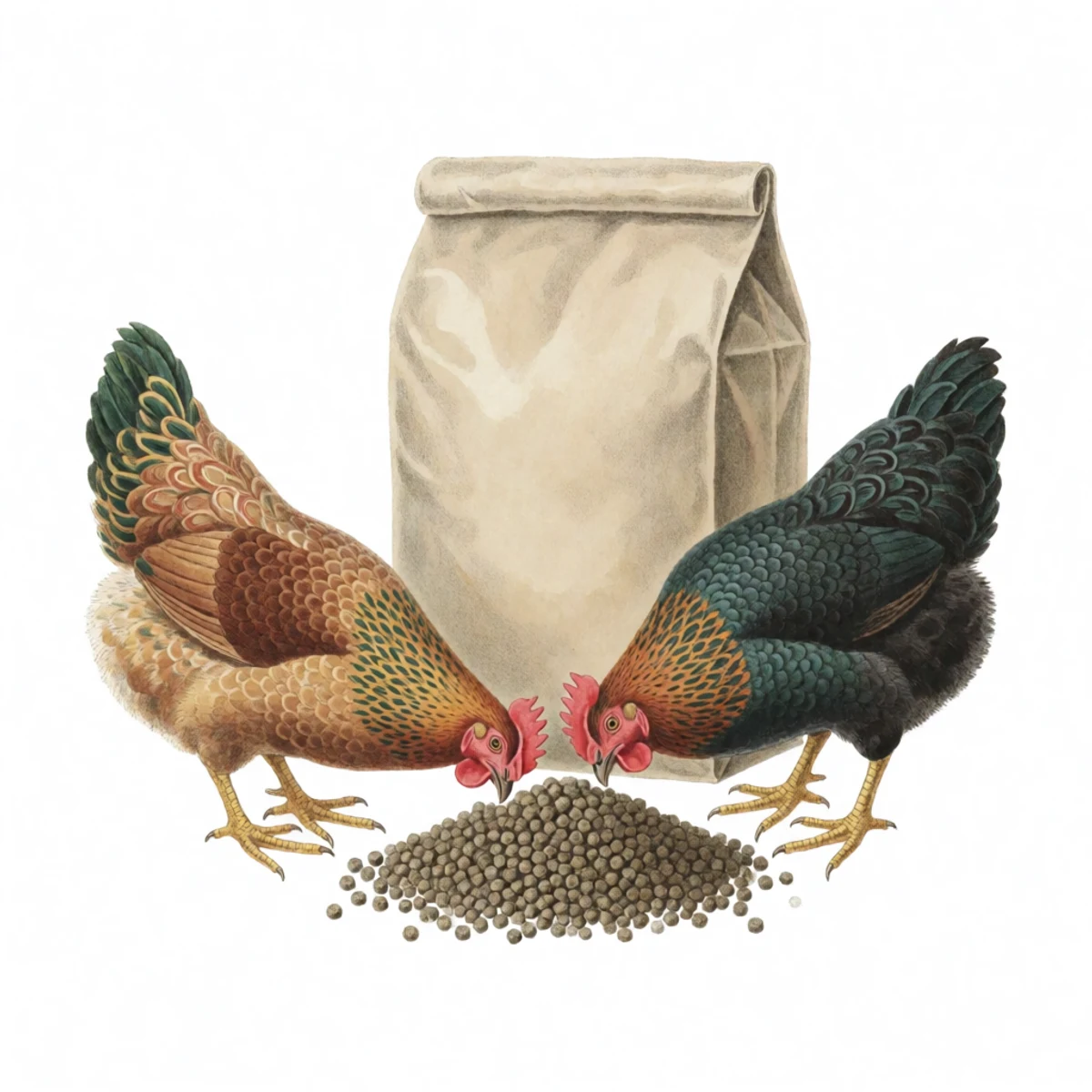
Feathers are more than 80 percent protein, so during molting season we switch from layer feed to an 18 to 20 percent flock raiser or feather-fixer feed, with oyster shell offered separately for any hen still laying. Meat scraps, sunflower seeds and dried grubs make good additions, but keep all treats under a tenth of the total diet.

Pin feathers hurt when knocked and bleed freely if broken, because each one is a blood-filled quill until it opens out. Skip holding your birds for a few weeks, pick up molting hens only when you have to, and give the flock extra space and quiet. Stress noticeably slows a molt down.

A hen that molts hard drops all her feathers at once, looks terrible for a month, and gets back to laying quickly. That bird is usually your best layer. A hen that molts slowly drags it out over months. Either way, once the new coat is finished and glossy, the eggs come back with stronger winter shells and richer yolks.
As an Amazon Associate, Story Thyme Farms earns from qualifying purchases, at no cost to you. It never changes what we recommend.