Field Guide · The flock · 8 min read

The Deep Litter Method, Start to Finish

Let the coop floor compost in place. The hens turn it, it generates its own heat, and you clean it out once a year instead of every week.

Story Thyme Farms · Bench cardStart in fall

Deep litter, start to finish

Adding carbon over the manure all winter

DifficultyLess work, more judgment
Start with4–6" dry bedding
Builds to8–12" by spring
Clean out1–2 times a year
1Starting the bedPut down four to six inches of dry bedding in fall
2The weekly routineCover fresh manure with fresh bedding each week
3Checking the smellIf you smell ammonia, add more carbon right away
4Through the winterLet it build up to eight to twelve inches
5Cleaning it outShovel it out in spring and leave a little behind
Materials needed · Pine shavings · Garden fork · Scratch grains · Coop thermometer
Written on the farm · Missouristorythymefarms.com/guides/deep-litter-method-chicken-coop
Prints on one page. The long version below stays on the screen.

The long version

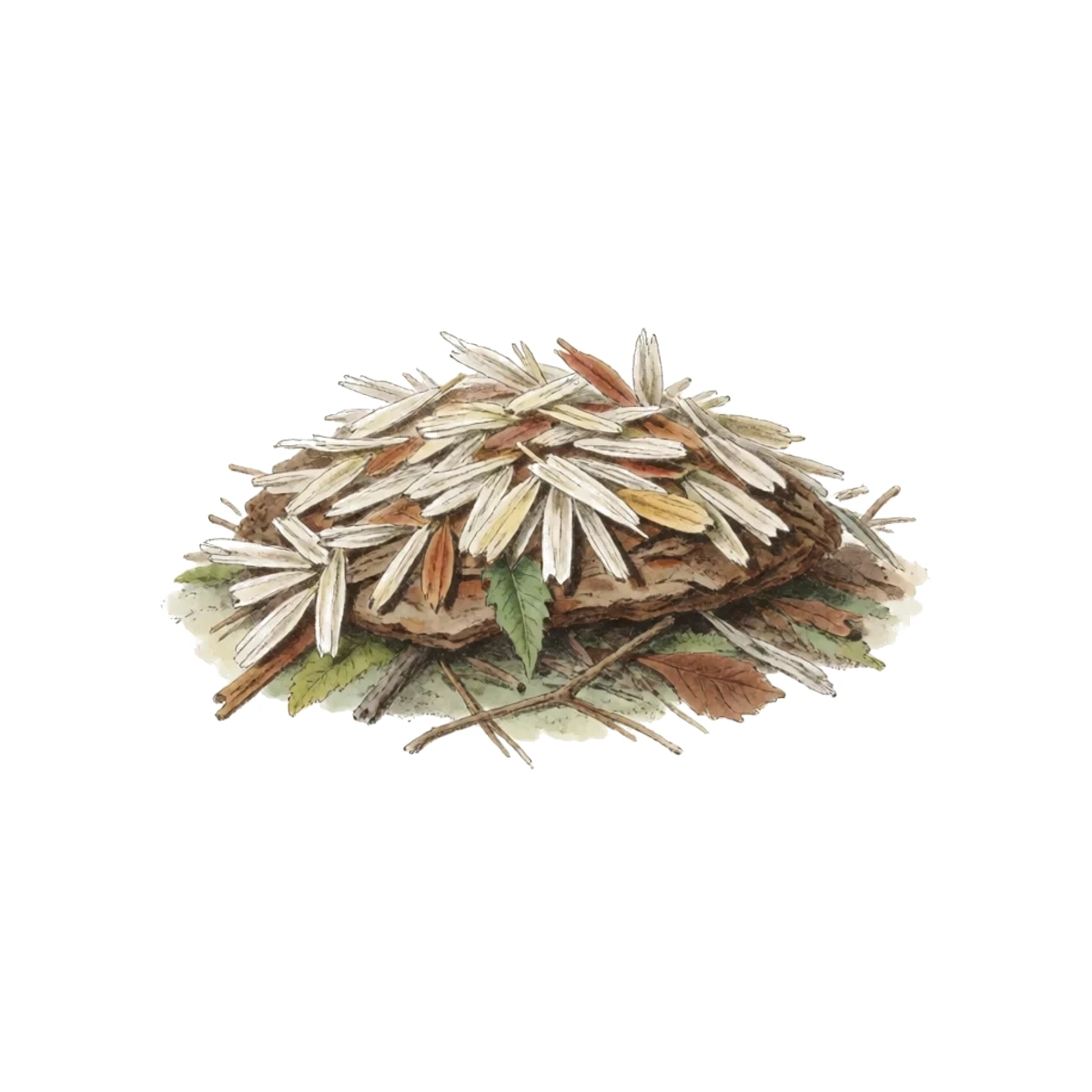
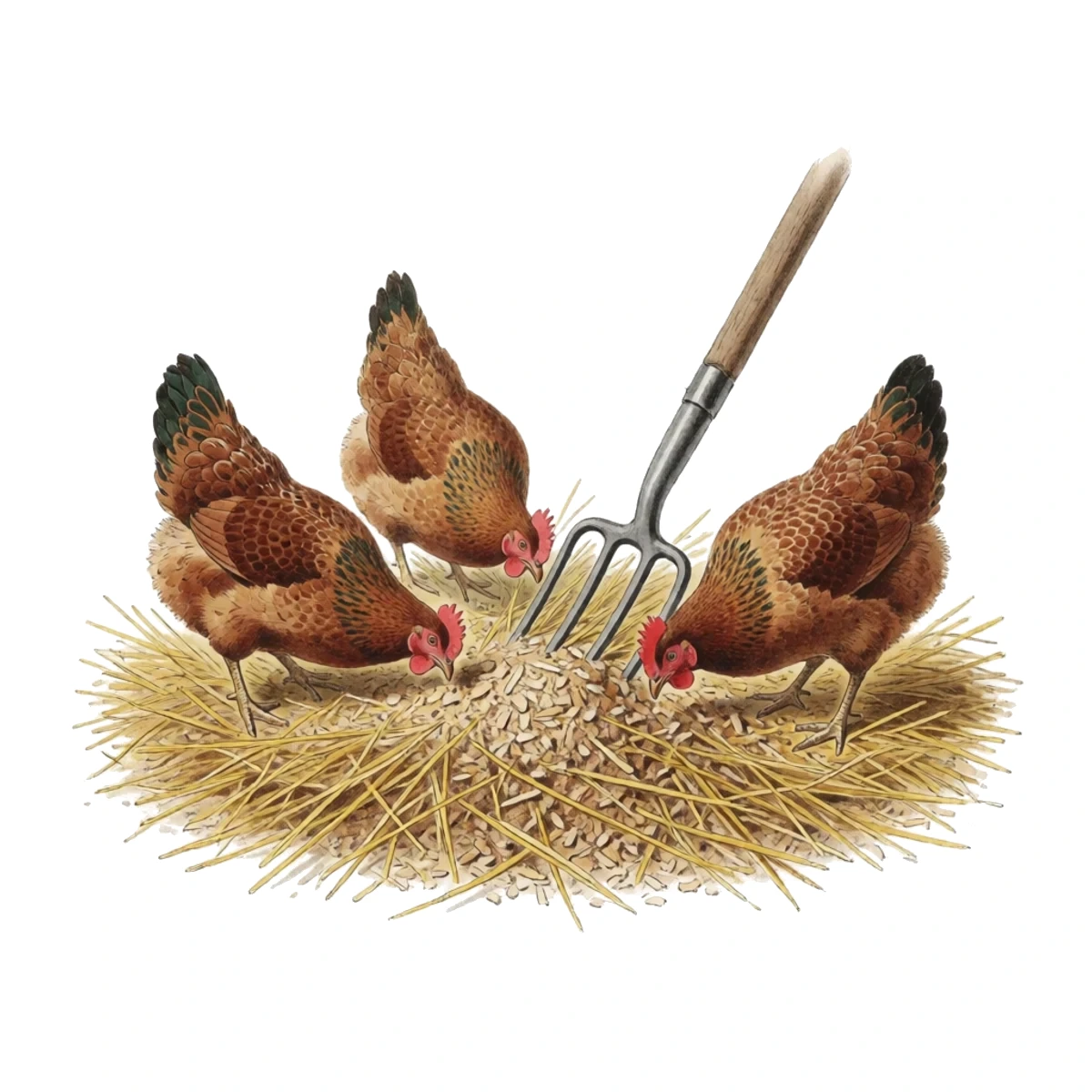
Watercolor plate of hens scratching deep litter beside a garden fork
Adding carbon over the manure all winter · field plate

Deep litter means composting the manure where it already falls. Instead of scraping the coop out every week, you keep covering fresh droppings with carbon material and let the pile break down underfoot. Done properly it is drier, warmer and better smelling than a scraped floor, and in spring you shovel out finished compost.

  1. Step 1 · Starting the bed

    Put down four to six inches of dry bedding in fall

    Watercolour plate of a clean coop floor covered four to six inches deep in fresh pine shavings and chopped straw

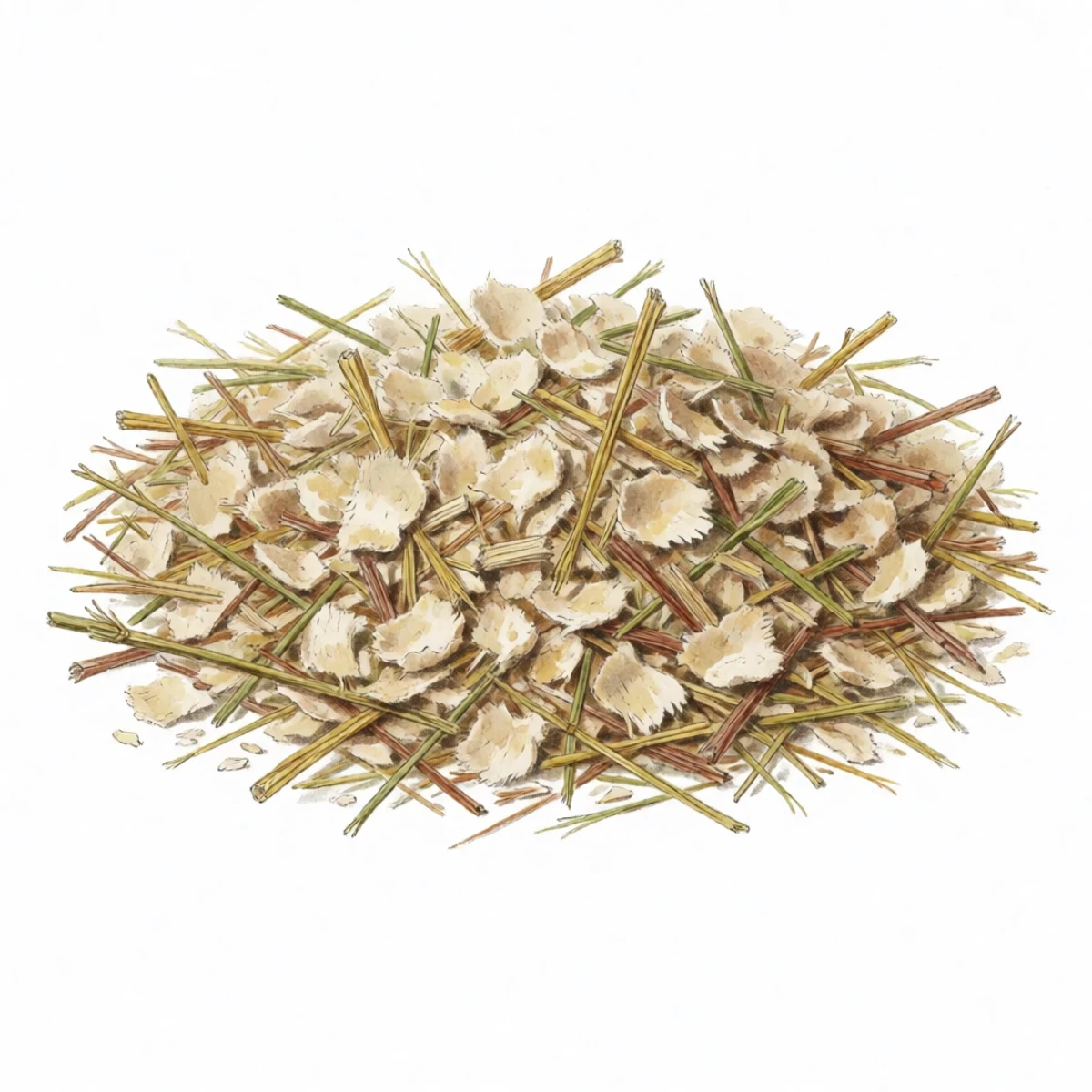
    Start with a clean floor in early fall and put down four to six inches of pine shavings, chopped straw, or dry leaves across the whole floor. A dirt floor is best, because soil microbes and helpful mites move up into the bedding, but a wooden floor works fine too.

  2. Step 2 · The weekly routine

    Cover fresh manure with fresh bedding each week

    Watercolour plate of a fork turning caked litter under the roost and fresh shavings being scattered over the top

    Once a week, or whenever droppings are visible on the surface, break up the caked areas under the roost with a fork and scatter a fresh inch of bedding over the top. Throwing a handful of scratch grain into the litter each day gets the hens to do the turning for you.

  3. Step 3 · Checking the smell

    If you smell ammonia, add more carbon right away

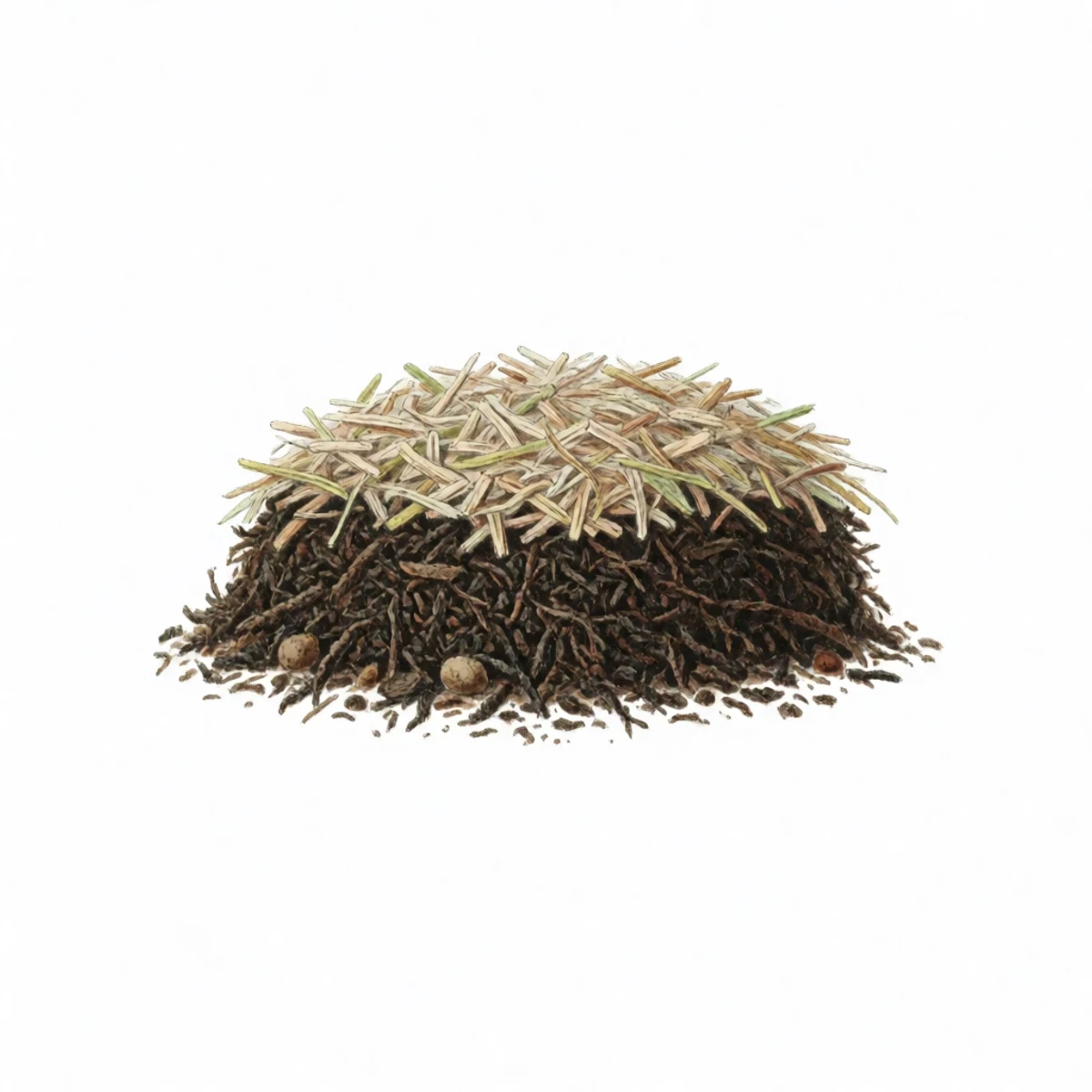
    Watercolour plate of a cross-section of deep litter showing dark composting material below and dry carbon bedding above

    Healthy deep litter smells earthy, like a forest floor. As soon as you can smell ammonia at hen height, the bedding is too wet or has too much manure in it. Fork it over more deeply, add a thick layer of dry bedding, and check that the vents up high are open. Checking the smell is really the whole of the management.

  4. Step 4 · Through the winter

    Let it build up to eight to twelve inches

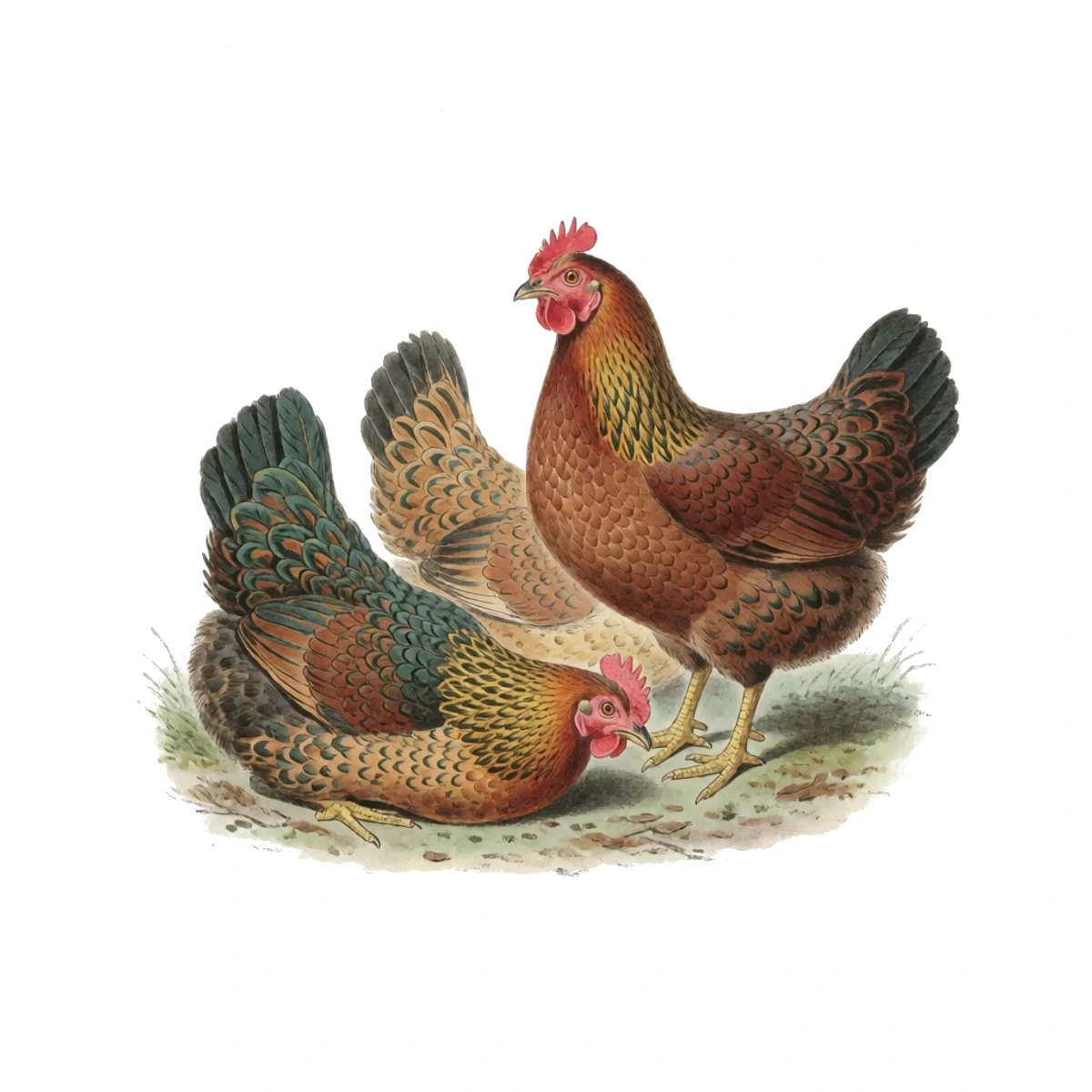
    Watercolour plate of hens loafing and dust-bathing in deep winter litter built up nearly a foot thick, gentle warmth suggested

    Over the winter the bedding gets deeper and the slow composting underneath gives off gentle heat, and the hens will rest and dust-bathe in it on cold days. Keep the vents above roost height open all winter, because deep litter needs airflow and must never be sealed up.

  5. Step 5 · Cleaning it out

    Shovel it out in spring and leave a little behind

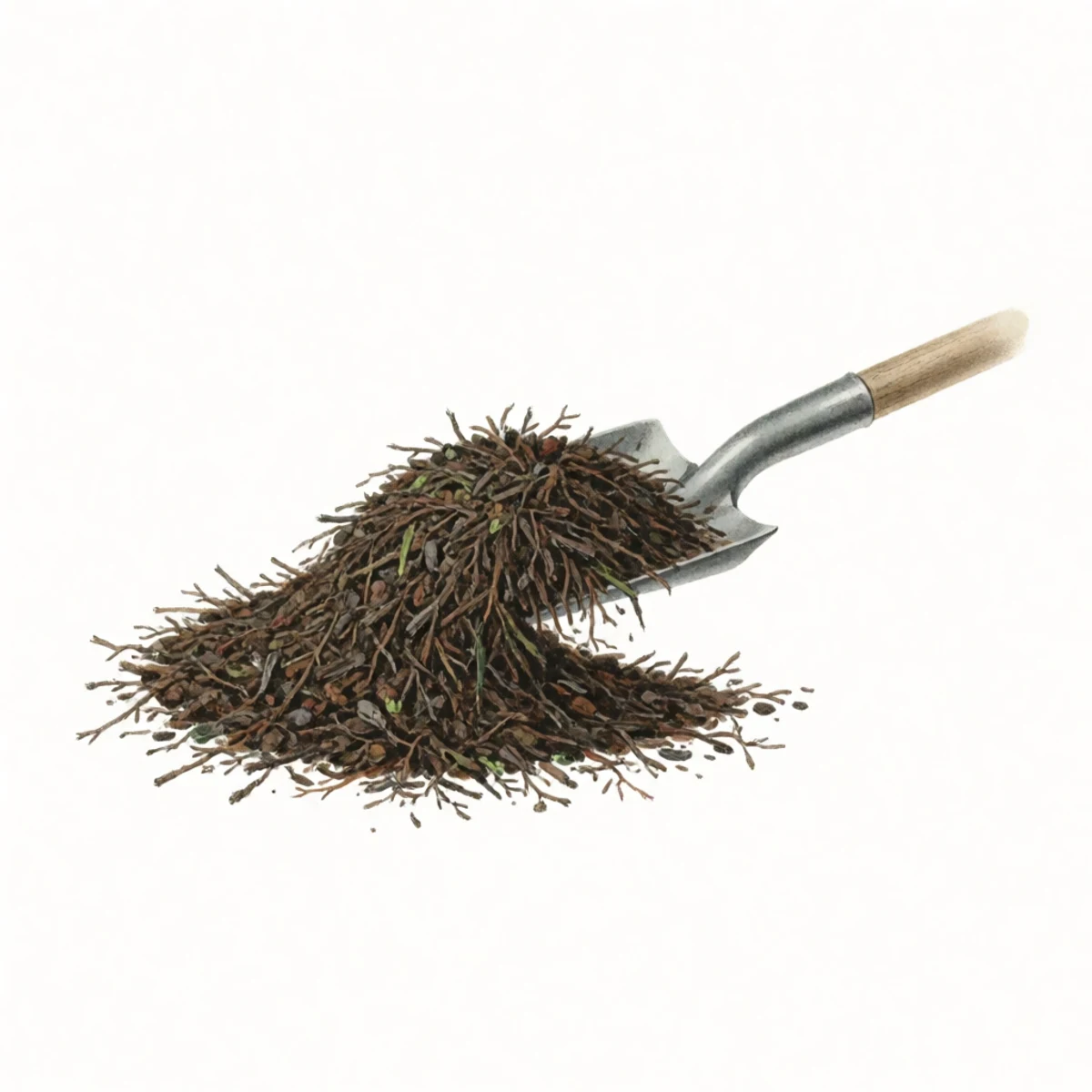
    Watercolour plate of a shovel lifting finished dark compost out of a coop in spring, a shallow starter layer left behind

    Once or twice a year, which for us is in spring, shovel out everything except a couple of inches. What you leave behind seeds the next round with microbes. What you take out is half-finished compost, so either hot-compost it properly, or spread it where nothing edible is growing. If you put it on food beds uncomposted, allow at least 120 days before harvesting anything that touches the soil, and 90 days for everything else. Around fruit trees you can spread it any time.

Materials needed

As an Amazon Associate, Story Thyme Farms earns from qualifying purchases, at no cost to you. It never changes what we recommend.

Questions we actually get

Doesn't a foot of manure-litter stink up the coop?
Backwards, in practice. A properly carbon-heavy deep litter smells better than a weekly-scraped floor, because the compost microbes eat the ammonia. Smell is the alarm, not the normal state.
Can I use diatomaceous earth in deep litter?
Skip it in a deep litter coop. DE kills the beneficial decomposer life the system runs on, and the dust is hard on chicken lungs and yours. A litter that composts properly manages pests on its own.
Does deep litter work in a small prefab coop?
It works anywhere you can keep four-plus inches of bedding and real ventilation. In tiny coops the challenge is moisture, fewer birds and less floor mean the balance swings faster, so check with your nose twice a week.