Field Guide · Propagation · 8 min read

How to Air Layer a Fruit Tree

Air layering roots a branch while it is still attached to the parent tree. It takes longer than a cutting, but it works on trees that will not root from cuttings.

Story Thyme Farms · Bench cardSpring to early summer

How to air layer a fruit tree

Any fruit tree with a low, healthy branch. The moss ball method

DifficultyModerate
Roots in6 weeks to 3 months
Works onFigs, apples, citrus
ToolsKnife, moss, film
1Choosing a branchPick a branch about as thick as your finger
2Removing a ring of barkStrip a ring of bark down to bare wood
3Wrapping it in mossPack wet moss around the wound
4Checking on itCheck it once a month and keep the moss damp
5Cutting it freeCut the branch off below the roots and pot it
Materials needed · Grafting knife · Long-fiber sphagnum · Plastic wrap · Rooting hormone · Grafting tape
Written on the farm · Missouristorythymefarms.com/guides/how-to-air-layer-fruit-trees
Prints on one page. The long version below stays on the screen.

The long version

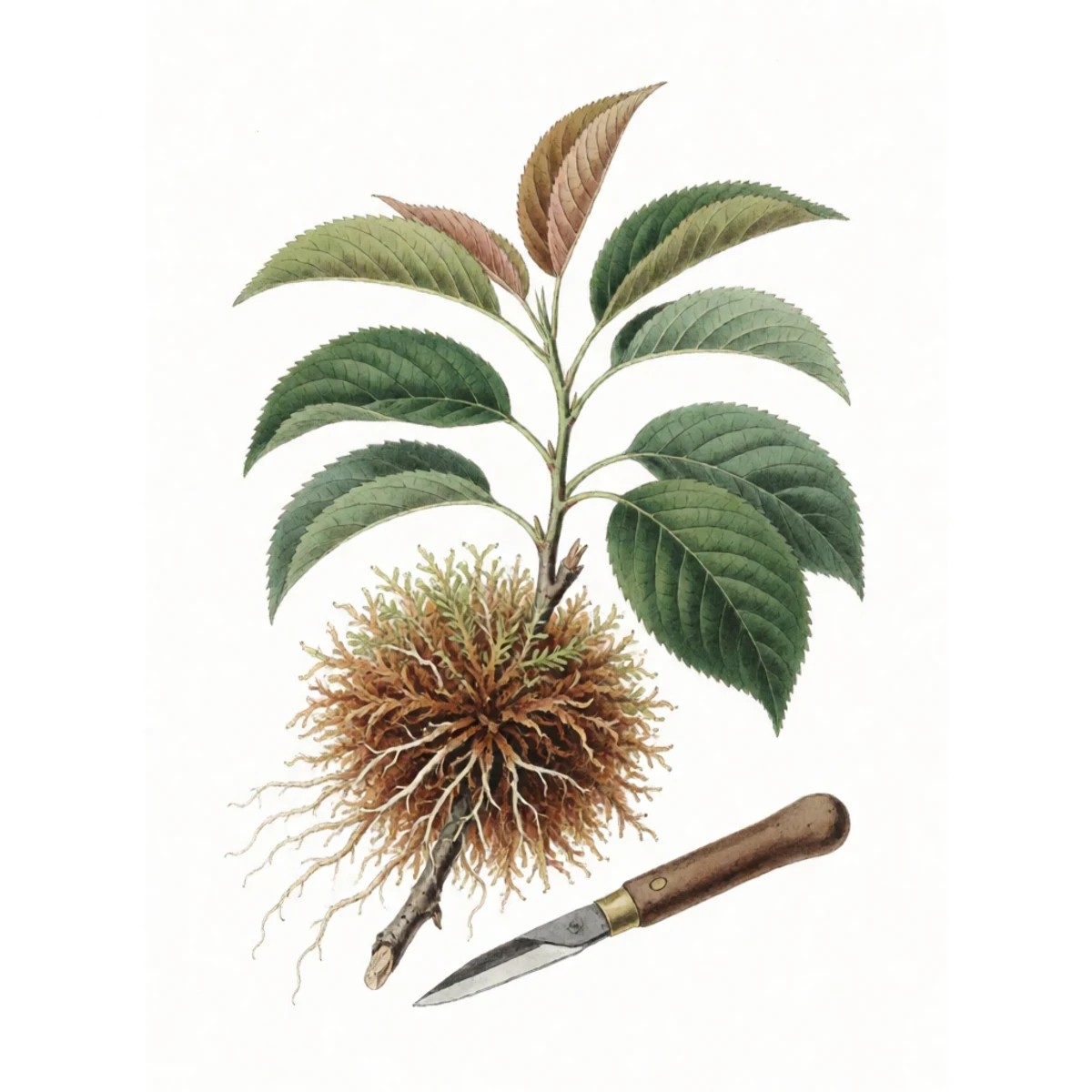
Watercolor plate of an air layered branch with roots forming in a moss ball
Any fruit tree with a low, healthy branch · field plate

With air layering, the branch grows roots before you ever cut it off the tree. The parent tree keeps feeding it the whole time, which is why this works on trees that do poorly as cuttings. We use it on figs and apples when we want a good-sized plant in a single season.

  1. Step 1 · Choosing a branch

    Pick a branch about as thick as your finger

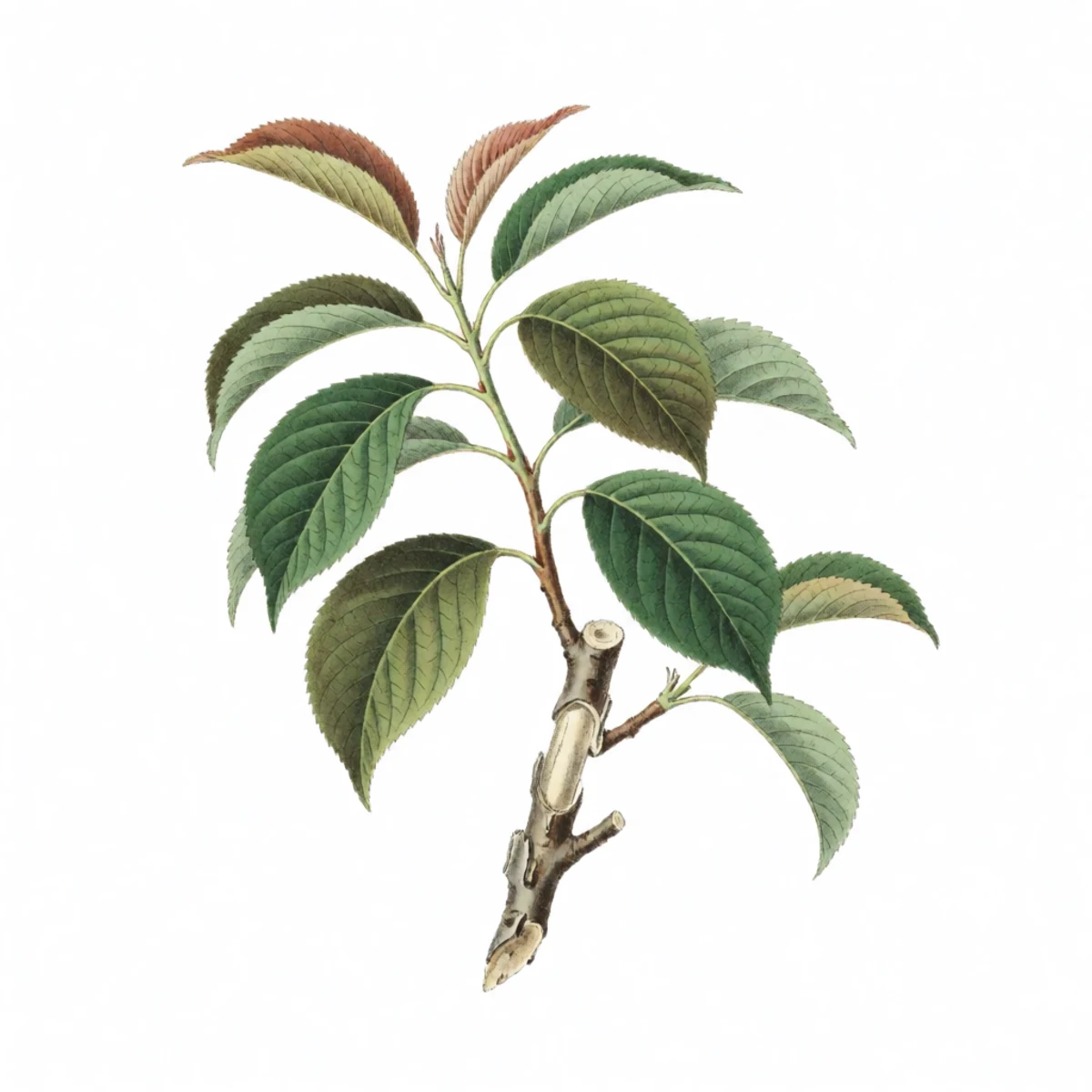
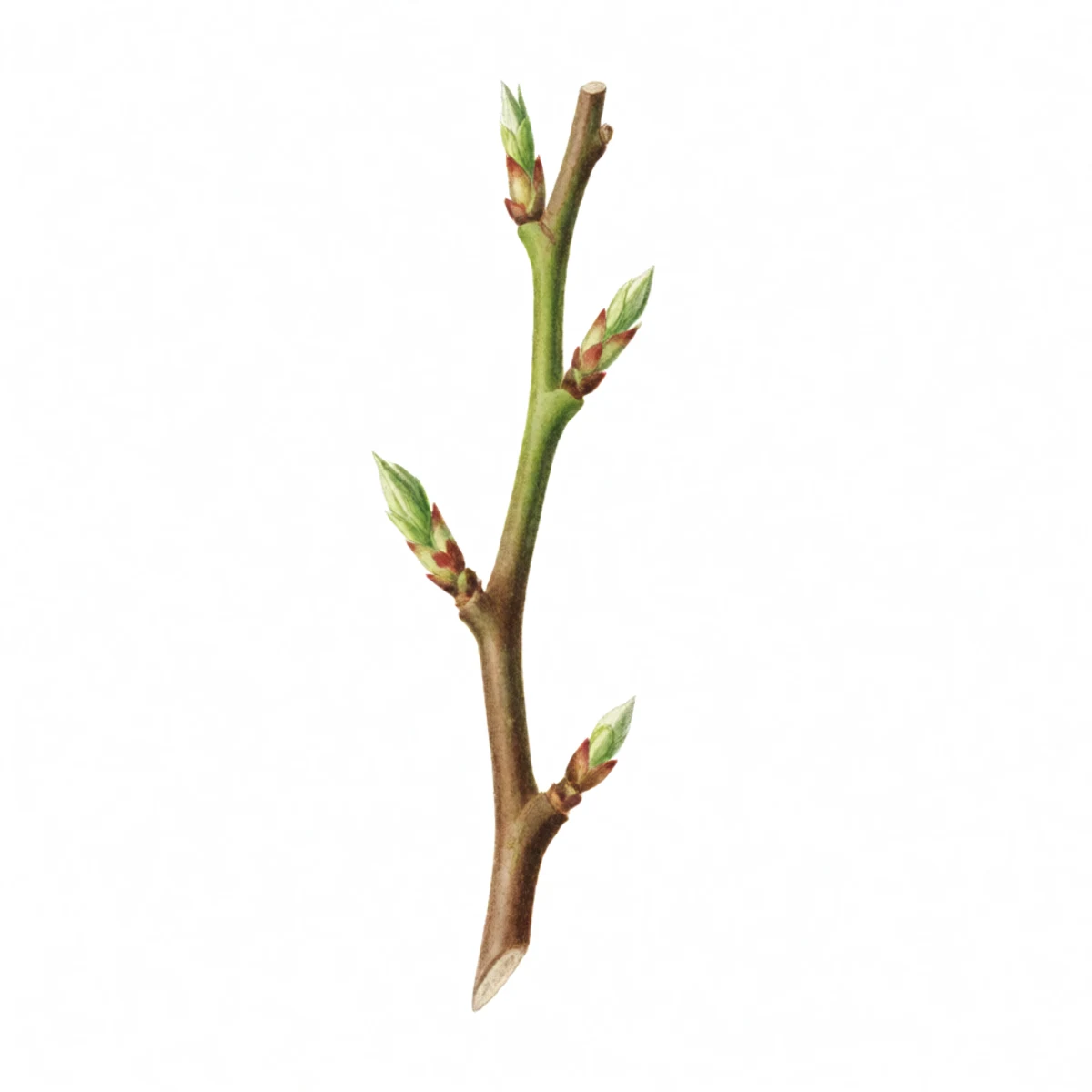
    Watercolour plate of a healthy upright finger-thick fruit tree branch of last season's growth, smooth young bark and a few unopened buds, a hand-width shown for scale

    Choose a healthy, upright branch about as thick as a finger, one or two years old. Do this in spring or early summer, while sap is moving and the tree is growing. Pick a spot on a straight section of the branch, at least six inches back from the tip.

  2. Step 2 · Removing a ring of bark

    Strip a ring of bark down to bare wood

    Watercolour plate of a fruit tree branch with a clean ring of bark peeled away between two knife cuts, pale bare wood exposed in the gap, curls of removed bark below

    Make two cuts all the way around the branch, about an inch apart. Peel off the ring of bark between them, then scrape away the slippery green layer underneath so you are down to bare wood. Roots will form along the top edge of that wound. Rooting hormone on that edge speeds things up, but it is not required.

  3. Step 3 · Wrapping it in moss

    Pack wet moss around the wound

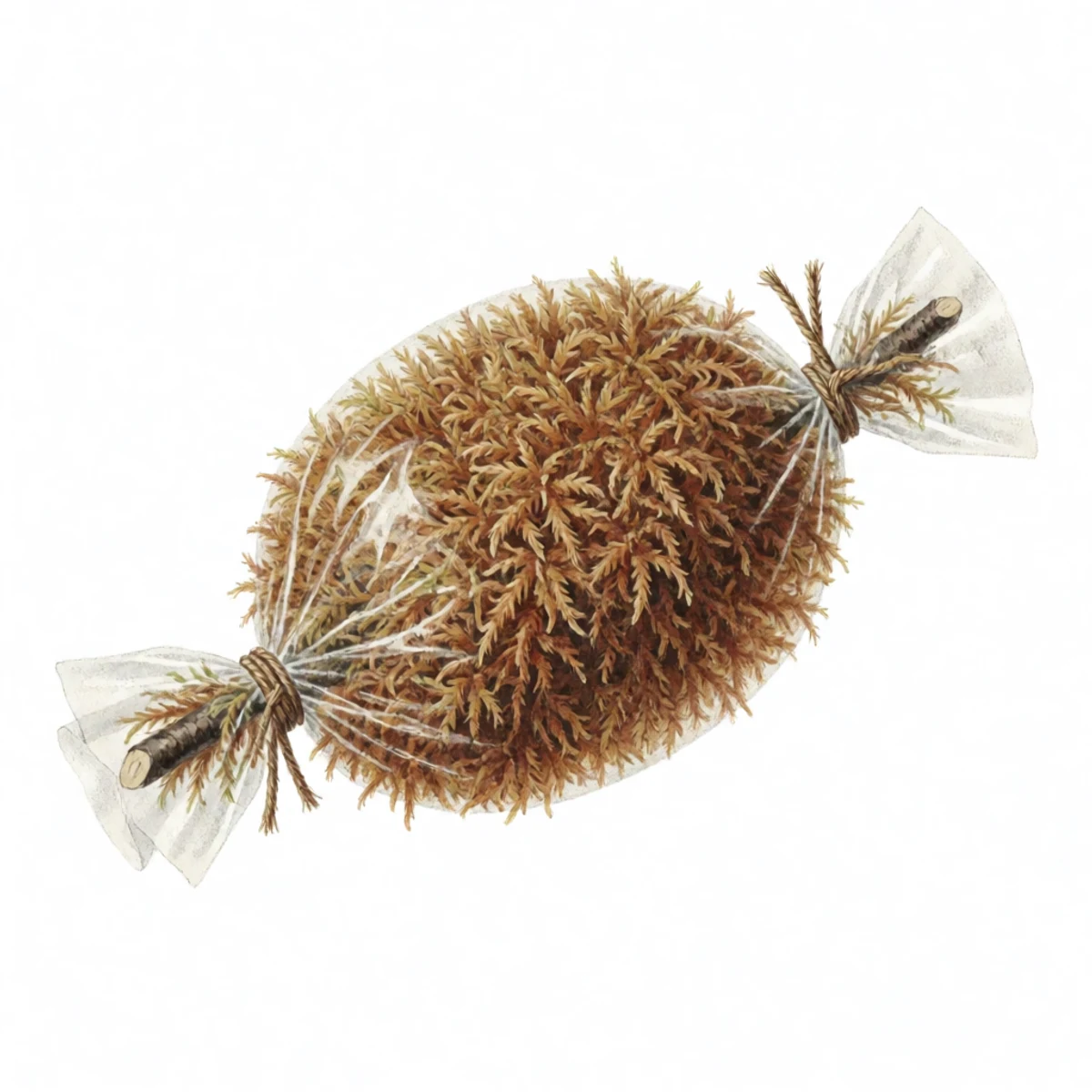
    Watercolour plate of a ball of wet brown sphagnum moss packed thickly around a girdled branch and bound in clear plastic film, tied at both ends with twine

    Soak two handfuls of long-fiber sphagnum moss and squeeze them until they stop dripping. Pack the moss about two inches thick around the bare ring, wrap it tightly in plastic film, and tie or tape both ends so it cannot dry out. A layer of foil over the top keeps the sun from overheating it.

  4. Step 4 · Checking on it

    Check it once a month and keep the moss damp

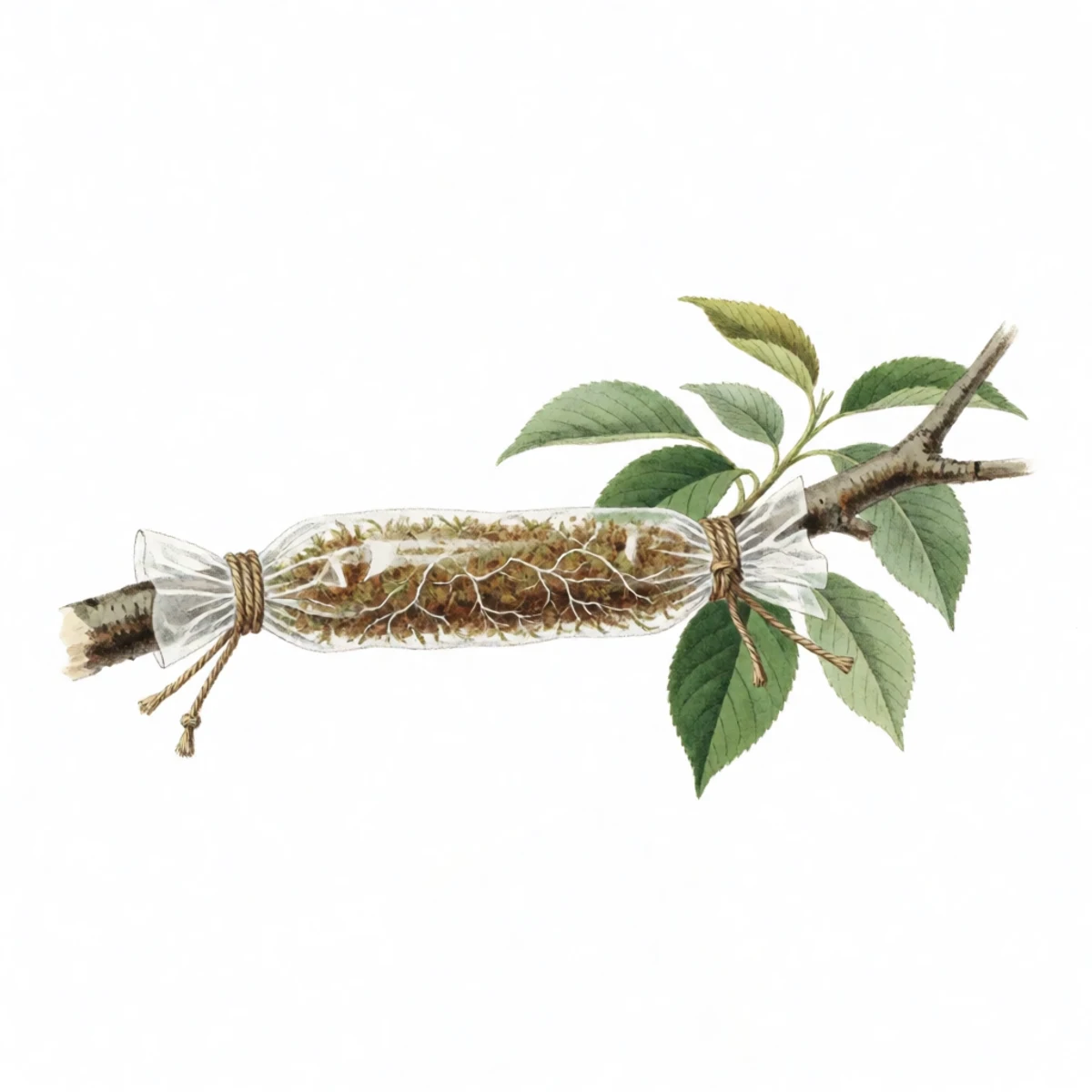
    Watercolour plate of a clear-wrapped sphagnum moss ball on a branch with fine white roots visible curling against the plastic from inside

    Roots appear in six weeks to three months, depending on the tree. If the moss dries out, open the top and pour in water. It is ready when white roots have spread across the inside of the plastic and are starting to darken.

  5. Step 5 · Cutting it free

    Cut the branch off below the roots and pot it

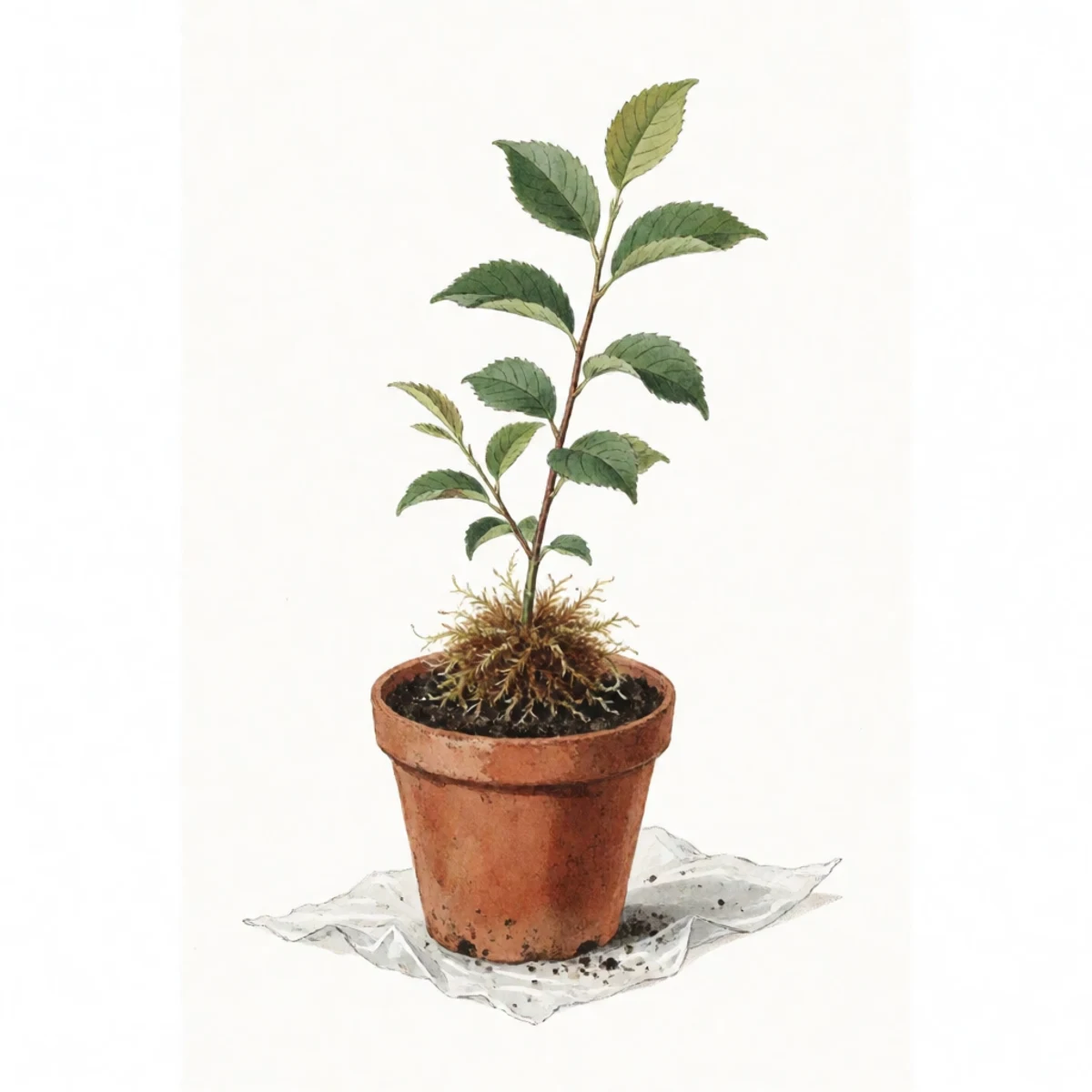
    Watercolour plate of a rooted air layer severed from the parent branch, the moss ball intact and threaded with white roots, being lowered into a pot of soil

    Cut the branch off just below the moss ball. Unwrap the plastic and pot the whole ball as it is, without pulling the moss out of the new roots. Keep it in the shade and evenly moist for about two weeks while it adjusts to living on its own roots. After that, treat it like any young potted tree.

Materials needed

As an Amazon Associate, Story Thyme Farms earns from qualifying purchases, at no cost to you. It never changes what we recommend.

Questions we actually get

What trees can I air layer?
Figs, apples, pears, citrus, mulberries, and most shrubs take well. Stone fruit like peaches are stubborn but not impossible. If a plant roots from cuttings, it air layers even easier.
Can I air layer in summer or fall?
Spring through early summer is best because the layer has the whole season to root before cold weather. A late layer can overwinter on the tree and be cut free the next spring.
Why did my moss ball rot the branch instead of rooting it?
Almost always the moss was dripping wet instead of wrung out, or the wrap let rain funnel in. Squeeze the moss hard before packing and seal the top end tightly.