Field Guide · The flock · 8 min read

How to Introduce New Chickens to a Flock

Keep them apart for thirty days, then separated by wire for a week, then put them together at night. Going slowly avoids most of the fighting.

Story Thyme Farms · Bench cardAny, mild is easier

Introducing new chickens

Quarantine, then separated by wire, then combined

DifficultyPatience test
Quarantine30 days
Wire phase1–2 weeks
Size ruleMerge near-equal sizes
1QuarantineThirty days in a separate pen with separate air
2Letting them see each otherOne to two weeks where they can see but not touch
3Putting them togetherCombine them on neutral ground with plenty of clutter
4Watching themExpect some pecking, but stop any bleeding
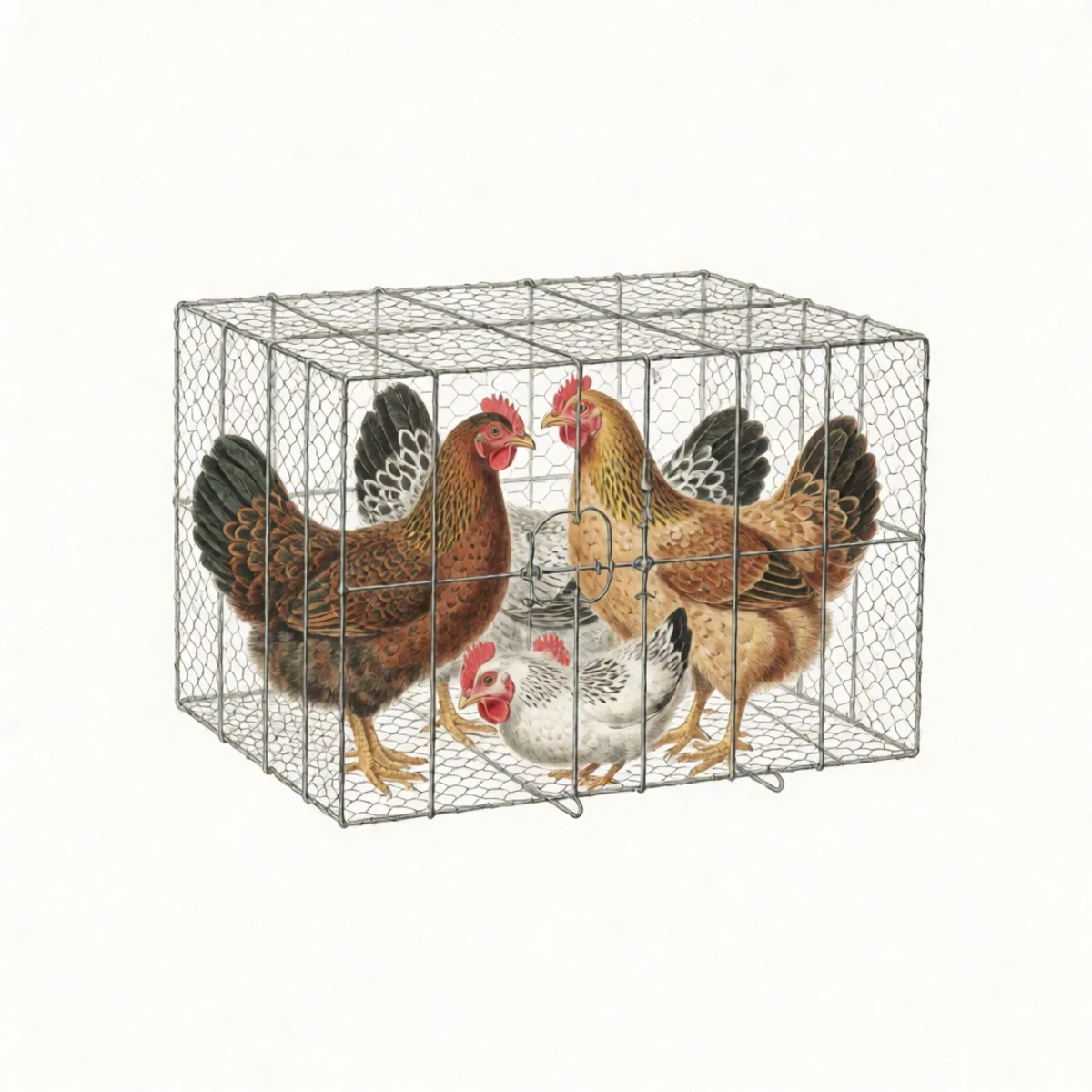
Materials needed · Wire dog crate · Second feeder · Second waterer · Blu-Kote
Written on the farm · Missouristorythymefarms.com/guides/how-to-introduce-new-chickens
Prints on one page. The long version below stays on the screen.

The long version

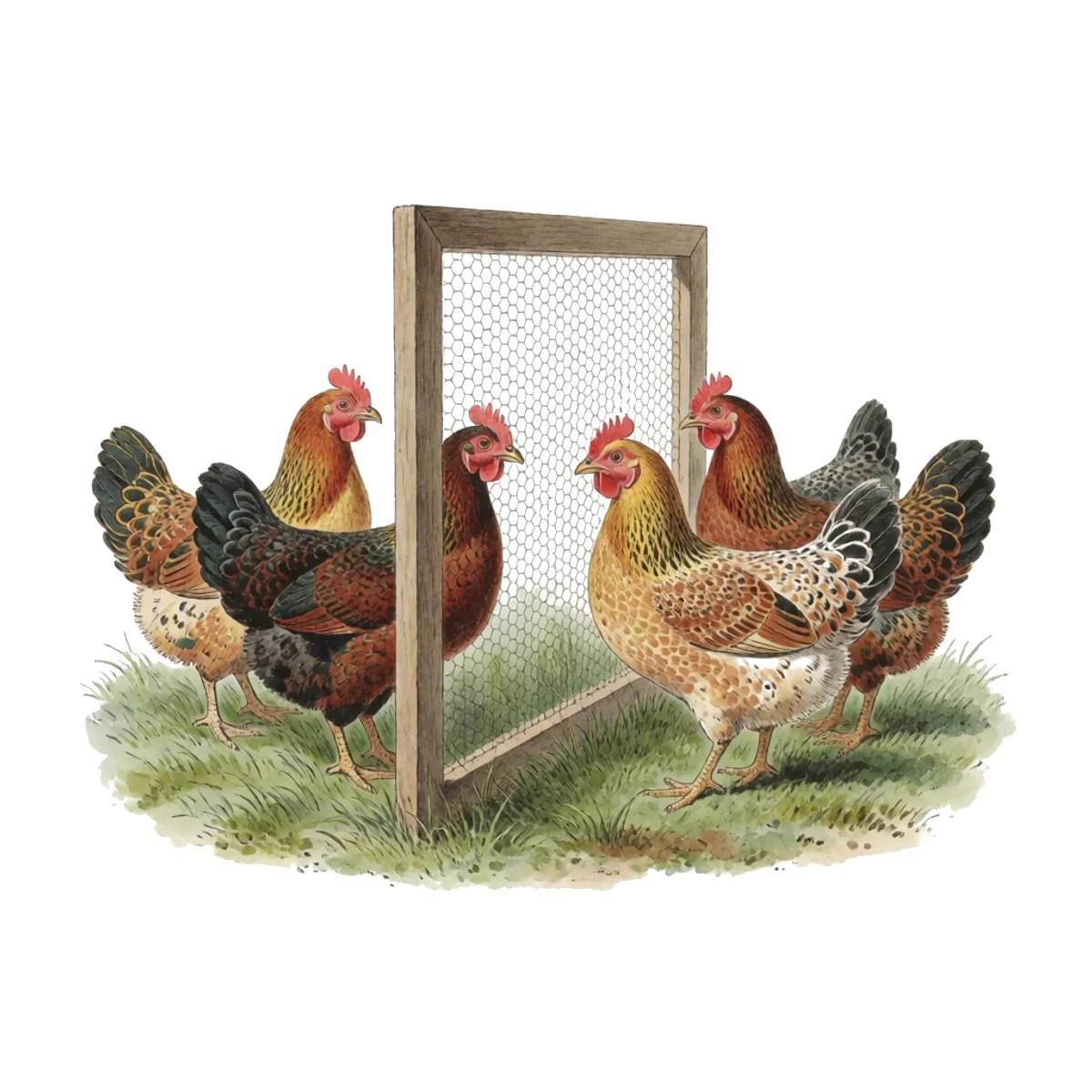
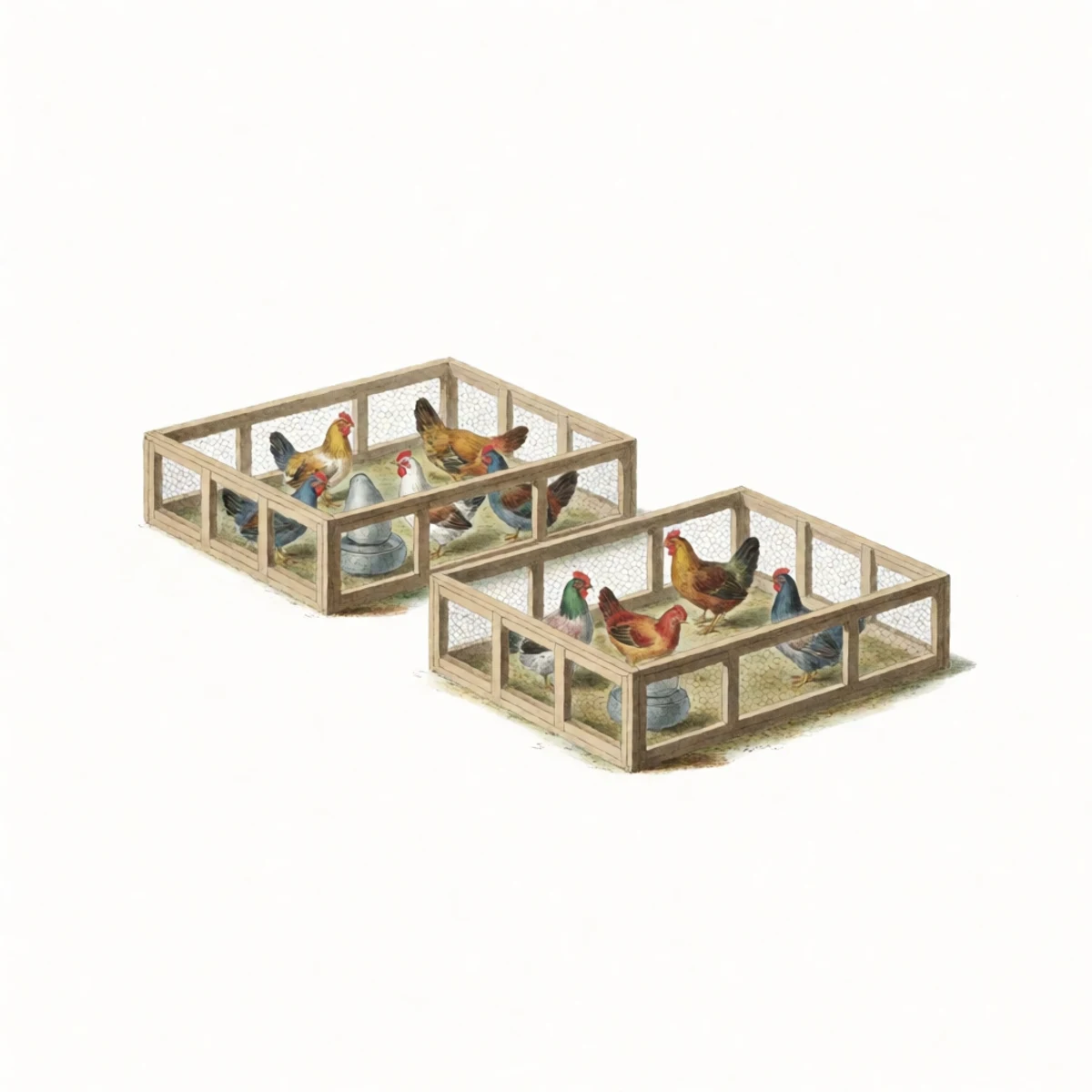
Watercolor plate of two hen groups meeting through a wire panel
Quarantine, then separated by wire, then combined · field plate

Two things go wrong when new birds join a flock: disease you cannot see yet, and fighting you certainly will. Distance and time fix both. A month of quarantine handles the disease risk, and a week or two with wire between them handles the fighting.

  1. Step 1 · Quarantine

    Thirty days in a separate pen with separate air

    Watercolour plate of two separate chicken pens set well apart, new birds in the far one, no shared waterers between them

    Keep new birds in their own quarters for at least 30 days, far enough away that the two groups share no waterers, bedding, or air. Watch for mites, lice, noisy breathing, dull combs and unusual droppings. Do your chores in order, oldest flock first and new birds last, then wash up. A month feels like too long right up until the one time it saves your whole flock.

  2. Step 2 · Letting them see each other

    One to two weeks where they can see but not touch

    Watercolour plate of a wire dog crate holding new hens set inside an established chicken run, the two groups looking at each other through the mesh

    Put the new birds beside the run in a wire dog crate or a fenced-off corner, where both groups can see, hear and posture at each other without making contact. The flock does most of its arguing through the fence, and after a week or two the novelty and most of the aggression have worn off.

  3. Step 3 · Putting them together

    Combine them on neutral ground with plenty of clutter

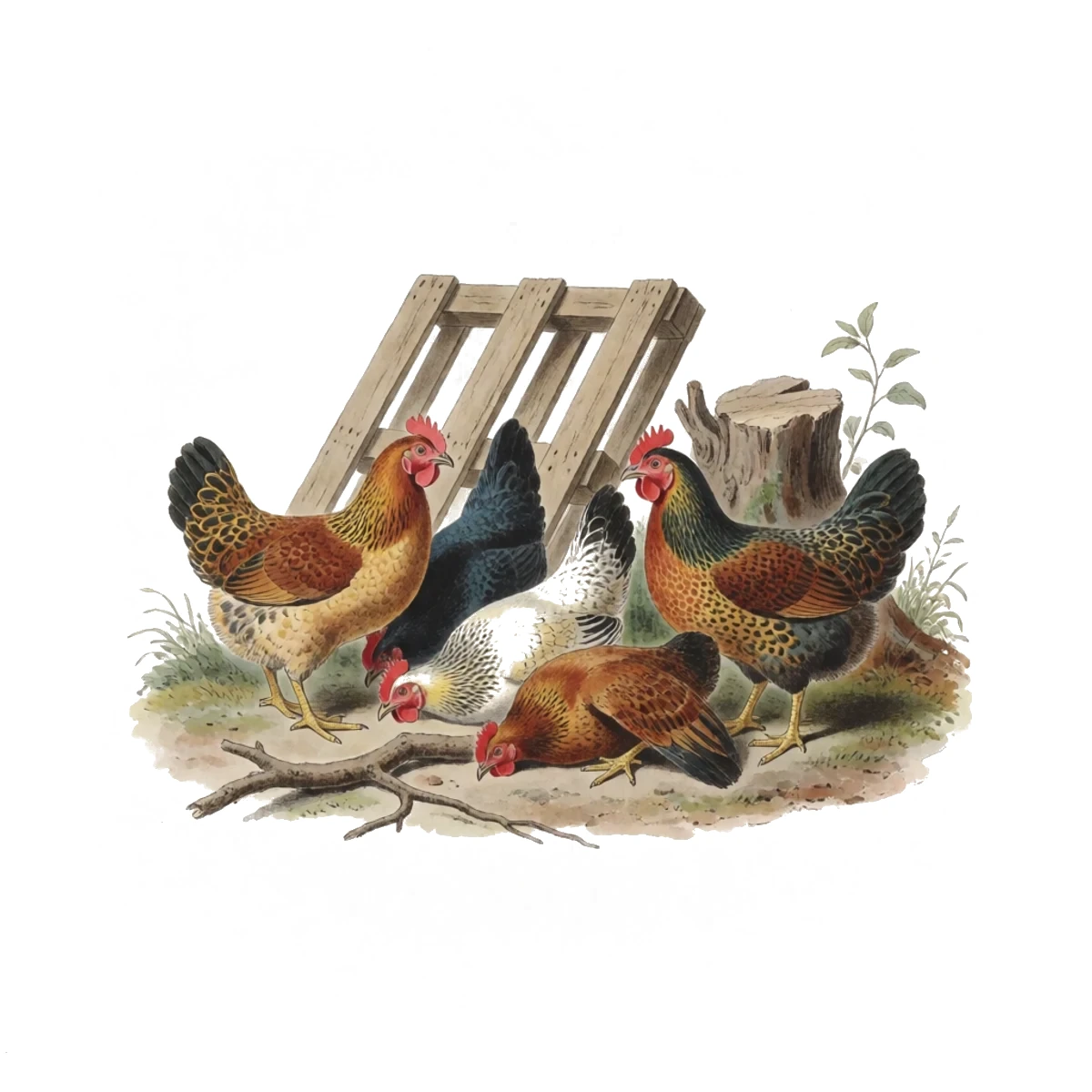
    Watercolour plate of hens mixing on cluttered neutral ground with a leaned pallet, a stump and a low branch giving hiding places and sight breaks

    If you can, combine them somewhere neither group considers home, and clutter the space first with a pallet leaned on blocks, a couple of feed stations set far apart, and straw bales to hide behind. Places to escape to and a second feeder prevent more fights than any amount of supervision. Putting the new birds on the roost after dark is the classic method, because waking up together makes the morning easier.

  4. Step 4 · Watching them

    Expect some pecking, but stop any bleeding

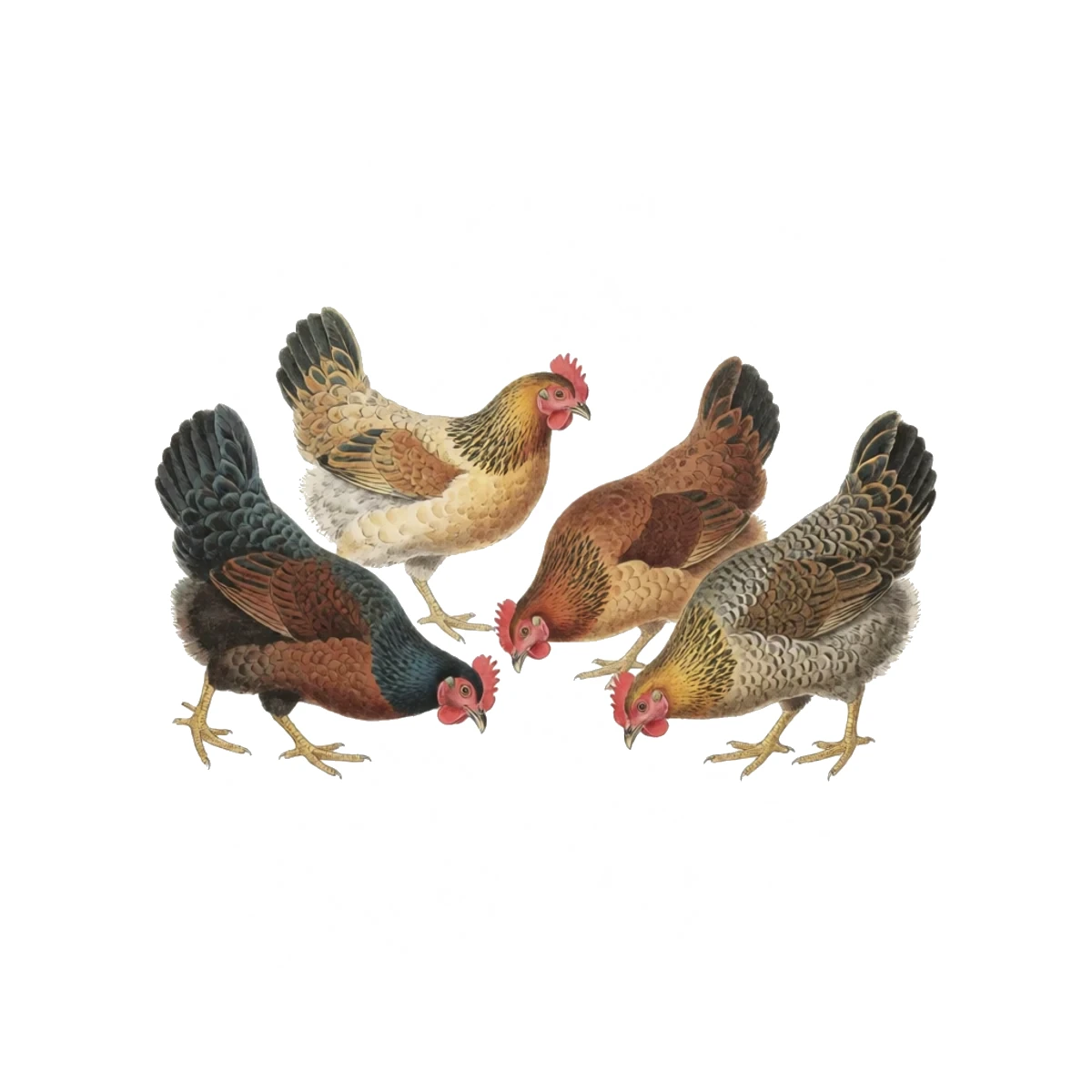
    Watercolour plate of a small flock sorting its pecking order, one hen chasing another briefly while the rest forage calmly

    Some chasing and sharp pecking is the pecking order being established, so let it happen. Step in if a bird gets cornered, if several gang up on one, or if there is any blood. Remove an injured bird straight away, because the sight of blood makes the others join in. Most introductions settle down within a few tense days. A pairing that does not settle may need another week with wire between them.

Materials needed

As an Amazon Associate, Story Thyme Farms earns from qualifying purchases, at no cost to you. It never changes what we recommend.

Questions we actually get

How big should chicks be before joining the adult flock?
Close to the adults' size, usually 10 to 12 weeks for standard breeds, older when merging bantams into a large-fowl flock. A see-don't-touch panel from week four onward makes the eventual merge dramatically calmer.
Can I skip quarantine for birds from a good breeder?
The month is cheap insurance no matter the source. Birds masked by stress show illness in week two or three all the time. The only real exception is chicks straight from an NPIP hatchery, which never met an adult flock's diseases.
One hen is relentlessly brutal to the new birds. Now what?
Pull the bully, not the victims, and crate her in view of the flock for three or four days. She returns demoted a few rungs and usually rejoins with better manners. Repeat offenders get a longer timeout.