How to save bean seeds
Phaseolus vulgaris. Saving seed from dry pods
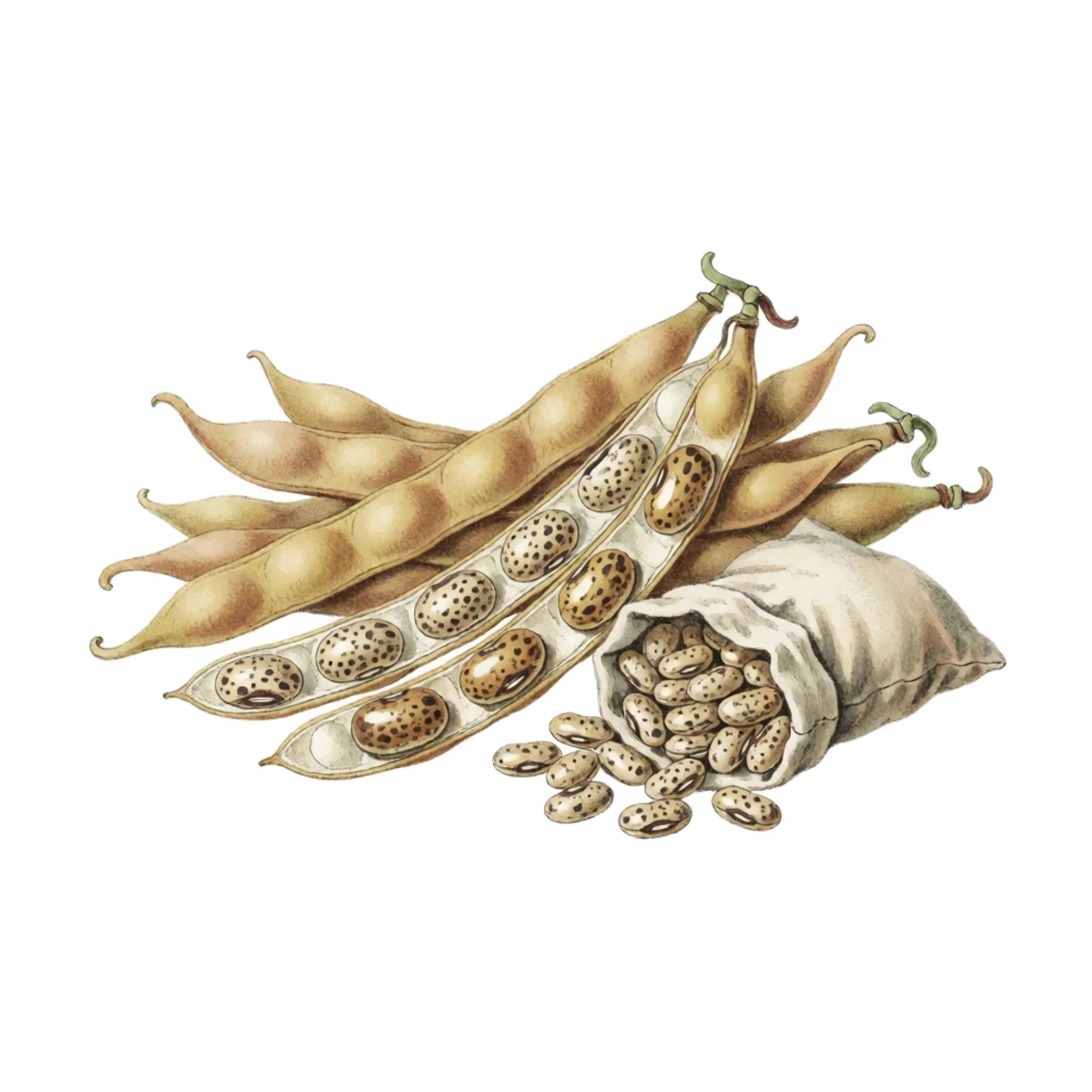
Leave the pods on the plant until they rattle, then shell them. Beans rarely cross-pollinate and rarely fail.
Phaseolus vulgaris. Saving seed from dry pods
Prints on one page. The long version below stays on the screen.
The long version

Beans are the seed crop for people who think they cannot save seed. The flower pollinates itself before it even opens, the pod dries the seed for you, and the seeds are big enough to check one at a time. Mark a few plants in June and stop picking from them, and that is most of the work done.

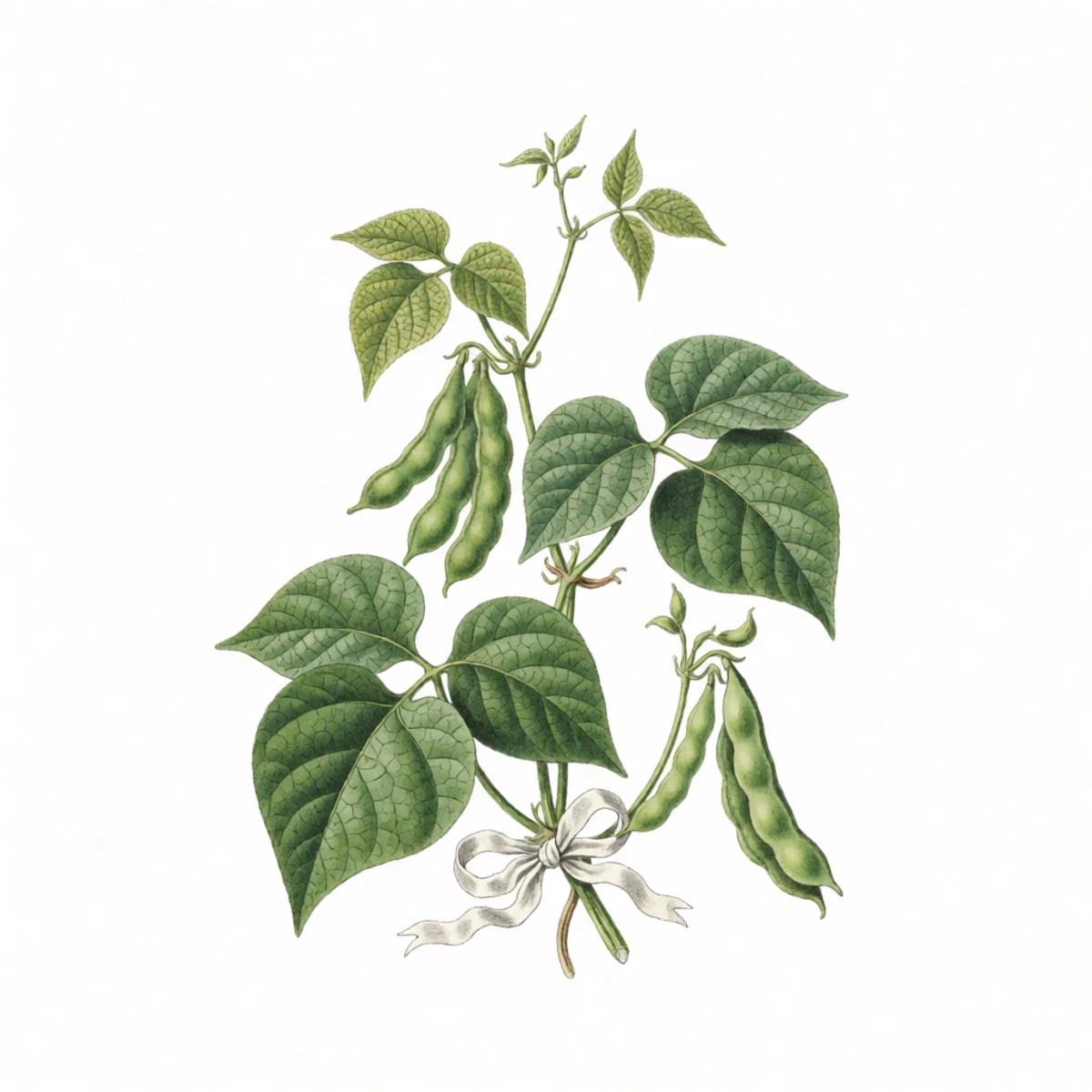
Tie a ribbon on two or three of your best plants at the height of the season, and never pick a green bean from them again. Pods left at the end of the season on plants you have been picking make weaker seed than pods a plant filled while it was at full strength.

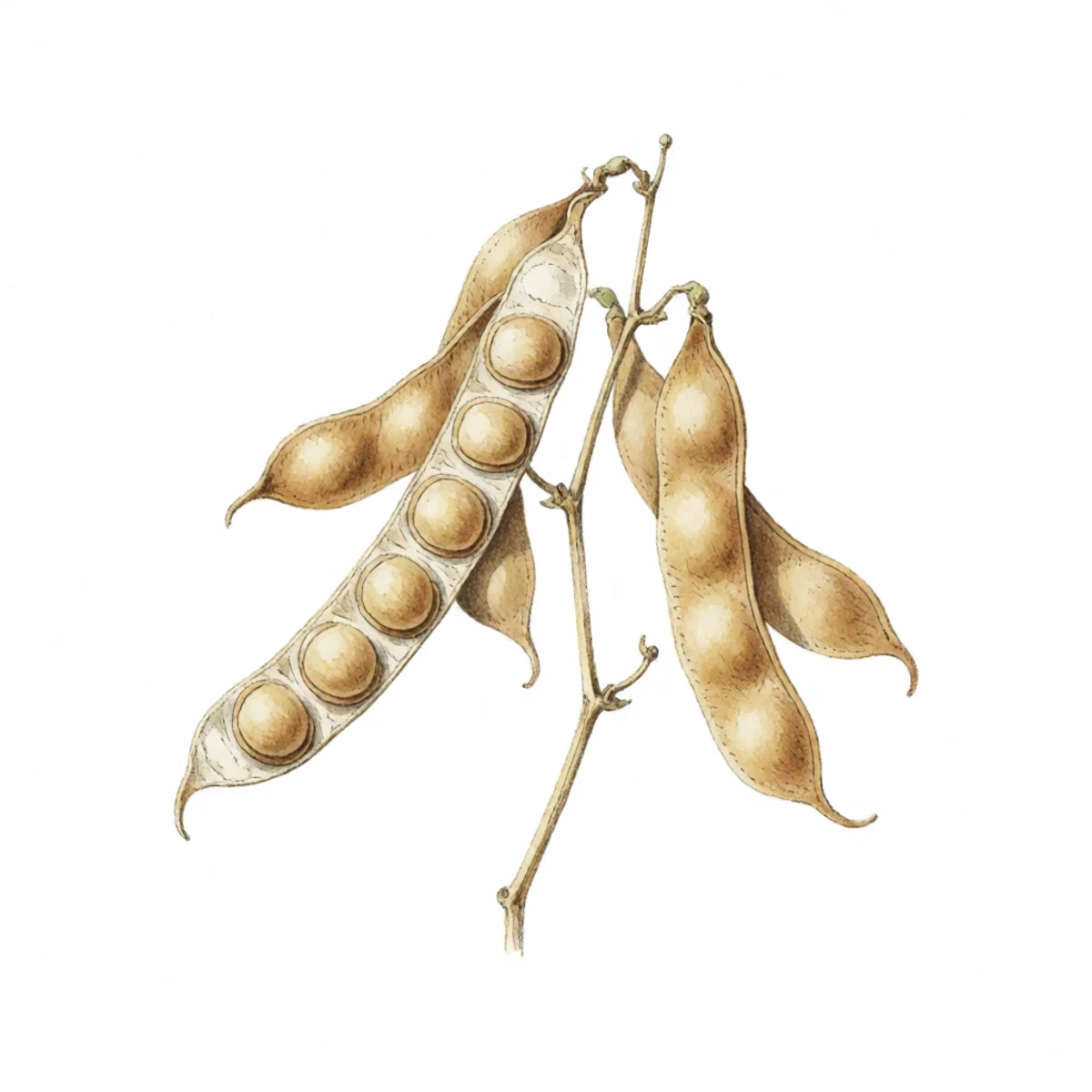
Roughly six weeks after the pods would have been ready to eat, they turn tan and papery and the seeds rattle inside. That means the seed is finished. If frost or a wet spell is coming first, pull the whole plants and hang them upside down somewhere airy to finish drying.

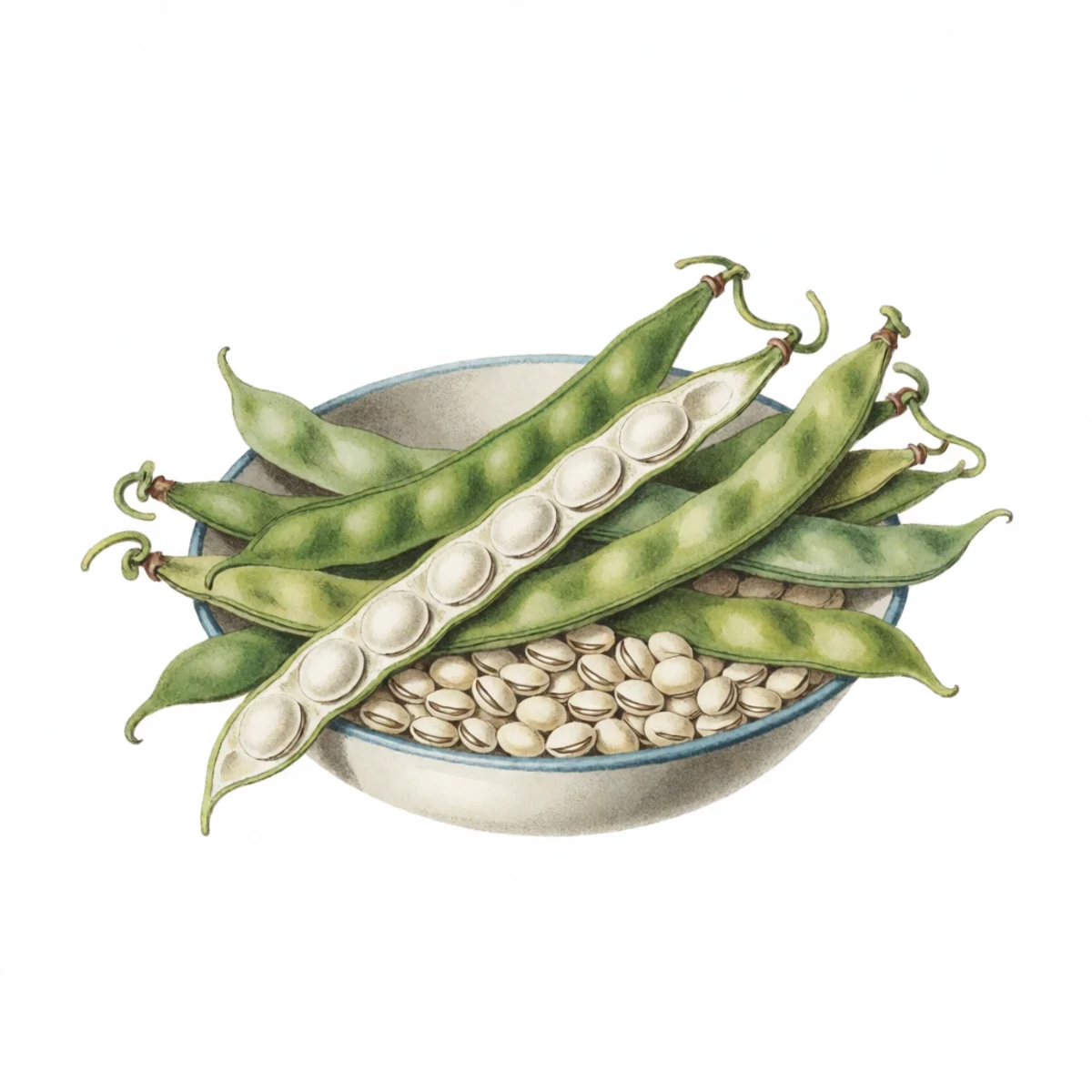
Shell the pods on a rainy afternoon and keep only sound, full-sized seeds. Anything wrinkled, chipped or with a small hole in it should be composted. A small hole means a bean weevil is already inside.

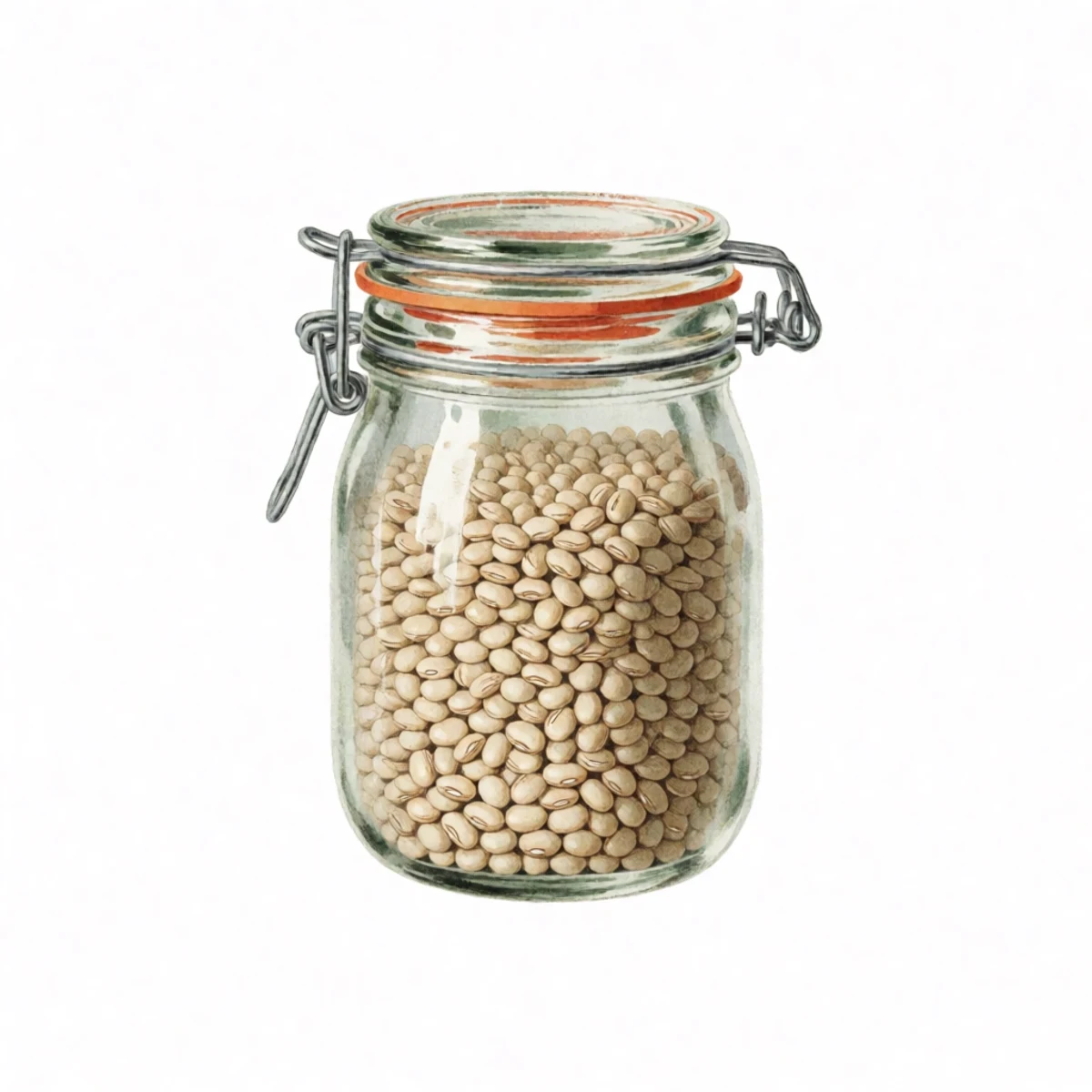
Once the seeds are hard enough that a fingernail leaves no dent, seal them in a jar and freeze them for five to seven days to kill any weevil eggs. Then store them somewhere cool, dark and dry. Beans keep three to four years, and a jar of speckled home-saved beans looks as good as anything on the shelf.
As an Amazon Associate, Story Thyme Farms earns from qualifying purchases, at no cost to you. It never changes what we recommend.
Zones, cold-hardy cultivars, spacing, feeding, and where to buy one already rooted.
Open the bean guide →