Field Guide · Seed saving · 5 min read

How to Save Lettuce Seeds

Let one plant bolt on purpose and it will give you around two thousand seeds.

Story Thyme Farms · Bench cardHigh summer

How to save lettuce seeds

Lactuca sativa. From bolting to seed head

DifficultyEasy
Seed follows flower by~2–3 weeks
Self-pollinatingStays true
Viable3–5 years
1Choosing the plantSave the last plant to bolt, not the first
2Letting it flowerStake it and let it flower for several weeks
3Harvesting the seedHarvest when the heads turn to white fluff
4Cleaning the seedRub the heads, blow off the fluff, and store
Materials needed · Paper bags · Garden stakes · Seed envelopes
Written on the farm · Missouristorythymefarms.com/guides/how-to-save-lettuce-seeds
Prints on one page. The long version below stays on the screen.

The long version

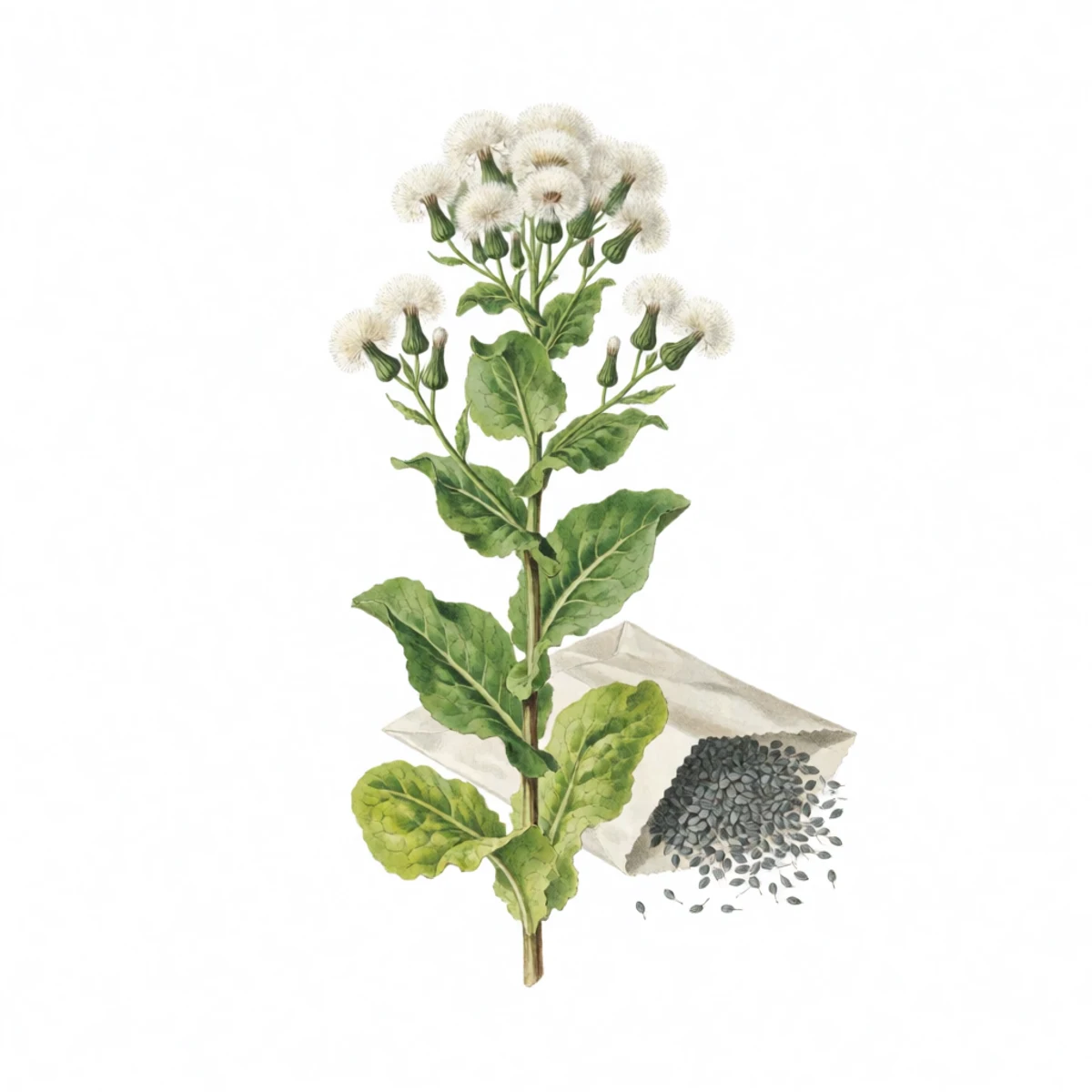
Watercolor plate of a bolted lettuce with fluffy seed heads
Lactuca sativa · field plate

All summer you try to stop lettuce bolting, and then for seed you deliberately let one plant do it. A bolted lettuce grows into a four-foot stalk covered in tiny flowers, and each flower turns into a puff of seed a couple of weeks later. One plant will supply seed for every lettuce planting you make next year.

  1. Step 1 · Choosing the plant

    Save the last plant to bolt, not the first

    Watercolour plate of a row of lettuce where most plants have bolted but one stands crisp and low, marked as the plant to save

    In a spring bed, the plant that stays crisp and sweet the longest has the qualities worth keeping. Let that one bolt. If you save seed from the first plant to bolt, you will breed lettuce that bolts even earlier, which is the opposite of what you want.

  2. Step 2 · Letting it flower

    Stake it and let it flower for several weeks

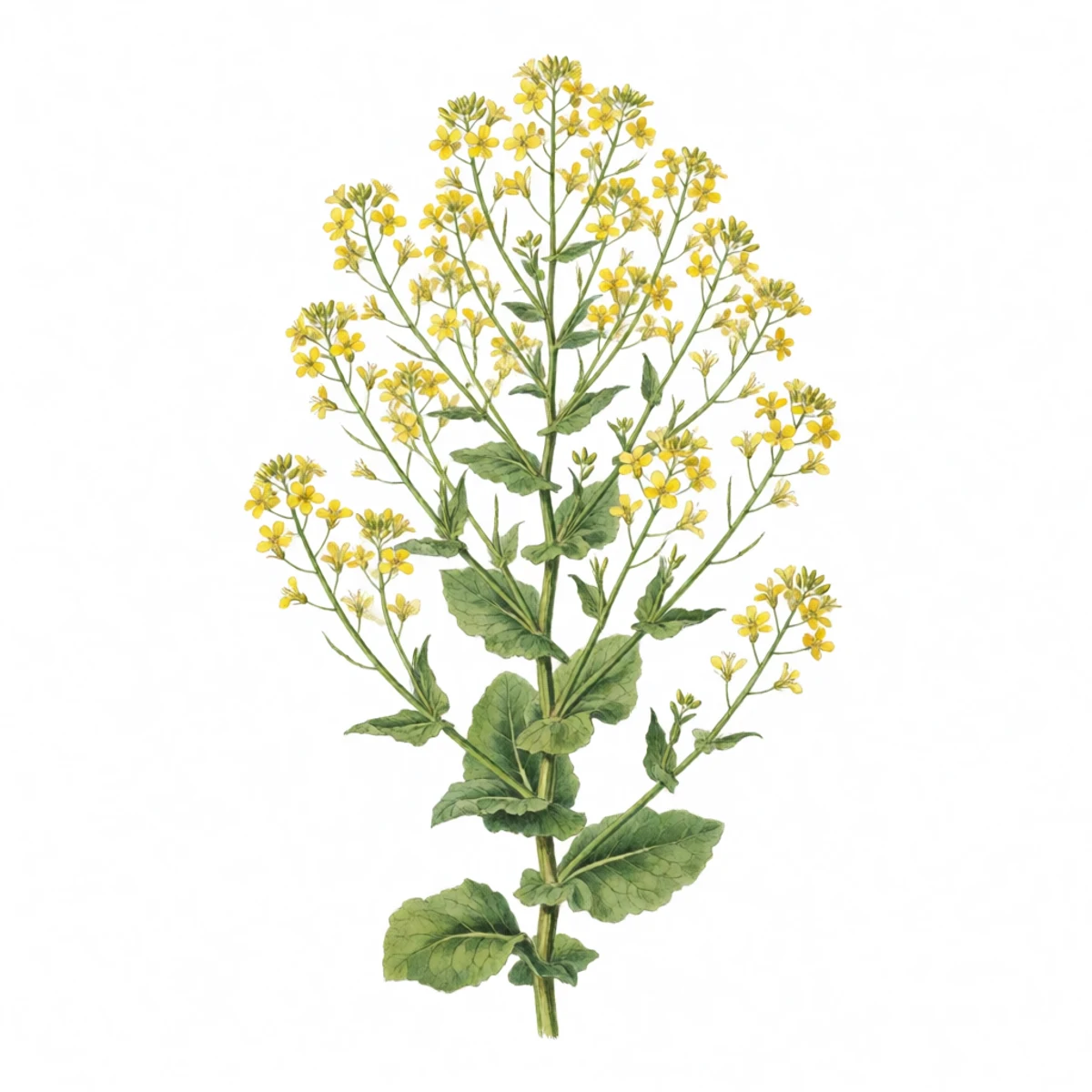
    Watercolour plate of a bolted lettuce plant grown shoulder high and staked, branching with dozens of small yellow flowers

    The plant grows to shoulder height, branches out, and opens small yellow flowers, a few dozen each morning, with each flower open for only one day. Lettuce pollinates itself, so the seed comes true to type. Stake the stalk, because summer storms will flatten it.

  3. Step 3 · Harvesting the seed

    Harvest when the heads turn to white fluff

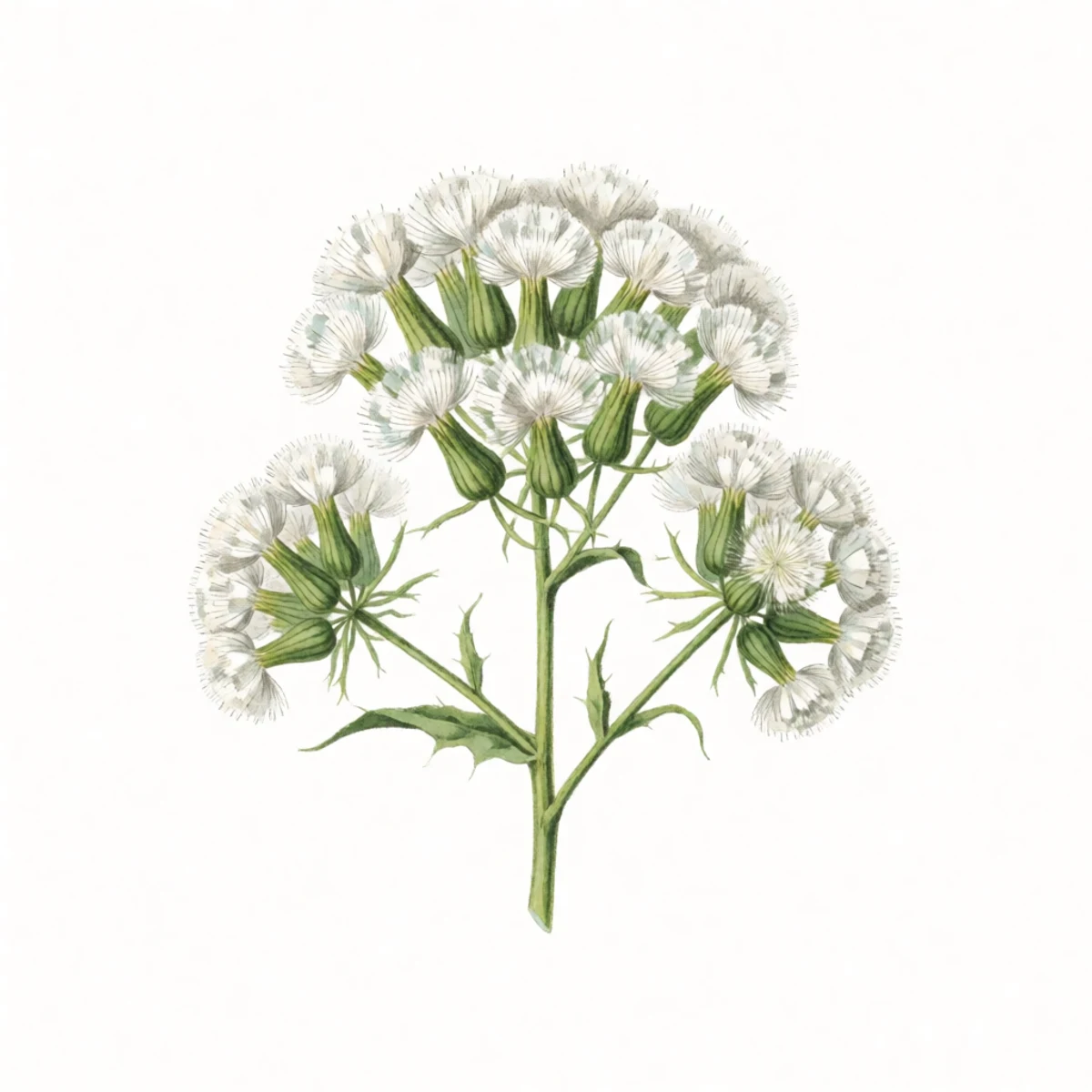
    Watercolour plate of lettuce flower heads turned to small white feathery puffs like miniature dandelions, seeds inside

    Each flower turns into a small white puff like a miniature dandelion, holding about a dozen seeds, roughly two to three weeks after it bloomed. Because the flowers open over a period of weeks, either shake the head into a paper bag every few days, or wait until about half the heads have gone fluffy and cut the whole stalk into a large bag.

  4. Step 4 · Cleaning the seed

    Rub the heads, blow off the fluff, and store

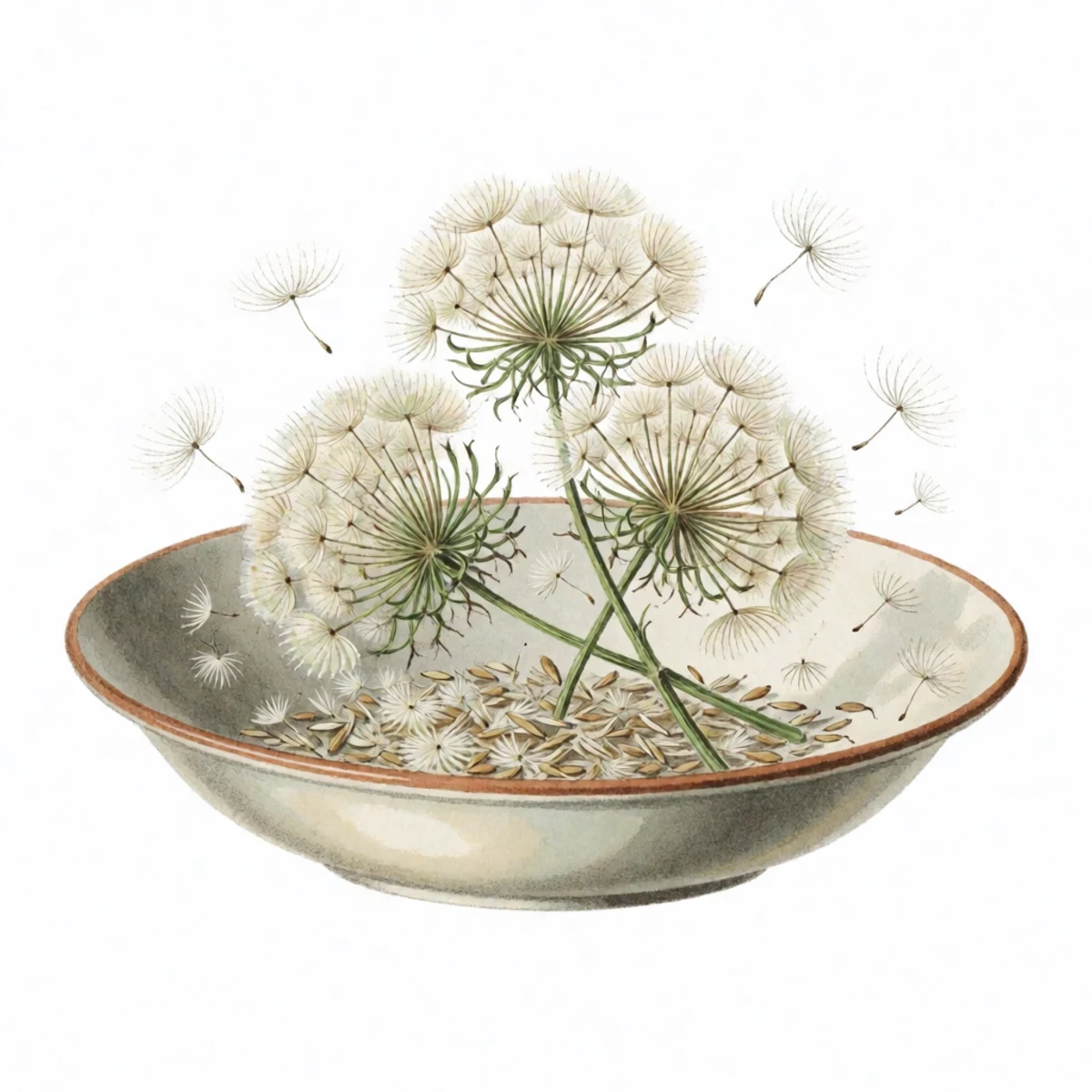
    Watercolour plate of dry lettuce heads being rubbed between palms over a bowl, fluffy chaff winnowing away from the small seeds

    Rub the dry heads between your palms inside the bag, then separate the fluff and chaff from the seed in a light breeze or in front of a fan on low. It does not need to be perfect, and a little fluff in the envelope does no harm. Kept cool and dry, lettuce seed lasts three to five years.

Materials needed

As an Amazon Associate, Story Thyme Farms earns from qualifying purchases, at no cost to you. It never changes what we recommend.

Questions we actually get

Will my two lettuce varieties cross?
Rarely, lettuce selfs like beans do. Ten feet or a tall crop between varieties is plenty of insurance for a home garden.
Why are half my lettuce seeds white and half black?
Seed coat color is a variety trait, some are white-seeded, some black. If one plant throws both, you likely have a stray cross or a mixed packet, grow them out and keep what you like.
The seed heads molded before they fluffed. What now?
A wet August week does that. Next time cut the stalk at half-fluff and finish it hanging upside down in the barn inside a paper bag, dry seed beats field-finished seed in a humid year.
From the plant library

Lettuce — the full profile

Zones, cold-hardy cultivars, spacing, feeding, and where to buy one already rooted.

Open the lettuce guide →