Sheet mulching a new bed
Building a bed in layers over living grass
Cardboard, compost and wood chips turn lawn into a garden bed without digging up any sod.
Building a bed in layers over living grass
Prints on one page. The long version below stays on the screen.
The long version

Sheet mulching kills lawn the same way a fallen log does: it blocks the light, holds moisture, and lets soil life eat everything from underneath. There is no tilling, no herbicide and no sod to haul away, and worms do the work of mixing it in. Build it in fall and you will have a bed of dark crumbly soil by spring.

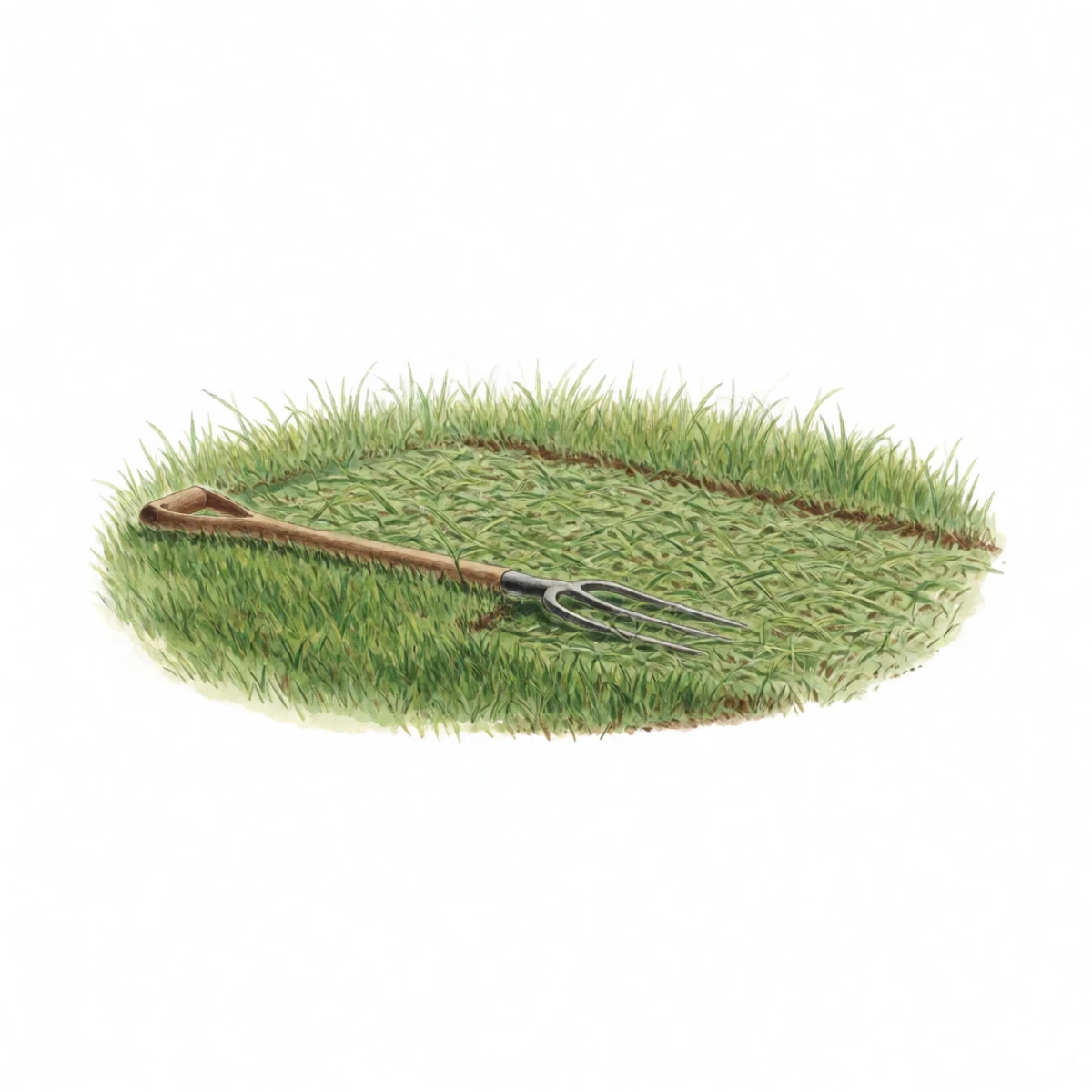
Mow the area as short as the mower will go and leave the clippings where they fall. If the soil is compacted, push a digging fork in every foot or so and rock it back and forth to crack the soil open, without turning it over. A scattering of compost or manure straight onto the grass gives the decomposers a head start.

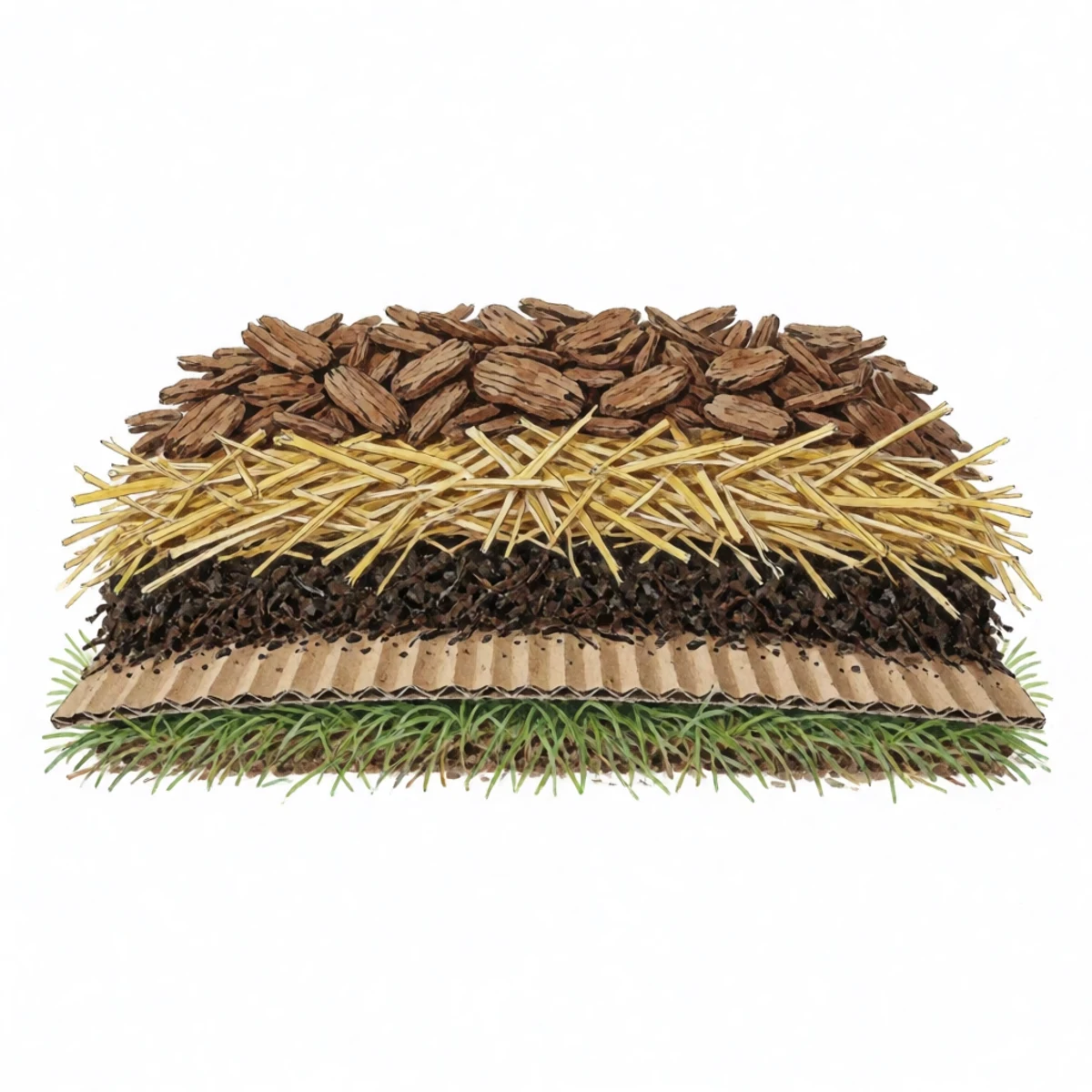
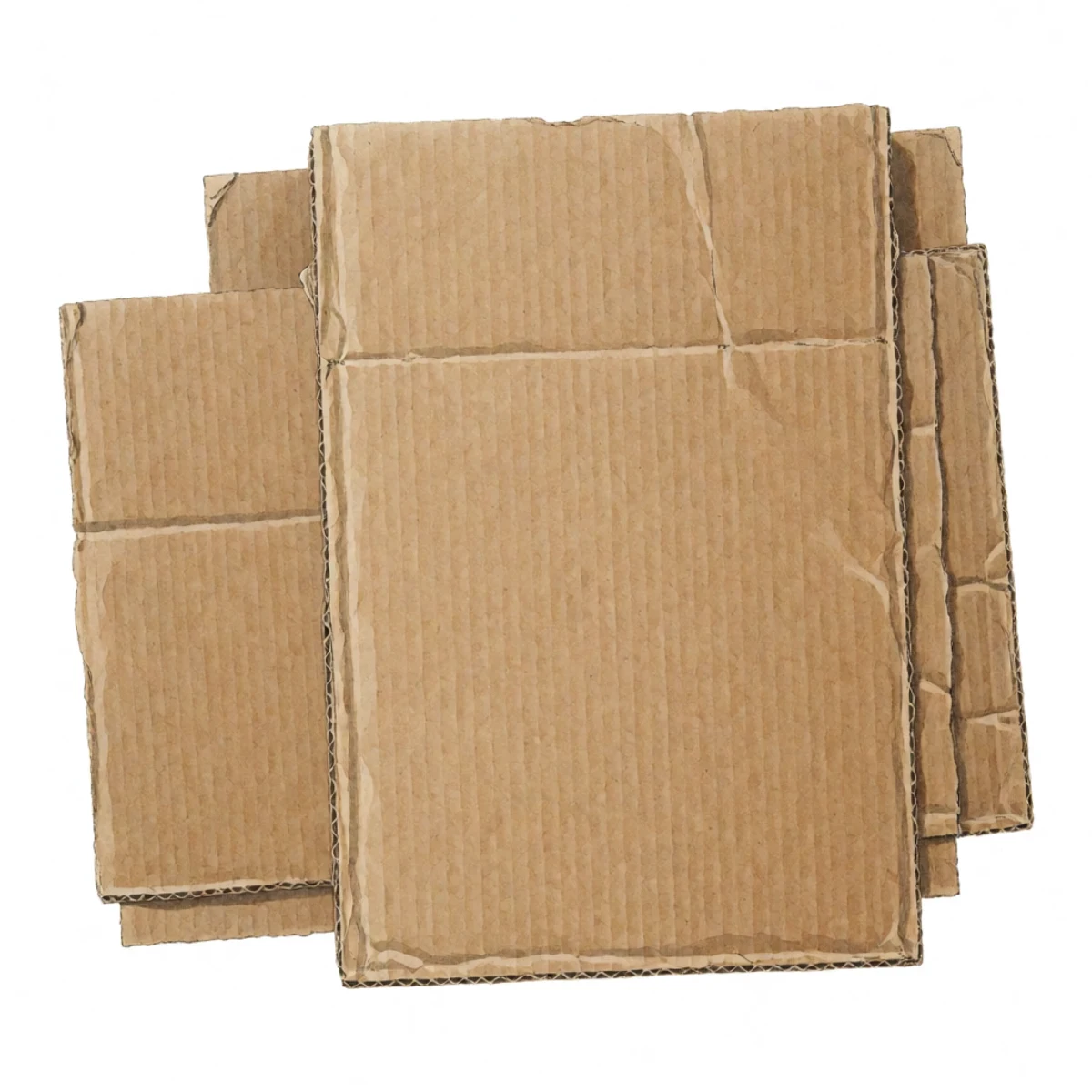
Pull the tape and staples off plain corrugated cardboard and lay it over the whole bed, overlapping the seams by a full six inches, because grass will find any gap. Then soak it thoroughly with a hose. Wet cardboard lies flat against the ground, feeds fungi, and stays in place while you build on top of it.

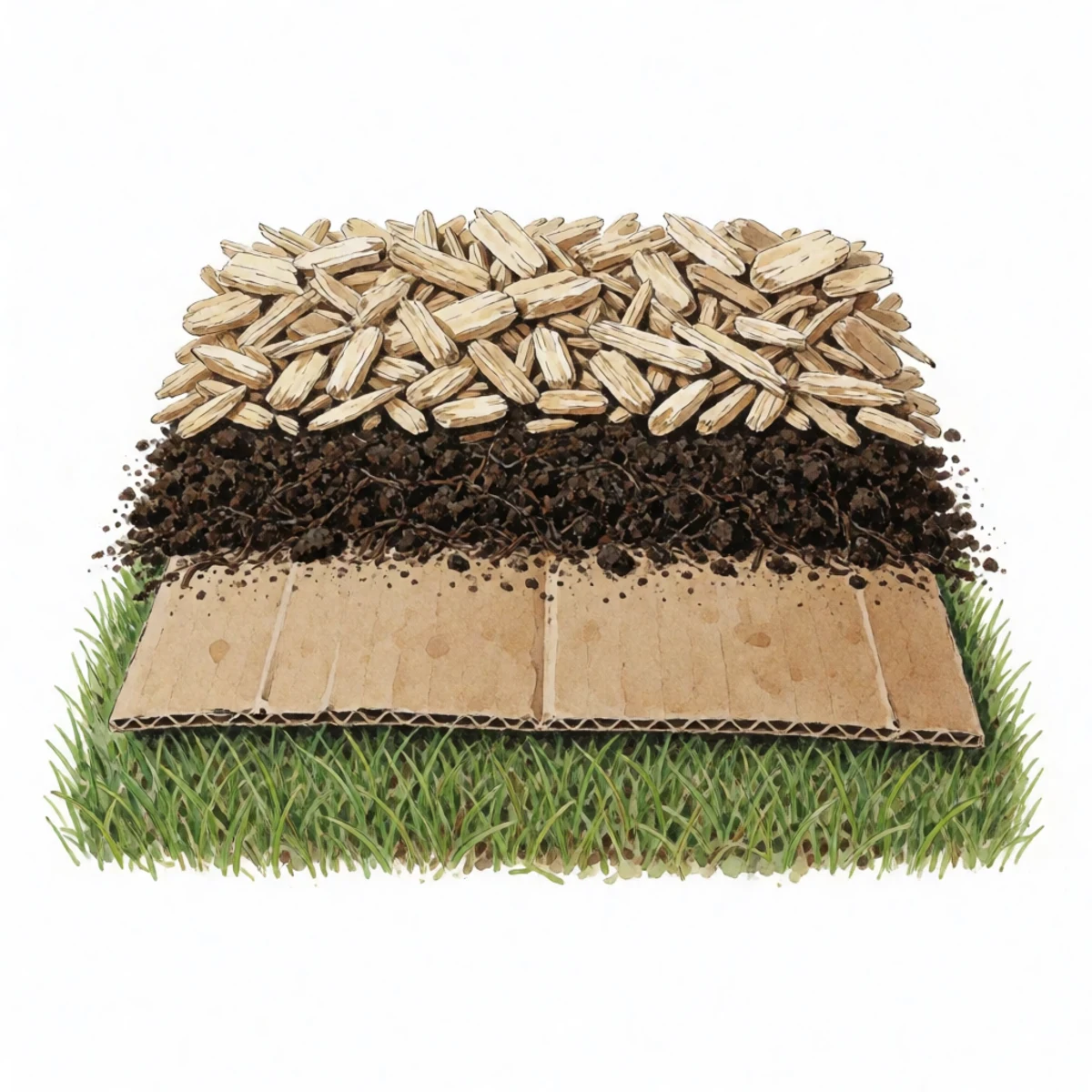
Put two inches of compost or aged manure over the cardboard, then three to four inches of carbon material on top of that: wood chips for perennial beds and paths, or straw and shredded leaves for vegetable beds. Water each layer as you lay it down. The whole thing settles to about half its height over winter, so build it generously.

To plant in spring, part the mulch, cut an X through the softened cardboard, and set transplants into the soil underneath with a trowel of compost. If you cannot wait, the same trick works right away for large transplants like tomatoes and squash. Small-seeded crops like carrots should wait a season, until the layers have broken down into soil.
As an Amazon Associate, Story Thyme Farms earns from qualifying purchases, at no cost to you. It never changes what we recommend.