Winterizing the chicken coop
Vents open up high, dry bedding below, and no heat lamp
Cold does not hurt chickens, but damp air and heat lamps do. Winterizing is mostly about not overdoing it.
Vents open up high, dry bedding below, and no heat lamp
Prints on one page. The long version below stays on the screen.
The long version

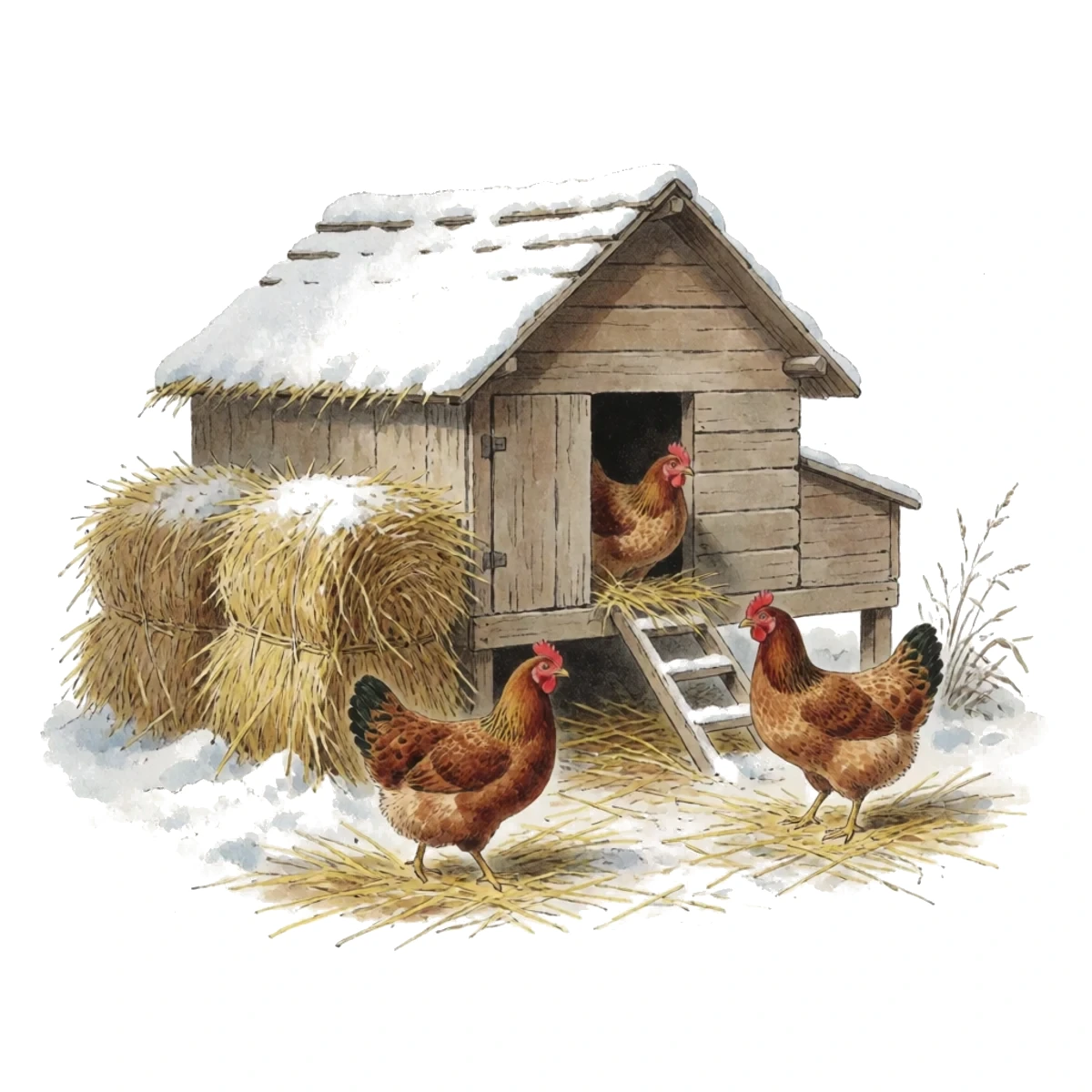
A chicken wears a down coat all year and runs a body temperature of 105 °F. What causes frostbitten combs is not the cold itself, it is damp air in a sealed-up coop condensing on them overnight. So winterizing is the opposite of what instinct suggests: block drafts at the height the birds sit, and leave the vents up high wide open.

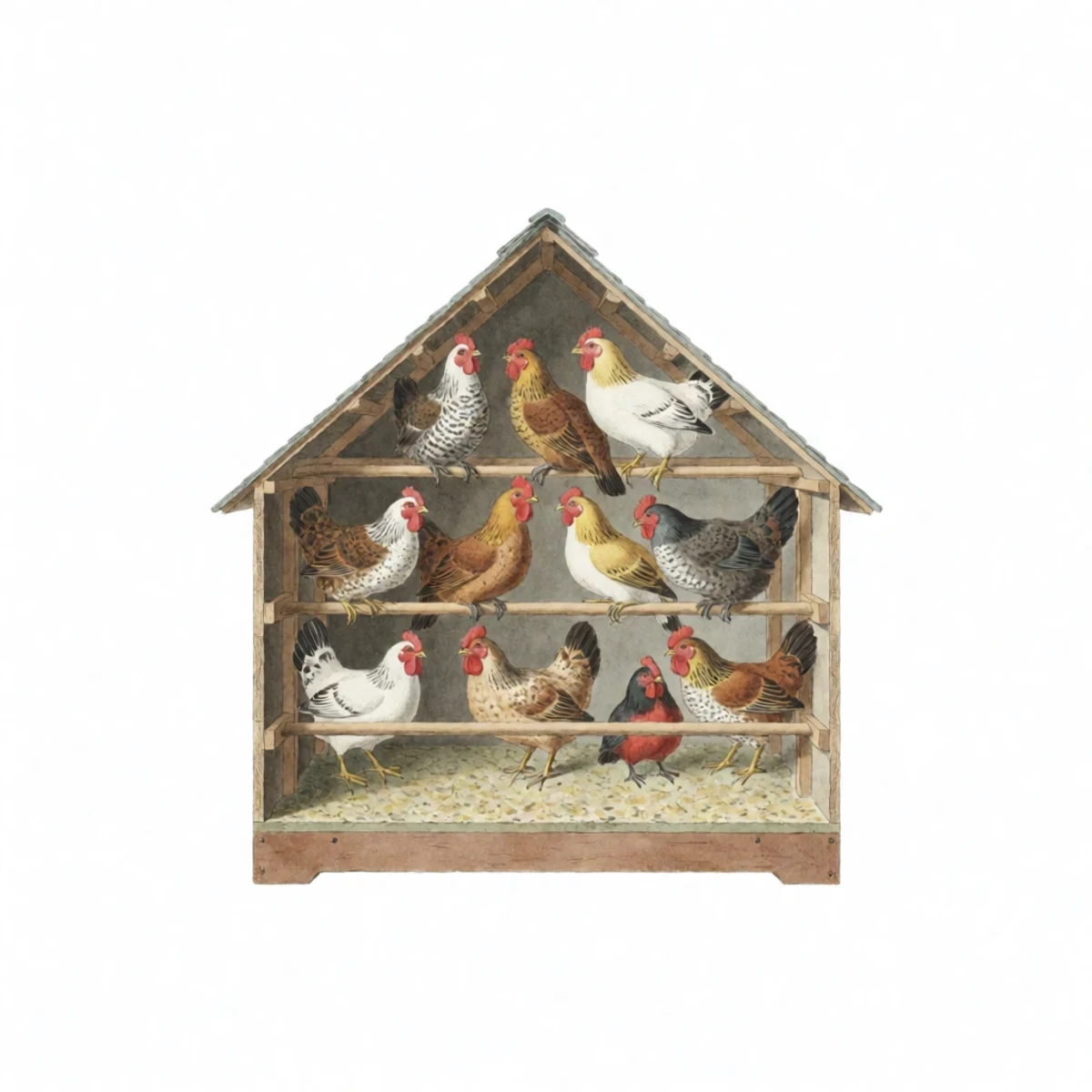
Walk around the coop on a windy day. Seal any gap that blows air across the roost. Vents near the roof, above the height the birds roost at, stay open all winter, because they carry out the moisture from a night of breathing and droppings. If the windows fog up, or ammonia stings your nose at dawn, you need more ventilation rather than less.

Winter is the season for deep litter: six inches or more of dry shavings and straw, slowly composting and giving off a little heat under the flock. Keep it forked over and keep adding dry bedding, and it doubles as somewhere for the birds to scratch on bad-weather days.

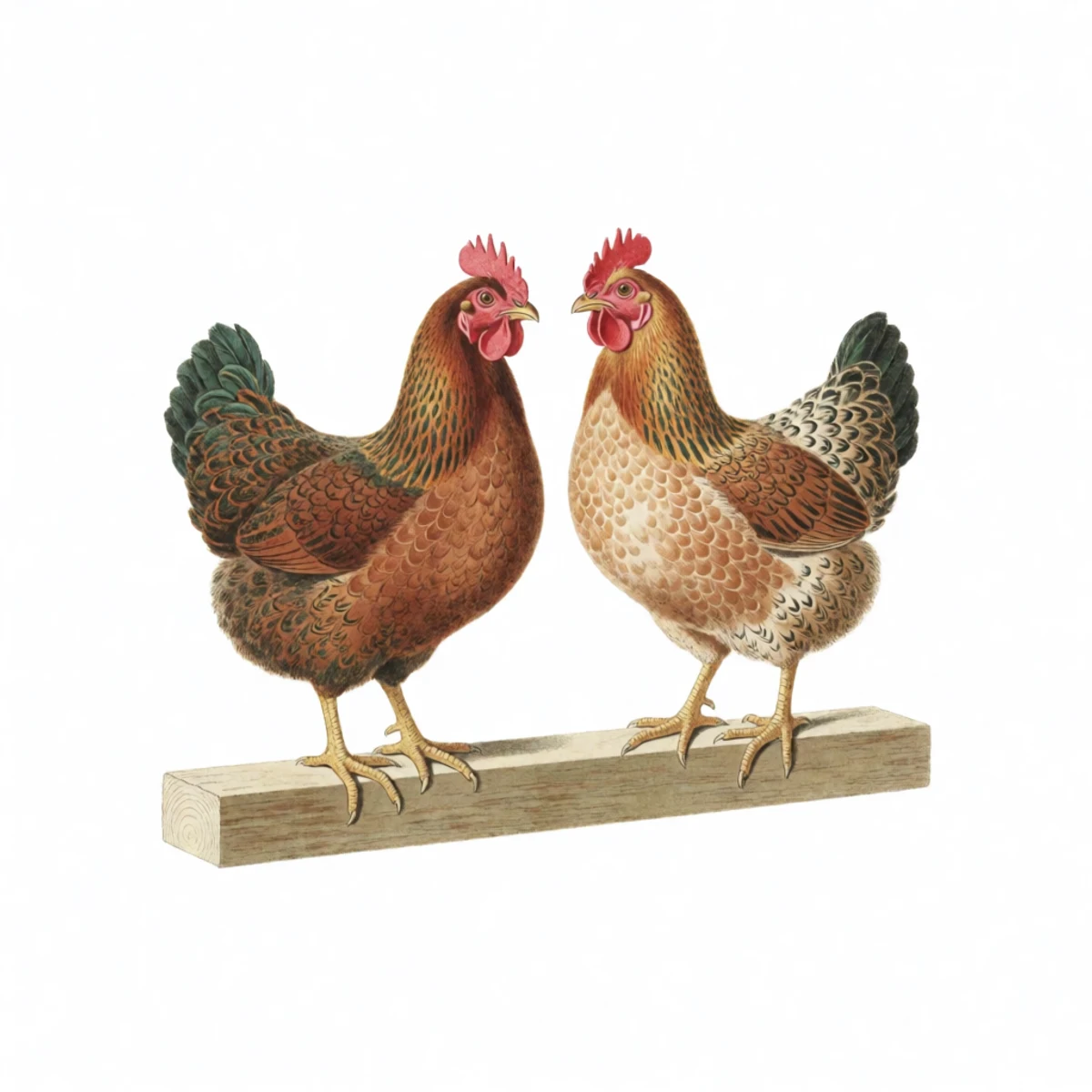
A 2x4 with the wide side up lets hens sit down on their feet, so their feathered bellies cover the one part that can get frostbitten. Some people smear petroleum jelly on large single combs near freezing, but it freezes solid in single digits and does nothing there. Dry air is the real protection. Cold-hardy breeds with small pea combs are not affected at all.

Heat lamps burn coops down every winter, and one loose clamp above bone-dry bedding is all it takes. A flock kept warm also loses its tolerance for cold, which becomes a problem the moment the power goes out. A dry, draft-free flock that is used to the cold handles below-zero nights without trouble. If you genuinely need to add warmth for a sick or elderly bird, a flat-panel radiant heater is the only device worth the risk.

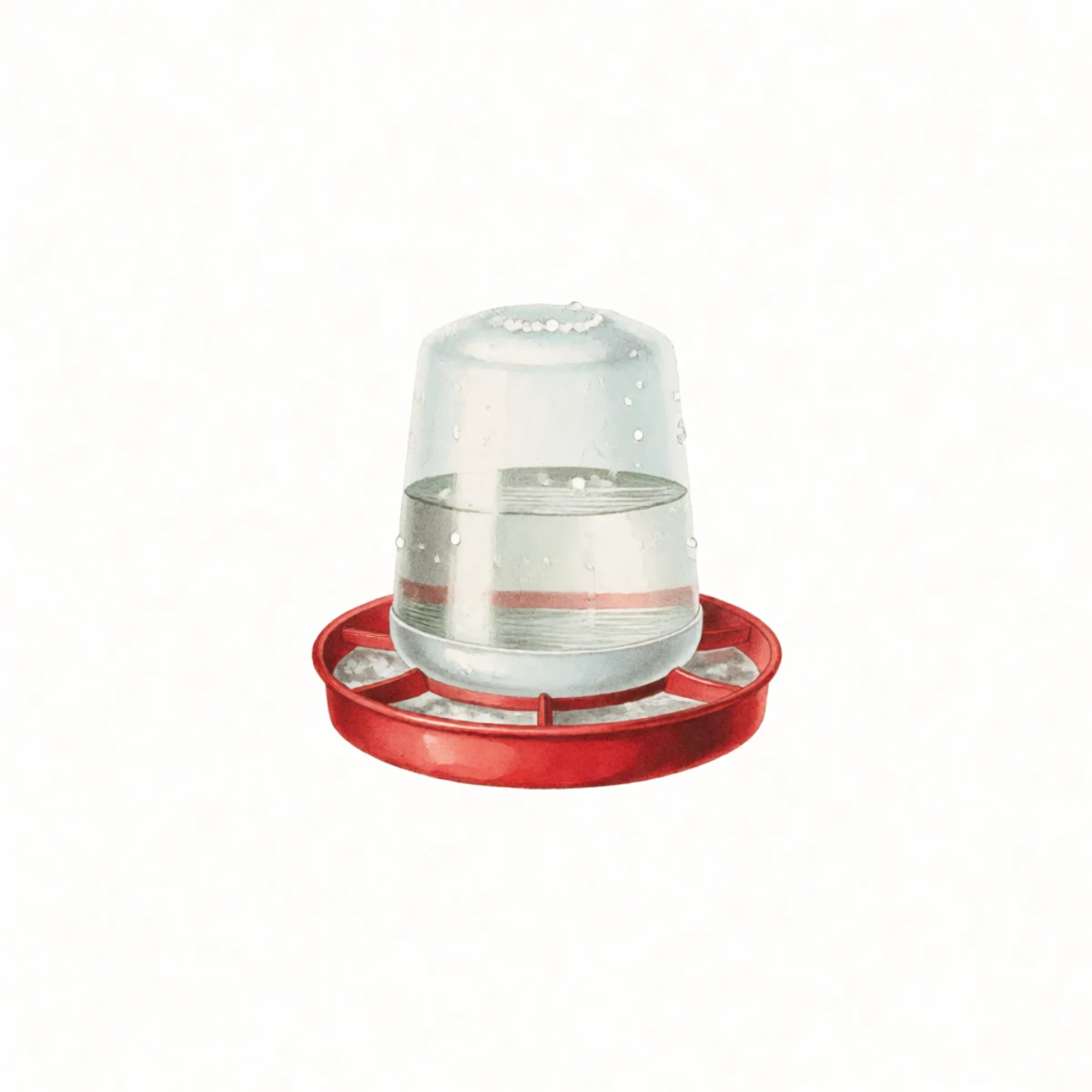
The real daily job in winter is dealing with ice. A heated dog bowl or a heated poultry waterer solves it for very little electricity. Feed a little extra scratch grain at dusk, because digesting corn overnight helps keep the birds warm, and collect eggs twice a day in the coldest weather before they freeze and crack.
As an Amazon Associate, Story Thyme Farms earns from qualifying purchases, at no cost to you. It never changes what we recommend.