Field Guide · Food forest · 9 min read

The Chicken Food Forest

Chickens under the fruit trees give you pest control, mowing and fertilizer, as long as you manage where they are and when.

Story Thyme Farms · Bench cardRotates all year

The chicken food forest

Moving the flock through the orchard deliberately

DifficultyManagement, not labor
Best toolPortable fence
Feed savingsReal, in season
Keep out ofNew plantings
1RotationMove the flock around rather than leaving them in one place
2The best times to use themJust after harvest and in early spring
3What to fence offFence off anything they would destroy
4Planting for themGrow food for the flock in the understory
5What you get out of itBetter eggs and fewer pests
Materials needed · Electric poultry netting · Net energizer · Tree trunk guards · White clover seed
Written on the farm · Missouristorythymefarms.com/guides/the-chicken-food-forest
Prints on one page. The long version below stays on the screen.

The long version

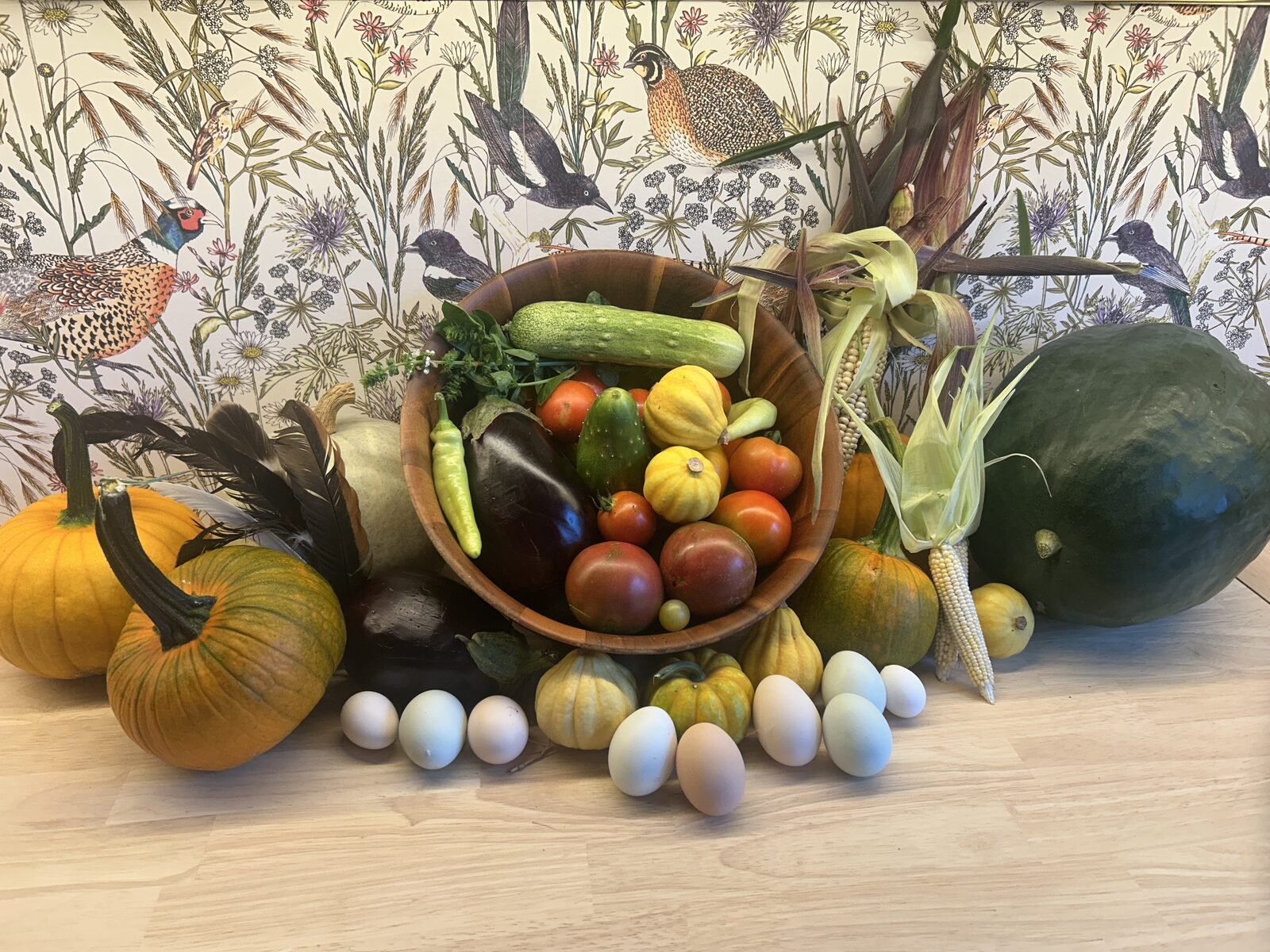
A harvest bowl of eggs and produce from the chicken food forest
On the farm · Missouri

A food forest and a flock suit each other well, most of the time. Hens eat the plum curculio larvae out of dropped fruit, graze the clover, scratch their manure into the soil, and turn orchard pests into eggs. They will also dig out fresh mulch rings and dust-bathe in your herb beds. The skill is in deciding where the fence goes each month.

  1. Step 1 · Rotation

    Move the flock around rather than leaving them in one place

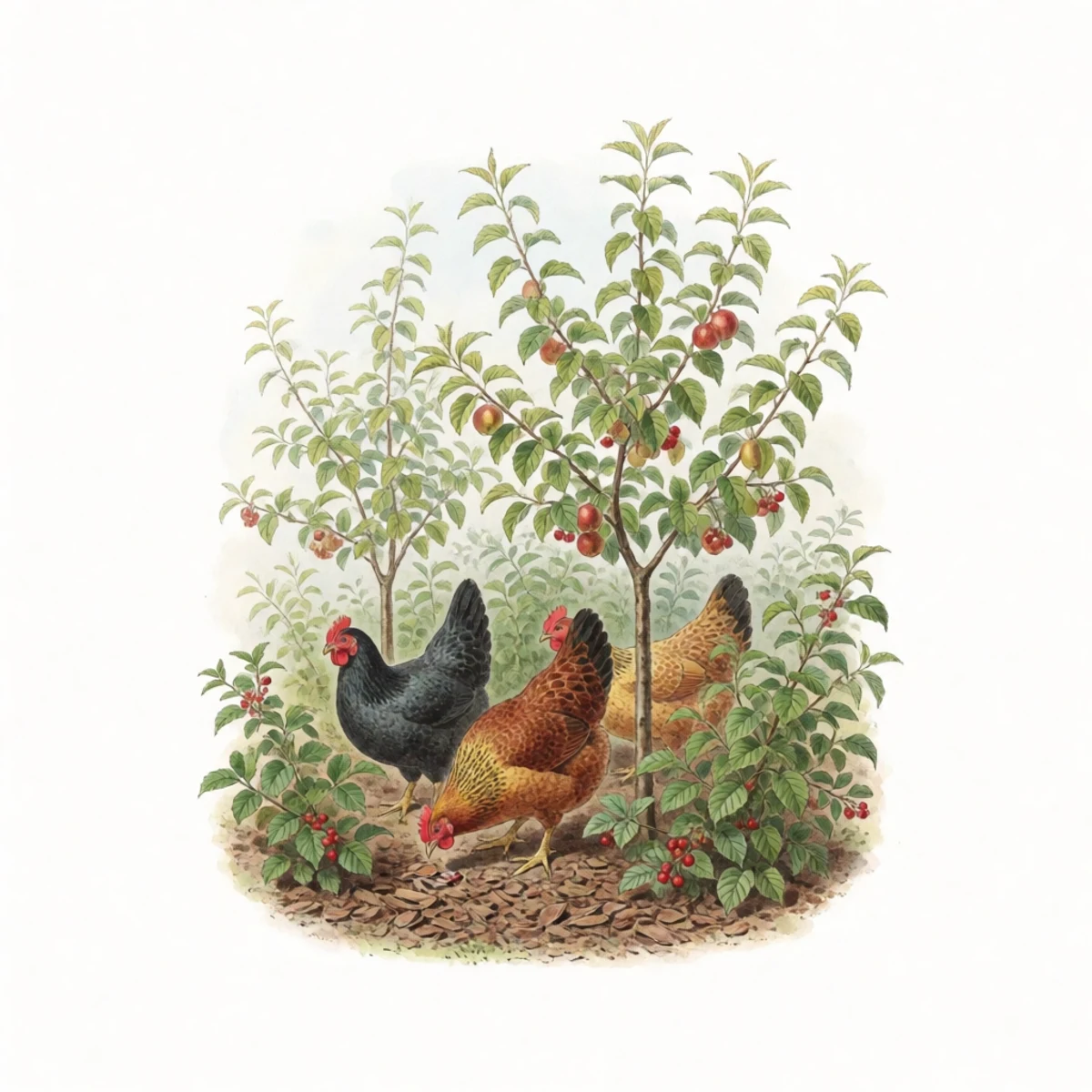
    Watercolour plate of a portable electric poultry fence moved to a new paddock in a food forest, hens working fresh ground while the last paddock recovers

    Leaving chickens permanently in one area turns it into bare packed dirt. We move the flock through the food forest in blocks of time using portable electric netting: a few weeks in one section, then let it rest and regrow. The ground tells you how long, and when the plants start losing ground, the hens move on.

  2. Step 2 · The best times to use them

    Just after harvest and in early spring

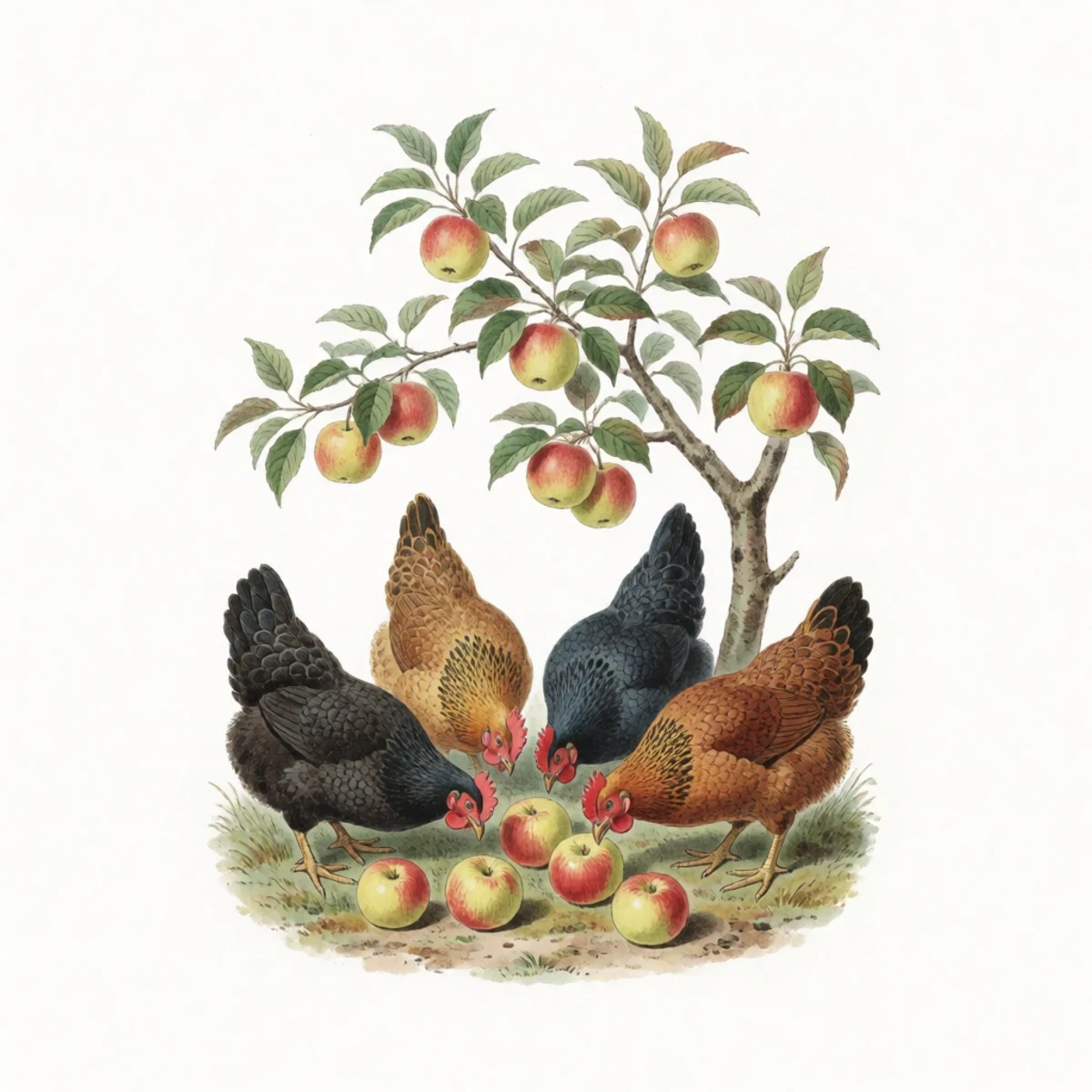
    Watercolour plate of hens scratching under a fruit tree after harvest, pecking wormy windfall apples from the ground

    There are two especially good windows. The first is right after the fruit drops, when the hens clean up every wormy windfall and break the pest cycle for the following year. The second is late winter into early spring, when they scratch through leaf litter, eat overwintering larvae, and manure the root zones before the buds break.

  3. Step 3 · What to fence off

    Fence off anything they would destroy

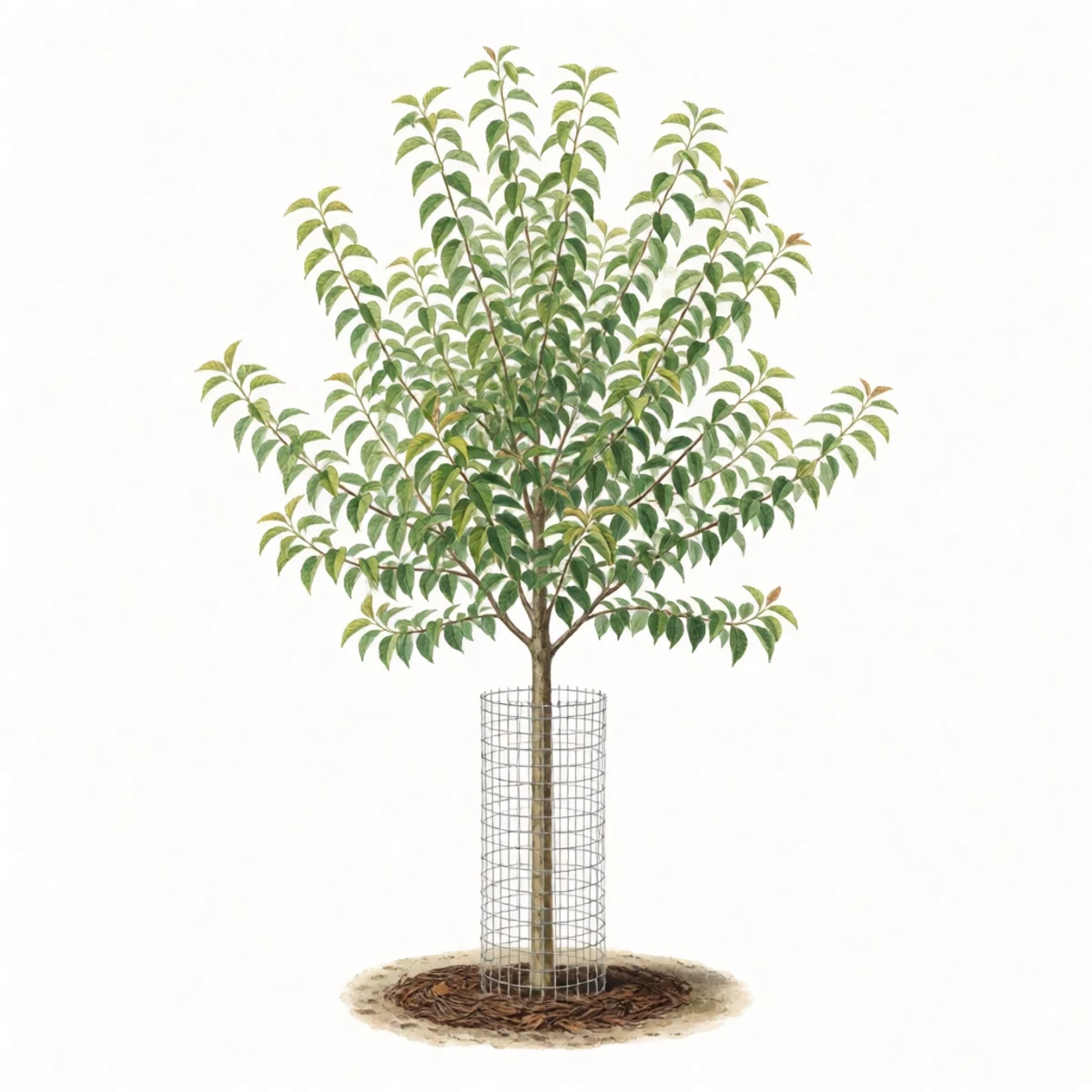
    Watercolour plate of a young fruit tree with a wire cylinder guard around its trunk and mulch ring, hens excluded outside it

    Keep a wire cylinder around the trunk and mulch ring of young trees for their first few years, because hens dig mulch out for fun. Anything newly seeded, strawberry beds carrying fruit, and anything just transplanted should stay behind netting. A determined hen will till a bed down to bare soil.

  4. Step 4 · Planting for them

    Grow food for the flock in the understory

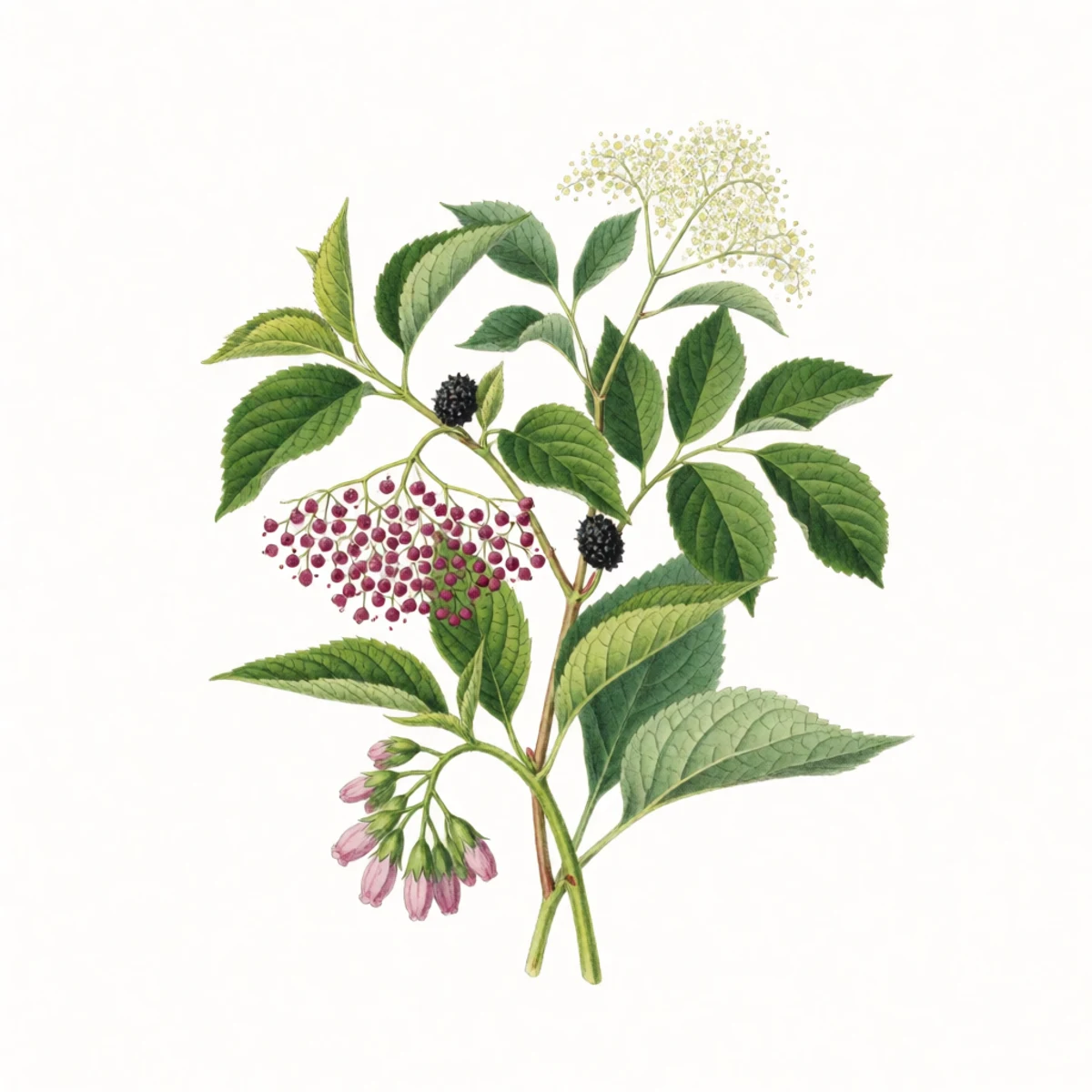
    Watercolour plate of an understory planted for a flock - a mulberry dropping fruit, elderberry and autumn olive, comfrey below

    You can plant the understory to feed the birds on purpose. Mulberries drop fruit for months, elderberries and autumn olive feed the edges, comfrey gets eaten back along fence lines, and paths of white clover are grazing. Every pound they find for themselves in season is feed you did not have to buy.

  5. Step 5 · What you get out of it

    Better eggs and fewer pests

    Eggs from birds ranged in the orchard have deep orange yolks from the insects and greens they eat, feed bills drop through the growing season, and codling moth and Japanese beetle numbers fall year over year wherever the birds have been cleaning up. Their manure, scratched in by the birds themselves, goes back to the trees.

Materials needed

As an Amazon Associate, Story Thyme Farms earns from qualifying purchases, at no cost to you. It never changes what we recommend.

Questions we actually get

Will chickens damage the fruit trees themselves?
Established trees, no, hens cannot hurt bark or roots that matter. The damage is to mulch rings, shallow feeder roots of brand-new plantings, and anything they can reach to peck, low-hanging tomatoes learn this fast. Guard the young and the low.
How many chickens per acre of food forest?
In rotation, a dozen birds can work an acre without wearing it out, double that for short cleanup bursts. The honest answer is watch the ground: bare patches and shredded understory mean too many birds or too few moves.
Do I still need to feed them in the food forest?
Yes, keep ration available always, they self-balance. Foraging replaces a real fraction of feed from May to October here, but a laying hen cannot make a Missouri winter, or an eggshell, on bugs and clover alone.