Wood chips, done right
Arborist wood chips: where they work and where they do not
Free by the truckload, and the best thing that ever happened to our paths and orchard, as long as they stay on the surface.
Arborist wood chips: where they work and where they do not
Prints on one page. The long version below stays on the screen.
The long version

Arborist wood chips, the mix of chipped leaves and branches that tree crews produce, are the cheapest soil-building material there is, and usually free if you ask. They hold moisture like a sponge, feed fungi for years, and stop weeds. Nearly every bad story about wood chips comes down to one mistake: mixing them into the soil instead of laying them on top.

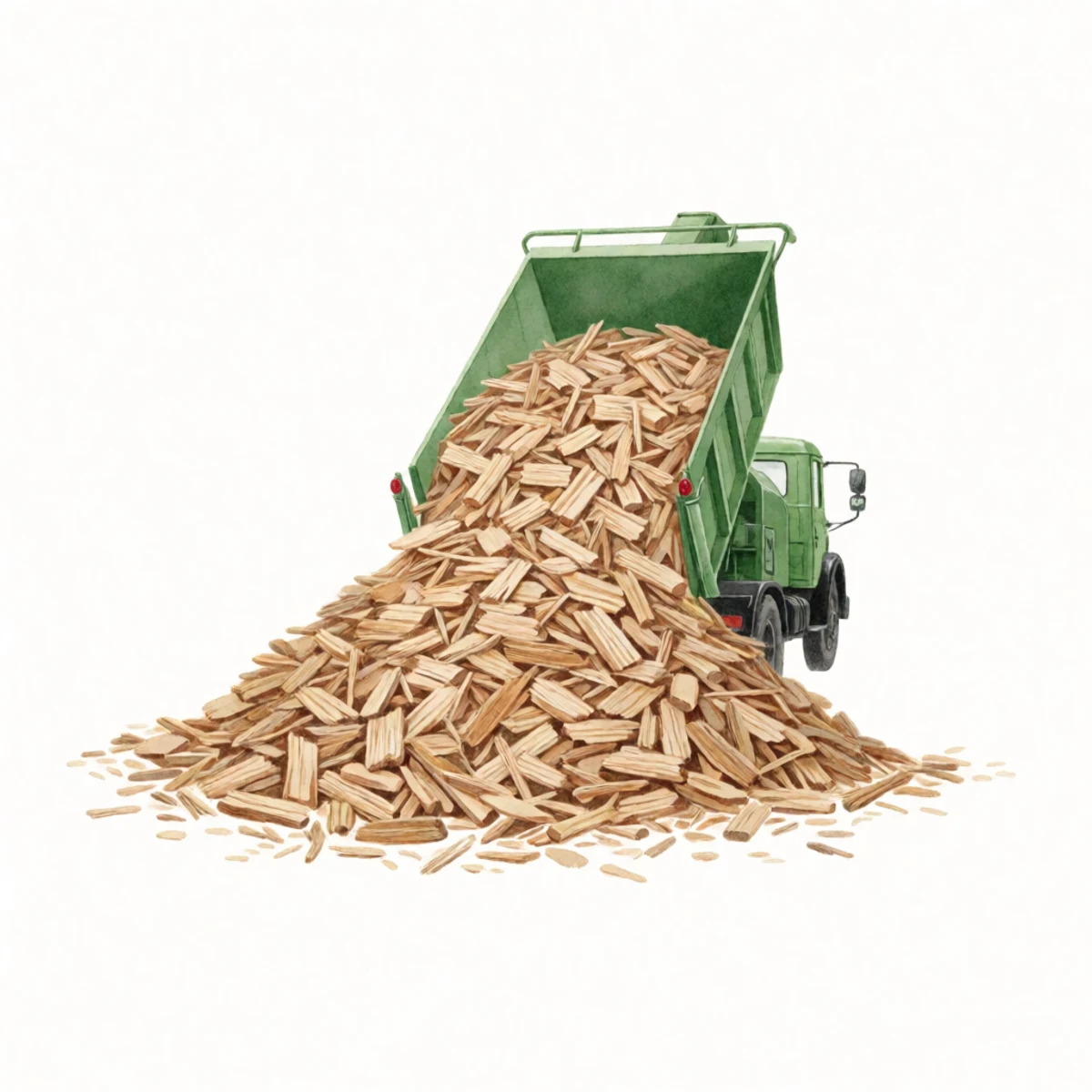
Tree crews have to pay to dump their chips, so letting them unload in your driveway saves them a trip. Ask a crew working nearby, or sign up with a chip-drop service, and expect the entire load, which is five to fifteen cubic yards, to arrive at once. Fresh chips with shredded leaves mixed in are the best kind, because they carry more nutrients and break down faster.

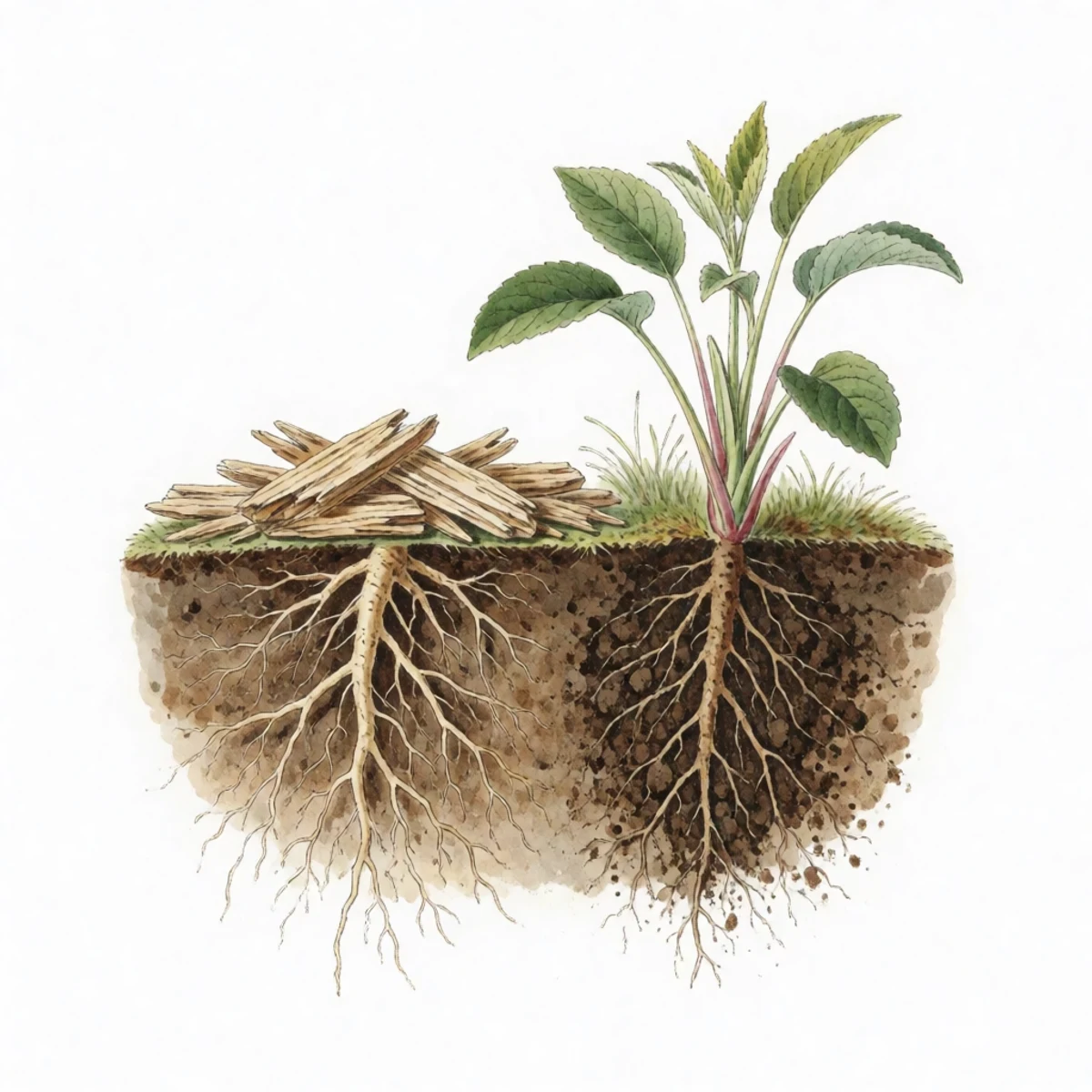
The warning about wood chips stealing nitrogen is half true. Wood buried in soil does take nitrogen from the whole root zone while it rots, but wood lying on the surface only borrows a little, right at the point where it meets the soil. So chips always go on top, and the soil underneath actually gains nitrogen over the years as the fungal layer works downward. Spread them on the surface, leave them alone, and top them up each year.

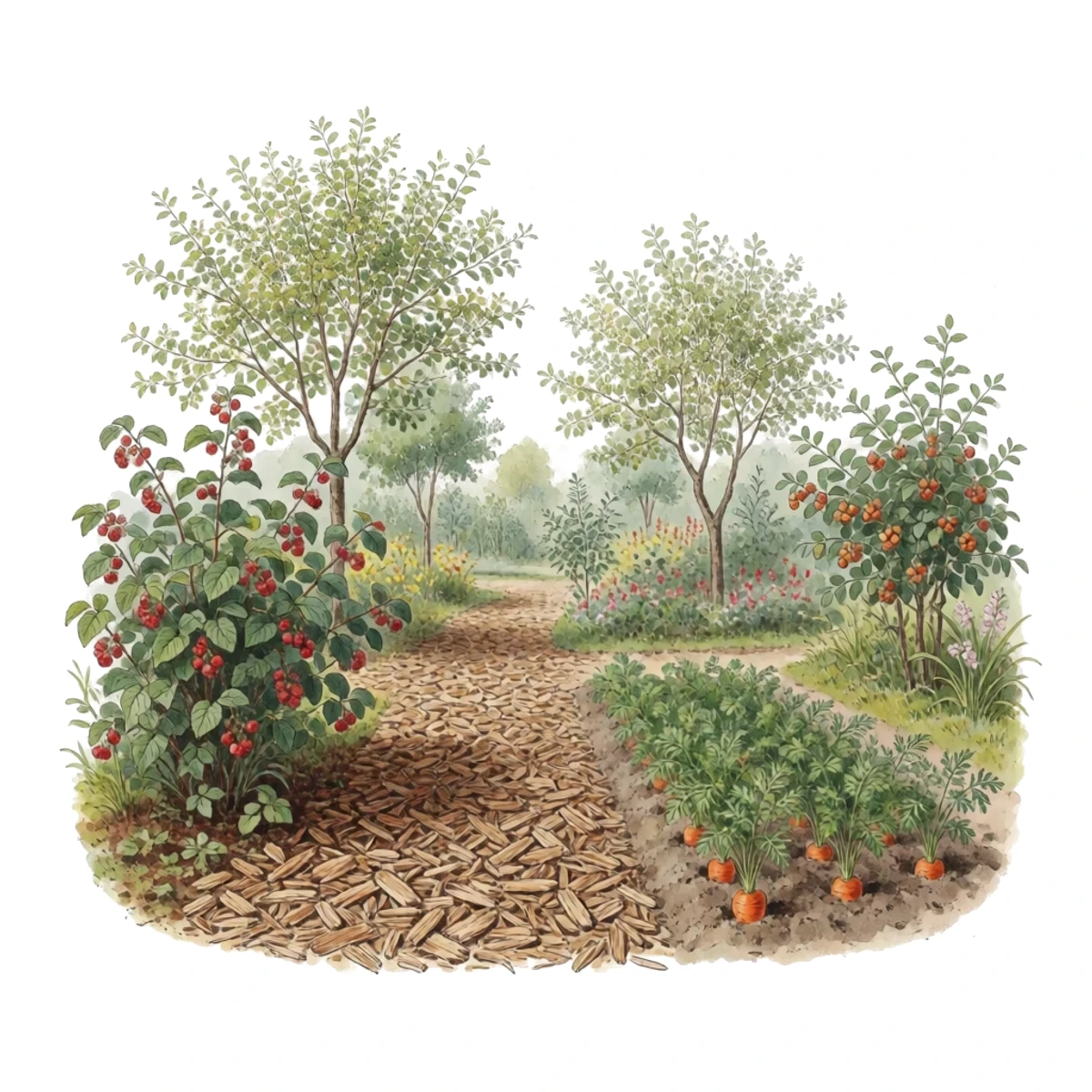
Chips work best where the plants are woody and long-lived. Use three to four inches under trees and berry bushes, and six inches on garden paths, where they end muddy conditions for good. Keep them out of annual vegetable beds, where repeated sowing mixes them into the soil, and use straw or leaves there instead. Always pull chips a hand's width away from trunks and stems.

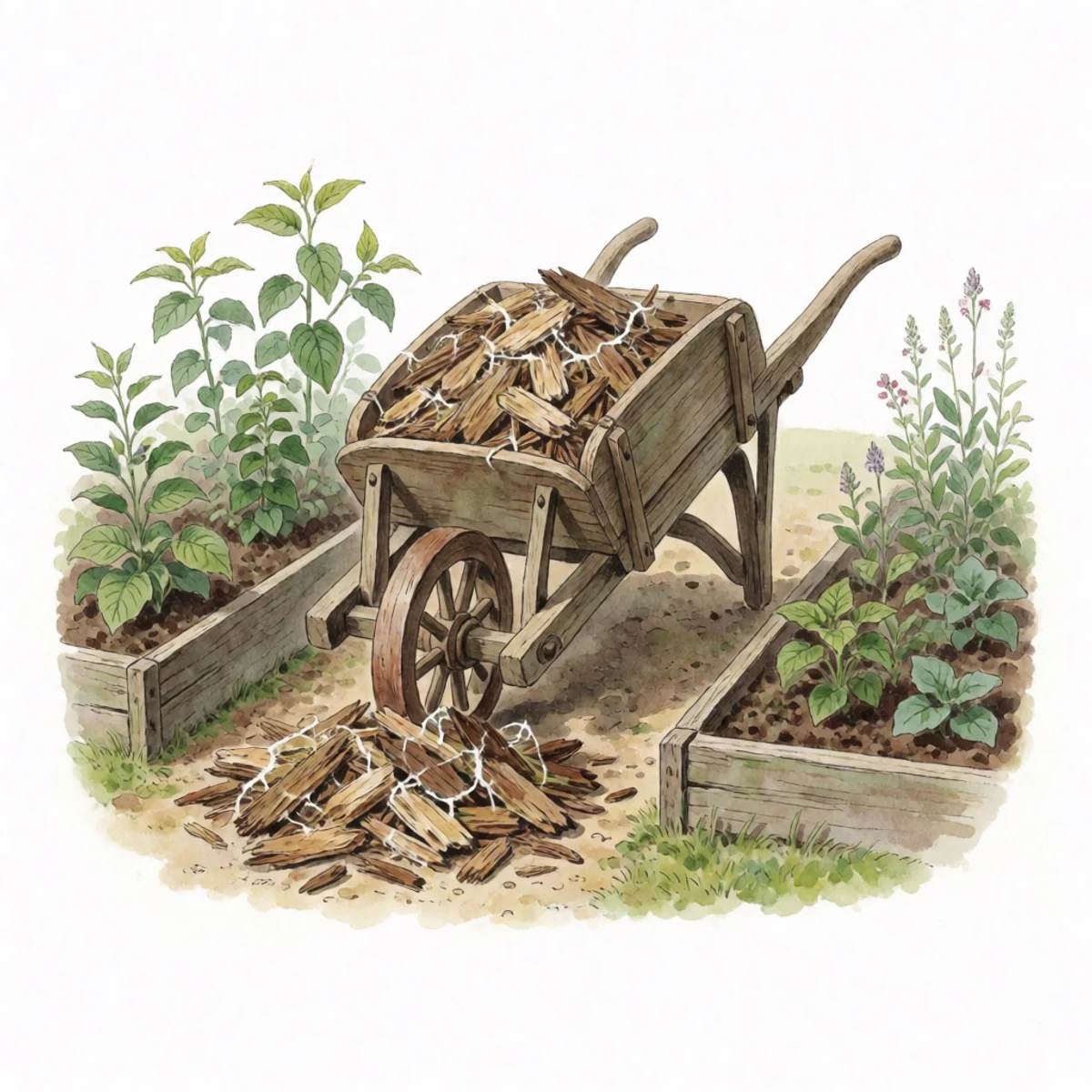
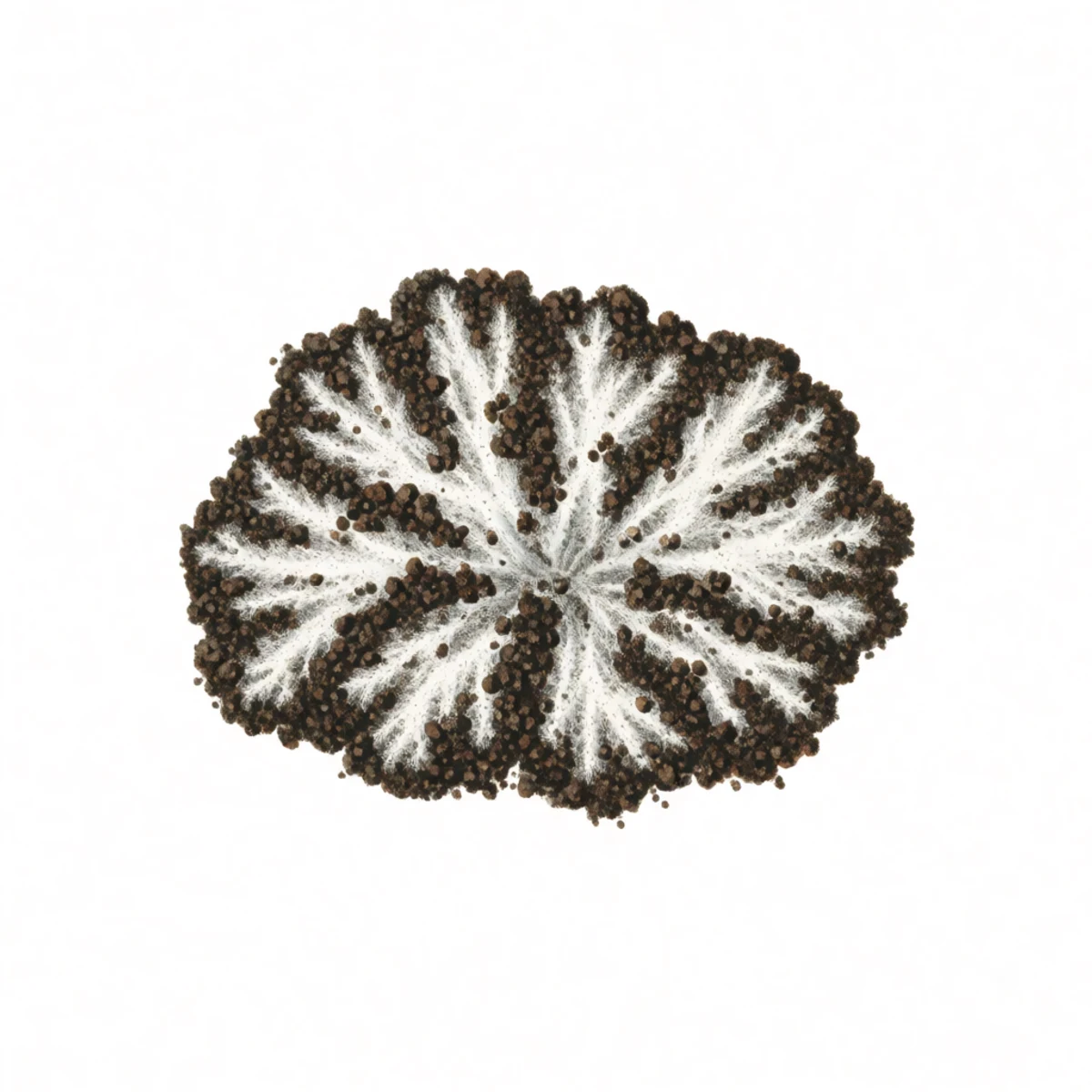
By the second year, white fungal threads run through the bottom of the chip layer, and underneath it you will find black, crumbly, worm-worked soil that holds about a week's more moisture than the bare ground it replaced. A pile of chips that has sat for two years is essentially finished compost, and that material can go anywhere, including the vegetable beds.
As an Amazon Associate, Story Thyme Farms earns from qualifying purchases, at no cost to you. It never changes what we recommend.