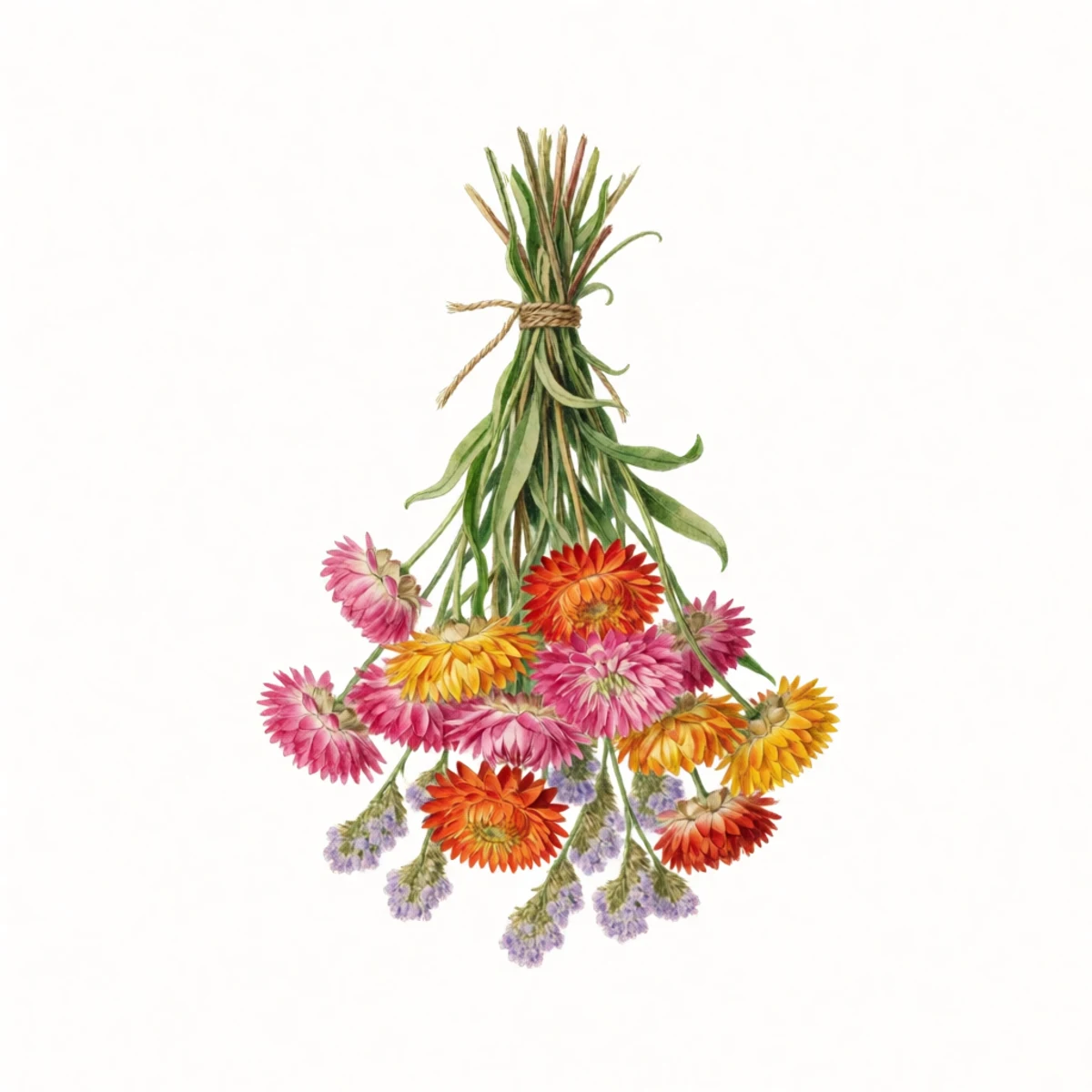
How to dry flowers for bouquets
Strawflower, statice, celosia and others. Hang drying
Hang them upside down in a dark room for two weeks. Here are the flowers that dry well and the ones that do not.
Strawflower, statice, celosia and others. Hang drying
Prints on one page. The long version below stays on the screen.
The long version

A dried bouquet lets you sell a July flower bed in December. The method is very simple, since you just hang the flowers upside down in the dark. What decides whether you get color or compost is which flowers you choose, when you cut them, and where you hang them.

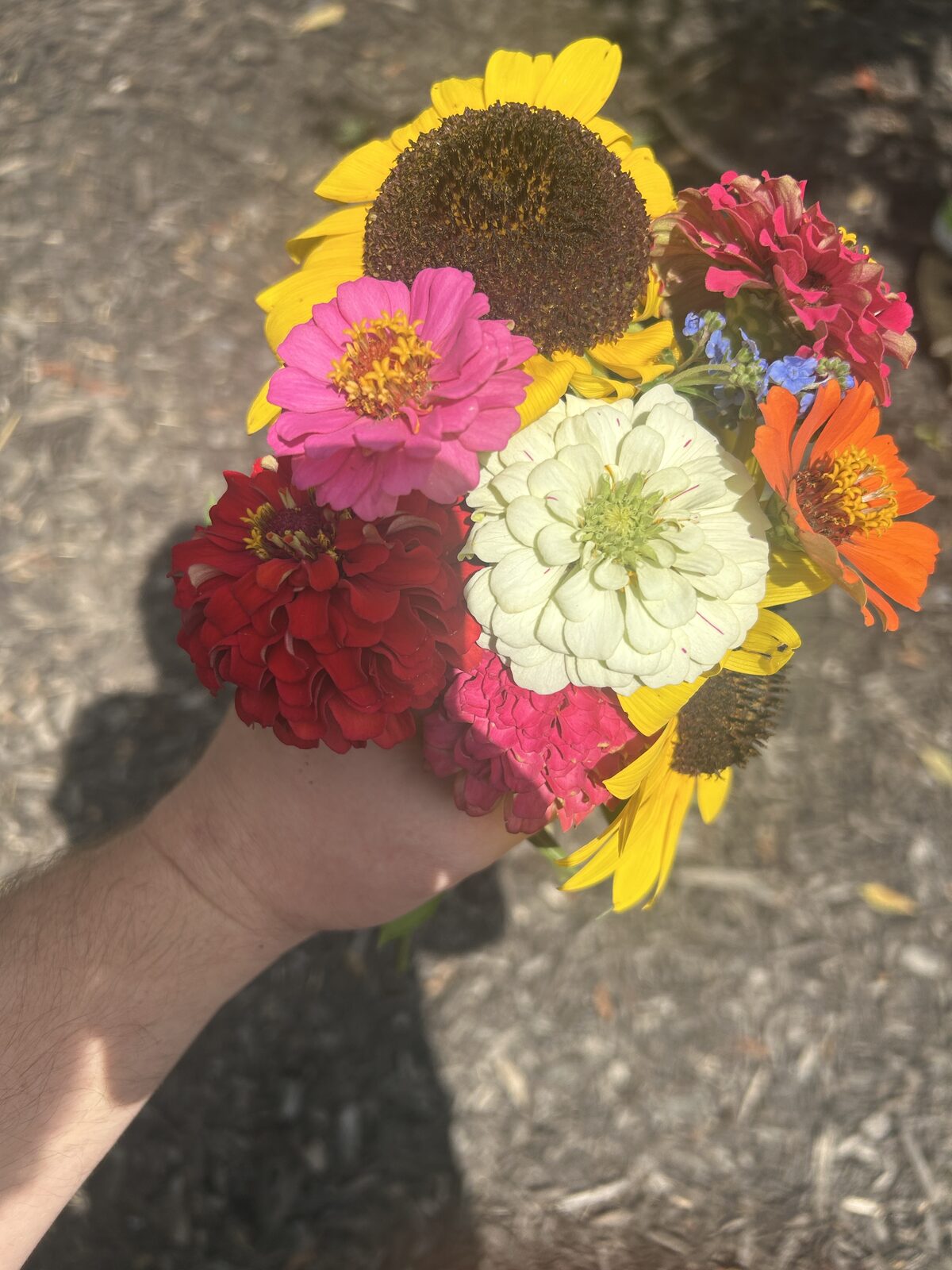
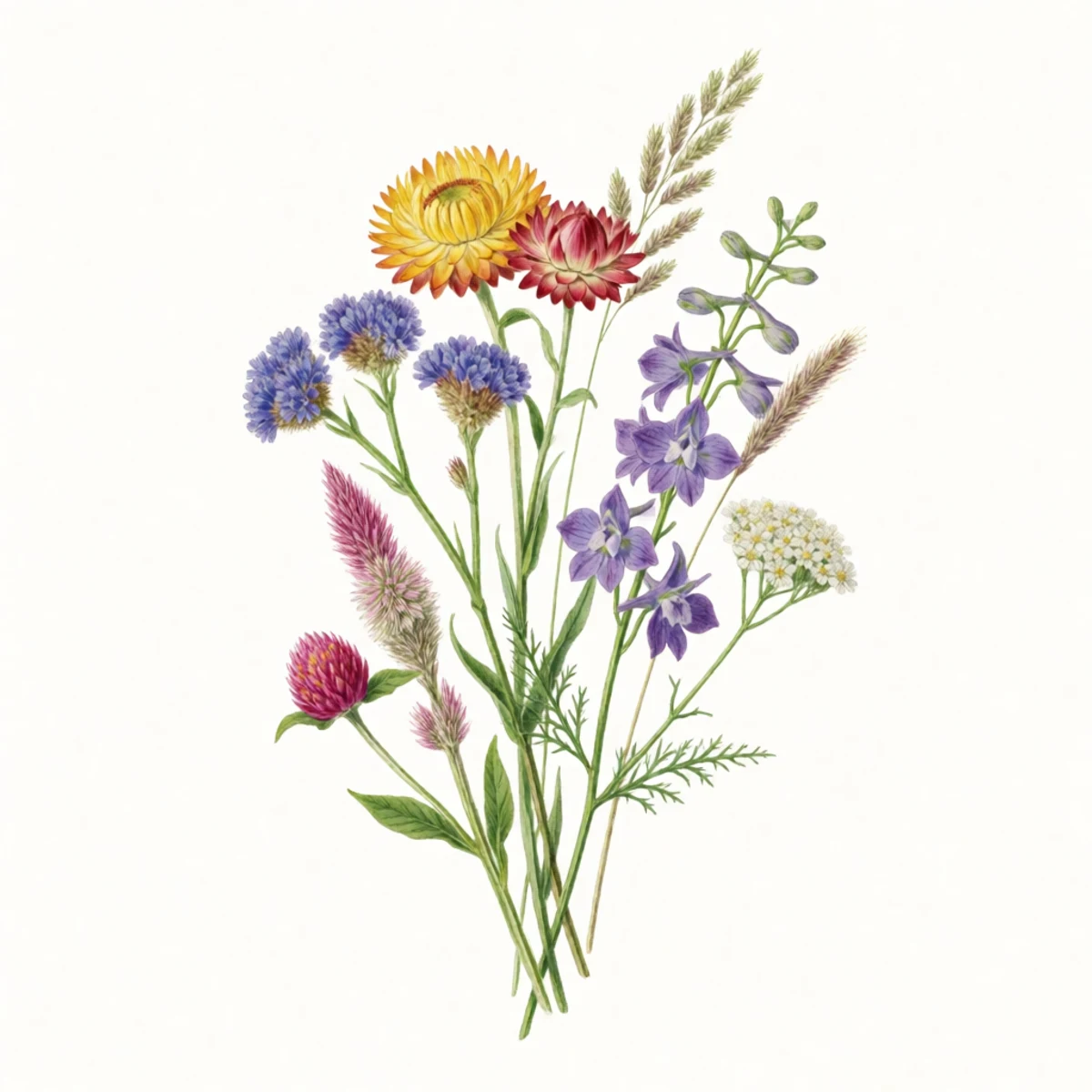
Strawflower, statice, celosia, gomphrena, larkspur, yarrow, baby's breath and ornamental grasses all hang-dry well, because they are already papery. Zinnias and other thick, fleshy daisies collapse when hung, and need silica gel instead. We sell those fresh and dry the ones listed above.

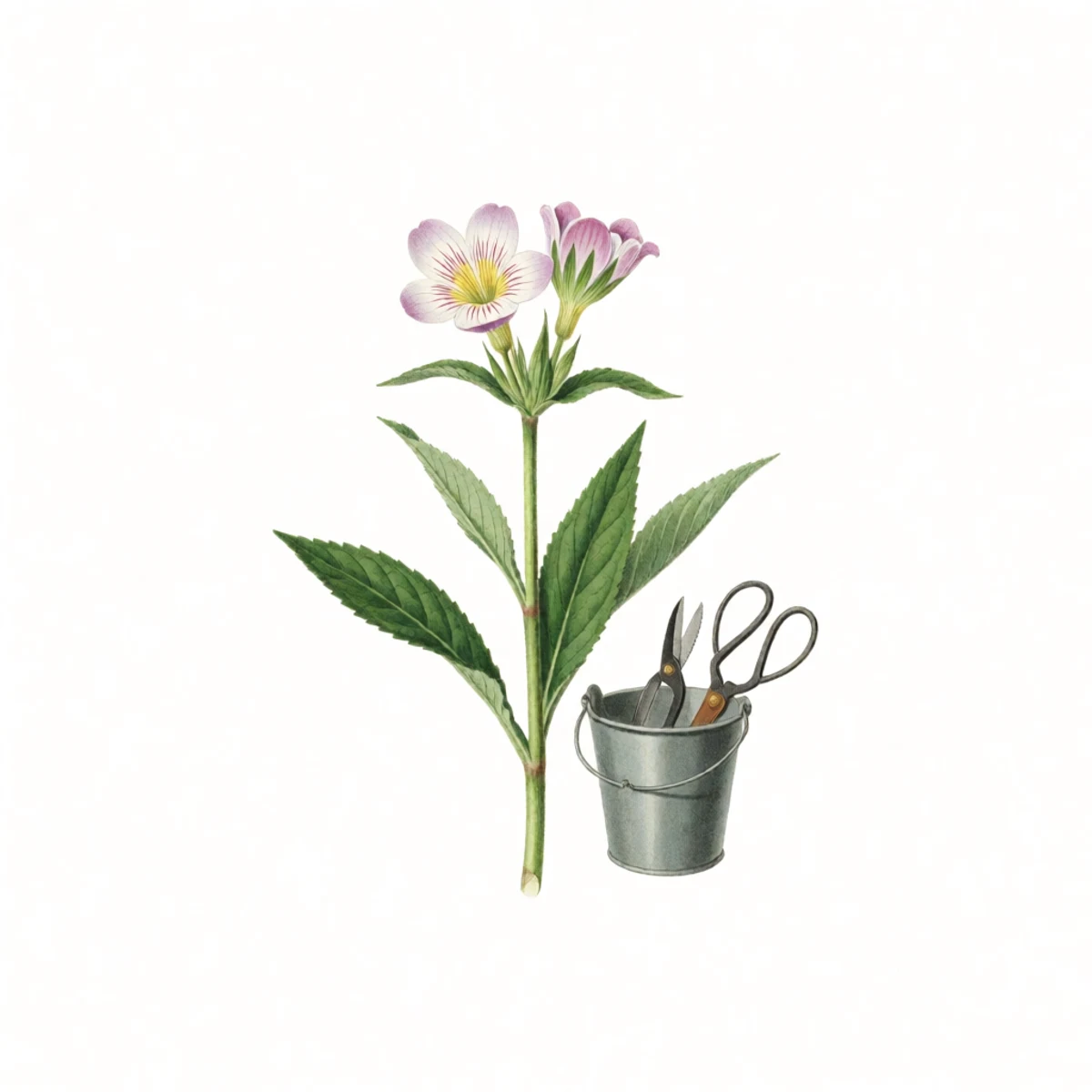
Cut after the dew has dried, choosing blooms that are not quite fully open, because they keep opening as they dry. Strip every leaf off the stem, since leaves hold moisture and cause mold. Cut the stems long, because you can always trim them later.

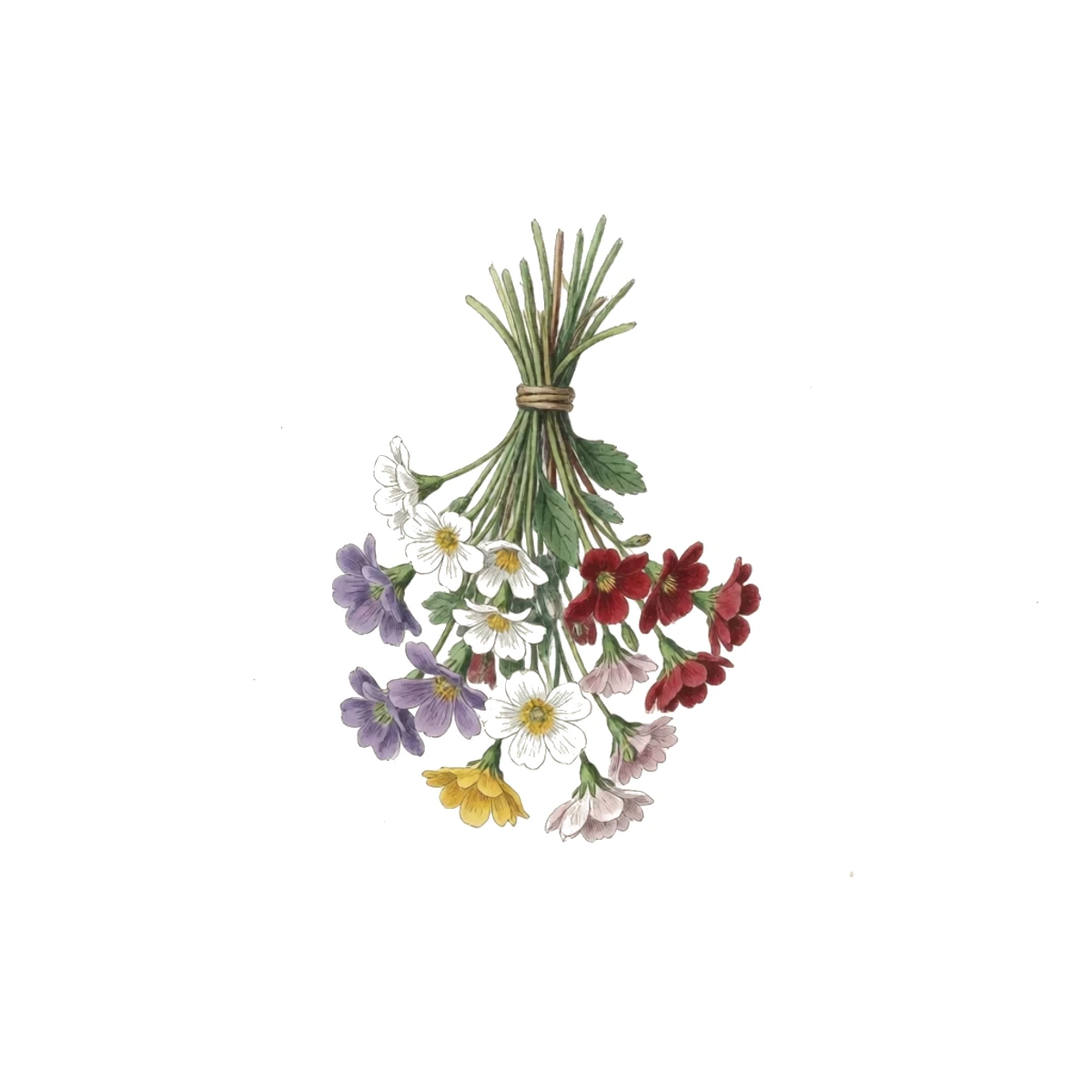
Put a rubber band around five to eight stems and hang the bundles upside down from a line or from nails. Use rubber bands rather than string, because the band tightens as the stems shrink while string goes slack. The room should be dry, warm, ventilated and above all dark. Sunlight will bleach dried flowers to the color of hay within a week.

Check them after the first week. They are done when the flowers feel crisp like paper and the stems snap instead of bending. Take the bundles down promptly, because once they are dry, dust is the main problem. Arranged out of direct sun they hold their color for a year or more, and a light coat of cheap hairspray keeps fragile seed heads from shattering.
As an Amazon Associate, Story Thyme Farms earns from qualifying purchases, at no cost to you. It never changes what we recommend.
Zones, cold-hardy cultivars, spacing, feeding, and where to buy one already rooted.
Open the zinnia guide →