How to save zinnia seeds
Zinnia elegans. From dry flower heads to seed
Every faded flower holds a packet of seeds. Save the colors you like best and the patch changes a little every year.
Zinnia elegans. From dry flower heads to seed
Prints on one page. The long version below stays on the screen.
The long version

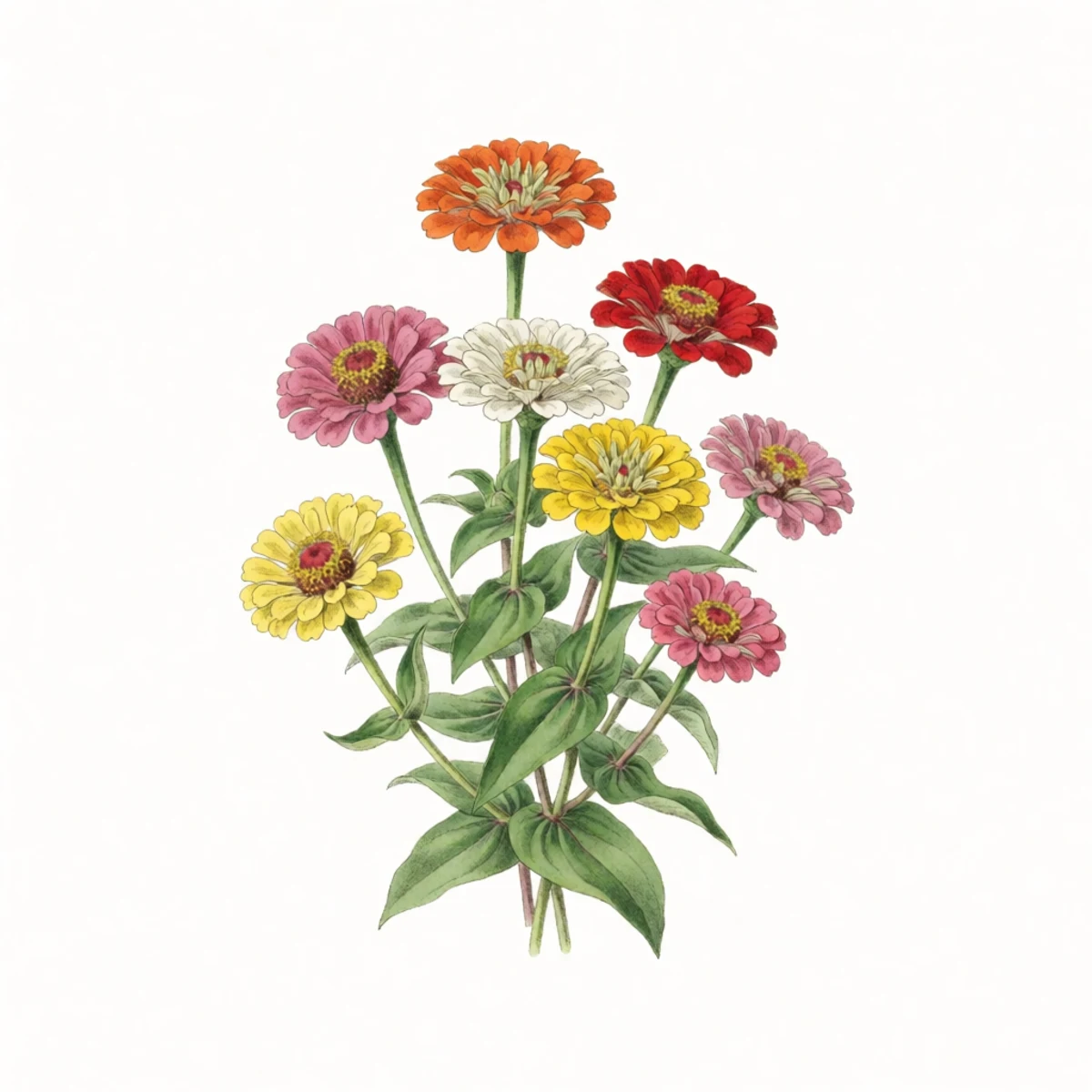
Zinnias produce so much seed that saving it is mostly a matter of sorting. The one thing to know is that bees cross zinnias with each other constantly, so a patch grown from saved seed drifts into its own mix of colors over the years. On a cut-flower farm, that is a good thing.

Through the season, tie a piece of ribbon behind any flower whose color and shape you like, and leave those heads on the plant well past their prime. Deadhead everything else as usual. The marked ones are the ones making seed.

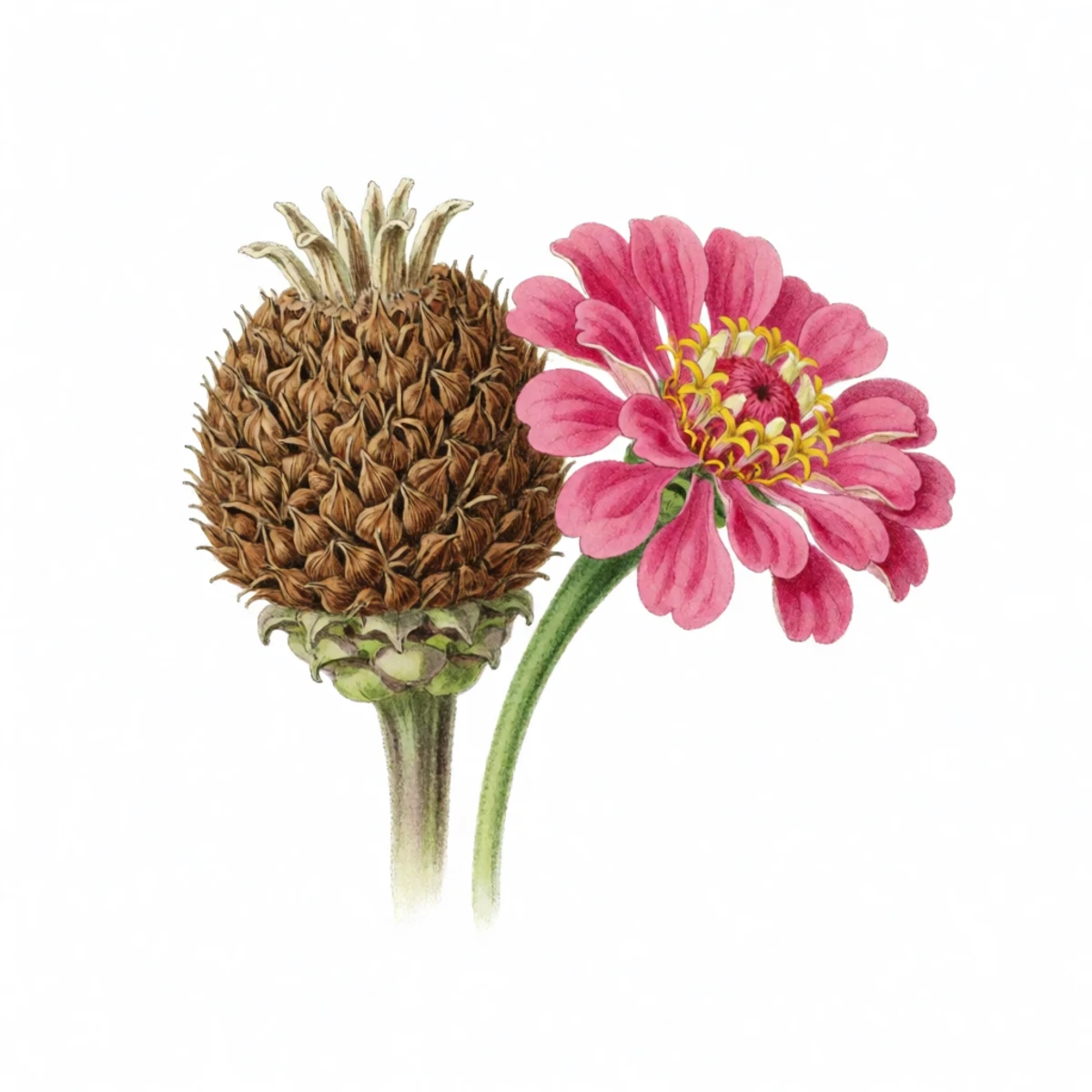
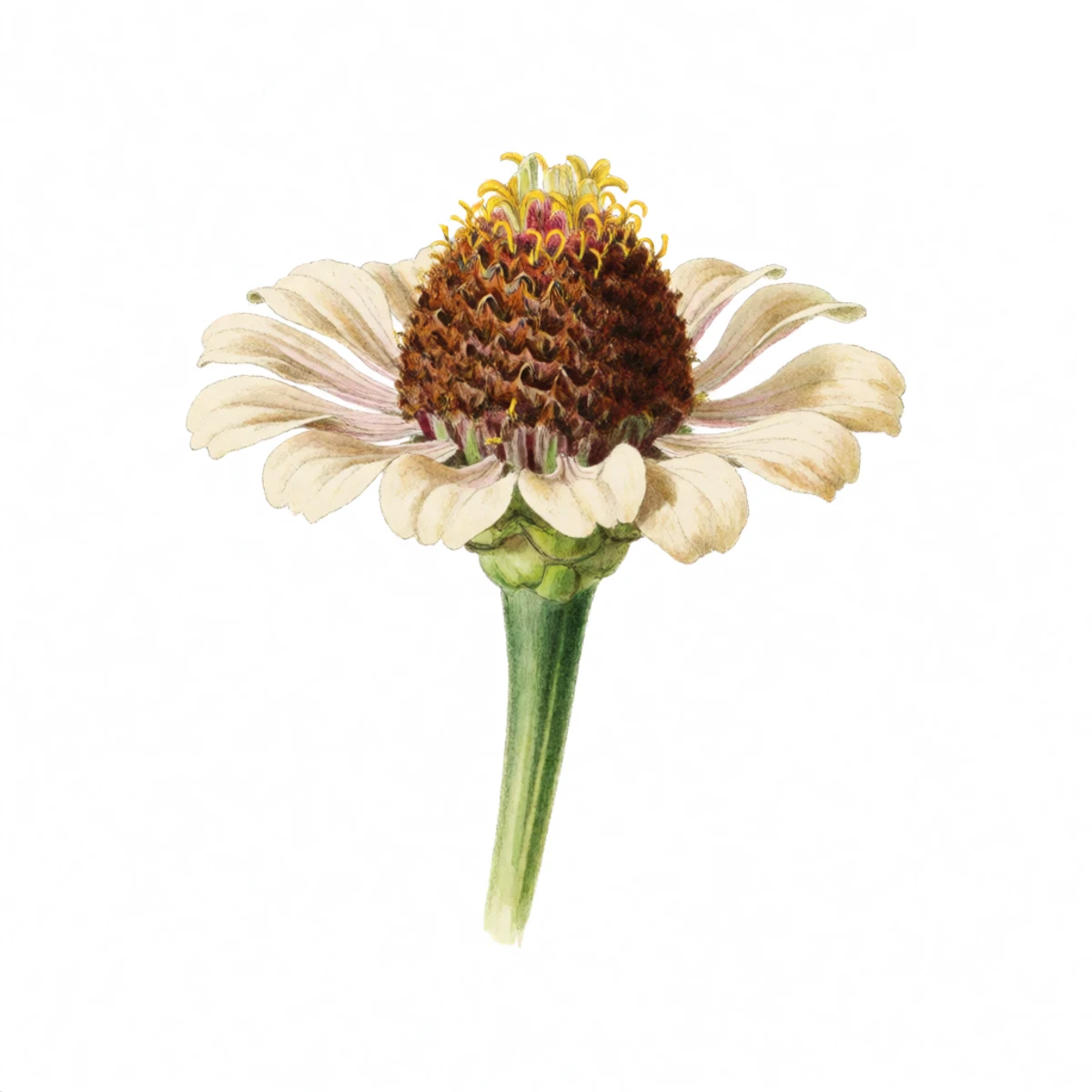
A seed head is ready when it has turned completely brown and rustles when you touch it, which is several weeks after the petals fade. If frost or heavy rain is coming first, cut the marked heads with a few inches of stem and finish drying them indoors in a paper bag.

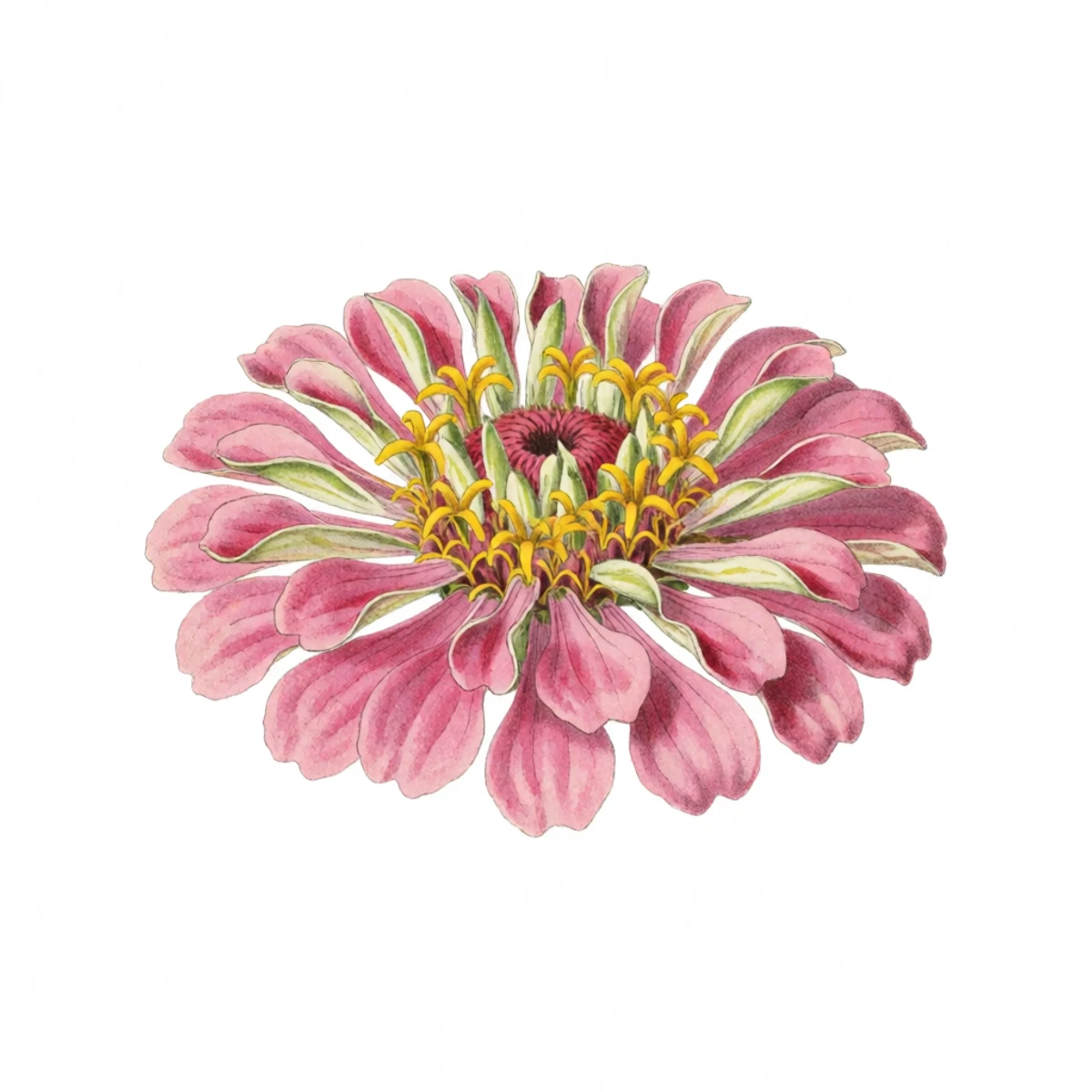
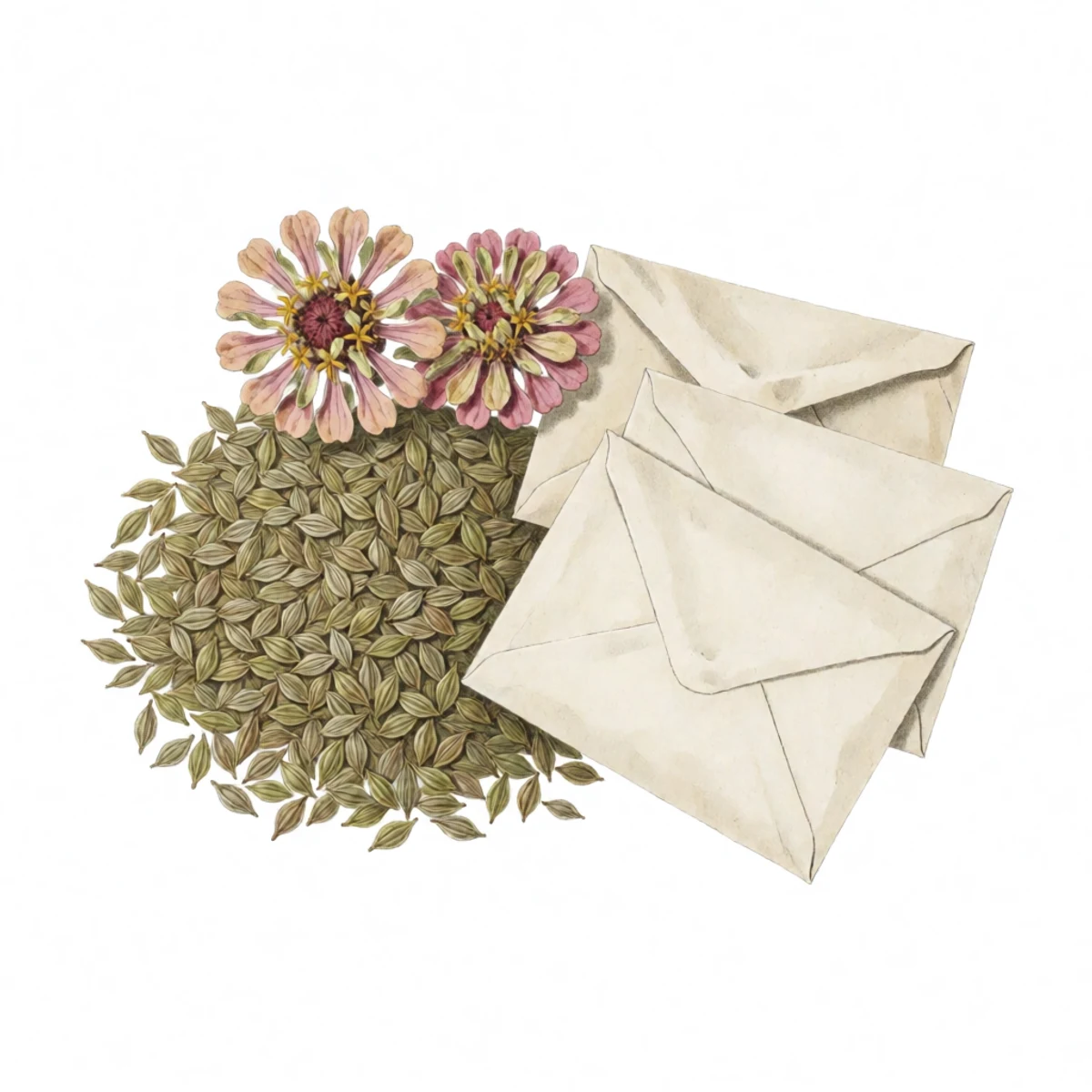
Pull the dry head apart over a bowl. The seeds are the gray-green, arrow-shaped pieces attached to the base of each petal, and if you tug a petal the seed often comes away with it. Plump arrow shapes are good seed, while thin papery slivers are not. Expect fifty to a hundred seeds from a large head.

Give the seed another week on a plate, then put it in an envelope. We label ours by the color of the flower it came from, knowing the bees may have crossed it with something else. Zinnia seed lasts three to five years, so one good fall covers several years of bouquets, and any plants that come up on their own the following spring are a bonus.
As an Amazon Associate, Story Thyme Farms earns from qualifying purchases, at no cost to you. It never changes what we recommend.
Zones, cold-hardy cultivars, spacing, feeding, and where to buy one already rooted.
Open the zinnia guide →