How to spread strawberries from runners
Fragaria × ananassa. Rooting runners into pots
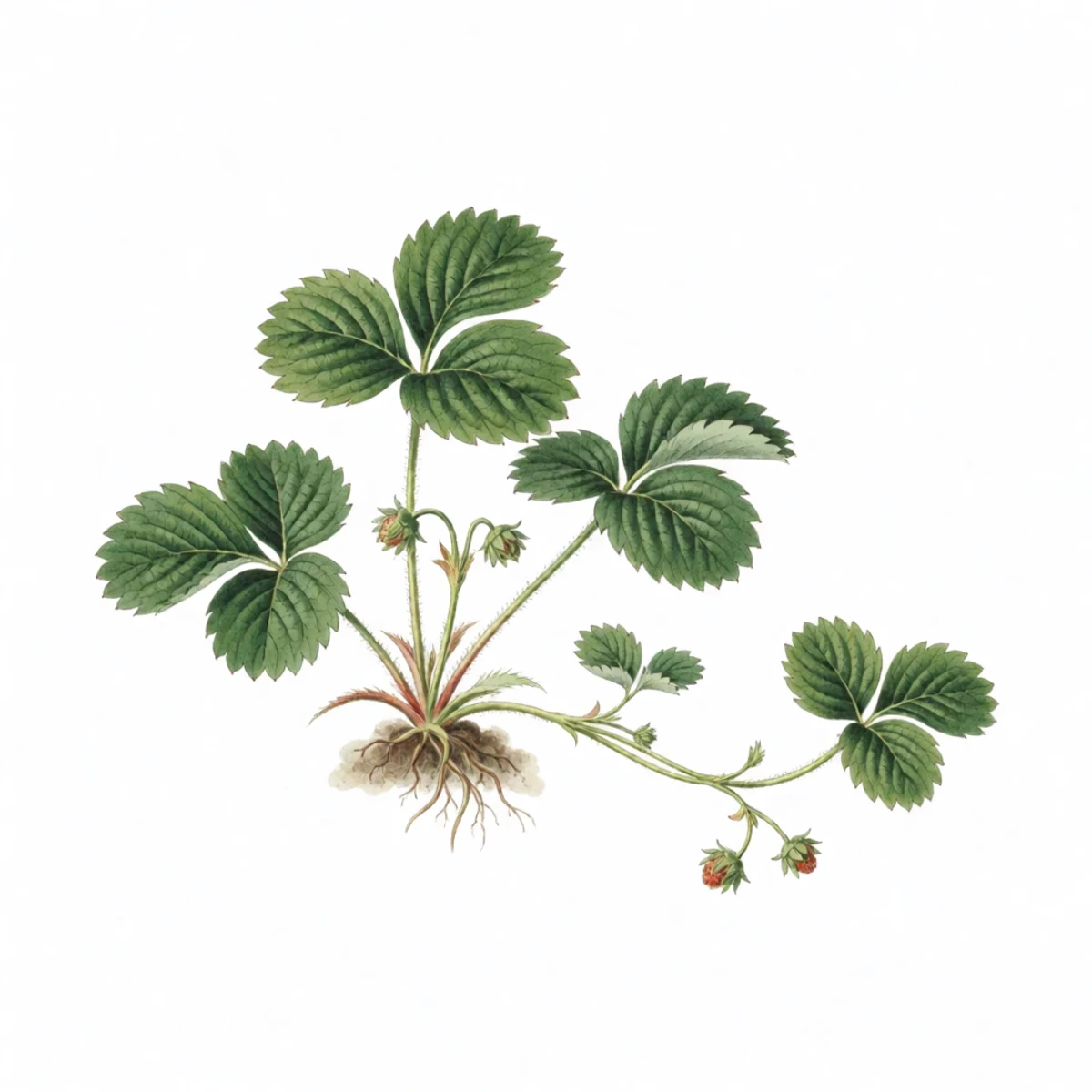
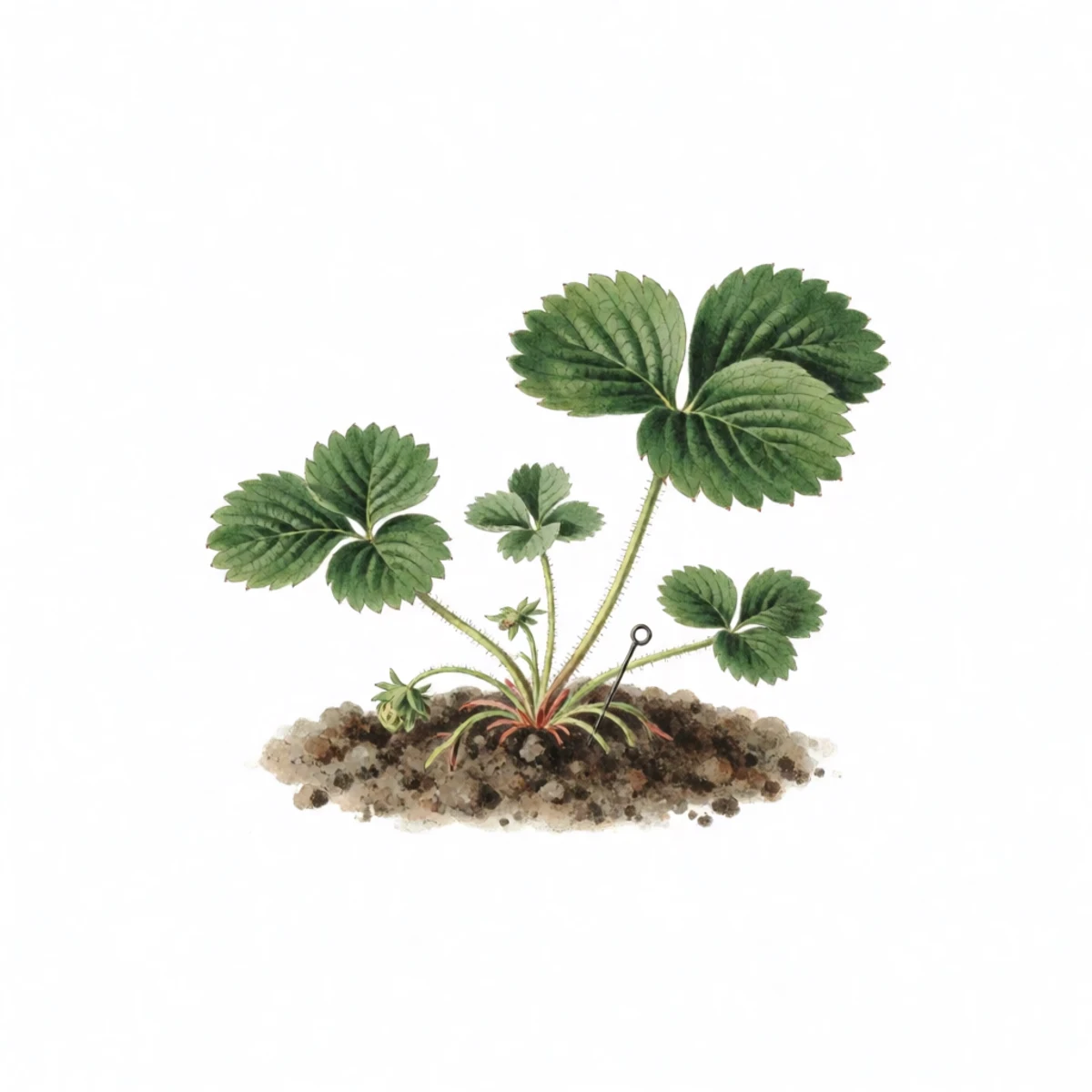
June-bearing strawberries send out runners all summer, and each runner can become a new plant. Pin the runners down and let them root.
Fragaria × ananassa. Rooting runners into pots
Prints on one page. The long version below stays on the screen.
The long version

A strawberry runner is the plant propagating itself. All you do is decide where the new plant roots, and keep it attached to the parent until it can feed itself. Start right after the June harvest and you will have plants ready to move by fall.

Each runner grows one plantlet, then keeps running and grows weaker ones farther out. The first plantlet on the runner is the strongest. Keep that one and snip the runner just past it, so the parent plant stops putting energy into the rest.

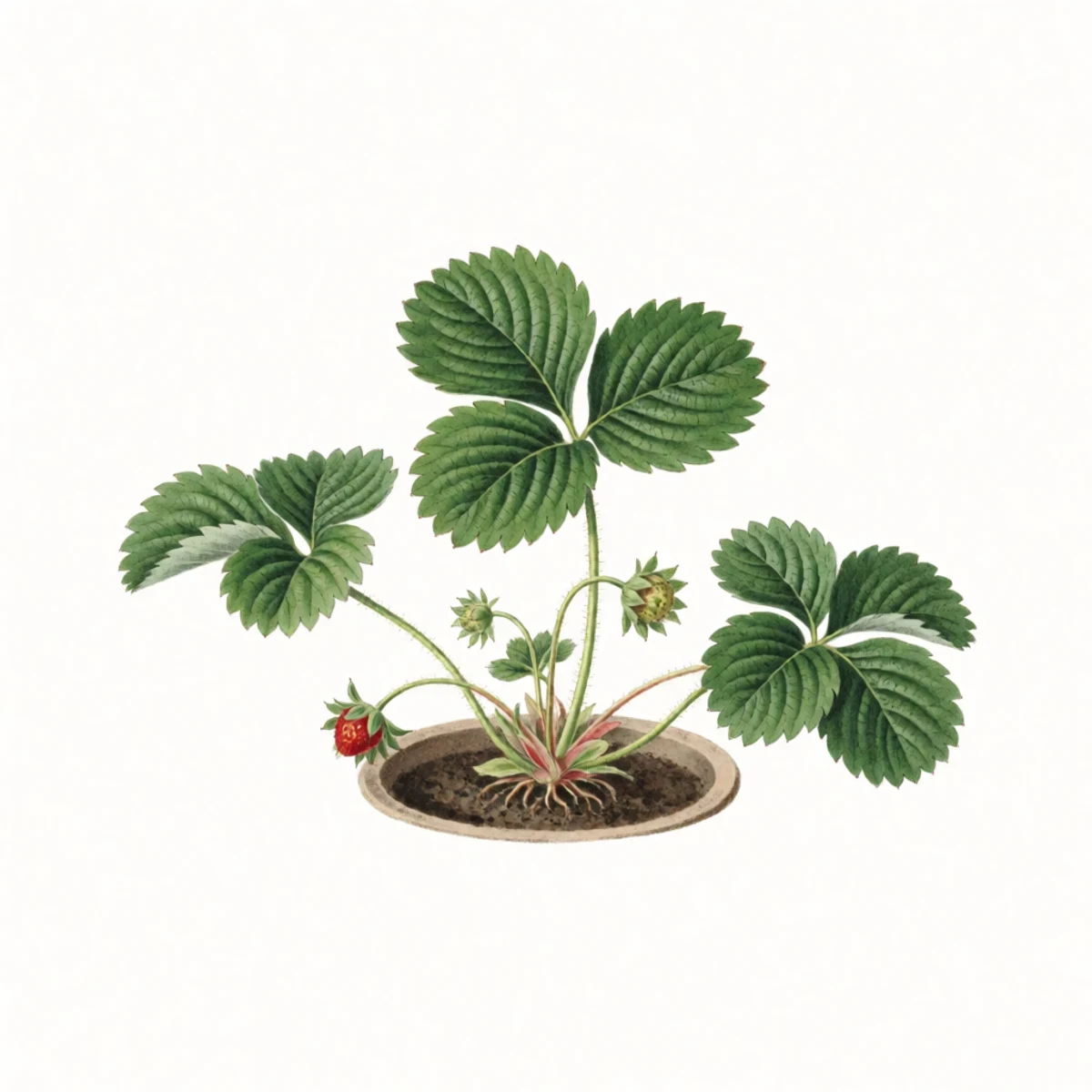
Sink a small pot of potting mix into the bed underneath the plantlet, then pin the runner down into it with a landscape staple or a bent piece of wire. Rooting into a pot rather than into the bed means you can move it later without tearing the new roots.

Keep the pot watered like a seedling. The plantlet roots in three to four weeks. Tug on it gently, and when it resists, it has roots of its own.

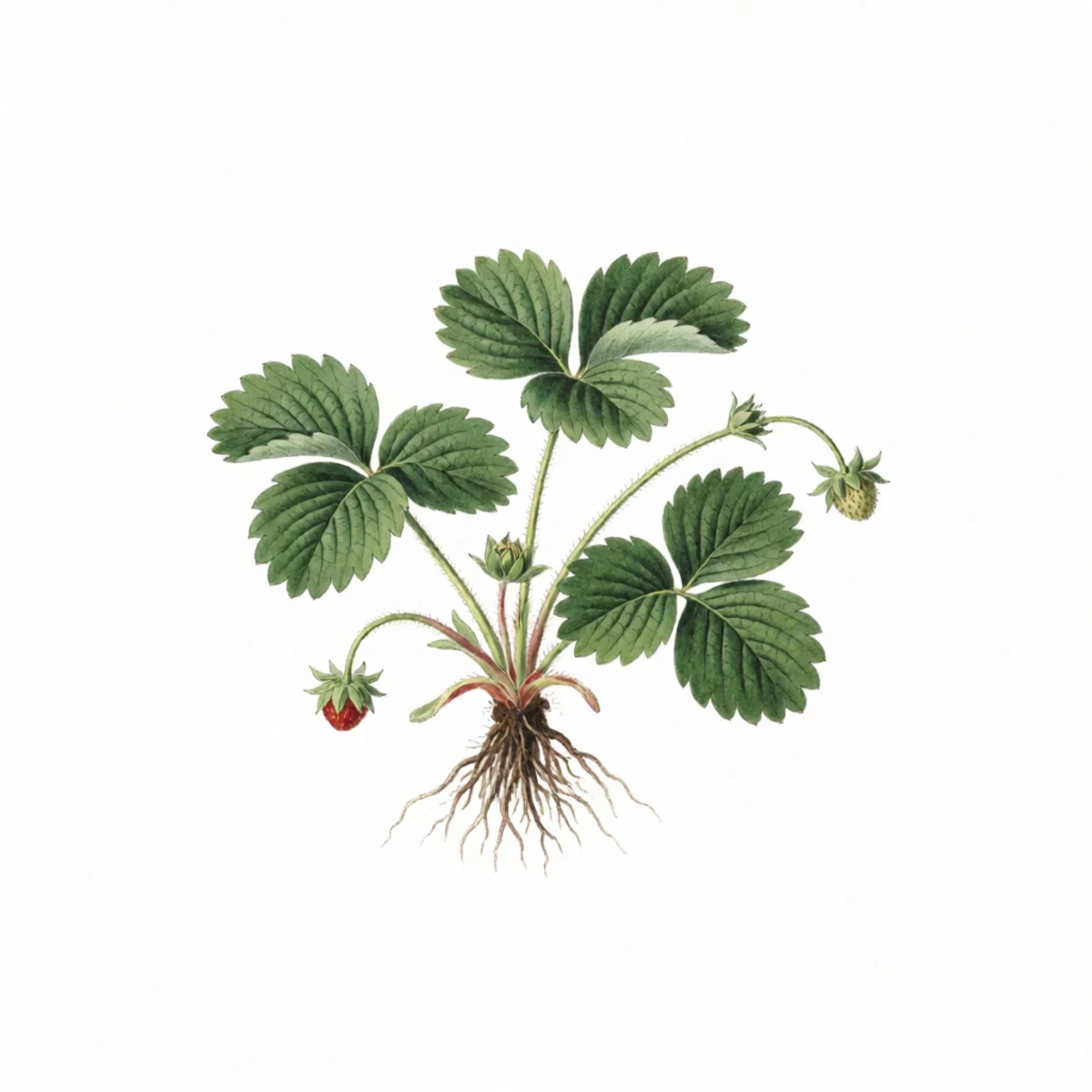
Cut the runner about an inch from the plantlet and leave it a few days to prove it can live on its own. Then plant it at the same depth it grew, with the crown right at the soil line. A buried crown rots and an exposed one dries out. Plants rooted after early September will not fruit well the following year, so watch the calendar.
As an Amazon Associate, Story Thyme Farms earns from qualifying purchases, at no cost to you. It never changes what we recommend.
Zones, cold-hardy cultivars, spacing, feeding, and where to buy one already rooted.
Open the strawberry guide →