Field Guide · Seed saving · 5 min read

How to Save Pepper Seeds

The easiest seed in the garden to save, as long as you can leave your best pepper on the plant until it turns red.

Story Thyme Farms · Bench cardLate summer

How to save pepper seeds

Capsicum annuum. Saved dry from fully ripe fruit

DifficultyEasiest there is
Fruit must beFully colored, ripe
Dry1–2 weeks
Viable2–4 years
Wear gloves with hot varieties. Capsaicin transfers to every surface you touch.
1Waiting for the fruitLet it ripen fully to red, orange or gold
2Removing the seedsCut around the core and brush the seeds off
3Drying themOne to two weeks, stirred, out of the sun
4Labeling and storingWrite the variety and the year on the envelope
Materials needed · Seed envelopes · Nitrile gloves · Small glass jars
Written on the farm · Missouristorythymefarms.com/guides/how-to-save-pepper-seeds
Prints on one page. The long version below stays on the screen.

The long version

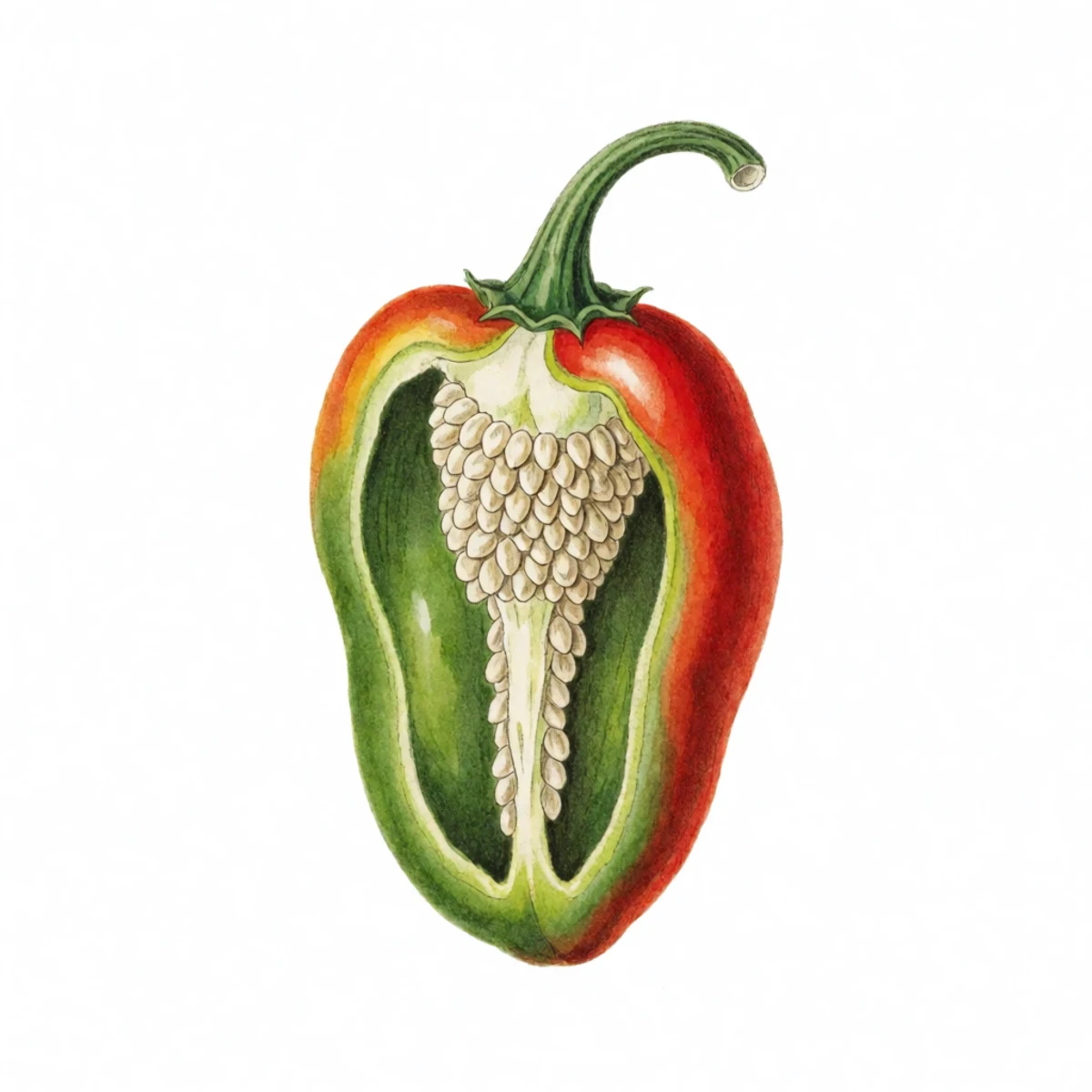
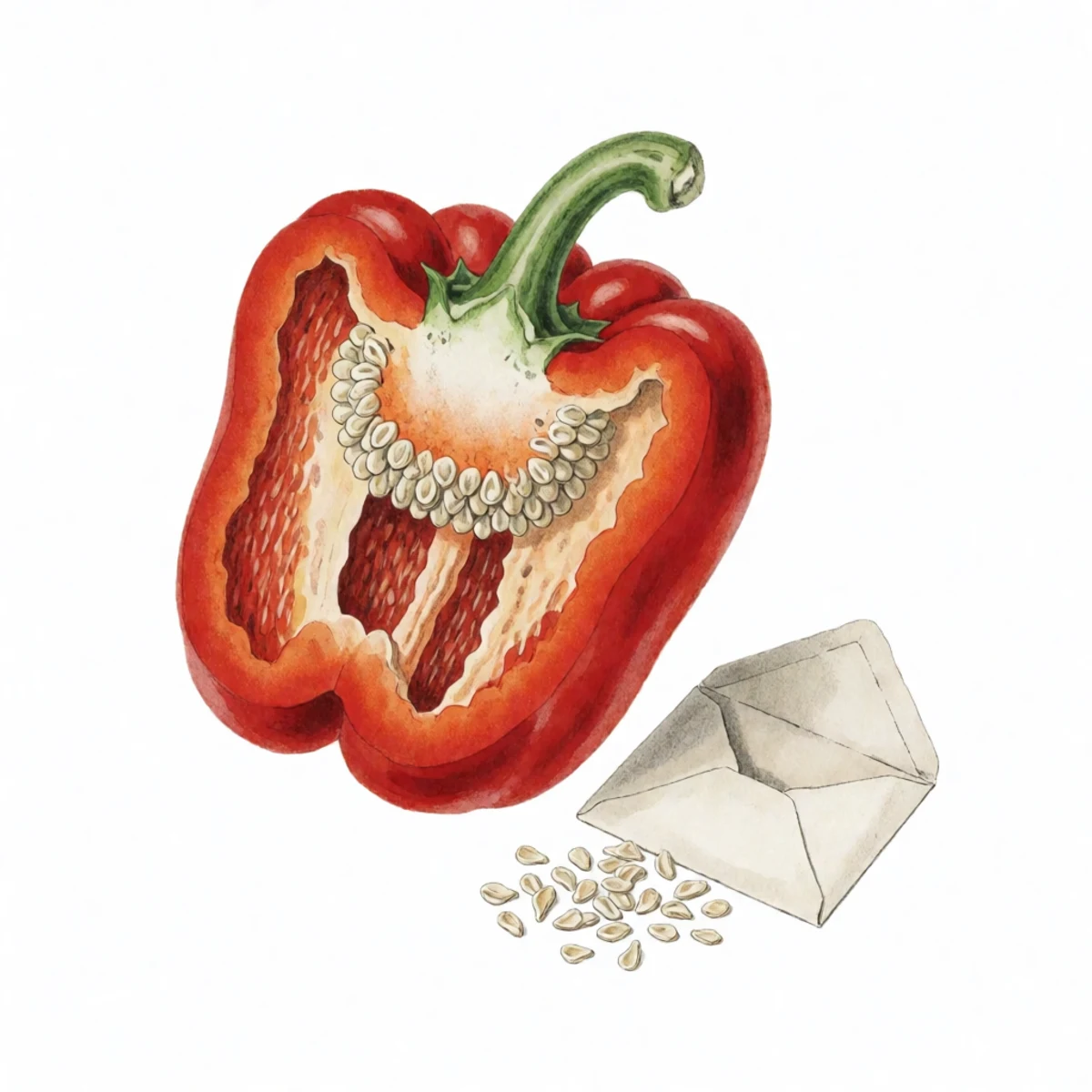
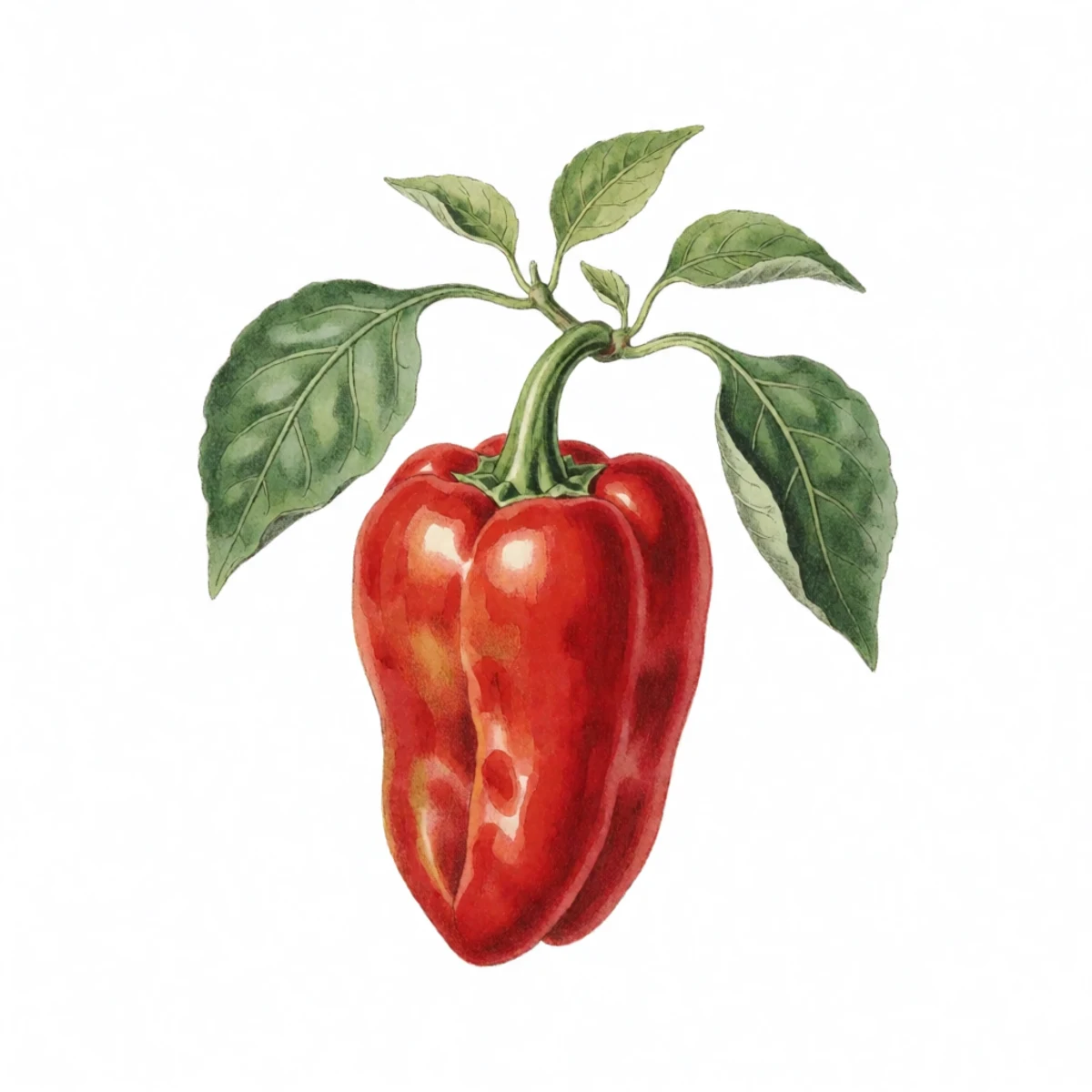
Watercolor plate of a red pepper cut open with its seed cluster
Capsicum annuum · field plate

Pepper seeds need no fermenting, no rinsing, and almost no processing at all. The whole skill is patience, because the seed is only mature once the fruit has turned its final color. A green bell pepper is an unripe pepper, and its seeds are unripe too.

  1. Step 1 · Waiting for the fruit

    Let it ripen fully to red, orange or gold

    Watercolour plate of a fully coloured red pepper left on the plant past eating stage, skin just beginning to wrinkle

    Choose one good early fruit on your best open-pollinated plant and leave it on until it is fully colored and just starting to soften. That will be weeks after you would normally pick it green. That extra time on the plant is when the seed matures.

  2. Step 2 · Removing the seeds

    Cut around the core and brush the seeds off

    Watercolour plate of a pepper with its shoulder sliced off and the whole seed-covered core pulled out in one piece

    Slice the top off the pepper and pull the core out in one piece, with the seeds clustered on the white membrane. Brush them onto a plate with your thumb. Wear gloves and keep your hands away from your face if you are working with anything hot, because capsaicin stays on surfaces.

  3. Step 3 · Drying them

    One to two weeks, stirred, out of the sun

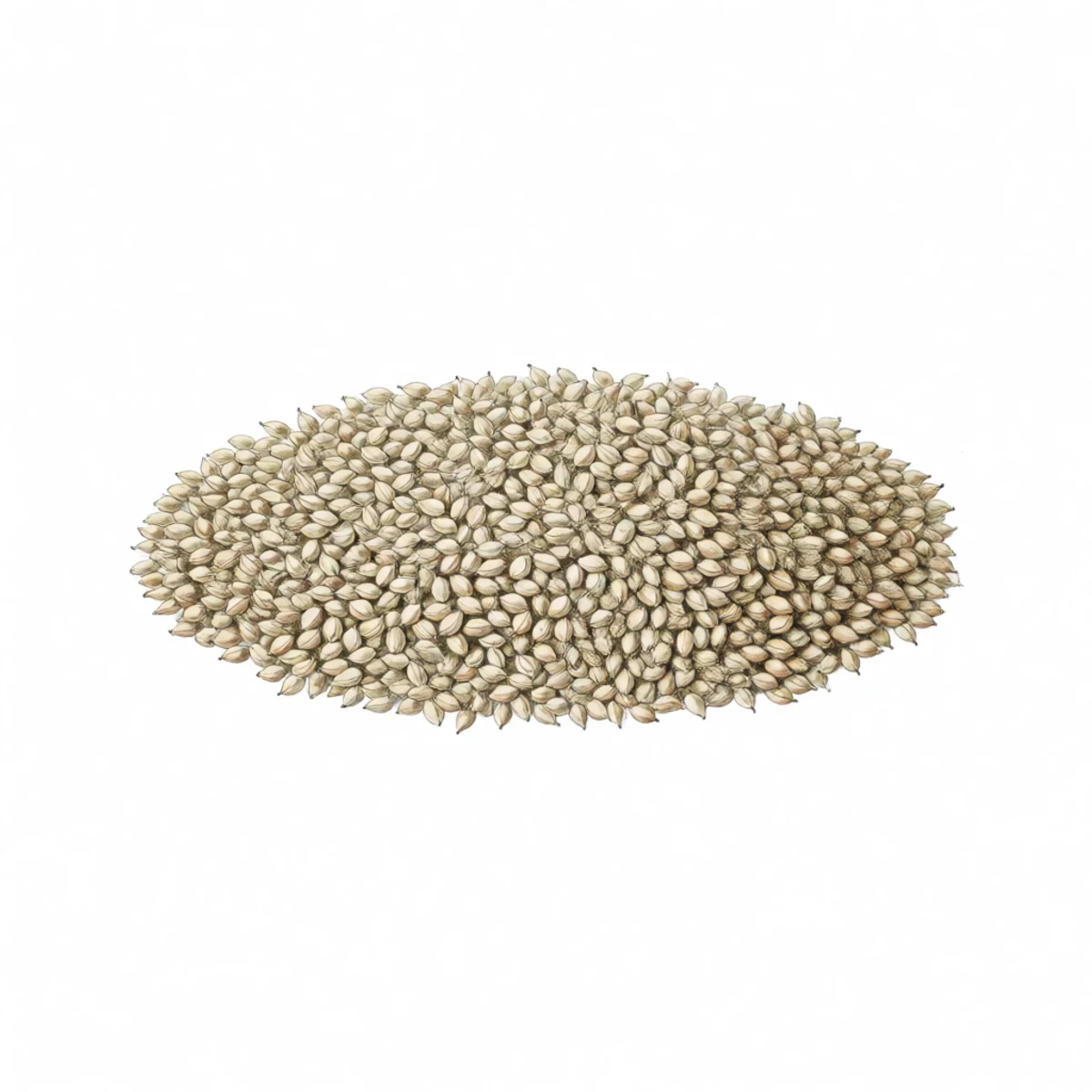
    Watercolour plate of pale pepper seeds spread in a single layer on a plate in airy shade

    Spread the seeds in a single layer on a plate somewhere dry with moving air. Stir them every couple of days. They are done when they snap in half instead of bending. Keep the plump ones and throw away any that are flat and papery, because those were never going to grow.

  4. Step 4 · Labeling and storing

    Write the variety and the year on the envelope

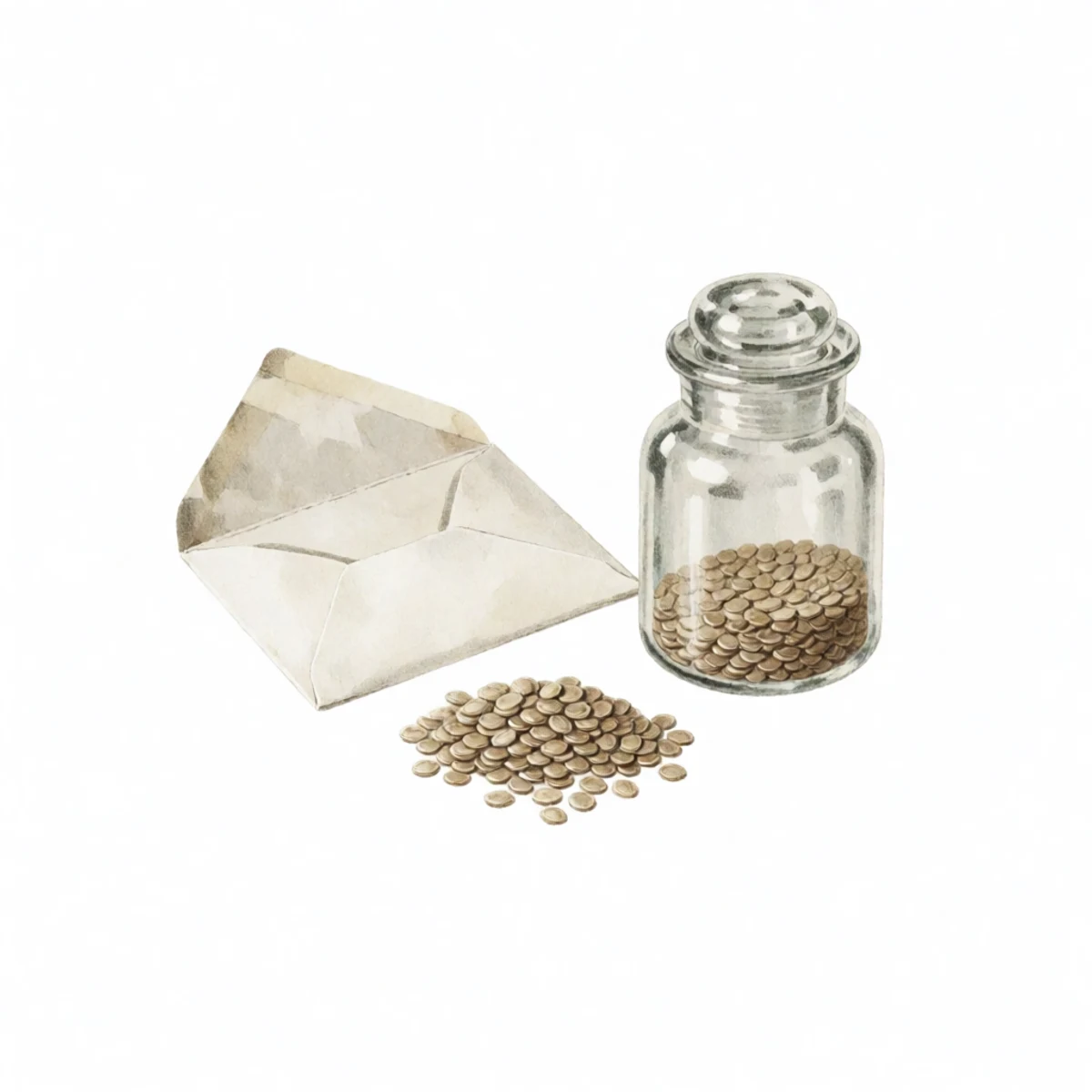
    Watercolour plate of a paper seed envelope labelled with variety and year, seeds beside it and a storage jar behind

    Peppers keep two to four years in a cool dry jar, which is less than tomatoes, so date the envelope and use the oldest first. Grow one hot variety and one sweet variety well apart from each other, or cover a few flowers with a bag, because hot peppers cross with sweet ones often enough to make next year's bell peppers spicy.

Materials needed

As an Amazon Associate, Story Thyme Farms earns from qualifying purchases, at no cost to you. It never changes what we recommend.

Questions we actually get

Can I save seed from a grocery store pepper?
If it is fully red and not a hybrid, sometimes, but most store peppers are hybrids picked cold-stored, so germination is a coin flip and the offspring are a lottery. One packet of a good open-pollinated variety ends the problem forever.
Why did my sweet peppers come out hot this year?
Last year a bee visited your jalapeños first. Crossing does not change the fruit you ate, it changes the seed inside it. Separate hot and sweet by as much garden as you can, or cage a branch for pure seed.
Do superhots and ornamentals save the same way?
Same method, more gloves. Chinense types like habanero ripen slower, wait for full color plus a week, and treat every surface they touch as spicy until washed.
From the plant library

Pepper — the full profile

Zones, cold-hardy cultivars, spacing, feeding, and where to buy one already rooted.

Open the pepper guide →