Field Guide · Seed saving · 7 min read

How to Save Squash Seeds

The seed is ready about a month after the squash is, and squash flowers cross easily with other varieties. Know those two things and you are ahead of most seed savers.

Story Thyme Farms · Bench cardA month after harvest

How to save squash seeds

Cucurbita spp. Curing, removing the seed, and avoiding crosses

DifficultyEasy, with a catch
Cure first3–4+ weeks whole
CrossingRampant within species
ViableUp to 6 years
1WaitingStore the whole squash a month before cutting it
2Removing the seedCut it open, scoop the seeds, keep the fat ones
3WashingRinse them clean, no fermenting needed
4DryingTwo to three weeks on a screen
5Keeping the variety pureKnow which species you have, or hand-pollinate
Materials needed · Colander · Window screen · Seed envelopes · Painter's tape
Written on the farm · Missouristorythymefarms.com/guides/how-to-save-squash-seeds
Prints on one page. The long version below stays on the screen.

The long version

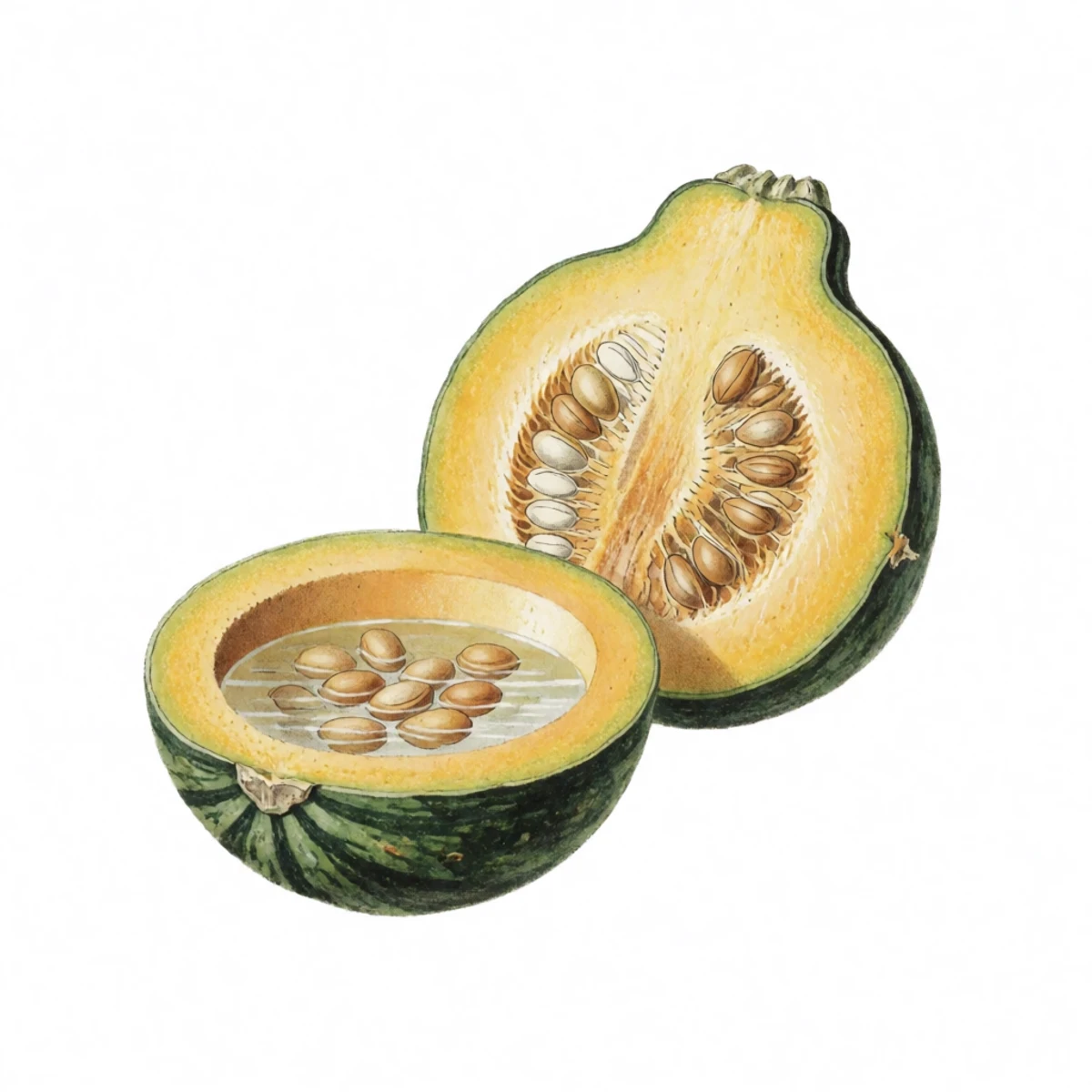
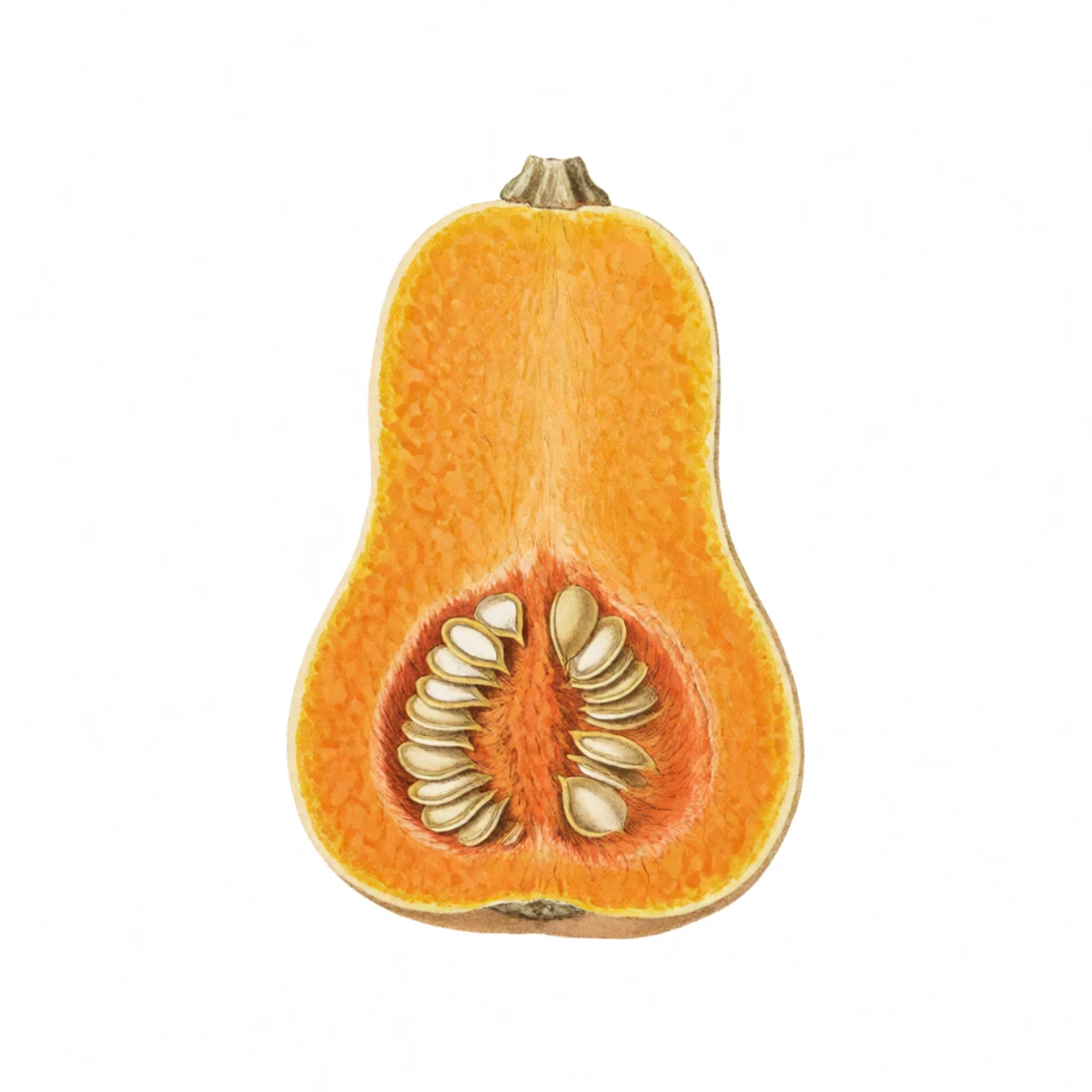
Watercolor plate of squash seeds scooped from a halved butternut
Cucurbita spp · field plate

Saving squash seed has one useful surprise and one trap. The surprise is that the seeds keep maturing inside the stored fruit, so a squash you cut open in November has better seed than it did at harvest. The trap is that bees visit squash flowers constantly, and any two varieties in the same species will cross with each other, so zucchini crosses with pumpkin and acorn crosses with gourds.

  1. Step 1 · Waiting

    Store the whole squash a month before cutting it

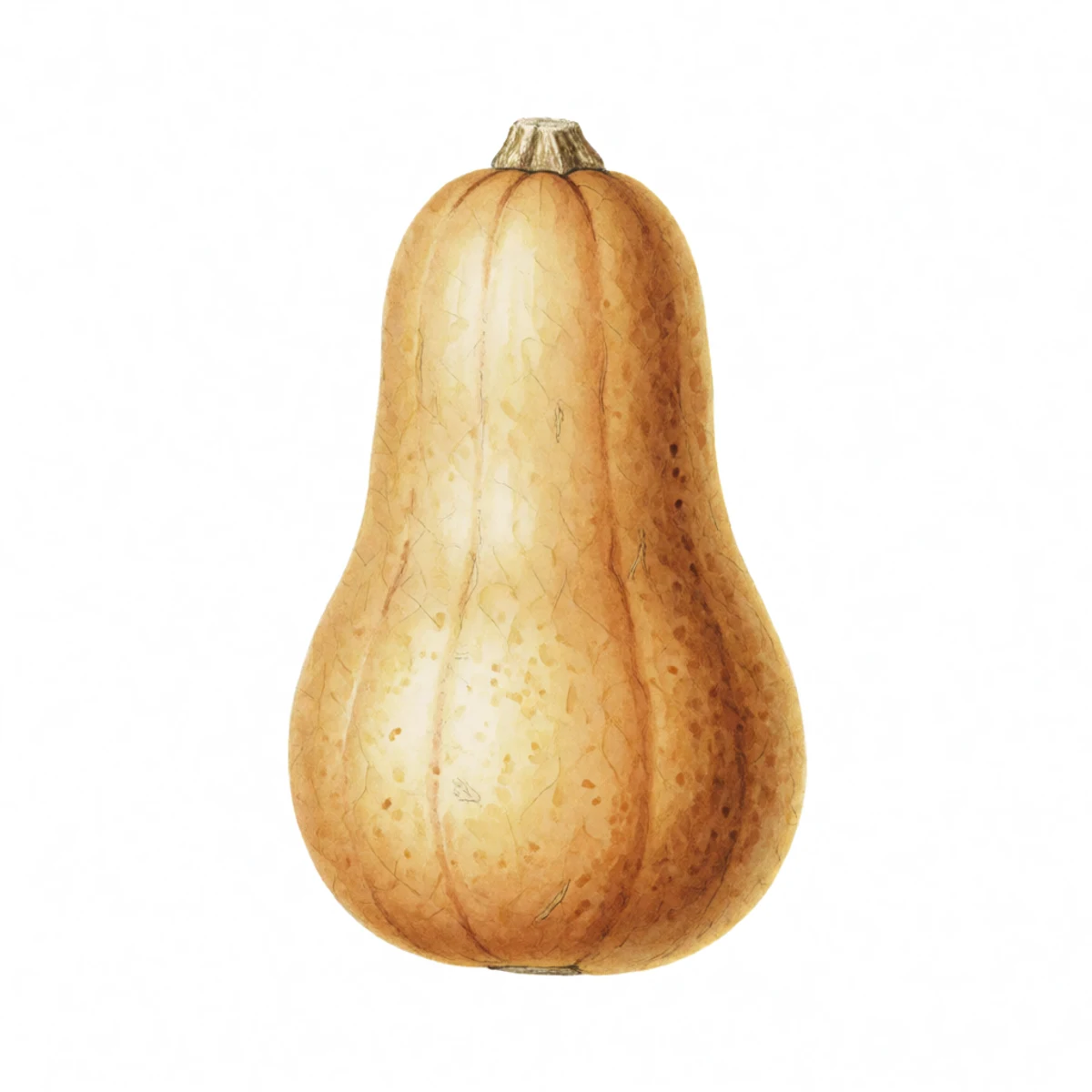
    Watercolour plate of a fully mature butternut squash in storage on a shelf, curing whole for a month before it is cut

    Pick a fully mature fruit from a healthy open-pollinated plant and simply store it for at least three or four weeks after harvest. The seeds finish ripening inside it. Seed taken out at Thanksgiving is better than seed taken out on harvest day, and this is the step most people skip.

  2. Step 2 · Removing the seed

    Cut it open, scoop the seeds, keep the fat ones

    Watercolour plate of a squash halved with the seed mass being scooped into a bowl of water, fat seeds separating from the stringy pulp

    Cut the squash up for dinner as normal and set the seed mass aside. Work the seeds free of the stringy pulp in a bowl of water. Good seeds feel dense and sink, while flat papery ones fold when you press them with a fingernail and should be thrown out.

  3. Step 3 · Washing

    Rinse them clean, no fermenting needed

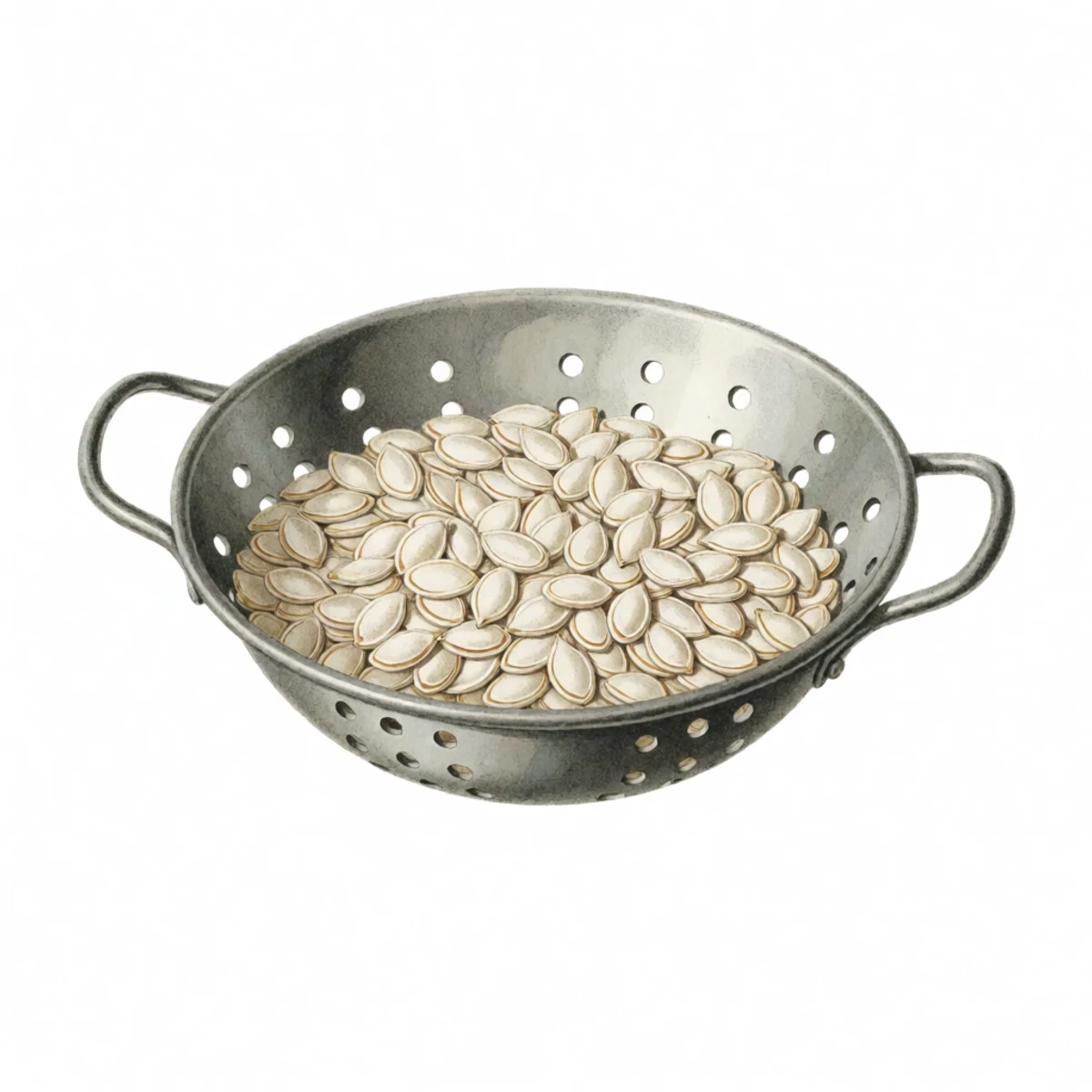
    Watercolour plate of squash seeds being rubbed clean in a colander under running water

    Rub the seeds clean in a colander under running water until they no longer feel slippery. Unlike tomato seeds, squash seeds do not need fermenting, although leaving them in water a day or two until you can get to them does no harm.

  4. Step 4 · Drying

    Two to three weeks on a screen

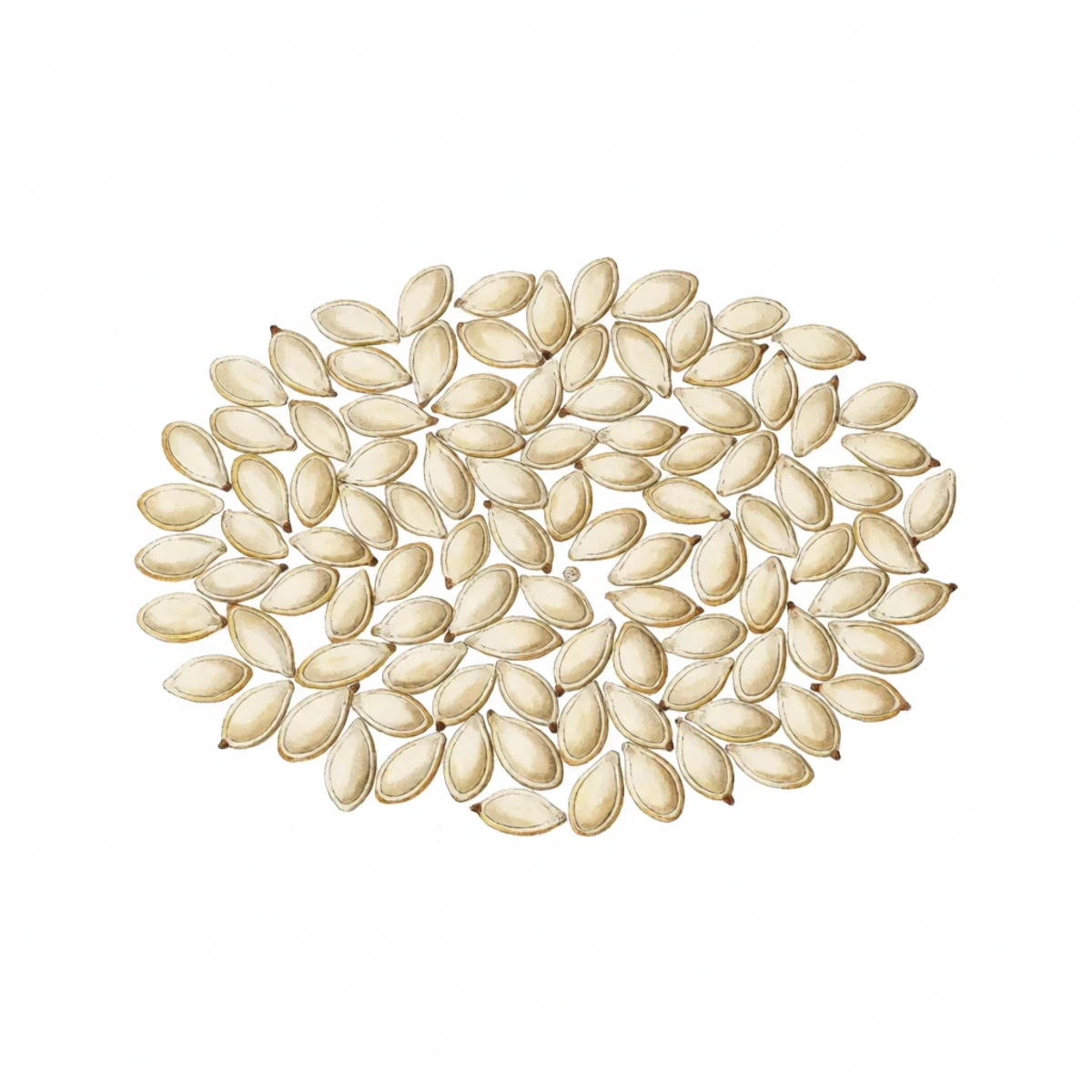
    Watercolour plate of clean squash seeds drying in a single layer on a wooden window screen

    Spread them in a single layer on a window screen or a plate somewhere with moving air, stirring every few days, for two to three weeks. A dry squash seed snaps in half. Stored somewhere cool and dark they stay viable for up to six years, so one good squash covers half a decade.

  5. Step 5 · Keeping the variety pure

    Know which species you have, or hand-pollinate

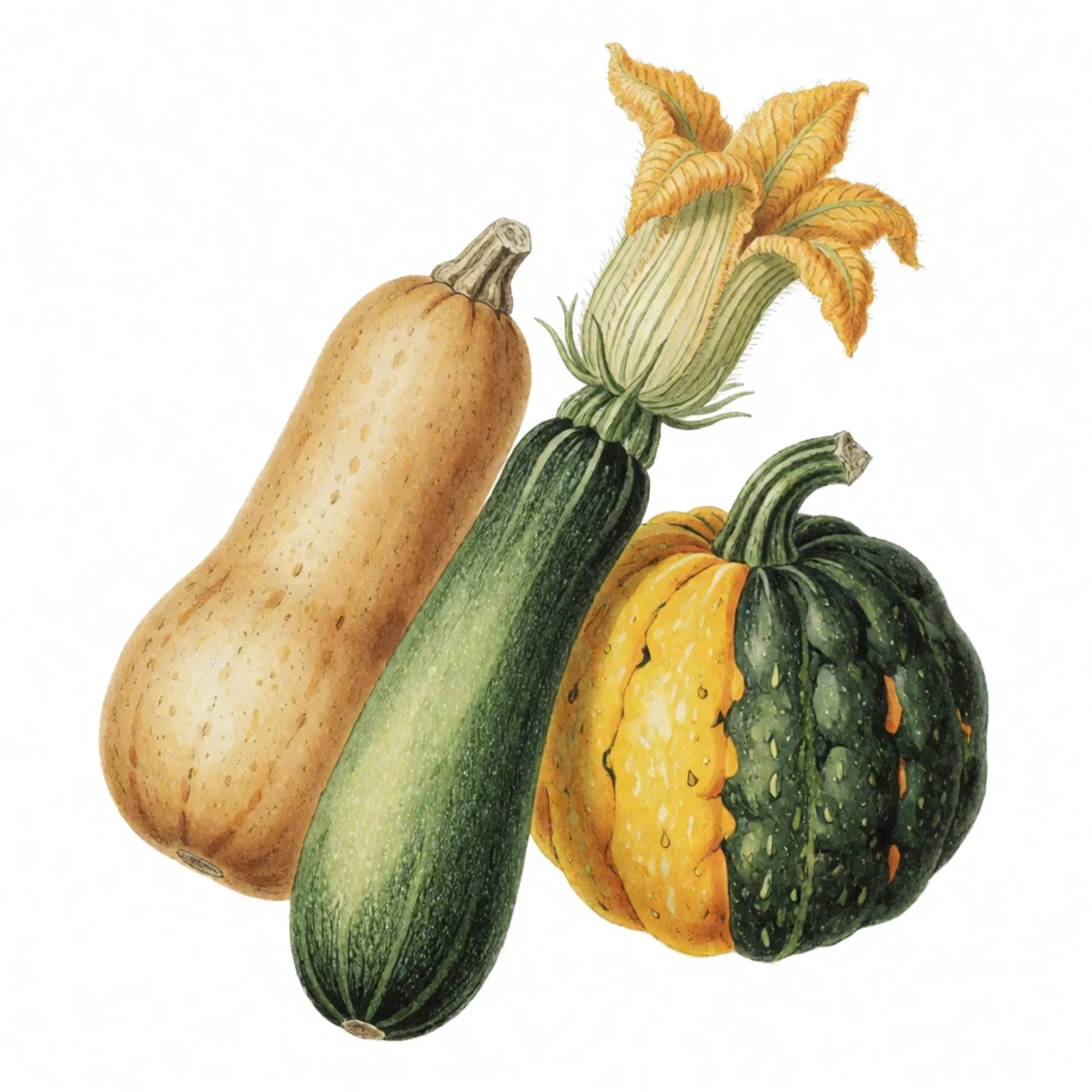
    Watercolour plate of three squash of different species shown together - a butternut, a zucchini and a hubbard - with a female flower taped shut for isolation

    Squash only cross within their own species. Butternut is Cucurbita moschata, zucchini and acorn are C. pepo, and large hubbards are C. maxima. If you grow only one variety from each species, your seed will stay true even with everything in one garden. If you want to grow two C. pepo varieties side by side, hand-pollinate instead: tape a female flower shut the night before it opens, dab it with pollen from a male flower at dawn, tape it shut again, and mark that fruit as the one you will save seed from.

Materials needed

As an Amazon Associate, Story Thyme Farms earns from qualifying purchases, at no cost to you. It never changes what we recommend.

Questions we actually get

My saved zucchini seed grew warty gourd-monsters. What happened?
A bee married your zucchini to something last summer, both pepos. The fruit you ate was normal, the cross hides in the seed. Grow one pepo for seed, or hand-pollinate. And never eat a squash from volunteer seed that tastes bitter, that bitterness can be genuinely toxic.
Can I save seed from a store butternut?
Often, butternuts are frequently open-pollinated and moschata rarely has cross partners nearby. Cure it a month, scoop, dry. Worst case you grew a mystery, moschata mysteries are usually still good eating.
How many plants do I need for healthy seed?
Squash tolerate a small pool, but seed from a single plant runs down over generations. Save from several plants of the variety when you can, and mix the seed.
From the plant library

Winter Squash — the full profile

Zones, cold-hardy cultivars, spacing, feeding, and where to buy one already rooted.

Open the winter squash guide →