Field Guide · Seed saving · 7 min read

How to Save Tomato Seeds by Fermenting

Three days in their own juice removes the coating that stops the seeds sprouting, and leaves you with a lifetime supply of your best tomato.

Story Thyme Farms · Bench cardPeak harvest

How to save tomato seeds

Solanum lycopersicum. The fermentation method

DifficultyEasy, smelly
Ferment2–3 days, no more
Dry1–2 weeks
Viable4–6 years
1Choosing the fruitSave seed from your best, fully ripe heirloom
2Squeezing out the seedsPut the seeds, gel and juice in a jar
3FermentingTwo to three days at room temperature
4RinsingPour off the pulp and keep the seeds that sink
5DryingOne to two weeks on a plate, never on paper towel
Materials needed · Half-pint jars · Fine mesh strainer · Coffee filters · Seed envelopes
Written on the farm · Missouristorythymefarms.com/guides/how-to-save-tomato-seeds
Prints on one page. The long version below stays on the screen.

The long version

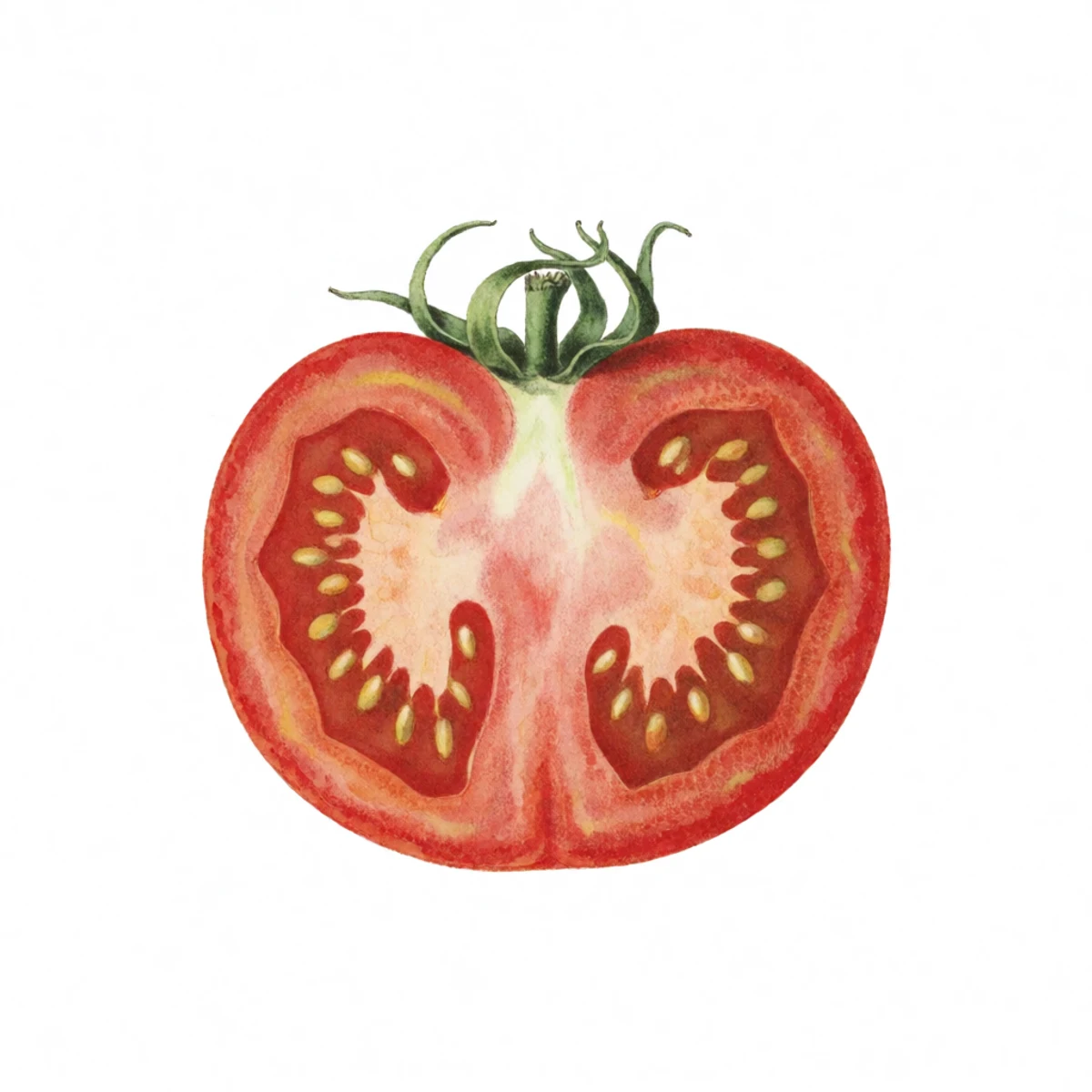
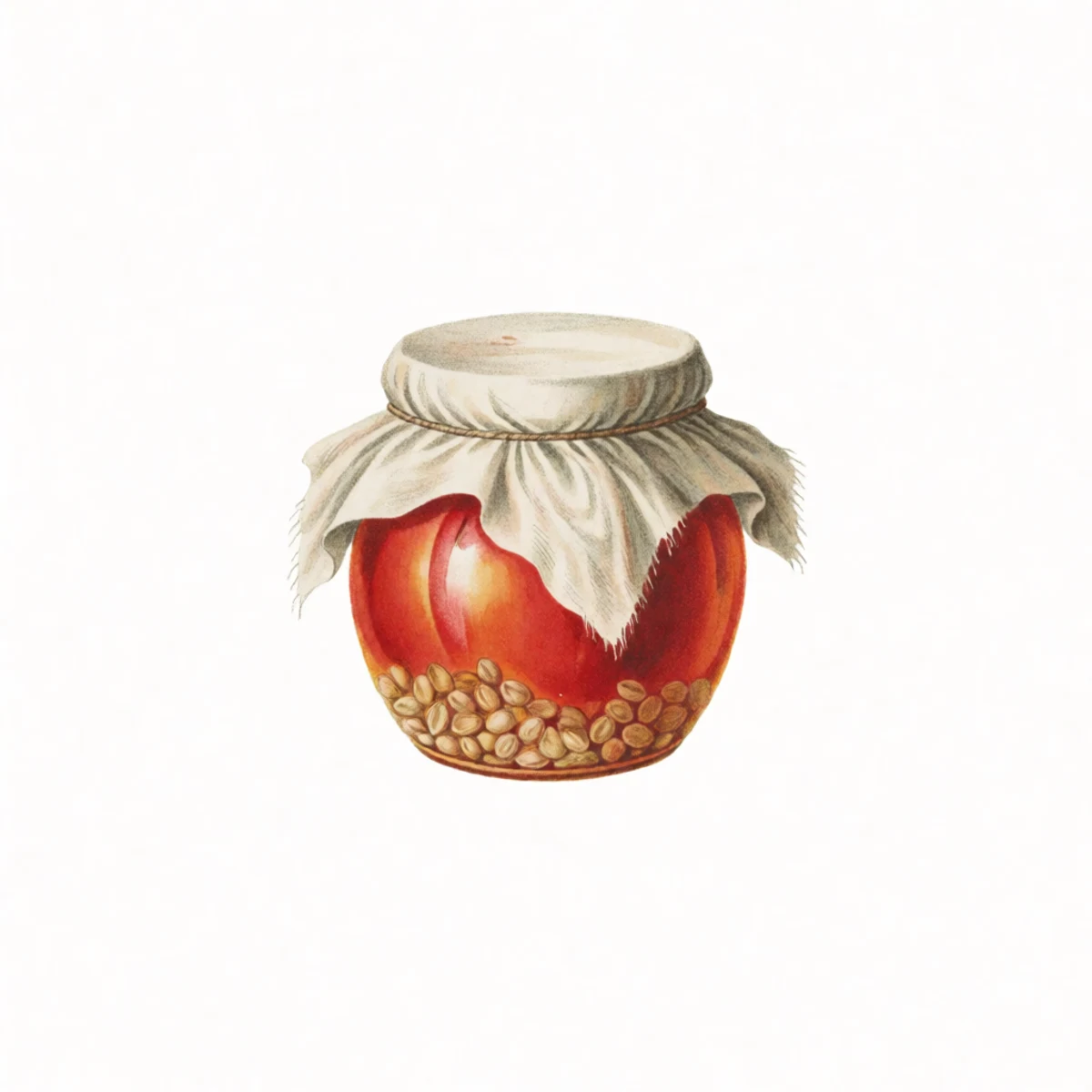
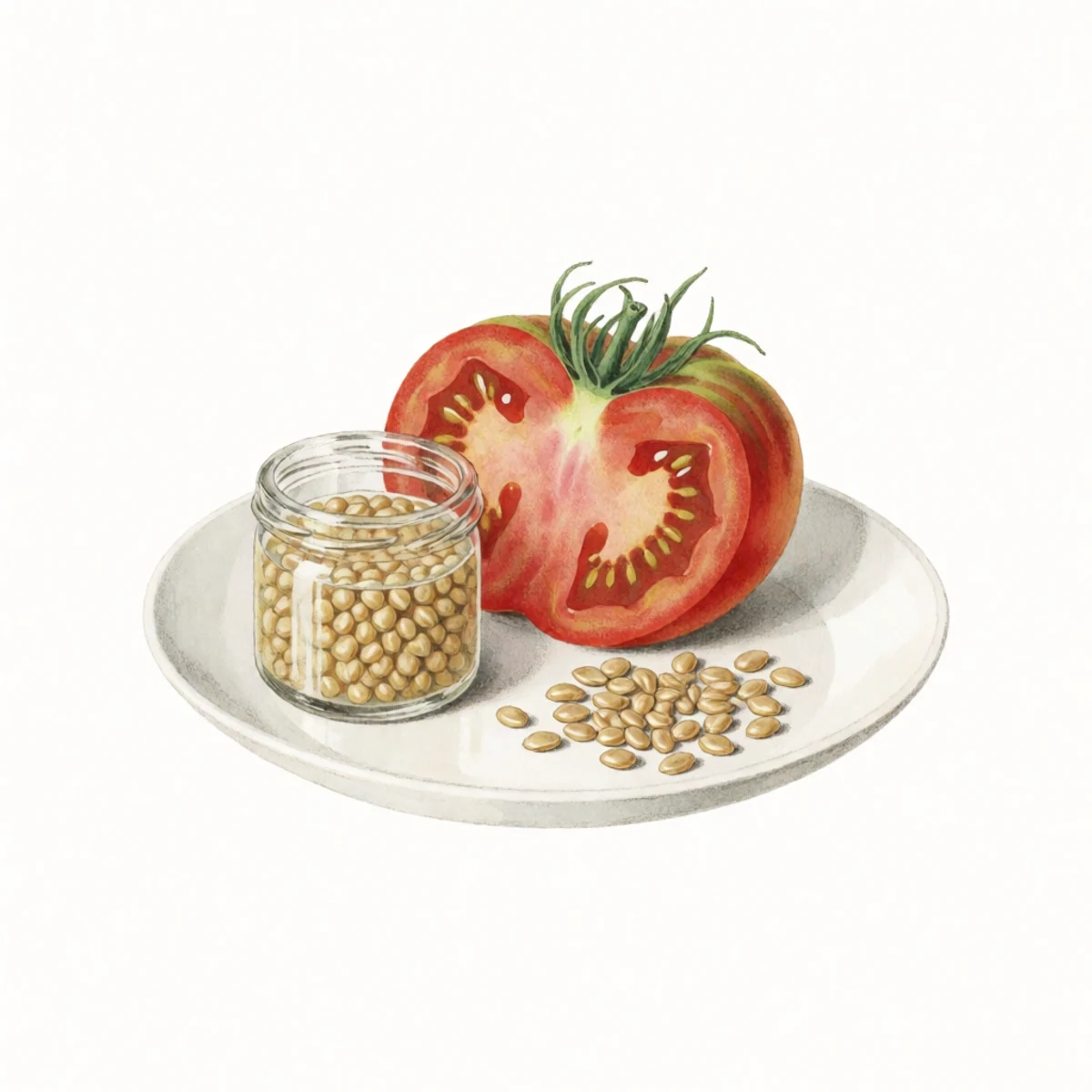
Watercolor plate of a halved tomato, a jar of fermenting pulp, and dried seeds
Solanum lycopersicum · field plate

Every tomato seed is wrapped in a gel coating that prevents it from sprouting straight away. In nature, a winter on the ground rots that coating off. In the kitchen, a short fermentation does the same job in three days, and kills several seed-borne diseases at the same time. One good tomato produces more seed than a family would plant in five years.

  1. Step 1 · Choosing the fruit

    Save seed from your best, fully ripe heirloom

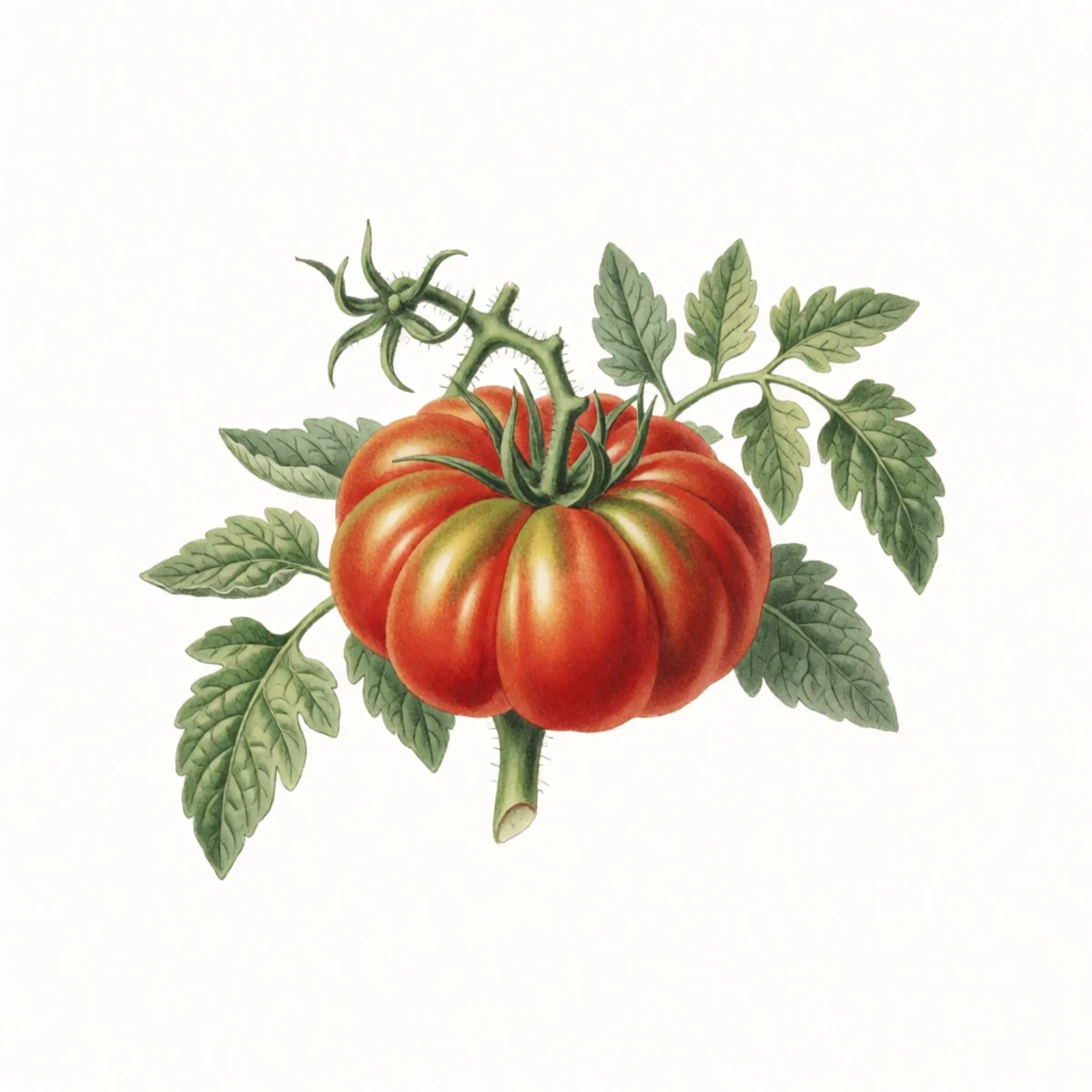
    Watercolour plate of a dead-ripe heirloom tomato with deep ribbing on the vine, chosen as the seed fruit, healthy foliage around it

    Pick the fruit you wish every plant had produced, fully ripe, from your healthiest open-pollinated or heirloom plant. Seeds from hybrids will sprout, but the plants they produce vary unpredictably, so save those out of curiosity rather than for your main crop. Tomatoes mostly pollinate themselves, so growing one variety at a time keeps the seed true without any extra effort.

  2. Step 2 · Squeezing out the seeds

    Put the seeds, gel and juice in a jar

    Watercolour plate of a tomato halved across its equator with seeds and gel being squeezed into a labelled glass jar

    Cut the fruit in half across the middle and squeeze the seeds, gel and juice into a labeled jar. Add a splash of water if the pulp is very thick. The rest of the tomato can go to the kitchen, since only the wet seeds need to ferment.

  3. Step 3 · Fermenting

    Two to three days at room temperature

    Watercolour plate of a jar of fermenting tomato seeds covered with a cloth, a film of white mould on the surface

    Cover the jar with a cloth and leave it at room temperature, swirling it once a day. A sour smell and a film of white mold on top mean it is working. Stop at two to three days, when bubbles are rising and most of the seeds have sunk to the bottom. Fermenting longer than that starts to kill the seeds.

  4. Step 4 · Rinsing

    Pour off the pulp and keep the seeds that sink

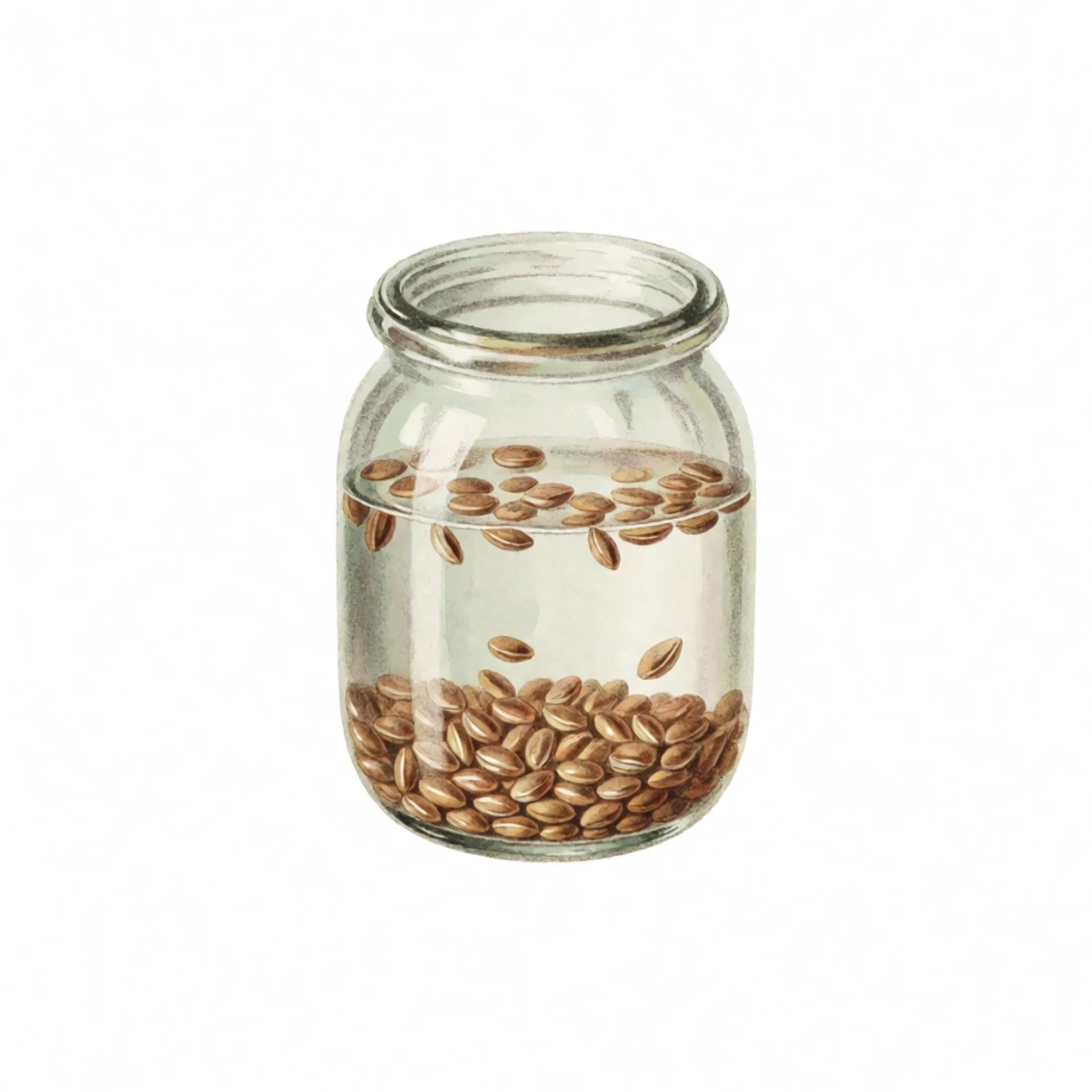
    Watercolour plate of tomato seeds being rinsed in a jar, clean seeds sinking while pulp and hollow seeds pour off with the water

    Add water, stir hard, and pour off the mold, pulp and any seeds floating on top. Repeat until the water runs clear and a layer of clean seed is sitting on the bottom. It takes about two minutes.

  5. Step 5 · Drying

    One to two weeks on a plate, never on paper towel

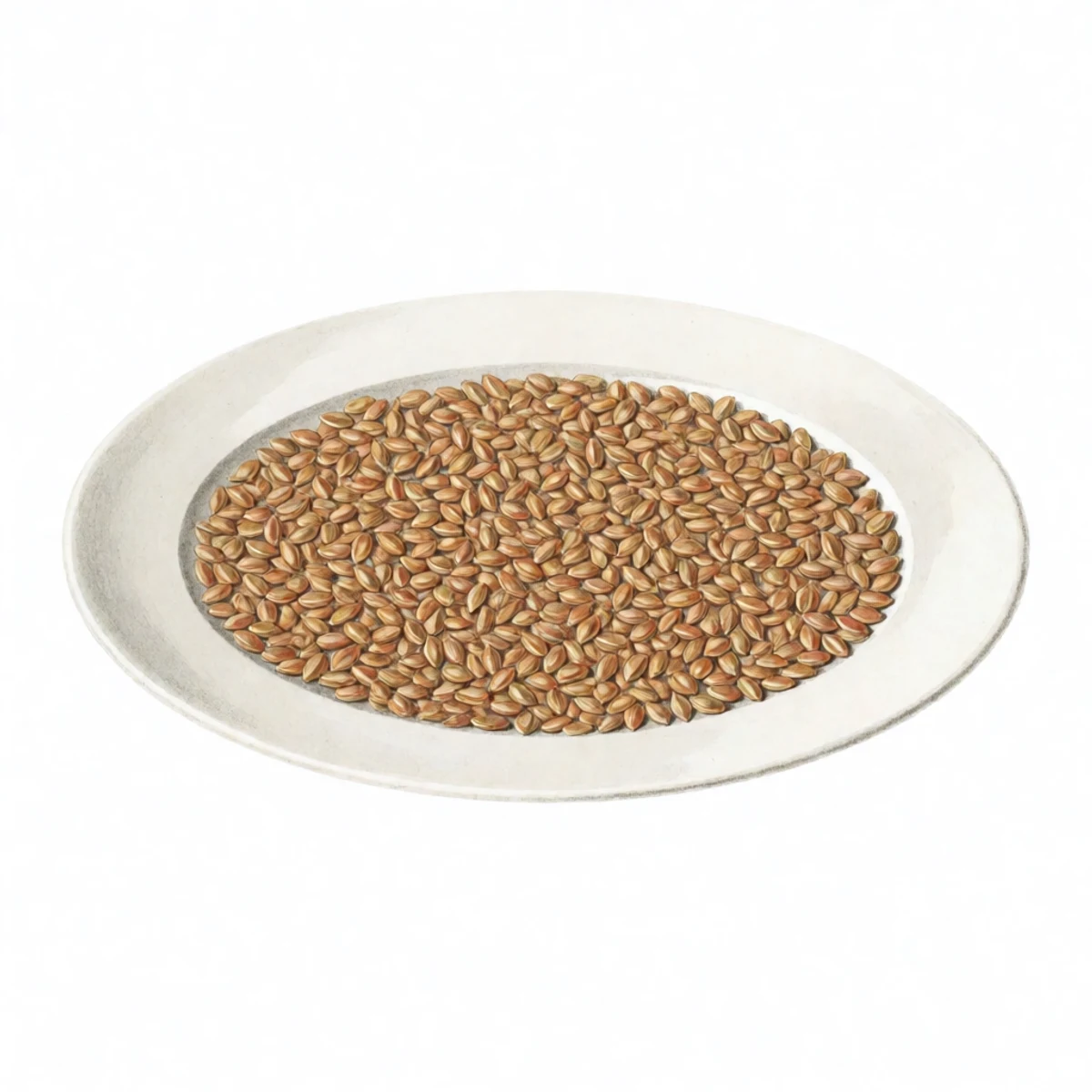
    Watercolour plate of clean tomato seeds spread in a single layer on a white ceramic plate to dry

    Spread the seeds on a ceramic plate or a coffee filter and dry them for one to two weeks out of the sun, stirring every day or two so they do not clump. Do not use paper towel, because the seeds stick to it permanently. They are dry when they snap instead of bending. Stored in a labeled jar, they germinate well for four to six years and often longer.

Materials needed

As an Amazon Associate, Story Thyme Farms earns from qualifying purchases, at no cost to you. It never changes what we recommend.

Questions we actually get

Do I really have to ferment? The internet says paper towels work.
Squeeze-and-dry works for next season. Fermenting works better for the long haul: cleaner seed, higher germination in old age, and it kills bacterial canker and other passengers. For a variety you care about, spend the three days.
Will seeds from one plant cross with my other tomatoes?
Rarely. Tomato flowers usually pollinate themselves before opening. Keep varieties a few plants apart and your seed stays essentially pure, only potato-leaf and double blossoms outcross enough to notice.
How do I know old saved seed is still good?
Ten seeds on a damp paper towel in a warm zip bag. Count sprouts at a week. Eight up means sow normally, four means sow thick, none means the compost inherits the jar.
From the plant library

Tomato — the full profile

Zones, cold-hardy cultivars, spacing, feeding, and where to buy one already rooted.

Open the tomato guide →