Field Guide · Harvest · 5 min read

When to Pick Figs

A fig will not ripen after you pick it, so picking at the right moment is everything. The fruit gives you three signs.

Story Thyme Farms · Bench cardAug–Oct here

When to pick figs

Ficus carica. Reading the droop, the softness and the nectar drop

DifficultyEasy to learn
RuleNo ripening off tree
Ripe signNeck droops, fruit sags
Keeps2–4 days
1How it hangsRipe figs hang down
2How it feelsSoft like a water balloon, with skin close to splitting
3Picking themLift and snap it off, keeping the stem attached
4How long they keepTwo to four days, then make preserves
Materials needed · Shallow harvest trays · Garden snips · Dehydrator
Written on the farm · Missouristorythymefarms.com/guides/when-to-pick-figs
Prints on one page. The long version below stays on the screen.

How to root fig cuttings How to root fig cuttings in sand

The long version

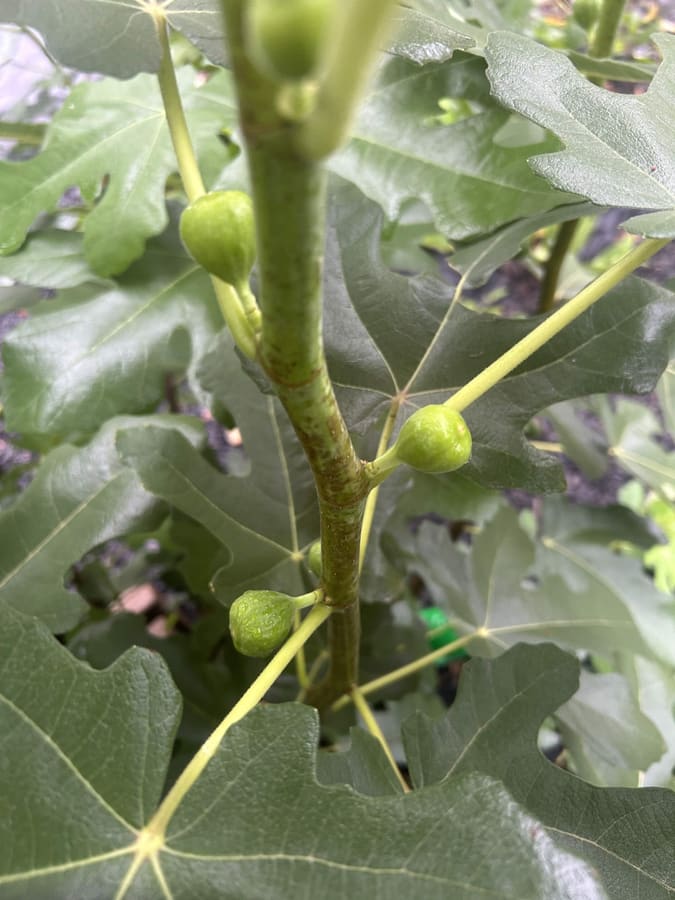
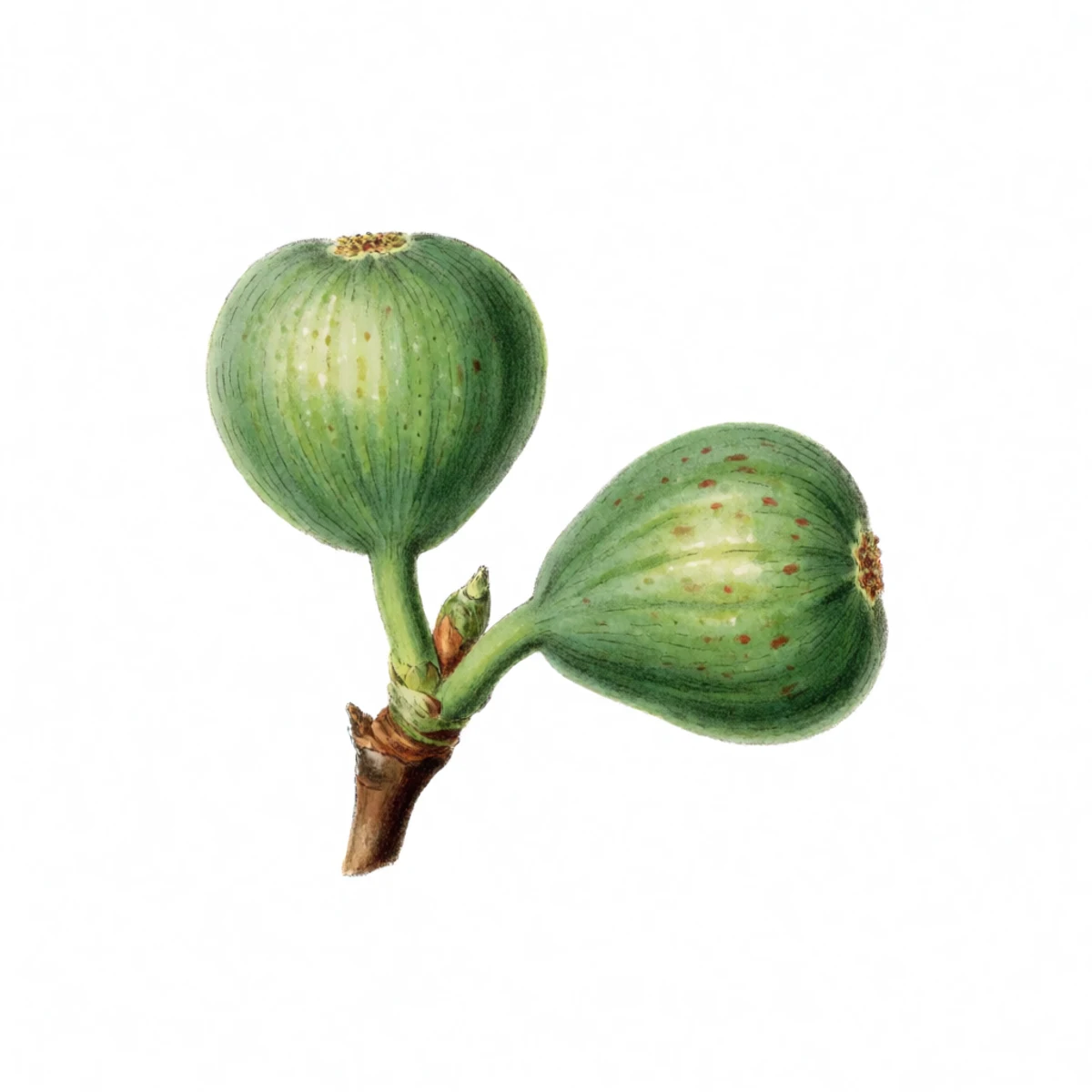
Figs ripening on the tree at the farm
On the farm · Missouri

Figs are unforgiving about timing, because a fig is exactly as sweet as it was the moment you picked it and will never get sweeter. The good news is that a ripe fig is easy to spot. Once you learn to recognize the droop, you will not pick a hard fig again.

  1. Step 1 · How it hangs

    Ripe figs hang down

    Watercolour plate of two figs on one branch, one unripe standing stiff and horizontal, one ripe with a softened neck bowing downward

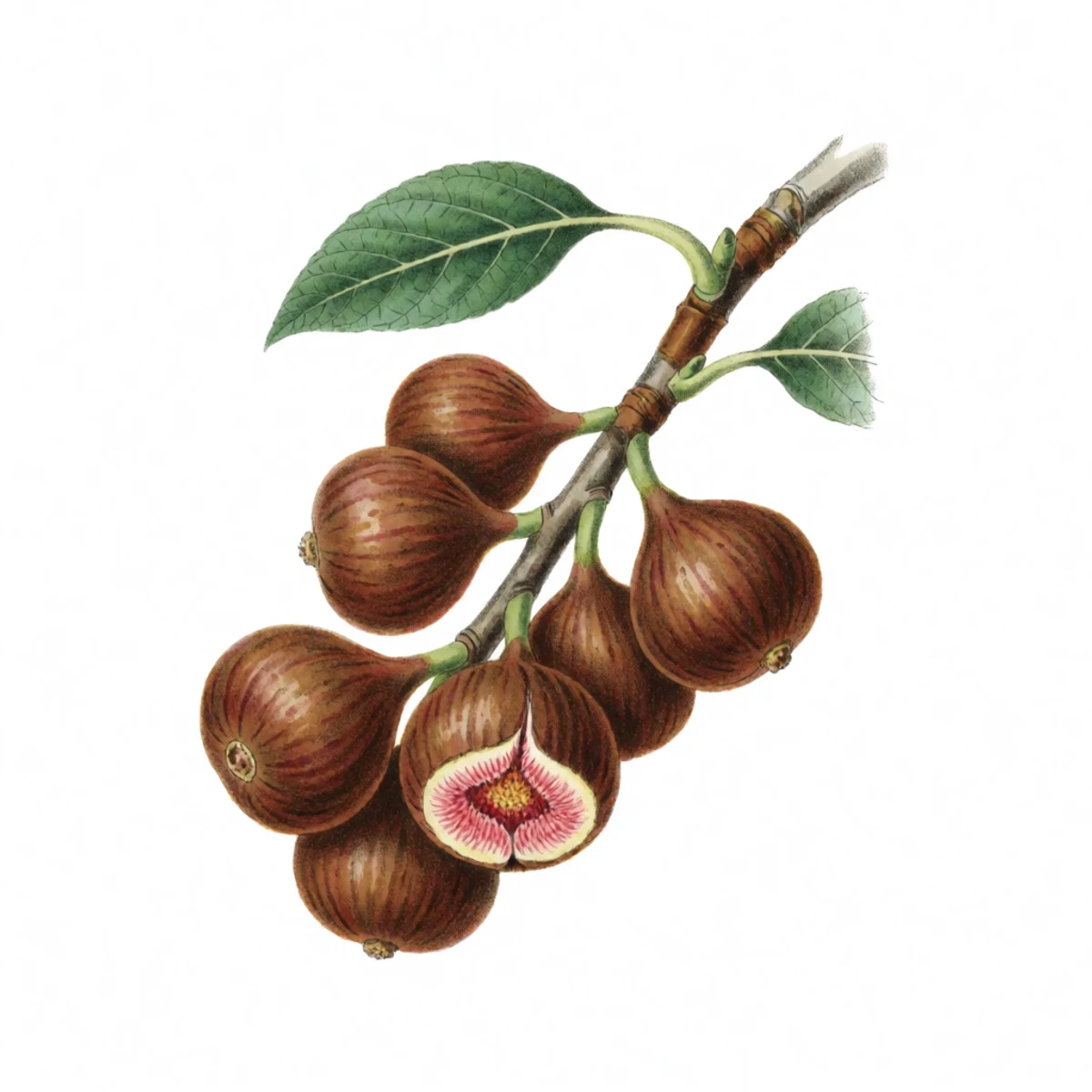
    An unripe fig sticks straight out from the branch. As it ripens the neck softens and the fruit bends over until it hangs down. That bend at the neck is the most reliable sign, and you can see it from ten feet away.

  2. Step 2 · How it feels

    Soft like a water balloon, with skin close to splitting

    Watercolour plate of a ripe fig cradled in a hand, skin showing fine stretch cracks, soft with no firmness left

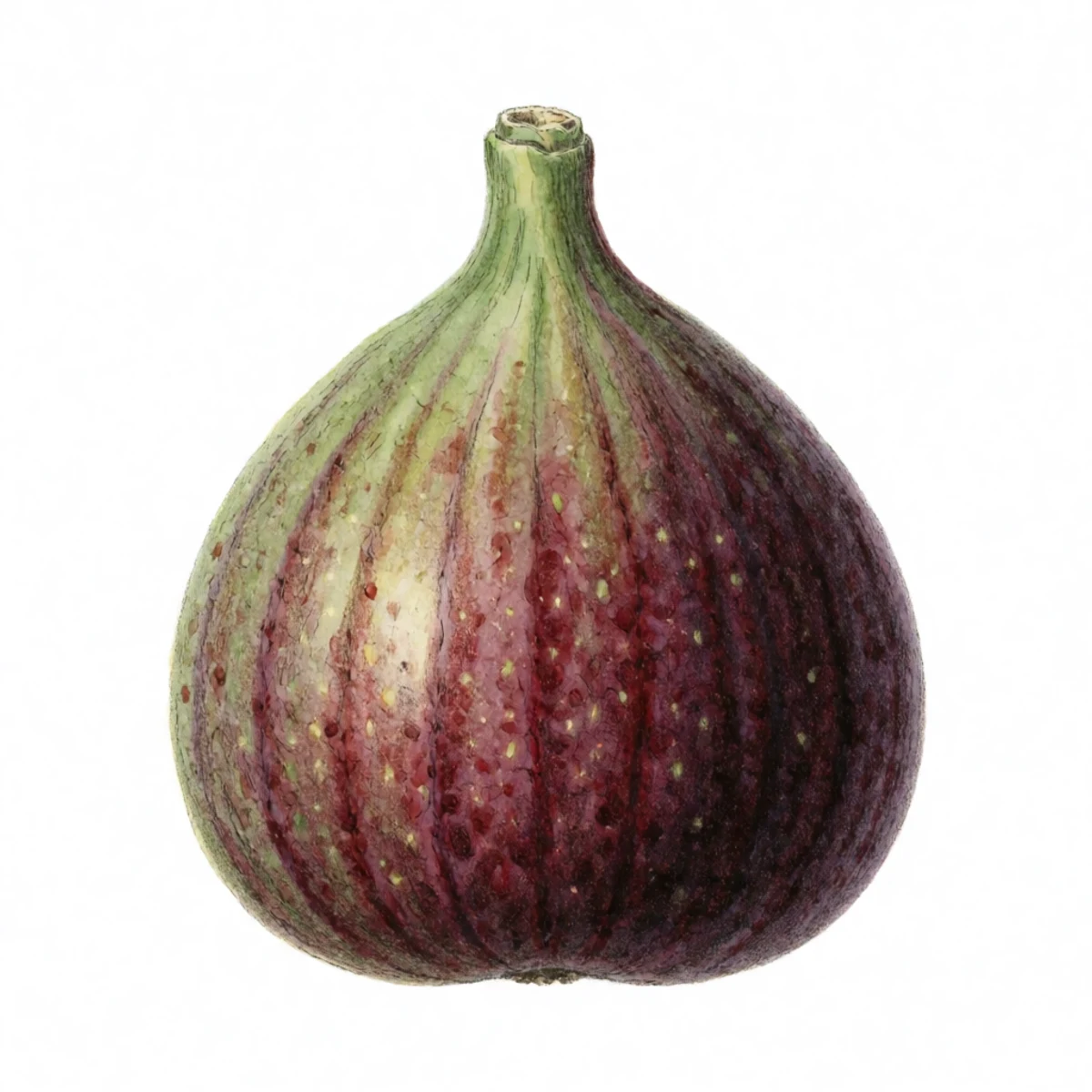
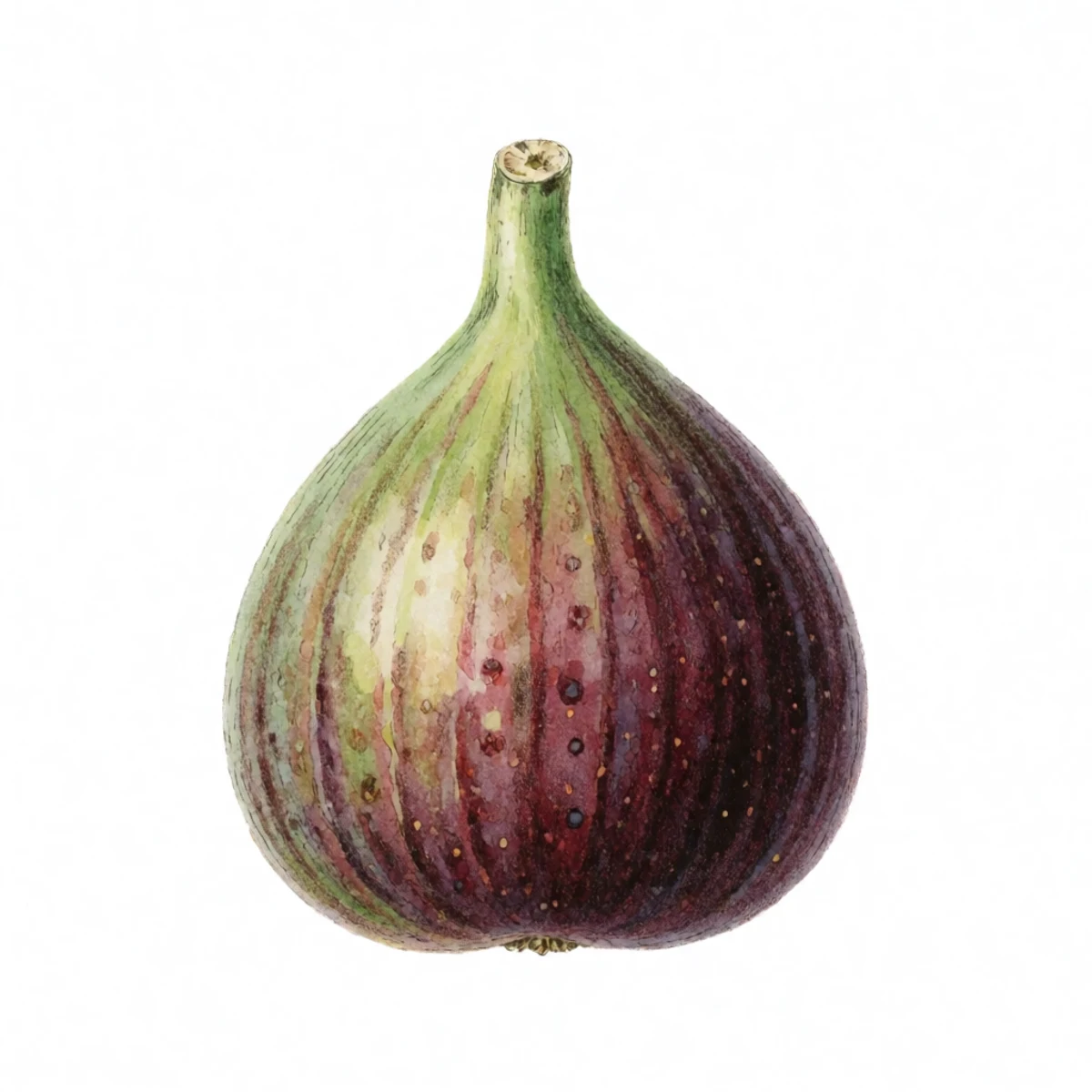
    Hold the fruit gently. A ripe fig gives softly with no firmness left in the middle, and the skin may show fine stretch cracks. Many varieties deepen in color, and some produce a bead of nectar at the base. A drop of nectar hanging from the bottom of the fruit means it is ready now.

  3. Step 3 · Picking them

    Lift and snap it off, keeping the stem attached

    Watercolour plate of a ripe fig being tipped up against its droop and snapping cleanly from the branch with a short stem attached

    Tip the fig upward, against the direction it is hanging, and it will separate cleanly at the stem. Leave a bit of stem attached to the fruit, and wear long sleeves, because fig sap on skin reacts with sunlight and can raise real blisters a day later. A ripe fig bruises under its own weight, so lay them one layer deep and never pile them up.

  4. Step 4 · How long they keep

    Two to four days, then make preserves

    Fresh figs keep two to four days in the refrigerator. Leave them unwashed until you eat them. During the season, check the tree every day, because ripe figs left hanging will split, turn sour, and draw wasps. When they come in faster than you can eat them, halve and freeze them, dry them, or make jam the same day.

Materials needed

As an Amazon Associate, Story Thyme Farms earns from qualifying purchases, at no cost to you. It never changes what we recommend.

Questions we actually get

My fig tree is full of hard green figs in October. Will they ripen?
Not once real cold arrives, and never indoors. In short-season zones like ours, late figs that formed too close to fall simply run out of summer. Pinching growing tips in early summer pushes the crop earlier next year.
Why do my figs split open on the tree?
A rain surge right at peak ripeness pumps the fruit past what the skin can hold. Split figs are fine eaten that day. Steadier soil moisture and mulch reduce it.
Do figs ripen at the same time?
No, a fig tree trickles ripe fruit for weeks, a handful a day at the peak. That is why the daily walk-by matters more than any calendar date.
From the plant library

Common Fig — the full profile

Zones, cold-hardy cultivars, spacing, feeding, and where to buy one already rooted.

Open the common fig guide →