The illustrated growing guide

Jerusalem Artichoke

Helianthus tuberosus

Family Asteraceae

Est. zones 3-9

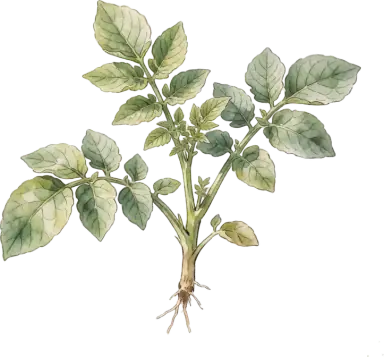
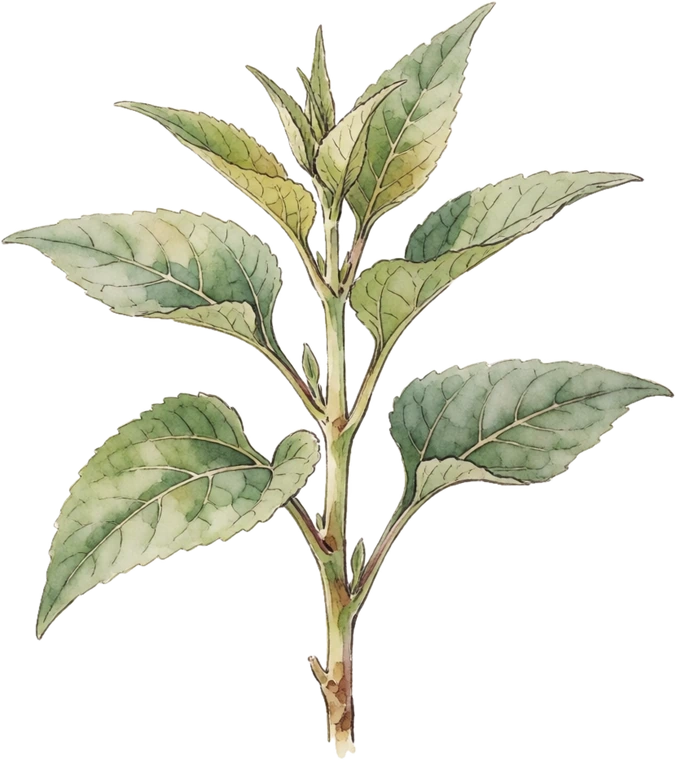
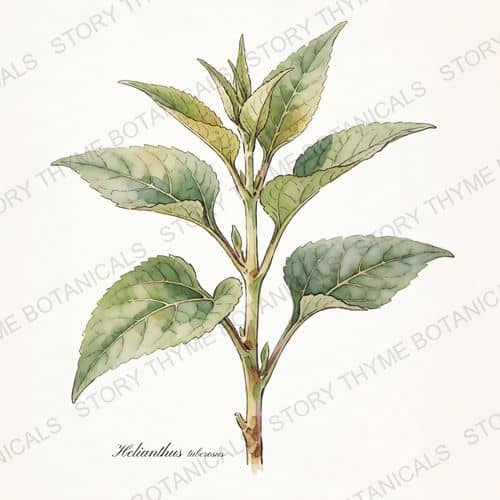
Botanical illustration of Jerusalem Artichoke
Perennial · Helianthus tuberosus

More invasive than mint — every missed tuber is next year's plant. Give it a permanent patch or mow escapes. Inulin carb (diabetic-friendly, famously gassy until you adapt). Windbreak + late bee forage + food security crop in one.

Perennial · NativeFull SunLow waterVery Fast growthNative to North AmericaExcellent edibleAttracts bees

⚠ Spreads aggressivelyJerusalem Artichoke spreads vigorously and regrows from bits of root, so it's very hard to fully remove once established — give it a contained bed or a spot where it can roam freely, and edge it every year.

Where to buy the plant — 1 nursery

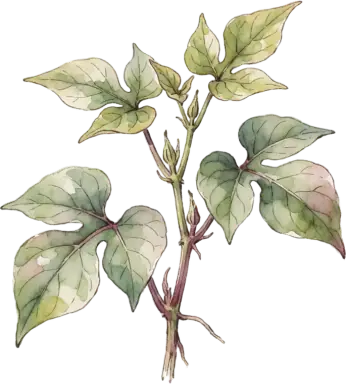
Sunchoke — a print from the Roots & Alliums collection

From the print shop

The closest print we make

Our Roots & Alliums collection carries Helianthus tuberosus — the same species as jerusalem artichoke — but the print shows “Sunchoke,” a different cultivar of it, not jerusalem artichoke itself.

16 designsfrom $21.99white or black groundmatte poster, unframed

Shop Roots & Alliums botanical prints →

I

Overview

Will jerusalem artichoke suit your garden, and what goes wrong.

Will it fruit where you are?

Enter your ZIP — we look up your USDA hardiness zone (2023 map) and check it against what jerusalem artichoke actually needs.

Hardy inZones 3-9

Jerusalem Artichoke at a glance

HardinessUSDA 3–9
Mature size6-10 ft
PollinationNone (tubers)
Chill requirementNot yet established
Bloom seasonSeptember - October (small sunflowers)
Harvest seasonOctober - March, sweetest after frost, dig as needed
Growth rateVery Fast

Common jerusalem artichoke problems

  • None significant
  • None significant

II

Growing

Light, water, soil, propagation and the season’s jobs.

How to grow jerusalem artichoke: light, water & soil

LightFull Sun
WaterLow — a native sunflower that shrugs off drought
SoilAny except waterlogged · pH 5.8 - 7.0
FertilizerNone. Thrives on neglect.
PruningCut stalks after frost — None.
Spacing18 inches

How to plant & propagate jerusalem artichoke

PropagateDivision or seed

The jerusalem artichoke growing playbook

Field-tested instructions for every job jerusalem artichoke asks of you, compiled from university extension guidance — in the order the season brings them.

Sowing

Plant sunchoke tubers once the soil warms

Plant tubers about 6 inches deep and 2 to 3 feet apart once soil temperature reaches 6-7 C (mid 40s F). Whole tubers are the safest choice; if you cut them, do not let the pieces dry out before they go in the ground. Sunchokes need roughly 125 days of growth plus a cool autumn to bulk up tubers, so they want to be in the ground early, but a tuber pushed into cold wet soil rots before it ever sprouts.

Sunchoke spreads by rhizome and any fragment left behind sprouts the following spring, so choose a spot you are willing to keep in sunchokes for years, or plant into a container or lined barrel.

Watering

Keep sunchokes evenly watered through summer

Water consistently across the summer, and deeply about once a week for plants in containers. Mulch to hold moisture, and keep them out of ground that puddles. Tubers are built late in the season out of everything the plant photosynthesizes all summer, so a drought-checked plant sets small knobby tubers - while standing water rots them instead.

Feeding

Feed for yield, or skip it on rich ground

On average or light soil, apply a balanced NPK fertilizer such as 20-20-20 monthly through the growing season, and watch for yellowing or stunting as a cue you are short. On rich garden soil, sunchokes crop well with nothing at all. Ohio State reports higher tuber yields from regular balanced feeding, while UC extension finds no fertilizer necessary - the difference is your soil, not the plant, so let the soil decide.

What to watch for

Scout for white mold at the base of the stems

Check stem bases and lower leaves for wilting that runs from the top down and hooks the growing tip into a shepherd's crook, for dense white cottony mycelium at the soil line and on roots, and for hard black bb-sized sclerotia with white interiors. Pull infected plants whole and get them off the site - do not compost them. Sclerotinia sclerotiorum is the major disease of sunchoke, and its sclerotia survive for years in soil and ride along on tubers into storage. There is little varietal resistance to fall back on, so finding it early is most of the control.

Few pesticides are labeled for Jerusalem artichoke. The biological control Coniothyrium minitans is the option with support behind it, and it works only alongside weeding, canopy reduction, and volunteer removal - not instead of them.

Protection

Clear volunteers, and rest the ground if white mold showed up

Once you have finished digging, work back through the bed and lift every tuber fragment you can find, then pull volunteers as they sprout the next spring. If white mold appeared during the season, rotate that ground into a grass-family crop such as maize for at least three years before you plant sunchokes there again. Sclerotia persist in the soil for years and the fungus attacks a huge range of broadleaf hosts, so only a long rotation into a non-host starves it out. Volunteer sunchokes keep the host alive through the rotation and quietly undo it.

Harvesting

Dig sunchokes after the first hard frost

Wait until frost has knocked the tops down and the plant dies back, cut the stems back to roughly 8 inches so you can find the crowns, then dig only as many as you need at a time. Leave the rest in the ground and keep digging through winter into March. Frost is what makes this crop worth eating - cold shifts the stored inulin and the tubers sweeten. Dug tubers have paper-thin skins and shrivel within about three weeks in the fridge, so undug ground is the best root cellar you have.

III

The year

What jerusalem artichoke asks for, month by month.

The jerusalem artichoke year, month by month

MonthJanFebMarAprMayJunJulAugSepOctNovDec
Bloom
Harvest

What each band means

  • Bloomflowers open — pollinators working, frost on blossoms is the danger.
  • Harvestpicking time — check ripeness every few days.

The jerusalem artichoke year as text

  • Jan harvest
  • Feb harvest
  • Mar harvest
  • Apr quiet month
  • May quiet month
  • Jun quiet month
  • Jul quiet month
  • Aug quiet month
  • Sep bloom
  • Oct bloom, harvest
  • Nov harvest
  • Dec harvest

These are the species' typical months — expect them a few weeks earlier in warm zones and later in cold ones. Watch the plant, not just the calendar.

IV

Ecology & uses

What it does for the garden, and what it is grown for.

Jerusalem Artichoke in the garden system

  • Root layer perennial
  • Nectary/insectary
  • Keystone: Keystone perennial — hosts 60+ caterpillar species
AttractsBees
MoistureUpland / dry
DeerBrowsed — protect young plants
OriginNative to North America

What jerusalem artichoke is grown for

✓ Commonly eaten

UseRoots
UsePickles
UsePollinator
UseWindbreak
Edible value4/5

Harvesting & storing jerusalem artichoke

October - March, sweetest after frost, dig as needed.

Edibility, identification, and traditional-use notes here are general reference — not medical or veterinary advice, and not a claim that any plant treats or prevents anything. Medicinal ratings record how strongly a plant features in herbal tradition, nothing more. Never eat or dose a plant you have not positively identified. More on how to use this library.

V

Cultivars

Named varieties of jerusalem artichoke, ruled as a catalogue.

Best jerusalem artichoke varieties & cultivars

9 on file

Named varieties of jerusalem artichoke differ in winter-chill needs, ripening time, hardiness, and whether they set fruit on their own — pick one that fits your climate.

White Fuseau · Fuseau

RipensOctober-MarchZones3-9Sizeabout 8 feet tall by October

standard sunchoke — Highest yielder in the Ohio State Wooster trial at 225.3 tubers and 17.4 pounds per plant. Flowered barely at all - only three flowers across the season - so it earns its place by the crop, not the show. Sold as 'Fuseau' by some nurseries; the two names are the same variety.

Where to buy ‘White Fuseau

Story Thyme Farms may earn a small commission from these links, at no cost to you — it never changes what we recommend.

Dwarf Sunray

RipensOctober-MarchZones3-9Sizeabout 8 feet tall by October, despite the name

standard sunchoke — Grew fastest of the five in the Ohio State trial and yielded 177.7 tubers and 16.3 pounds per plant, with the largest average tuber at 0.149 pounds. Earliest of the five to bloom, opening its first flowers in late June and building to 81 by the end of the season.

Where to buy ‘Dwarf Sunray

Story Thyme Farms may earn a small commission from these links, at no cost to you — it never changes what we recommend.

Supernova

RipensOctober-MarchZones3-9Sizeabout 8 feet tall by October

standard sunchoke — White-tubered and vigorous, with extensive root systems. Yielded 194.7 tubers and 13.6 pounds per plant in the Ohio State trial, flowering steadily from late June up to 50 flowers.

Where to buy ‘Supernova

Story Thyme Farms may earn a small commission from these links, at no cost to you — it never changes what we recommend.

Beaver Valley · Beaver Valley Purple

RipensOctober-MarchZones3-9Sizeabout 6.5 feet tall by October

standard sunchoke — Red-skinned with a less dense root system, and a modest cropper in the Ohio State trial at 42 tubers and 1.9 pounds per plant. Flowered through July, 22 rising to 38 flowers.

Where to buy ‘Beaver Valley

Story Thyme Farms may earn a small commission from these links, at no cost to you — it never changes what we recommend.

Jack's Copperclad

RipensOctober-MarchZones3-9Sizeabout 3.7 feet tall by October - the shortest of the five trialed

standard sunchoke — Dark red tubers on the smallest plant in the Ohio State trial, and the lowest yielder by far at 1.1 pounds per plant - roughly a 16-fold gap below White Fuseau. Flowers in August.

Where to buy ‘Jack's Copperclad

Story Thyme Farms may earn a small commission from these links, at no cost to you — it never changes what we recommend.

Stampede

RipensOctober-MarchZones3-9Sizetan tubers about 3 to 4 ounces each

standard sunchoke — Day-neutral for both flowering and tubering, so it starts forming tubers by mid-summer even under long days, and blooms for as long as two months. Stolons stay under 8 inches, which keeps the clump where you put it.

Where to buy ‘Stampede

Story Thyme Farms may earn a small commission from these links, at no cost to you — it never changes what we recommend.

Red Fuseau

RipensOctober-MarchZones3-9Sizeabout 7 feet tall, tubers 1 to 6 inches long

standard sunchoke — Red to purple skin over long smooth spindle-shaped tubers with few knobs, so it cleans easily. Flowers moderately but briefly. Stolons run 10 to 16 inches - harvest carefully or it walks.

Where to buy ‘Red Fuseau

Story Thyme Farms may earn a small commission from these links, at no cost to you — it never changes what we recommend.

Clearwater

RipensOctober-MarchZones3-9Size7 to 8 feet tall

mild, more neutral than most varieties — A Maine heirloom collected in 1988. Medium, mostly smooth tubers banded white and tan, easy to clean and prepare, on stolons of 4 to 12 inches.

Where to buy ‘Clearwater

Story Thyme Farms may earn a small commission from these links, at no cost to you — it never changes what we recommend.

Golden Nugget

RipensOctober-MarchZones3-9Sizesmall elongated tubers

nutty — Listed by UC Marin Master Gardeners as one of three varieties worth seeking out, for small elongated tubers with a nutty flavor.

Where to buy ‘Golden Nugget

Story Thyme Farms may earn a small commission from these links, at no cost to you — it never changes what we recommend.

VI

Sources & plant ID

Where the care distinctions come from, and how the plant is filed.

Research basis

Sources behind this profile

No extension citations are attached to jerusalem artichokeyet. The care figures below come from the library's own catalogue rather than a traced primary source.

Plant ID

BinomialHelianthus tuberosus
FamilyAsteraceae
TypePerennial
USDA symbolHETU
OriginNative to North America
Invasive riskSpreads aggressively

VII

Where to buy

Third-party nurseries — not Story Thyme Farms.

Third-party nurseries, not Story Thyme Farms. Prices are theirs.

Story Thyme Farms may earn a small commission from these links, at no cost to you — it never changes what we recommend.

VIII

Questions

Jerusalem Artichoke questions, answered straight.

Is jerusalem artichoke safe for kids and pets?

Jerusalem Artichoke is commonly eaten and isn't considered toxic, but "commonly eaten" isn't a guarantee for any particular person or animal — allergies, quantity, and which part you eat all matter. Never eat a plant you haven't positively identified, and check with a vet before letting pets or livestock graze anything new.

When do you harvest jerusalem artichoke?

October - March, sweetest after frost, dig as needed.

How do you propagate jerusalem artichoke?

Division or seed.

Is jerusalem artichoke invasive?

It can be an aggressive spreader — give it room or a barrier, and check your state's invasive-species list before planting.

IX

Elsewhere

Where jerusalem artichoke sits in the library.

Where jerusalem artichoke sits in the library

Grows in the same world