The illustrated growing guide

Mâche (Corn Salad)

Valerianella locusta

Family Caprifoliaceae

Grown as an annual

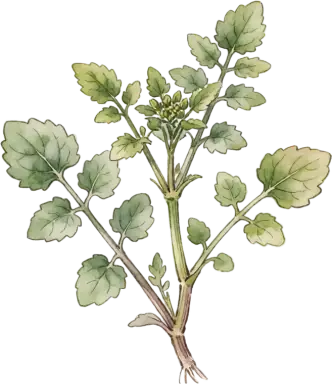
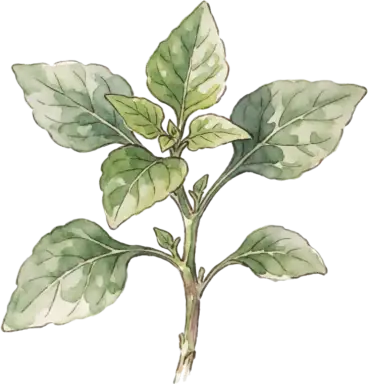
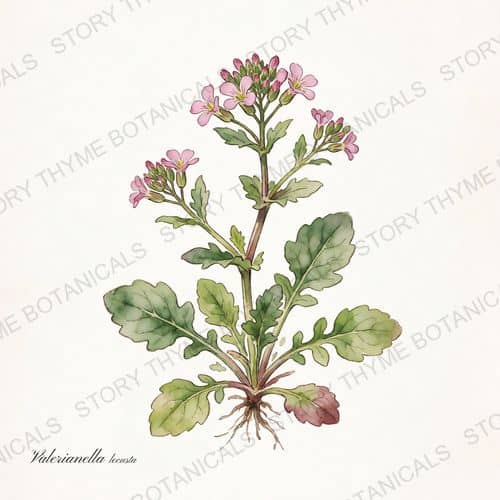
Botanical illustration of Mâche (Corn Salad)
Annual · Valerianella locusta

The gourmet winter salad of France — impossibly cold-hardy little rosettes with a sweet, nutty, buttery flavor, harvested from under snow when nothing else is alive in the garden. Sow in fall, forget it, and pick fresh salad in January from a cold frame. The ultimate cold-season green.

AnnualFull Sun to Part ShadeModerate waterSlow-Moderate growthExcellent edibleNone winter chill

Where to buy the plant — 2 nurseries

I

Overview

Will mâche (corn salad) suit your garden, and what goes wrong.

Will it fruit where you are?

Enter your ZIP — we look up your USDA hardiness zone (2023 map) and check it against what mâche (corn salad) actually needs.

Life cycleAnnual
Winter chillNone

Mâche (Corn Salad) at a glance

Life cycleAnnual
Mature size3-6 in rosettes
PollinationInsignificant
Chill requirementNone (not chill-dependent)
Bloom seasonBolts in spring warmth
Harvest seasonLate Fall through winter into early spring — the most cold-hardy salad green there is, sweet nutty rosettes under snow
Growth rateSlow-Moderate

Common mâche (corn salad) problems

  • Almost none
  • Almost none

II

Growing

Light, water, soil, propagation and the season’s jobs.

How to grow mâche (corn salad): light, water & soil

LightFull Sun to Part Shade
WaterModerate
SoilAny decent soil · pH 6.0 - 7.0
FertilizerNone needed
PruningNone — Sow in late summer/fall; it stands through hard freezes (even snow cover) and is picked all winter in mild areas or under a cold frame anywhere. Bolts and fades once spring warms. Self-sows.
Spacing3-4 in

How to plant & propagate mâche (corn salad)

Maturity50-70 days
From seedSow late summer/fall; extremely cold-hardy
PropagateFrom seed

The mâche (corn salad) growing playbook

Field-tested instructions for every job mâche (corn salad) asks of you, compiled from university extension guidance — in the order the season brings them.

Sowing

Sow the main fall crop once the soil cools

Direct seed a quarter inch deep once soil temperature has dropped into the 41 to 68F range, thinning later to 3 to 4 inches apart in rows 12 inches apart. Sow again every two weeks for a continuous supply, and keep the seedbed damp because germination is slow. Mache seed goes dormant above 70F, so a sowing made into warm soil simply sits and fails rather than germinating unevenly. Cool soil is the trigger, not the calendar.

Sow a spring crop three to four weeks before your last frost

Direct seed a quarter inch deep three to four weeks before your average last spring frost, or set out transplants that have been grown for five to six weeks and carry 4 to 6 mature leaves. Sow every two weeks until soil warms past 68F. Mache tolerates frost at the seedling stage and stops growing well once temperatures pass 75F, so the spring crop has to be started early enough to size up and be eaten before heat arrives.

Watering

Water 1 to 2 inches a week at soil level

Give 1 to 2 inches of water per week, ideally by drip rather than overhead sprinkling, and mulch to hold that moisture. Aim for steady damp rather than a wet-then-dry swing. Wet foliage is what lets Alternaria leaf spot establish and what favors damping-off in a crowded seedbed, and a rosette this close to the ground dries slowly once the leaves are soaked.

Feeding

One light nitrogen feeding at thinning

At thinning, or about four weeks after transplanting, side-dress a quarter cup of a nitrogen fertilizer such as 21-0-0 per 10 feet of row and water it in. If you feed with compost instead, apply no more than an inch of well-composted organic matter over the area before planting, and stop there. Mache is a small, fast leaf crop that feeds lightly. A single measured nitrogen push once the plants are established carries the rosettes to size without pushing soft growth into winter.

Thinning

Thin to 3 to 4 inches once seedlings have true leaves

When seedlings have three to four true leaves, thin them to 3 to 4 inches apart in the row. The plants you pull are not waste - transplant them to fill gaps or eat them as they are. Mache grows as a low rosette only 2 to 5 inches tall, so crowded plants shade each other out and trap moisture in the crowns where rot starts.

What to watch for

Scout for aphids, flea beetles and slugs in the rosettes

Check the undersides of leaves and the center of each rosette for aphids, flea beetles, leaf miners, cabbage loopers and slugs. Floating row covers exclude most of them outright. If aphids build up, insecticidal soap at a 1 to 2 percent solution works, but only where the spray actually lands - hit the leaf undersides and repeat every 4 to 7 days until they are gone. Insecticidal soap kills soft-bodied insects by disrupting their cell membranes and stripping their protective wax on contact, and it leaves no residue behind, so pests that were missed or that hatch afterward are untouched.

Insecticidal soap can be used on vegetables right up to harvest, but do not apply it in full sun or above 90F - it will burn the foliage. Do not spray plants that have bolted into flower; the soap kills any soft-bodied insect it contacts, pollinators included.

Protection

Mulch heavily for winter once plants carry 4 to 5 true leaves

Once the plants have four to five true leaves, cover them with a heavy mulch of straw or evergreen boughs to carry them through winter, and pull that mulch back once the snow melts in spring. A floating row cover handles the lighter frosts of spring and fall on its own. Plants that go into winter at the four-to-five-leaf stage have enough root to survive and enough crown to resume growth, which is why mache can be cut in the dead of winter when nothing else is standing. Temperatures down to 32F do not seriously damage young plants.

Leaving the mulch on past snowmelt smothers the crowns just as they resume growth - pull it back promptly.

Harvesting

Cut whole rosettes, and finish before spring warmth bolts them

Harvest starts two to three weeks after emergence or transplanting. Either cut individual leaves with scissors at about 4 inches across, which lets new leaves regrow from the center, or cut the whole plant at the root when the rosette is 2 to 3 inches tall. Refrigerated, it holds five to seven days. Mache bolts as soon as spring weather warms, and once it sends up a seed stalk the rosette turns bitter and the harvest is over. Cutting whole rosettes is also the fastest way to clear a bed for the next crop.

III

The year

What mâche (corn salad) asks for, month by month.

The mâche (corn salad) year, month by month

MonthJanFebMarAprMayJunJulAugSepOctNovDec
Bloom
Harvest

What each band means

  • Bloomflowers open — pollinators working, frost on blossoms is the danger.
  • Harvestpicking time — check ripeness every few days.

The mâche (corn salad) year as text

  • Jan harvest
  • Feb harvest
  • Mar bloom, harvest
  • Apr bloom, harvest
  • May bloom
  • Jun quiet month
  • Jul quiet month
  • Aug quiet month
  • Sep quiet month
  • Oct quiet month
  • Nov harvest
  • Dec harvest

These are the species' typical months — expect them a few weeks earlier in warm zones and later in cold ones. Watch the plant, not just the calendar.

IV

Ecology & uses

What it does for the garden, and what it is grown for.

Mâche (Corn Salad) in the garden system

  • Groundcover layer annual
MoistureFacultative / average
DeerBrowsed — protect young plants
OriginIntroduced

What mâche (corn salad) is grown for

✓ Commonly eaten

UseWinter salad
UseCold frames
UseFall sowing
Edible value4/5

Harvesting & storing mâche (corn salad)

Late Fall through winter into early spring — the most cold-hardy salad green there is, sweet nutty rosettes under snow. About 50-70 days from planting.

Edibility, identification, and traditional-use notes here are general reference — not medical or veterinary advice, and not a claim that any plant treats or prevents anything. Medicinal ratings record how strongly a plant features in herbal tradition, nothing more. Never eat or dose a plant you have not positively identified. More on how to use this library.

V

Cultivars

Named varieties of mâche (corn salad), ruled as a catalogue.

Best mâche (corn salad) varieties & cultivars

4 on file

Named varieties of mâche (corn salad) differ in days to maturity, disease resistance, flavor, and habit — pick one that fits your season and space.

Vit

DiseaseMildew resistantSizeHarvest at 2-3 inches tall

Mild and slightly nutty, with a note of rose — Open-pollinated, small-seeded, with long oval glossy leaves in tight rosettes. Named in both Utah State and UC Master Gardener variety lists, and the standard choice for winter production.

Where to buy ‘Vit

Story Thyme Farms may earn a small commission from these links, at no cost to you — it never changes what we recommend.

D'Etampes · Etampes

SizeCompact rosette

Mild, nutty — Open-pollinated from Switzerland with dark green spoon-shaped leaves and small seed. Territorial's trials found it bore frosts and freezes better than other varieties and held in the garden into spring. Named in both the Utah State and UC Master Gardener variety lists.

Where to buy ‘D'Etampes

Story Thyme Farms may earn a small commission from these links, at no cost to you — it never changes what we recommend.

Verte de Cambrai

SizeHarvest at 4-6 inches; rosettes of 6-8 leaves

Mild — Open-pollinated heirloom, small-seeded, the standard variety in France and Germany. Very cold tolerant - can be sown in autumn for an early spring harvest, sometimes cut from under snow.

Where to buy ‘Verte de Cambrai

Story Thyme Farms may earn a small commission from these links, at no cost to you — it never changes what we recommend.

Dutch Broad Leaved · Dutch Corn Salad

SizeSmall rosettes of oval leaves

Mild — Open-pollinated, frost tolerant and good for overwintering, with fall cold sweetening the leaves. Little heat tolerance - harvest before warm weather turns it bitter and bolts it. Named in the Utah State variety list.

Where to buy ‘Dutch Broad Leaved

Story Thyme Farms may earn a small commission from these links, at no cost to you — it never changes what we recommend.

VI

Sources & plant ID

Where the care distinctions come from, and how the plant is filed.

Research basis

Sources behind this profile

No extension citations are attached to mâche (corn salad)yet. The care figures below come from the library's own catalogue rather than a traced primary source.

Plant ID

BinomialValerianella locusta
FamilyCaprifoliaceae
TypeAnnual
USDA symbolVALO
OriginIntroduced
Invasive riskLow

VII

Where to buy

Third-party nurseries — not Story Thyme Farms.

Third-party nurseries, not Story Thyme Farms. Prices are theirs.

Story Thyme Farms may earn a small commission from these links, at no cost to you — it never changes what we recommend.

VIII

Questions

Mâche (Corn Salad) questions, answered straight.

Is mâche (corn salad) safe for kids and pets?

Mâche (Corn Salad) is commonly eaten and isn't considered toxic, but "commonly eaten" isn't a guarantee for any particular person or animal — allergies, quantity, and which part you eat all matter. Never eat a plant you haven't positively identified, and check with a vet before letting pets or livestock graze anything new.

When do you harvest mâche (corn salad)?

Late Fall through winter into early spring — the most cold-hardy salad green there is, sweet nutty rosettes under snow. From planting, expect about 50-70 days to maturity.

How do you propagate mâche (corn salad)?

From seed.

IX

Elsewhere

Where mâche (corn salad) sits in the library.

Where mâche (corn salad) sits in the library

Grows in the same world