The illustrated growing guide

Oca (New Zealand Yam)

Oxalis tuberosa

Family Oxalidaceae

Est. zones 2-11

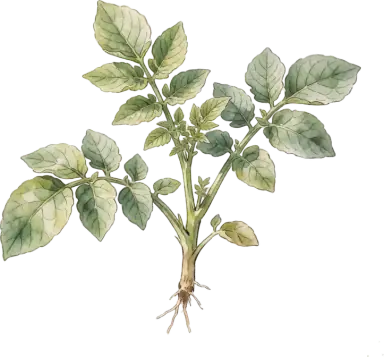
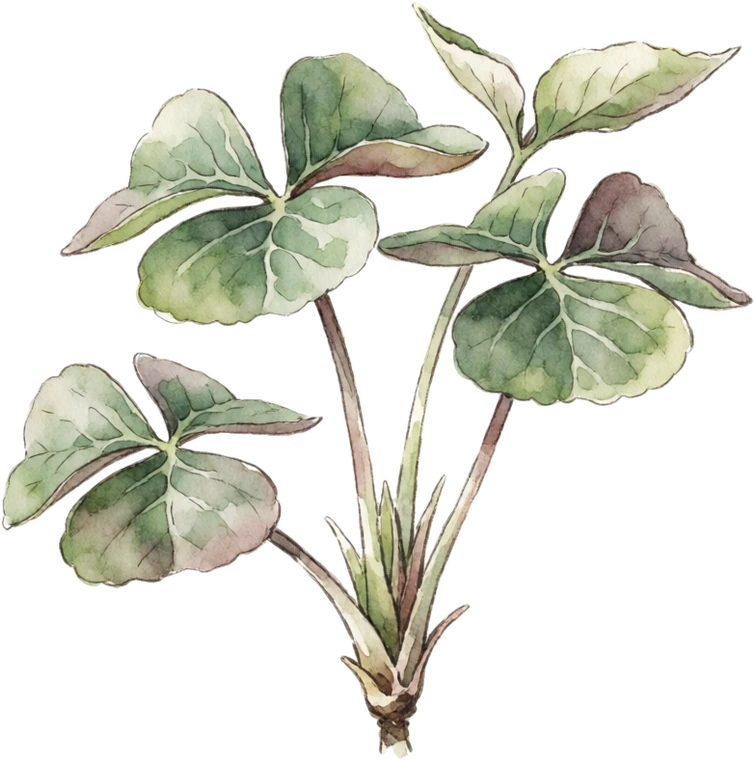
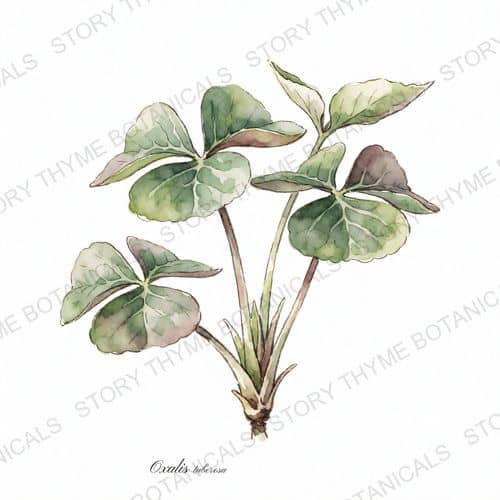
Botanical illustration of Oca (New Zealand Yam)
Perennial · Oxalis tuberosa

A gorgeous Andean tuber — knobby, jewel-colored, with a lemony tang that mellows to sweet after a few days in the sun. It's a fall crop that only bulks up once days shorten, so it rewards long autumns. The shamrock-like foliage is ornamental, and the tubers store well. An adventurous perennial-veg project.

PerennialFull Sun to Part ShadeModerate waterModerate growthExcellent edible

Where to buy the plant — 1 nursery

Oxalis — a print from the Houseplants Vol. 2 collection

From the print shop

The closest print we make

We don’t print Oxalis tuberosa. The closest we have is Oxalis triangularis (“Oxalis”) in the Houseplants Vol. 2 collection — the same genus, Oxalis, not the same species.

16 designsfrom $21.99white or black groundmatte poster, unframed

Shop Houseplants Vol. 2 botanical prints →

I

Overview

Will oca (new zealand yam) suit your garden, and what goes wrong.

Will it fruit where you are?

Enter your ZIP — we look up your USDA hardiness zone (2023 map) and check it against what oca (new zealand yam) actually needs.

Life cycleTender perennial, grown as an annual

Oca (New Zealand Yam) at a glance

Life cycleTender perennial, grown as an annual
Mature size1-2 ft clover-like foliage
PollinationYellow flowers
Chill requirementNot yet established
Bloom seasonN/A (day-length triggered)
Harvest seasonColorful tubers form LATE (short-day triggered, after fall equinox) — dig after frost blackens the tops; tangy-lemony, sweetens in sun; eat raw or roasted
Growth rateModerate

Common oca (new zealand yam) problems

  • Almost none
  • Almost none

II

Growing

Light, water, soil, propagation and the season’s jobs.

How to grow oca (new zealand yam): light, water & soil

LightFull Sun to Part Shade
WaterModerate
SoilLoose, rich, well-drained · pH 5.5 - 7.0
FertilizerLight
PruningNone — An Andean staple tuber, second to the potato in the highlands. The catch: it only forms tubers as the days shorten in fall, so it needs a long, frost-free autumn to bulk up. Dig after the tops die, cure in sun to sweeten. Pretty clover-like foliage and jewel-toned tubers.
Spacing10-12 in

How to plant & propagate oca (new zealand yam)

PropagateDivision or seed

The oca (new zealand yam) growing playbook

Field-tested instructions for every job oca (new zealand yam) asks of you, compiled from university extension guidance — in the order the season brings them.

Sowing

Plant tubers once frost danger has passed

Plant whole tubers a few inches deep as soon as your last frost has passed, setting plants 40 to 60 cm apart in rows 80 to 100 cm apart. Give them full sun and well-drained soil, and expect sprawling growth that fills that spacing by late summer. Oca is a short-day plant that runs a seven to eight month cycle and puts on nothing but leaves and stem until the days shorten. Every week of early growth is stored capacity for the tuber bulking that only starts in autumn, so a late start costs yield you cannot make up later.

Dividing

Save your own seed tubers, and renew the stock when yields slide

Hold back the soundest tubers from the best plants at harvest to replant the following spring, storing them cool, dark and frost-free. If yields fall off over several years with no change in your growing, buy fresh certified or tissue-cultured stock rather than replanting your own again. Oca is propagated almost exclusively from tubers, so the health of your planting stock carries forward with no seed generation to reset it. At least one virus is known in oca and others are suspected of damaging the crop, and virus-free material is reported to give higher yields — a tired clone will not recover from feeding or watering.

What to watch for

Watch for vine weevil, the pest most likely to trouble oca

Through the growing season, check for notched leaf margins on the foliage and for grubs in the root zone and in the tubers of any plant you lift, paying closest attention to container-grown plants. Oca is otherwise generally untroubled by pests and diseases and needs no spray program. Oca may be susceptible to vine weevil, whose adults notch the foliage and whose larvae tunnel roots and tubers where you will not see them until harvest. Beyond this, Andean growers report that few pests or diseases bother the crop, so scouting is the whole program.

Protection

Cover the foliage against the first autumn frosts

As the first frosts arrive, throw a frost blanket or low tunnel over the plants on cold nights and pull it back on mild days. Keep the tops alive as many weeks as you can before you give up on them. Oca tolerates cool weather but does not survive being frozen, so a single hard night ends the crop. Because the tubers only bulk during the short days of late autumn, the foliage you keep alive through those weeks is the crop, and plants killed at the first light frost yield almost nothing.

Harvesting

Dig only after the tops are killed, never early

Leave the plants undisturbed until frost blackens the tops, then dig the whole root zone carefully and wide, as the tubers sit on stolons well out from the crown. Digging a plant to check on it in summer will show you nothing but roots. Oca is a short-day plant that forms no tubers under long photoperiods, and only begins bulking once the days shorten past the autumn equinox — then needs several more weeks. The crop is made in the last stretch of the season, so an early harvest is not an early crop, it is no crop.

Oca tubers contain oxalic acid, reported between 1.2 and 51.3 mg per 100 g fresh weight; even at the higher levels this poses no threat to human health at normal eating quantities.

Sun-cure the dug tubers to sweeten them

Spread the washed tubers in a single layer in full sun for several days before eating or storing them, bringing them in if hard freezes threaten. Taste one before and after, the difference is the whole point. Freshly dug oca is sharp and lemony from its acid content. Sun exposure converts that acidity toward sweetness, which is why Andean growers sun-dry the crop before roasting or boiling it, and it also deepens the tuber colors.

III

The year

What oca (new zealand yam) asks for, month by month.

The oca (new zealand yam) year, month by month

MonthJanFebMarAprMayJunJulAugSepOctNovDec
Harvest

What each band means

  • Harvestpicking time — check ripeness every few days.

The oca (new zealand yam) year as text

  • Jan quiet month
  • Feb quiet month
  • Mar quiet month
  • Apr quiet month
  • May quiet month
  • Jun quiet month
  • Jul quiet month
  • Aug quiet month
  • Sep harvest
  • Oct harvest
  • Nov harvest
  • Dec quiet month

These are the species' typical months — expect them a few weeks earlier in warm zones and later in cold ones. Watch the plant, not just the calendar.

IV

Ecology & uses

What it does for the garden, and what it is grown for.

Oca (New Zealand Yam) in the garden system

  • Root layer perennial
MoistureFacultative / average
DeerBrowsed — protect young plants
OriginIntroduced

What oca (new zealand yam) is grown for

✓ Commonly eatenoxalic acid — like sorrel; sun-curing reduces it

UseAndean tuber
UseRoasting
UseAdventurous crop
Edible value4/5

Harvesting & storing oca (new zealand yam)

Colorful tubers form LATE (short-day triggered, after fall equinox) — dig after frost blackens the tops; tangy-lemony, sweetens in sun; eat raw or roasted.

Edibility, identification, and traditional-use notes here are general reference — not medical or veterinary advice, and not a claim that any plant treats or prevents anything. Medicinal ratings record how strongly a plant features in herbal tradition, nothing more. Never eat or dose a plant you have not positively identified. More on how to use this library.

V

Cultivars

Named varieties of oca (new zealand yam), ruled as a catalogue.

Best oca (new zealand yam) varieties & cultivars

'Oca' in red, pink, yellow, apricot skins

VI

Sources & plant ID

Where the care distinctions come from, and how the plant is filed.

Research basis

Sources behind this profile

No extension citations are attached to oca (new zealand yam)yet. The care figures below come from the library's own catalogue rather than a traced primary source.

Plant ID

BinomialOxalis tuberosa
FamilyOxalidaceae
TypePerennial · Tender Perennial
USDA symbolOXTU2
OriginIntroduced
Invasive riskLow

VII

Where to buy

Third-party nurseries — not Story Thyme Farms.

Third-party nurseries, not Story Thyme Farms. Prices are theirs.

Story Thyme Farms may earn a small commission from these links, at no cost to you — it never changes what we recommend.

VIII

Questions

Oca (New Zealand Yam) questions, answered straight.

Is oca (new zealand yam) safe for kids and pets?

Oca (New Zealand Yam) is commonly eaten and isn't considered toxic, but "commonly eaten" isn't a guarantee for any particular person or animal — allergies, quantity, and which part you eat all matter. One caveat on this one: oxalic acid — like sorrel; sun-curing reduces it. Never eat a plant you haven't positively identified, and check with a vet before letting pets or livestock graze anything new.

When do you harvest oca (new zealand yam)?

Colorful tubers form LATE (short-day triggered, after fall equinox) — dig after frost blackens the tops; tangy-lemony, sweetens in sun; eat raw or roasted.

How do you propagate oca (new zealand yam)?

Division or seed.

IX

Elsewhere

Where oca (new zealand yam) sits in the library.

Where oca (new zealand yam) sits in the library

Grows in the same world