Plant problems · Establishment stress
Transplant Shock
A newly moved plant is struggling.
Start with the roots, the soil and the planting depth.
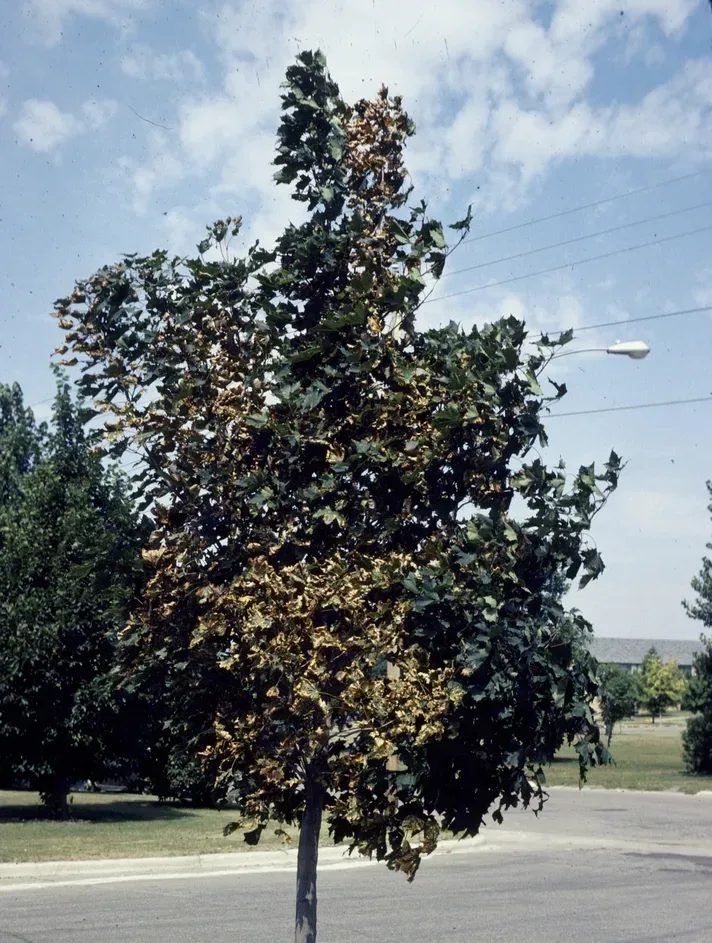
Wilt does not always mean “add water.”
A newly moved plant may wilt, scorch at the leaf edges, shed leaves or stall. Disturbed roots can struggle to supply the leaves.
Transplant shock is not an infectious disease. Dry roots, waterlogged soil, planting depth and root damage can produce overlapping symptoms.
Check what to do firstThis guide focuses on newly planted trees and shrubs.
Check the soil before the hose
Look below the mulch, several inches into the root ball and the soil beside it. Surface moisture alone can mislead you.
Check both places first.
Compare the root ball with the surrounding soil. If they feel different, note that before deciding whether to water. Do not dig up the plant or cut roots to make this check.
A first-step guide, not a diagnosis. If a tree is deteriorating, contact your local extension office or a qualified arborist.
Two places to check
Concept diagram, not planting dimensions or a picture of a particular species.
Clues that fit transplant stress
These clues help you investigate. They do not rule out root rot, pests or another problem.
- Symptoms began after planting or moving.
- Leaves wilt, scorch at the edges, yellow or drop.
- Wilting can happen even when the soil feels damp.
- A nearby, established plant of the same kind may look fine.
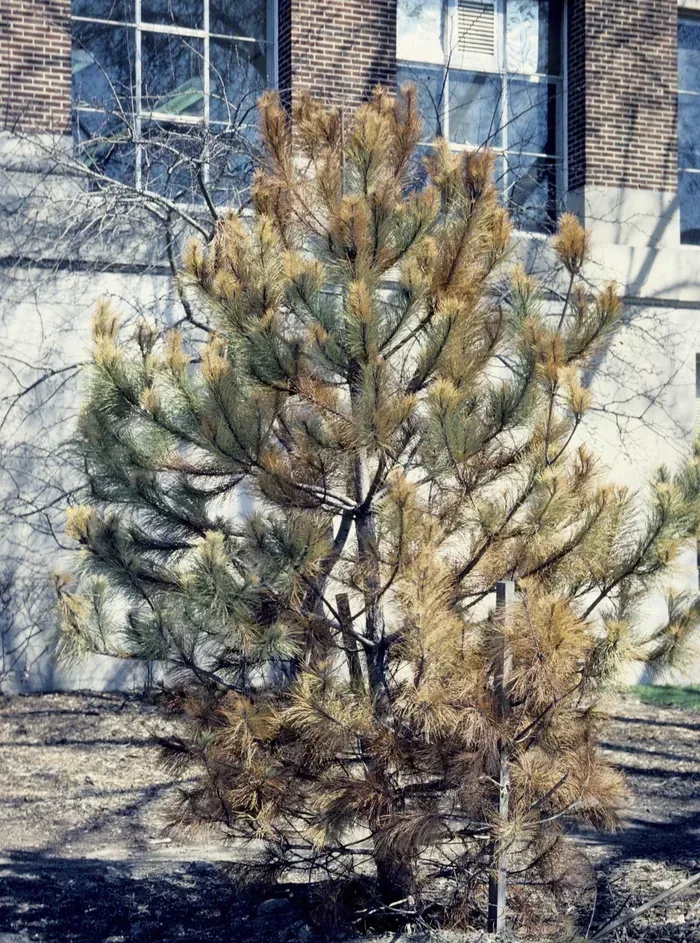
See another example: a transplanted pine
Help it establish, step by step
Water according to the root zone
When the root ball is dry, water slowly so it and the nearby soil absorb moisture. When saturated, investigate drainage before adding more. Recheck regularly as weather changes.
Slow-release tree watering bags can help with delivery; a bag does not decide whether water is needed.
Mulch without burying the trunk
Spread 2–3 inches of organic mulch and keep it back from the trunk and root flare. Check the existing depth before adding another layer.
Do not use fertilizer as a rescue treatment
Fertilizer does not repair injured roots or poor drainage. Address those conditions first; base later feeding on the plant’s needs and soil guidance.
Check planting depth
The tree’s root flare should remain visible at soil level. Pull back piled mulch. If the root ball was planted too deeply, seek advice on correcting it rather than repeatedly disturbing the roots.
Deal with circling roots at planting
Inspect and correct circling roots before backfilling. This is a planting step, not a reason to dig up and cut the roots of an already stressed tree.
Watch the trend, not a deadline
Record the planting date, soil checks and changes in foliage. Continued dieback deserves investigation; waiting alone will not correct a persistent root problem.
As an Amazon Associate, Story Thyme Farms earns from qualifying purchases, at no cost to you. It never changes what we recommend.
How long does transplant shock last?
There is no single recovery clock. Leaves may improve before roots have established. Species, tree size, planting quality, weather and soil all matter.
Early checks
Watch moisture in the root ball and surrounding soil. Check more closely during the early weeks, heat or drying weather.
Ongoing establishment
Trees and shrubs may need care over multiple growing seasons. Minnesota Extension estimates about 1½ years for a 1-inch-caliper tree in its conditions; that is not a promise for every site.
Keep checking through the establishment period rather than ending care on a fixed anniversary. For regional watering intervals and sizing guidance, see Minnesota Extension’s establishment guide.
Which plants get transplant shock
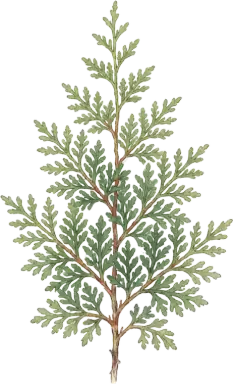
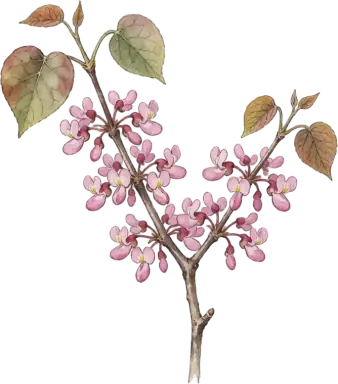
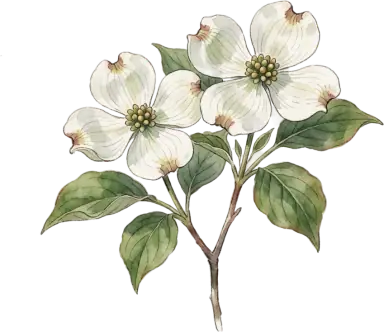
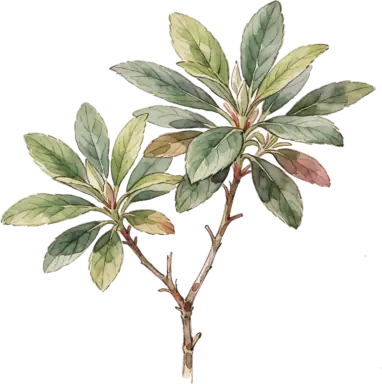
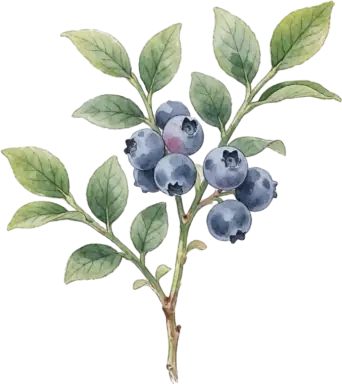
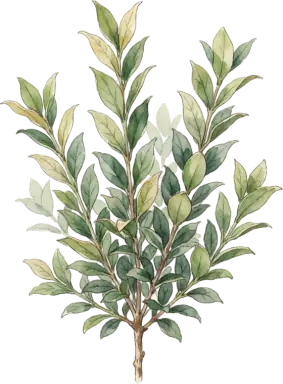
These 7 library entries mention transplant shock. Many other plants can experience it too. Open a plant for its own care guidance.
trees3
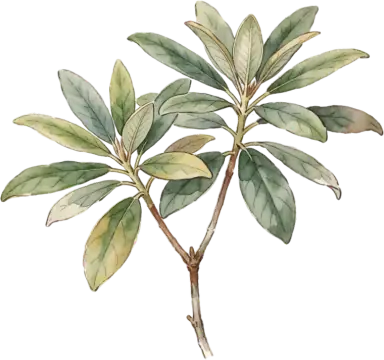
Related plants in this library
These are counts of library associations, not a measure of which family is biologically most vulnerable.
- Ericaceae3 plants
Other problems on the same plants
These problems are also listed for some of the same plants. That overlap does not mean they occur together or that one causes another.
Research behind the care
Start with extension guidance, then adapt to the plant and conditions in front of you.
 University of Georgia ExtensionRoot stress, overwatering and fertilizer during establishment
 University of Maryland ExtensionRoot-ball moisture, planting depth and circling roots
 University of Minnesota ExtensionEstablishment times, watering location and mulching
Publications checked September 27, 2026. Explore the full research library →
Does it need a spray?
Transplant shock itself is establishment stress, so a pesticide is not the remedy. Investigate a separate pest or disease before considering a treatment for one.
General product-label guidance
Timing only — the label is the law
This page tells you when to watch for transplant shock and when treating is worth considering. It is not a recommendation to apply any particular product. Read and follow the product label before you spray — under federal law the label is the legal instruction, and using a pesticide against it is illegal.
- Check the pre-harvest interval. Every product that’s cleared for an edible crop sets a minimum number of days between spraying and picking. Find it on the label before you spray anything you intend to eat.
- Check the re-entry interval before you or anyone else works in the treated area again, and use the protective equipment the label names.
- Confirm the product is registered for your crop in your state. This page groups many different crops together, and a product legal on one of them is not legal on all of them — state registrations differ too. Your state pesticide agency or local extension office can confirm both.
- Rates and mixing instructions come from the label, never from us. We don’t publish them because they differ by product and formulation.